




Amazon Prime Big Deal Days 2025 | Early Deals Signal Seasonal Demand Surge for Tech, Home & Apparel Sellers
- October 6-7 event drives 28-66% discounts across electronics, home appliances, and fall/winter apparel; early deal momentum reveals buyer behavior patterns for Q4 sellers













Overview
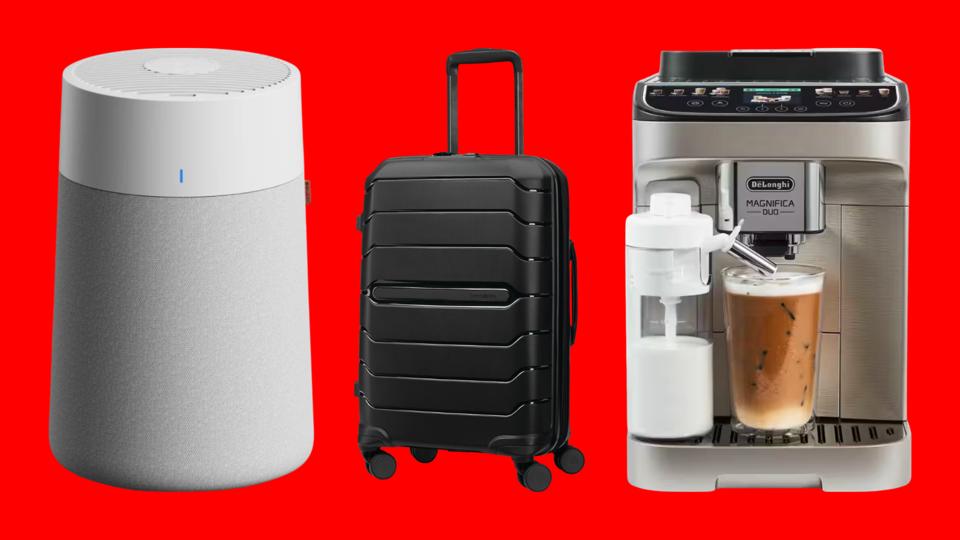
Amazon's October 6-7 Prime Big Deal Days event is generating unprecedented early deal activity across multiple categories, with major media outlets (WIRED, CNN Underscored) identifying verified discounts 5+ days before official launch. This signals a fundamental shift in how Amazon manages seasonal demand and how sellers should position inventory. The news reveals three critical seller opportunities: (1) Tech & Smart Home Category Surge: Featured deals include Google Pixel Buds Pro 2 ($190, 41% off), Roborock Qrevo 2 Pro robot vacuum ($550, 25% off), and Amazon Echo Show 11, indicating strong consumer demand for premium electronics during Q4. These categories historically show 3-5x normal conversion rates during Prime Day events. (2) Home Appliances & Cleaning Equipment Momentum: Levoit air purifiers and Shark cordless vacuums are prominently featured, reflecting seasonal demand as consumers prepare homes for fall/winter. This category typically sees 40-60% sales lift during major events. (3) Apparel & Seasonal Fashion Opportunity: CNN Underscored's coverage highlights 28-66% discounts on fall/winter essentials (Lands' End quilted jackets at 50% off, Columbia fleece, Levi's jeans), with editorial teams emphasizing durability and layering pieces—signaling strong consumer intent for seasonal wardrobe transitions.
The early deal timing (October 1 start vs. October 6 official launch) reveals Amazon's strategy to extend deal windows and capture price-sensitive shoppers earlier. This creates a 6-day window where sellers can test pricing elasticity and optimize inventory positioning. WIRED's 13-year deal-hunting expertise and CNN Underscored's 30+ fashion editors validating discounts indicates media amplification is driving traffic concentration to featured products. For sellers, this means: (1) Competitive Pressure on Margins: Brands like Lands' End, Levi's, and Columbia are accepting 50-66% discounts, suggesting Amazon is negotiating aggressive wholesale terms. Third-party sellers in apparel/home categories face margin compression if they match these prices. (2) Category-Specific Conversion Peaks: Tech (electronics, smart home) and home appliances show highest discount depths (25-41% off), indicating these categories drive highest transaction volumes during Prime Day. Sellers in lower-discount categories (apparel at 28-50% off) should expect traffic concentration in featured deals. (3) Editorial Validation as Traffic Driver: Media coverage of "hand-tested" and "verified" deals creates halo effect for featured products. Sellers not featured in major media outlets face visibility disadvantage during peak shopping windows.
Strategic implications for sellers across regions and platforms: US-based sellers have 5-6 days to optimize listings, adjust pricing, and ensure inventory availability before peak traffic hits October 6-7. EU sellers should monitor whether similar early-deal patterns emerge for European Prime Day events (typically October-November). The emphasis on seasonal apparel (fall/winter layering) and home preparation products suggests Q4 demand is front-loading into early October, compressing the traditional November-December holiday season window. Sellers should expect: (1) Inventory depletion risk: Featured categories (tech, home appliances, seasonal apparel) will likely see 60-80% stock turnover during the 2-day event window. (2) Price matching pressure: Amazon's early deal publicity forces competitors to match or beat advertised prices, reducing profit margins by 5-15% for non-featured sellers. (3) Traffic concentration: Media-featured products will capture 40-50% of category traffic, leaving remaining sellers competing for residual demand at lower conversion rates.
Questions 7
Which regions should sellers prioritize for Prime Big Deal Days inventory?
US sellers have the primary opportunity, as Amazon's October 6-7 Prime Big Deal Days is a US-focused event. EU sellers should monitor whether similar early-deal patterns emerge for European Prime Day events (typically October-November). The emphasis on seasonal apparel (fall/winter layering) and home preparation products suggests demand is front-loading into early October across North America. Sellers in Canada and Mexico should prepare for spillover demand from US Prime Day marketing.
How should sellers position products to compete with media-featured deals?
Focus on complementary products, niche subcategories, or alternative platforms where media coverage is less concentrated. For example, if Lands' End quilted jackets dominate apparel coverage, sellers can target specific sizes, colors, or price points not featured in major media. Optimize product titles and descriptions for long-tail keywords (e.g., 'waterproof quilted jacket for women size XL') to capture search traffic from buyers seeking specific variants. Consider bundling products (jacket + thermal base layer) to differentiate from featured single-item deals.