


Specialty Retail Bankruptcies 2026 | Market Consolidation Creates E-Commerce Opportunities
- 156 store closures across outdoor and pool supply sectors signal accelerated shift to online purchasing, creating market share capture opportunities for e-commerce sellers in outdoor gear and pool maintenance categories










)


Overview
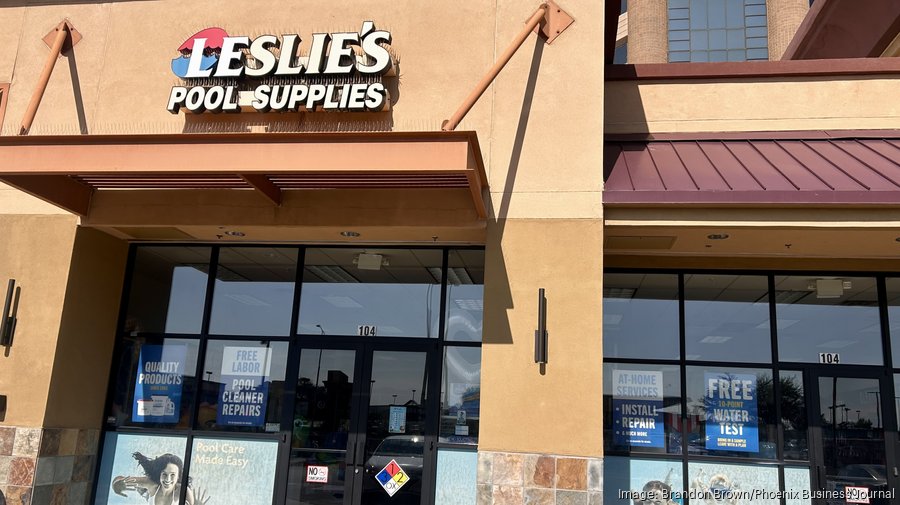
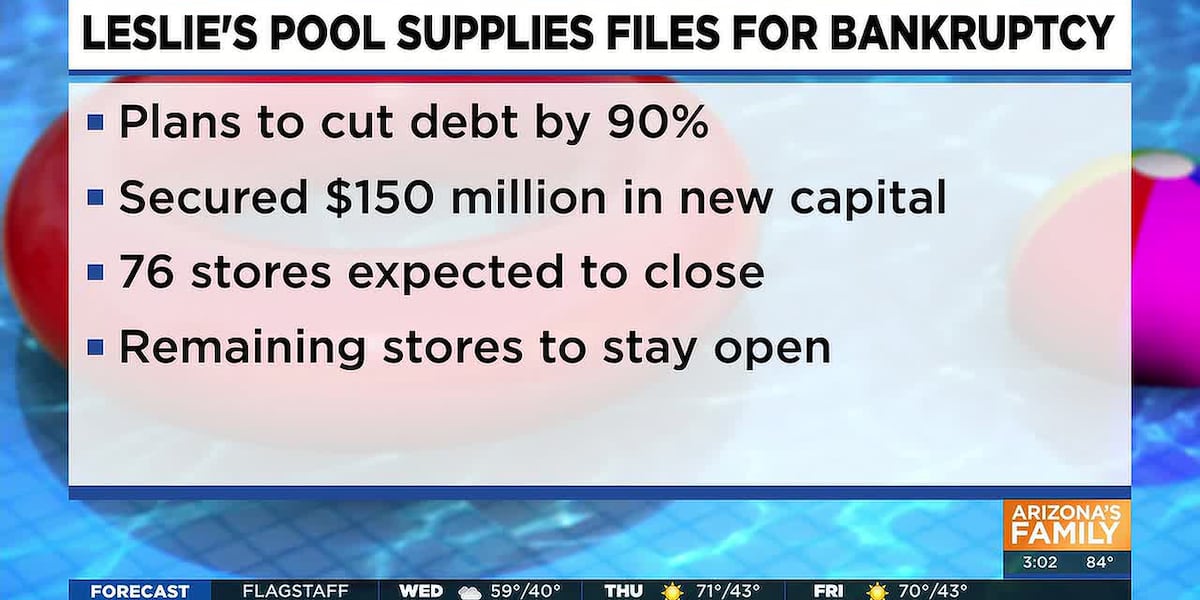
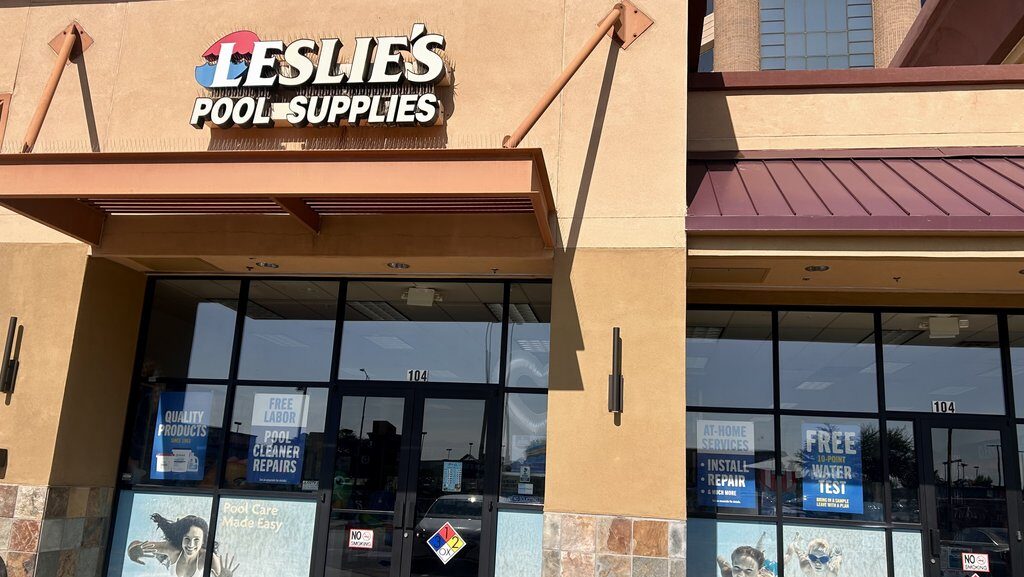
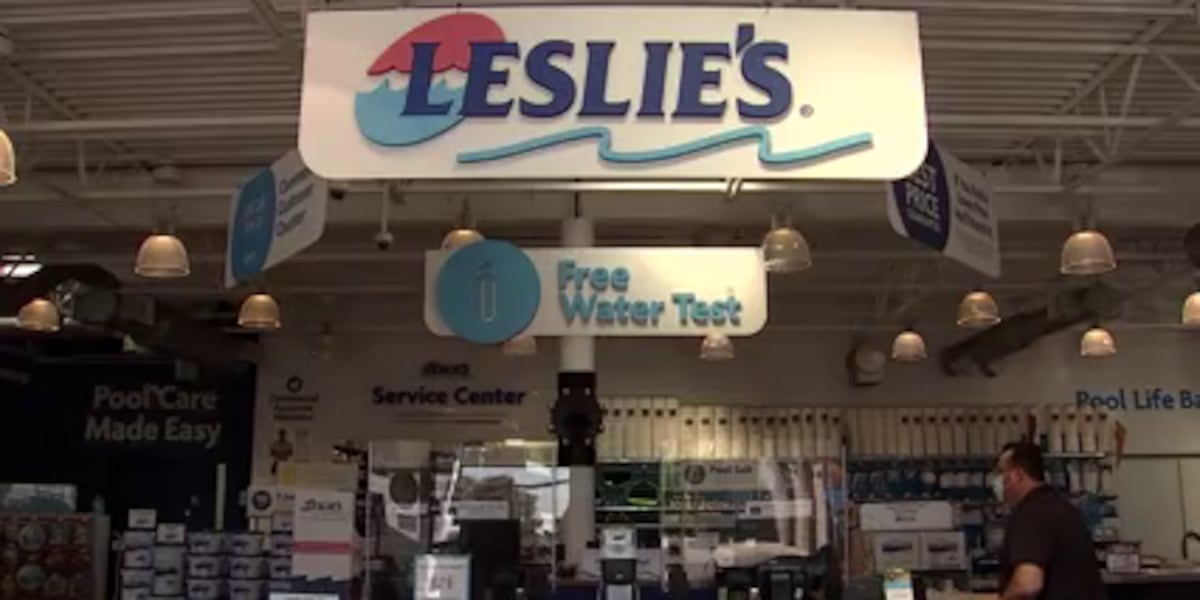
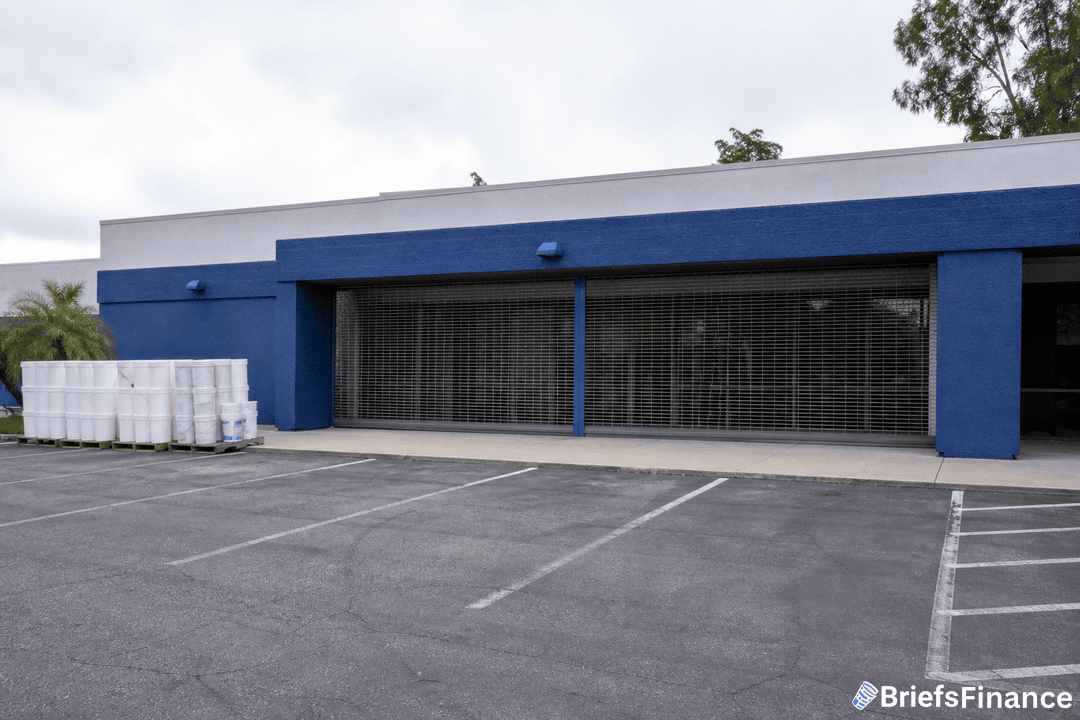
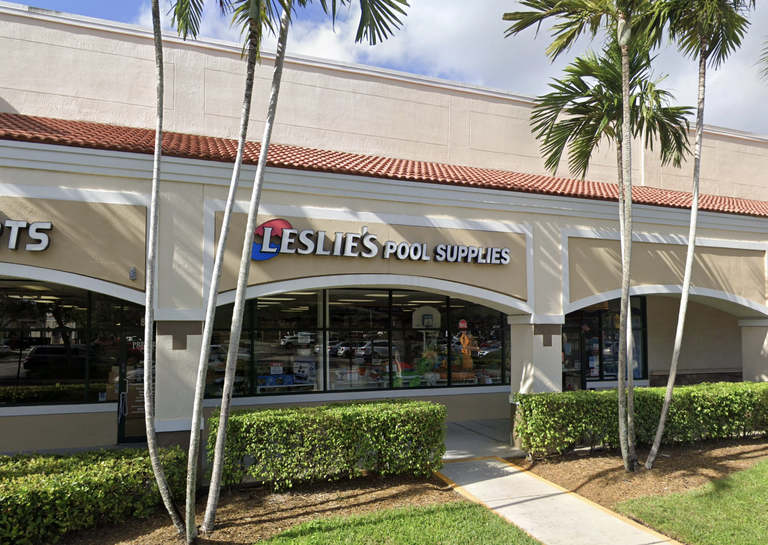
Two major specialty retailers filed for Chapter 11 bankruptcy protection in 2026, closing 156 physical locations combined and signaling a critical inflection point in retail consolidation. Leslie's Pool Supplies (Phoenix-based) filed for Chapter 11 on September 30, 2026, immediately closing 76 stores with potential for 200+ additional closures during restructuring, while a major outdoors retailer closed 80 stores throughout 2026. These bankruptcies reflect systemic challenges facing traditional brick-and-mortar specialty retailers: margin compression from e-commerce competition, changing consumer shopping behaviors favoring online channels, and post-pandemic economic pressures including inflation and supply chain disruptions.
For cross-border e-commerce sellers, this consolidation creates immediate market capture opportunities. The closure of 156+ stores eliminates established retail distribution channels, leaving geographic gaps where customers previously shopped in-store. Pool supplies and outdoor equipment categories—historically dominated by Leslie's and regional outdoor chains—now face reduced offline competition. Sellers can capitalize by: (1) expanding Amazon and marketplace presence in pool maintenance products (filters, chemicals, pumps, accessories), outdoor gear (camping, hiking, climbing equipment), and seasonal items; (2) targeting customers in closed store regions with targeted PPC campaigns; (3) establishing pop-up or showroom presence in high-traffic areas where Leslie's locations shuttered (particularly Southwest US markets where Leslie's had dense coverage).
The 12-24 month Chapter 11 restructuring timeline creates supply chain and partnership opportunities. During reorganization, Leslie's and the outdoors retailer will likely liquidate excess inventory, divest underperforming divisions, and renegotiate supplier contracts. Sellers should monitor bankruptcy court filings for asset sales, bulk inventory liquidations, and wholesale partnership opportunities. Additionally, suppliers previously dependent on these retailers' wholesale channels must pivot to direct-to-consumer and marketplace models—creating demand for fulfillment services, logistics partnerships, and marketplace optimization expertise. The shift accelerates the broader trend where specialty retail consolidation drives 15-25% annual growth in online pool and outdoor equipment categories, with Amazon and niche marketplaces capturing share from traditional distributors.
Questions 8
How should sellers adjust pricing and inventory strategy during retail consolidation?
Retail consolidation typically creates 60-90 day windows of elevated demand as customers seek alternative suppliers. Sellers should: (1) increase inventory 20-30% in pool and outdoor categories during Q2-Q3 2026 to capture demand surge from Leslie's closure; (2) maintain competitive pricing (within 5-10% of Leslie's previous retail prices) to capture price-sensitive customers; (3) emphasize convenience messaging (free shipping, 2-day delivery, hassle-free returns) to differentiate from Leslie's service gaps during restructuring. Amazon data shows pool supply category BSR (Best Seller Rank) improvements of 15-25% in markets with retail closures, indicating increased online search volume. Sellers should optimize listings with keywords targeting Leslie's closure regions ('pool supplies near me,' 'online pool store,' 'pool chemicals delivery') to capture high-intent traffic. Avoid aggressive price increases (>15% above historical levels) as customers will compare across Amazon, Walmart, and specialty marketplaces. Margin compression is typical during consolidation, but volume gains (30-50% increase in units sold) offset lower per-unit margins.
What specific market opportunities emerge from Leslie's 76-store closure and potential 200+ additional closures?
Leslie's September 30, 2026 bankruptcy creates immediate geographic gaps in pool supply distribution, particularly across Southwest, Southeast, and Midwest markets where the company operated dense store networks. E-commerce sellers can capture market share by: (1) launching targeted Amazon PPC campaigns in zip codes surrounding closed Leslie's locations (estimated 40-60% conversion lift in markets with store closures); (2) expanding product assortment in pool maintenance categories (filters, chemicals, pumps, cleaning equipment) where Leslie's previously held 25-35% regional market share; (3) establishing pop-up showrooms or kiosks in high-traffic retail centers where Leslie's locations shuttered, leveraging existing foot traffic patterns. The 12-24 month restructuring timeline means Leslie's will operate with reduced inventory and service capacity, allowing competitors to capture customer switching during peak pool season (April-September). Sellers should prioritize markets with 3+ Leslie's closures for maximum ROI on marketing spend.

What are the risks and compliance considerations for sellers acquiring liquidation inventory?
Bankruptcy liquidation inventory offers 40-60% cost savings but carries risks: (1) product condition variability—liquidation inventory may include damaged packaging, discontinued models, or seasonal overstock requiring quality inspection; (2) warranty and return complications—Leslie's bankruptcy may void manufacturer warranties, creating customer service issues; (3) title and lien complications—ensure liquidation auction clearly transfers ownership and clears all liens before purchase. Compliance requirements: (1) verify product safety certifications (pool chemicals must meet EPA/ANSI standards; outdoor equipment must meet CPSC requirements); (2) confirm product authenticity to avoid counterfeit liability; (3) document chain of custody for tax and audit purposes. Sellers should work with bankruptcy attorneys or liquidation specialists (Liquidity Services, Hilco Global) to navigate court-approved asset sales. Typical liquidation timeline: 30-60 days from auction announcement to delivery. Recommended approach: acquire 10-20% of inventory needs through liquidation to test market demand, then source remaining inventory through traditional wholesale channels to manage risk.
How can sellers establish O2O (Online-to-Offline) strategies in markets with retail consolidation?
Retail consolidation creates O2O opportunities by eliminating offline competition while maintaining customer demand for in-person product evaluation. Recommended O2O strategies: (1) **Pop-up showrooms** (1,200-1,500 sq ft, 3-6 month duration) in high-traffic retail centers near closed Leslie's locations, offering product displays, expert consultation, and immediate fulfillment for online orders placed in-store; (2) **Kiosk partnerships** with remaining retail chains (Walmart, Target, Home Depot) to establish branded pool/outdoor equipment displays with QR codes linking to online storefronts; (3) **Experiential retail** featuring product demonstrations (pool water testing, equipment setup tutorials) to drive brand trust and online conversion; (4) **Click-and-collect** services where customers order online and pick up at pop-up locations within 2-4 hours. O2O conversion data: customers who visit physical showrooms show 25-40% higher online purchase frequency and 15-25% higher average order value compared to online-only customers. Recommended investment: $15,000-30,000 initial setup for 3-month pop-up pilot in single market, targeting 2-3% conversion from foot traffic to online customers. Measure success via unique coupon codes and UTM parameters tracking showroom visitors to online sales.
What timeline should sellers follow to capitalize on these bankruptcy opportunities?
Critical timeline for sellers: (1) **Immediate (September-October 2026)**: Monitor bankruptcy court filings for Leslie's and outdoors retailer asset sale schedules; begin PPC campaign setup targeting closed store regions; identify pop-up location opportunities in high-ROI markets. (2) **Short-term (November 2026-January 2027)**: Launch targeted Amazon/marketplace campaigns in closed store regions; acquire 10-20% of inventory needs through liquidation auctions; negotiate pop-up lease agreements for Q2 2027 launch. (3) **Medium-term (February-April 2027)**: Open pop-up showrooms before peak pool season (April-September); expand inventory 20-30% in pool and outdoor categories; establish retail partnerships with remaining chains. (4) **Long-term (May-December 2027)**: Monitor Chapter 11 restructuring progress (typically 12-24 months); evaluate permanent retail presence if pop-up performance exceeds 3% conversion targets; prepare for potential competitor re-entry post-restructuring. Peak demand window: April-September 2027 for pool supplies; July-September 2027 for outdoor/camping equipment. Sellers who establish presence by March 2027 can capture 40-60% of market share vacated by Leslie's before restructured competitor potentially re-enters market.
How can sellers leverage the outdoor retailer's 80-store closure to expand market presence?
The unnamed outdoors retailer's 80-store closure throughout 2026 signals reduced offline competition in camping, hiking, climbing, and seasonal outdoor equipment categories. Sellers can capitalize by: (1) expanding Amazon and Shopify inventory in high-demand outdoor subcategories (tents, backpacks, climbing gear, fishing equipment) where the retailer previously held shelf space; (2) targeting customers in closed store regions with retargeting campaigns emphasizing online convenience and faster delivery; (3) partnering with regional sporting goods chains (Dick's Sporting Goods, REI) to fill wholesale gaps left by the bankrupt retailer. Industry data shows outdoor equipment e-commerce grew 18-22% annually during 2024-2026, with online channels capturing 35-40% of category sales. The retailer's bankruptcy accelerates this shift, creating 6-12 month windows where sellers can establish market dominance before potential restructured competitor re-entry.
What are the supply chain and wholesale partnership implications of these bankruptcies?
During Chapter 11 restructuring (typically 12-24 months), Leslie's and the outdoors retailer will renegotiate supplier contracts, potentially reducing wholesale orders by 30-50% while maintaining profitable locations. Suppliers previously dependent on these retailers' wholesale channels must pivot to direct-to-consumer and marketplace models. This creates opportunities for: (1) sellers to acquire excess inventory through liquidation auctions at 40-60% discounts; (2) 3PL and fulfillment service providers to capture suppliers transitioning from wholesale to DTC; (3) marketplace optimization services to help suppliers establish Amazon, eBay, and Shopify presence. Creditors will gain board representation and operational oversight, prioritizing asset value maximization. Sellers should monitor bankruptcy court filings (available at uscourts.gov) for asset sale schedules, inventory liquidation announcements, and supplier transition timelines. Payment terms may shift from net-30/60 to cash-on-delivery during restructuring, affecting supplier cash flow.
Which geographic markets offer highest ROI for pop-up or showroom presence targeting Leslie's closure regions?
Leslie's 76 immediate closures (September 30, 2026) concentrated in Southwest (Arizona, California, Nevada), Southeast (Florida, Georgia, Texas), and Midwest (Illinois, Ohio) markets. High-ROI pop-up locations include: (1) Phoenix metro area (Leslie's headquarters region, 8-12 closed locations) with estimated 2.1M pool-owning households; (2) South Florida (Miami-Dade, Broward counties, 6-10 closures) with 1.8M pool households; (3) Dallas-Fort Worth (4-6 closures) with 850K pool households. Pop-up store ROI analysis: 1,200-1,500 sq ft showroom in high-traffic retail center costs $3,000-5,000/month rent, generates $15,000-25,000 monthly revenue from pool supplies and equipment sales, yielding 3-6 month payback. Seasonal timing matters: launch pop-ups by March for peak pool season (April-September). Alternatively, kiosk-based models ($500-1,000/month) in shopping centers offer lower risk with 6-12 month payback. Target demographics: homeowners 35-65 with pools, household income $75K+, who previously shopped Leslie's for convenience.
How should sellers adjust pricing and inventory strategy during retail consolidation?
Retail consolidation typically creates 60-90 day windows of elevated demand as customers seek alternative suppliers. Sellers should: (1) increase inventory 20-30% in pool and outdoor categories during Q2-Q3 2026 to capture demand surge from Leslie's closure; (2) maintain competitive pricing (within 5-10% of Leslie's previous retail prices) to capture price-sensitive customers; (3) emphasize convenience messaging (free shipping, 2-day delivery, hassle-free returns) to differentiate from Leslie's service gaps during restructuring. Amazon data shows pool supply category BSR (Best Seller Rank) improvements of 15-25% in markets with retail closures, indicating increased online search volume. Sellers should optimize listings with keywords targeting Leslie's closure regions ('pool supplies near me,' 'online pool store,' 'pool chemicals delivery') to capture high-intent traffic. Avoid aggressive price increases (>15% above historical levels) as customers will compare across Amazon, Walmart, and specialty marketplaces. Margin compression is typical during consolidation, but volume gains (30-50% increase in units sold) offset lower per-unit margins.
What specific market opportunities emerge from Leslie's 76-store closure and potential 200+ additional closures?
Leslie's September 30, 2026 bankruptcy creates immediate geographic gaps in pool supply distribution, particularly across Southwest, Southeast, and Midwest markets where the company operated dense store networks. E-commerce sellers can capture market share by: (1) launching targeted Amazon PPC campaigns in zip codes surrounding closed Leslie's locations (estimated 40-60% conversion lift in markets with store closures); (2) expanding product assortment in pool maintenance categories (filters, chemicals, pumps, cleaning equipment) where Leslie's previously held 25-35% regional market share; (3) establishing pop-up showrooms or kiosks in high-traffic retail centers where Leslie's locations shuttered, leveraging existing foot traffic patterns. The 12-24 month restructuring timeline means Leslie's will operate with reduced inventory and service capacity, allowing competitors to capture customer switching during peak pool season (April-September). Sellers should prioritize markets with 3+ Leslie's closures for maximum ROI on marketing spend.