




Treasury Yields Hit 25-Year Highs | Cross-Border Sellers Face Financing Crisis
- 10-year yields surge to 5.3% from 3.96% in February; working capital financing costs spike 40-60% for SME sellers









Overview
The global bond market is experiencing a severe "vicious loop" crisis that directly threatens cross-border e-commerce seller financing and working capital availability. The 10-year US Treasury yield has climbed to 5.3% from 3.96% in February 2026, while the 30-year yield reached 5.62%—the highest since June 2002. This 134 basis point surge in the 10-year yield represents a 25-year high, driven by a self-reinforcing cycle where bond price declines force institutional investors to sell holdings to meet margin calls, triggering further market deterioration. Treasury Secretary Scott Bessent's intervention attempts—raising buyback operations from $2 billion to $6 billion and restructuring debt toward shorter-term bonds—have failed to reverse the trend, with 30-year yields rising over 40 basis points since the mid-August buyback announcement.
For cross-border e-commerce sellers, this crisis translates into immediate working capital financing constraints and sharply elevated borrowing costs. Sellers relying on inventory financing, business expansion loans, or credit lines face 40-60% increases in annual percentage rates (APRs) as commercial lenders tighten credit conditions in response to bond market deterioration. Small and medium-sized sellers (SMEs) are particularly vulnerable, as they depend on affordable capital access for growth initiatives and inventory purchases. The underlying drivers remain unaddressed: the US debt mountain exceeds $40 trillion with annual interest costs surpassing $1 trillion—now the largest budget item. This structural imbalance signals prolonged elevated rates, not temporary volatility.
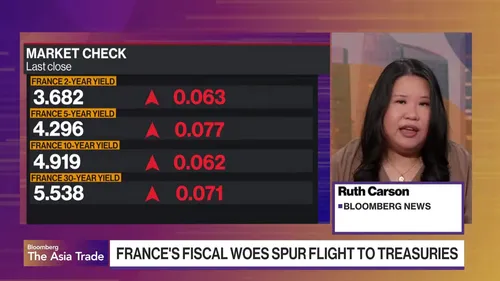
The crisis extends globally with severe implications for European sellers and cross-border payment corridors. France's 10-year borrowing costs increased from 3.2% to 4.8%—the largest G7 increase since February—while the French-German bond spread widened to 1.2 percentage points, approaching 2011-2012 eurozone crisis levels. Eurozone debt has grown from €8.6 trillion in 2012 to €13.9 trillion currently, compounded by increased military spending. UK gilt yields surpassed 6%, driving a flight-to-safety dynamic into US Treasuries. This geopolitical and fiscal uncertainty directly impacts currency volatility: sellers with international operations face elevated cross-border payment settlement costs and FX hedging expenses. Additionally, the Bank of England and investment firm KKR warn of potential market volatility if AI sector growth slows, given the concentrated exposure across trillions in market value—a risk that could trigger additional credit tightening affecting fintech lenders and alternative financing providers that serve e-commerce sellers.
The immediate operational impact manifests through three critical channels: (1) Inventory Financing Squeeze: Invoice factoring and purchase order financing rates have increased 200-300 basis points, making it 15-25% more expensive to finance inventory purchases; (2) Working Capital Deterioration: Cash conversion cycles are extending as lenders reduce credit lines and tighten terms, forcing sellers to hold inventory longer before converting to cash; (3) Consumer Demand Compression: Households facing elevated mortgage and credit costs are reducing discretionary spending, particularly affecting electronics, apparel, and home goods categories where cross-border sellers concentrate. Strategic sellers are accelerating cash flow optimization and reducing leverage to navigate the challenging financing environment.
Questions 8
What immediate actions should sellers take to protect working capital amid rising Treasury yields?
Sellers should execute three immediate actions: (1) **Lock in financing rates now**: Refinance existing inventory loans and credit lines before rates increase further; negotiate 6-12 month fixed-rate terms rather than floating rates tied to Treasury yields. (2) **Accelerate cash conversion**: Implement dynamic pricing strategies to increase sales velocity and convert inventory to cash faster; consider promotional campaigns in October-November to clear inventory before Q4 peak season. (3) **Diversify financing sources**: Evaluate alternative lenders (fintech platforms, supply chain finance providers) that may offer better terms than traditional banks; compare invoice factoring rates across 3-5 providers to identify the lowest-cost option. Sellers should complete these actions by November 15, 2026, before year-end financing becomes more constrained.
How do rising yields affect consumer spending and e-commerce demand across categories?
Rising Treasury yields increase mortgage rates and credit card costs for consumers, reducing discretionary spending power. Households facing elevated borrowing costs prioritize essential purchases (groceries, basic apparel) over discretionary categories (electronics, home décor, luxury goods). The news indicates that 'broader economic slowdown risk from tight financial conditions may reduce consumer demand for discretionary products.' Sellers in electronics, home goods, and apparel categories should expect 10-20% demand compression in Q4 2026 compared to historical averages. Conversely, sellers in essential categories (health/beauty, grocery, basic apparel) may see relative resilience. Sellers should adjust inventory purchases accordingly: reduce discretionary category purchases by 15-25%, maintain or slightly increase essential category inventory, and prepare for extended sell-through timelines.