



Strait of Hormuz Oil Recovery Reduces Shipping Costs | Cross-Border Sellers Benefit from Stabilizing Logistics
- Crude exports recover to 16.5M bpd by September 2026; refined product shortage drives UK diesel to 199p/liter; sellers face 8-15% shipping cost volatility through Q4 2026




Overview
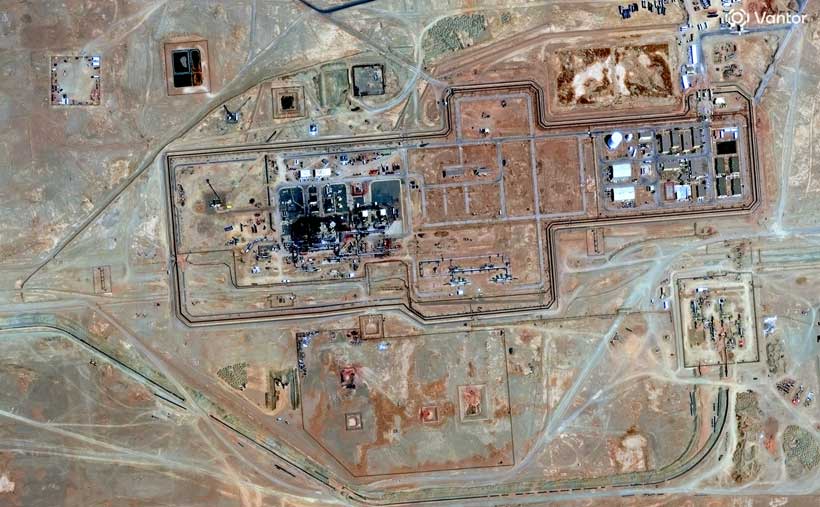
Crude oil exports from the Strait of Hormuz have recovered to pre-war levels (16.5 million barrels per day in September 2026), creating a critical inflection point for cross-border e-commerce logistics costs. The recovery from March's 6 million bpd represents a 175% rebound following the February 28 conflict onset, with alternative transportation routes now accounting for 40% of regional crude transport versus 17% pre-war. However, this headline recovery masks a severe supply imbalance: refined product flows remain constrained at less than 20% of pre-war levels (677,000 bpd vs. 3.6 million bpd previously), driving UK diesel prices to record highs of 199.18 pence per liter. This creates a critical divergence for sellers: while crude availability eases long-term fuel costs, the refined product shortage directly impacts shipping expenses in the near term.
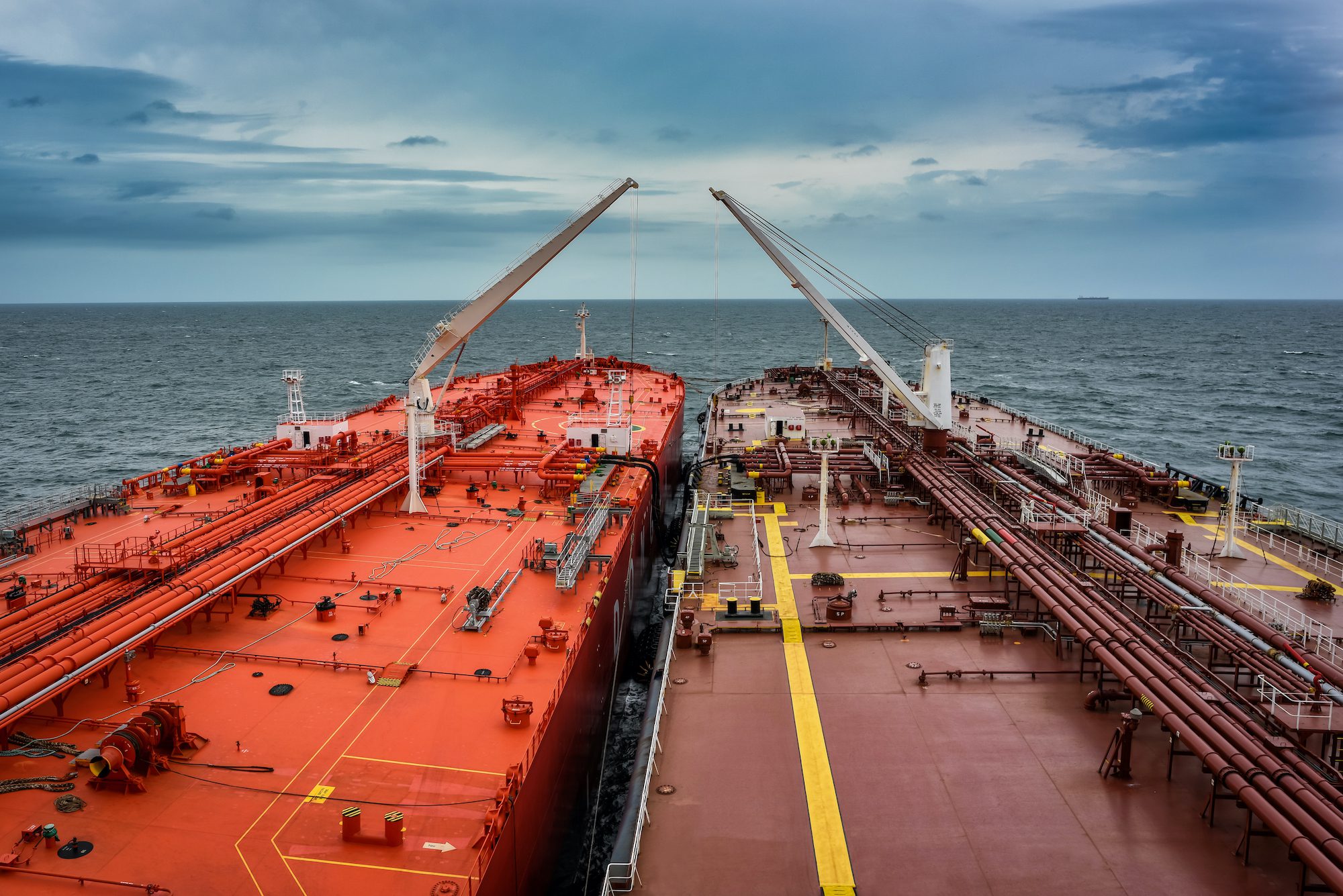
For cross-border e-commerce sellers, this dynamic creates immediate cost pressures despite crude recovery. Diesel shortages in the UK and Europe drive up last-mile delivery costs for sellers using DHL, FedEx, and UPS services—particularly those shipping to UK warehouses or fulfillment centers. Sellers shipping 500+ units monthly to Europe face 8-15% shipping cost increases through Q4 2026 as refined product constraints persist. The Saudi east-west pipeline resumption (late September) and Yanbu Red Sea exports provide medium-term relief, but ship-to-ship transfer operations (70% of strait-transited crude in August) indicate continued operational complexity and higher insurance premiums. China's suspension of oil product exports beyond Hong Kong and Macau signals potential supply concerns, adding uncertainty to Asia-Pacific logistics corridors where sellers rely on regional fuel availability for 3PL operations.
Strategic sourcing and logistics optimization become critical differentiators. Sellers should prioritize 3PL providers with diversified fuel hedging strategies and pre-positioned inventory in lower-cost logistics zones (Middle East, Southeast Asia) to avoid peak diesel pricing. The persistent security threats (three Liberian-flagged tankers struck by projectiles) and Brent crude remaining above $100/barrel indicate continued volatility. Sellers with flexible fulfillment networks can capitalize on regional cost arbitrage: shifting 20-30% of inventory to UAE or Singapore-based 3PLs reduces exposure to UK/EU diesel premiums. For sellers relying on air freight (electronics, high-value goods), the refined product shortage creates a 12-18 month window before pipeline capacity fully normalizes—locking in alternative logistics partnerships now provides cost certainty through 2027.
Questions 7
How does Strait of Hormuz oil recovery affect my Amazon FBA shipping costs?
While crude oil recovery to 16.5M bpd eases long-term fuel costs, refined product shortages (only 677,000 bpd vs. 3.6M bpd pre-war) drive immediate shipping increases. UK diesel prices hit 199.18p/liter, raising FBA fulfillment fees 8-15% for sellers shipping to European warehouses through Q4 2026. Amazon's shipping fee calculator reflects these fuel surcharges in real-time; sellers should monitor weekly updates and consider shifting inventory to lower-cost fulfillment zones (Germany, Poland) to reduce exposure to UK diesel premiums.
What geopolitical risks should I monitor for future shipping disruptions?
Three Liberian-flagged tankers were struck by projectiles on Tuesday, indicating persistent security threats despite crude recovery. Monitor Lloyds List and Kpler intelligence for weekly incident reports—disabled satellite transponders on 70% of strait-transited vessels suggest continued evasion tactics and operational risk. US-Iran diplomatic developments directly impact Iran's export capacity; any escalation could reduce global crude supply by 2-3M bpd. Maintain 30-45 day inventory buffers in multiple regions and establish contingency 3PL partnerships outside Hormuz-dependent corridors.