
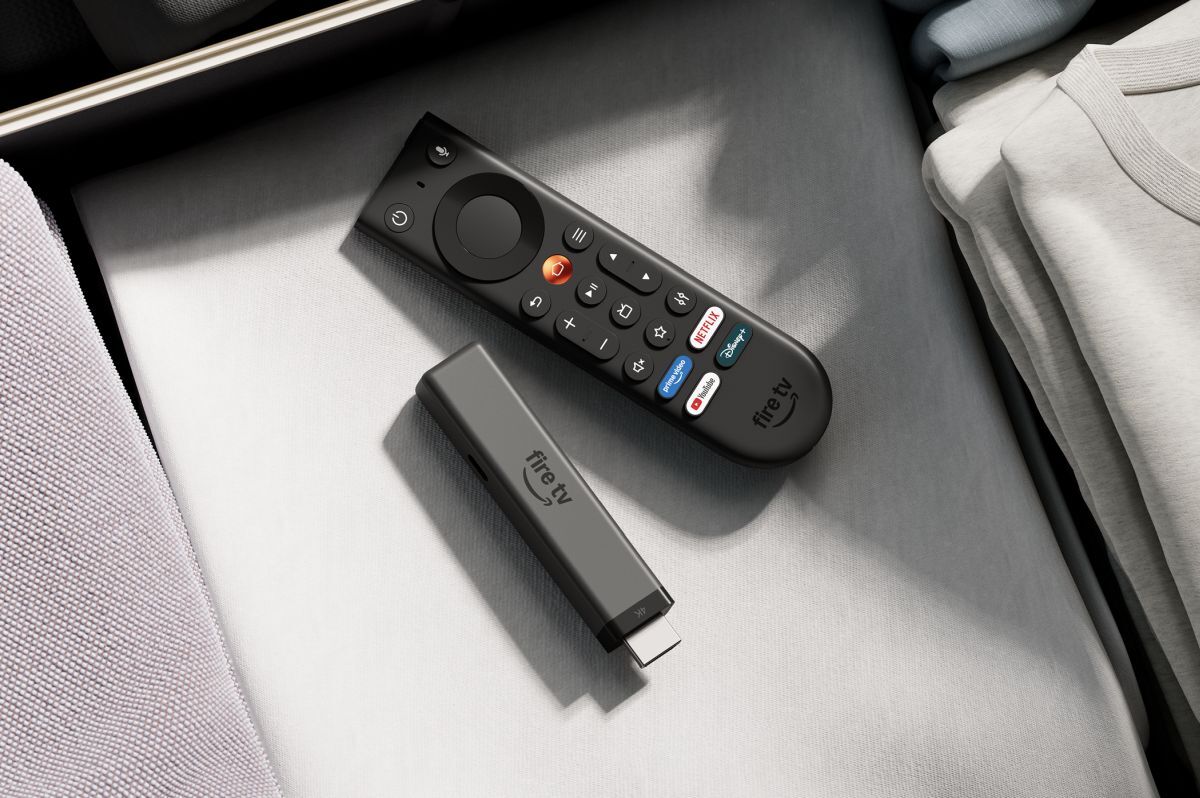


Amazon Fire TV Stick 4K USB Power Shift | Accessory Sellers Face Major Margin Pressure
- Eliminates wall adapter requirement, disrupts $200M+ accessory market; new remote at $14.99 launches October 22, 2025
Overview
Amazon's redesigned Fire TV Stick 4K at $59.99 represents a strategic pivot toward USB-powered streaming that fundamentally disrupts the accessory ecosystem for third-party sellers. The elimination of the wall power adapter—a key cost-reduction measure that simplifies packaging and reduces e-waste—signals Amazon's commitment to environmental sustainability while simultaneously compressing margins for sellers who have built businesses around power adapter sales, cable bundles, and charging solutions. The device delivers 20-40% faster performance than comparable streaming devices with 8GB storage, Bluetooth/Wi-Fi connectivity, and 2160p output at 60fps, running Amazon's Vega OS with integrated Alexa functionality.
Accessory Market Disruption: The power adapter elimination directly impacts third-party sellers in the streaming device accessories category. Historically, power adapters, extension cables, and power management solutions represented 15-25% of Fire TV ecosystem revenue for resellers. With USB-powered operation becoming standard, sellers must pivot from power solutions to complementary categories: HDMI cables, wall mounts, cable organizers, protective cases, and smart home integration devices. The new Fire TV Remote ($14.99, shipping October 22) is compatible with all Fire TV devices since 2019, creating a replacement market opportunity, though Amazon's simultaneous launch of the premium Fire TV Remote Plus with aluminum housing and backlit buttons (launching 2025) signals Amazon's intent to capture higher-margin remote sales directly.
Pricing Strategy Context: Amazon's broader 2026 pricing adjustments—raising Fire TV Stick HD from $34.99 to $39.99 (+14%) and Fire TV Stick 4K Max from $59.99 to $84.99 (+42%)—combined with current Prime Big Deal Days discounting, create a complex competitive landscape. Sellers must monitor BSR trends across Fire TV categories, as the adapter elimination may temporarily boost device sales (lower perceived total cost of ownership) while cannibalizing accessory sales. The shift toward USB power aligns with industry trends toward standardized connectivity, mirroring Apple's Lightning-to-USB-C transition and Google's Chromecast architecture. For resellers and third-party sellers on Amazon, eBay, and Shopify, this represents a 6-12 month transition period where inventory management becomes critical—existing power adapter stock faces obsolescence risk while demand shifts to alternative accessories.
Platform-Specific Implications: On Amazon, sellers should expect increased competition in Fire TV-compatible HDMI cables, wall mounts, and smart home integration products as the market consolidates around USB-powered devices. eBay sellers face similar pressures but may find opportunities in legacy Fire TV device support (older models still requiring adapters). Shopify-based sellers can differentiate through bundled solutions: premium cable packages, mounting systems, and smart home integration guides that position accessories as ecosystem enhancements rather than necessity purchases. The October 22 remote launch date creates a 60-90 day window for sellers to adjust inventory strategies and reposition product listings toward complementary rather than replacement categories.
Questions 8
What is the timeline for sellers to adjust inventory and listing strategies?
The October 22, 2025 Fire TV Remote launch creates a 60-90 day critical window for sellers to reposition inventory and update product listings. Sellers should immediately audit existing power adapter stock for obsolescence risk and begin transitioning to complementary accessory categories. By Q4 2025, the market will have largely shifted to USB-powered Fire TV devices, making legacy power adapter inventory increasingly difficult to sell. Sellers on Amazon should update category classifications, refresh keyword strategies, and create bundled product offerings (e.g., Fire TV 4K + premium HDMI cable + wall mount bundles) to capture market share during the transition period.
How does the USB power shift compare to industry trends in streaming devices?
Amazon's USB power adapter elimination aligns with broader industry trends toward standardized connectivity, mirroring Apple's Lightning-to-USB-C transition and Google's Chromecast USB-powered architecture. This represents a fundamental shift in streaming device design philosophy—moving from proprietary power solutions to universal USB standards. For sellers, this signals that USB-powered streaming will become the industry standard, making legacy power adapter inventory increasingly obsolete. Sellers should anticipate similar moves from competitors (Roku, Google, Apple) and proactively diversify accessory portfolios toward universal solutions compatible with multiple streaming platforms.