
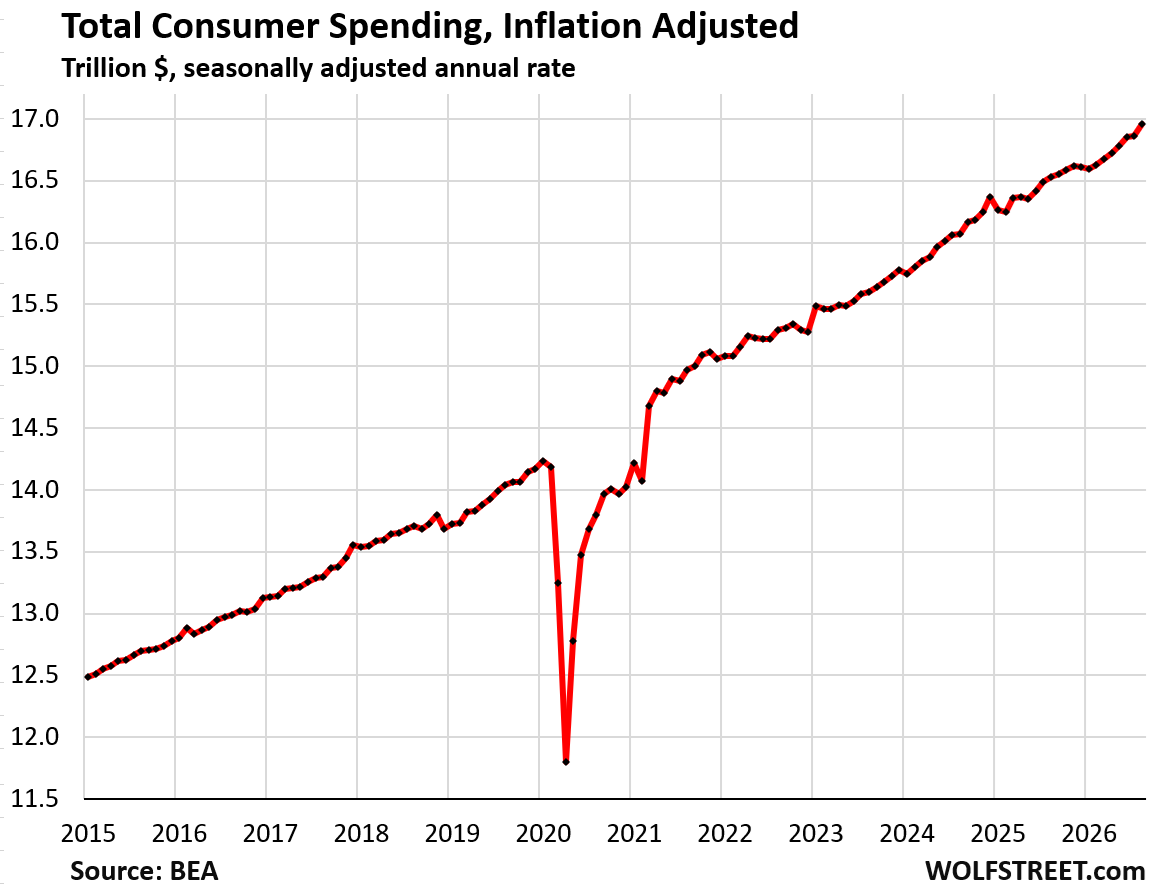


US Consumer Spending Hits 12-Month High | Sellers Face Demand Cliff Risk
- August 2026 PCE surges 0.86% monthly while savings plummet 10.99%, signaling unsustainable consumption financed by credit depletion—critical for Amazon, Shopify sellers targeting US market





















Overview
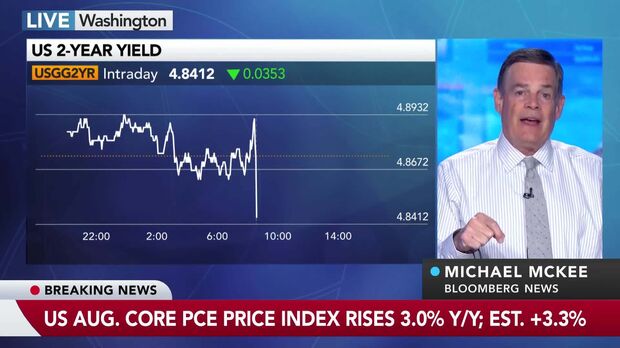
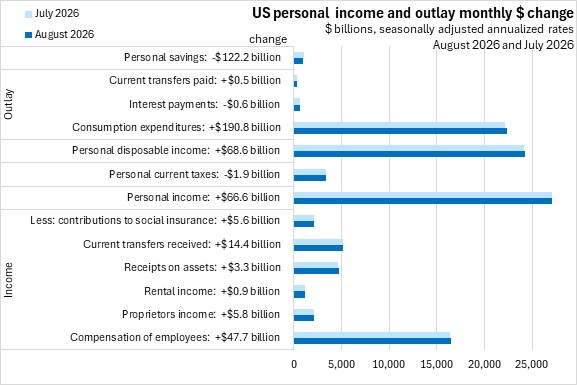
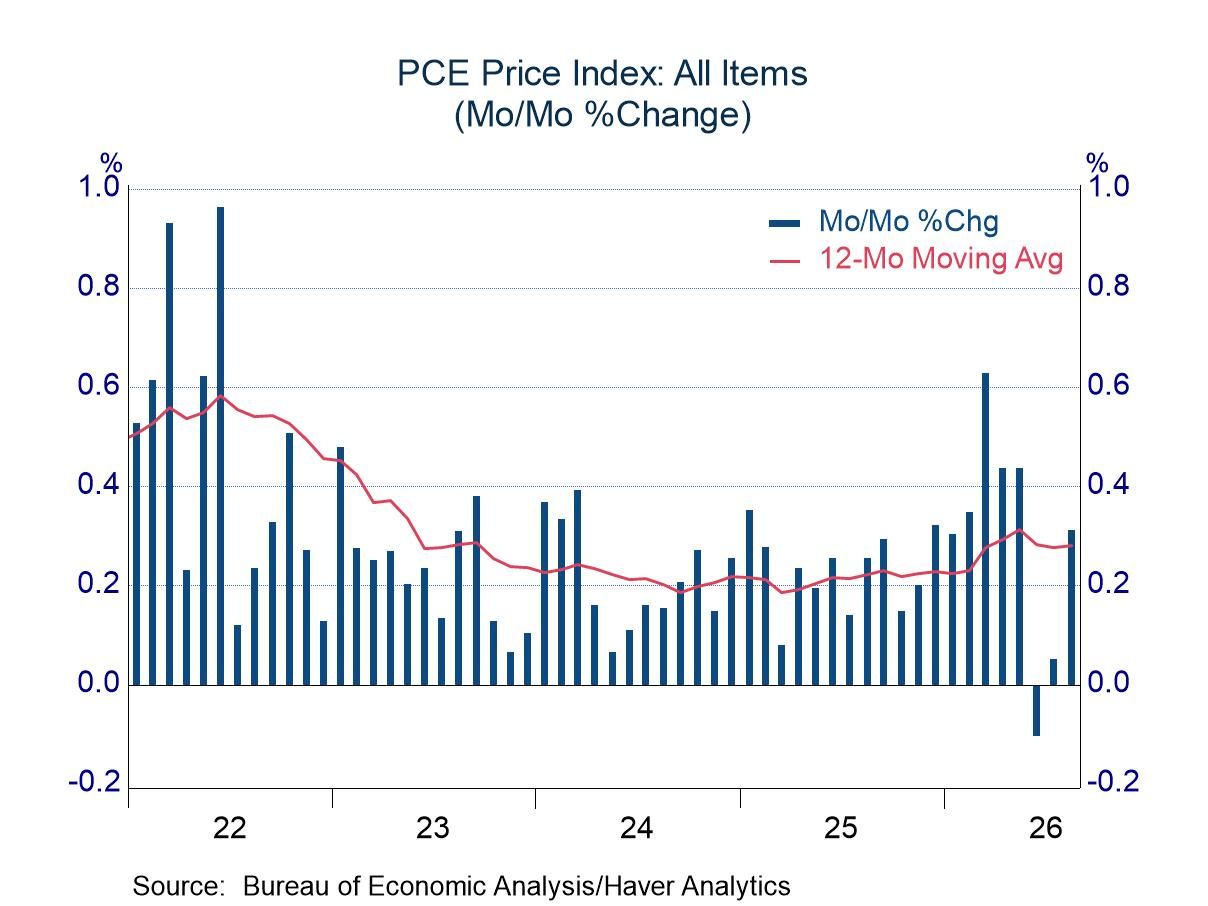
The US economy is experiencing a paradoxical spending surge masked by deteriorating financial fundamentals that directly threaten cross-border e-commerce sellers' revenue stability. According to August 2026 data from the Bureau of Economic Analysis and Finance & Treasury Board, nominal consumer spending jumped 0.86% monthly and 6.1% annually to $22.3 trillion, with core PCE rising 0.2%—the fastest pace in 12 months. However, this headline strength conceals a critical vulnerability: US personal savings declined $122.2 billion (-10.99%) in August alone, with the savings rate collapsing to 4.1% of disposable income. Year-to-date analysis reveals the structural problem: personal income grew only 4.5% (January-August 2026 vs 2025), while PCE accelerated 5.7%, with savings declining 11.8%—meaning consumers are spending more than they earn for 8 of the last 12 months.
For cross-border sellers, this spending pattern creates a two-phase opportunity-risk scenario. The immediate phase (next 2-4 weeks) presents genuine demand tailwinds: durable goods spending surged 6.4% year-over-year, driven by recreational goods (+8.8%), vehicles (+7.3%), and furnishings (+5.9%), while food services and accommodation spending rose 5.2% annually. Sellers in home goods, recreational equipment, and automotive accessories categories should capitalize on this peak demand window through aggressive inventory positioning and PPC campaigns. However, the financial deterioration signals a demand cliff approaching within 3-6 months. With savings depleted and credit-dependent consumption unsustainable, the Federal Reserve faces pressure to maintain or raise rates (core PCE inflation at 3.0-3.4%), which will compress consumer purchasing power precisely when savings buffers are exhausted. This creates a cash flow crisis for sellers: high inventory carrying costs during the demand peak, followed by rapid demand contraction when credit tightens.
The payment and financing implications are severe. Sellers currently enjoying strong order volumes face working capital compression: inventory turnover will slow dramatically once demand softens, extending cash conversion cycles from typical 45-60 days to 90+ days. Cross-border sellers using traditional payment methods (wire transfers, credit card processing at 2.5-3.5% fees) will see margin erosion accelerate. The opportunity window for supply chain finance optimization is closing rapidly—sellers should immediately lock in invoice financing or PO financing at current rates (typically 1.5-2.5% monthly for 30-60 day terms) before lenders tighten credit in response to consumer savings depletion signals. Currency exposure also intensifies: USD strength (driven by rate expectations) benefits sellers receiving USD payments but penalizes those with manufacturing costs in CNY, INR, or VND. FX hedging costs are rising; sellers should execute 3-6 month forward contracts immediately rather than waiting for demand signals.
Questions 8
Should sellers increase inventory now or reduce exposure given the demand cliff risk?
The optimal strategy is selective inventory increase in high-velocity, high-margin categories (durable goods, recreational equipment, furnishings) combined with aggressive reduction in slow-moving or commodity categories. Specifically: (1) Increase inventory by 15-25% in categories with 6.4%+ annual growth (durable goods) and 20%+ margins, targeting a 30-45 day inventory turnover. (2) Reduce inventory by 20-30% in categories with <3% growth or <15% margins, targeting a 60-90 day inventory turnover to minimize carrying costs. (3) Implement dynamic pricing: use Amazon's automated pricing tools or Shopify apps to adjust prices downward by 5-10% in September-October to accelerate turnover before demand softens. (4) Lock in financing for the inventory increase immediately—supply chain financing at 1.5-2.5% monthly is cheaper than carrying excess inventory at FBA storage fees of $0.87-3.87/unit/month. The critical timing window is the next 2-4 weeks; sellers who delay will miss the demand peak and face inventory obsolescence.
What payment optimization strategies should sellers implement immediately?
Cross-border sellers should execute three financial moves within the next 2 weeks: (1) Lock in invoice financing or PO financing at current rates (1.5-2.5% monthly for 30-60 day terms) to cover the working capital gap when demand softens. Traditional payment methods (wire transfers at 1-2% fees, credit card processing at 2.5-3.5%) will become expensive relative to supply chain finance. (2) Execute 3-6 month FX forward contracts to hedge USD exposure—USD strength is likely as the Federal Reserve maintains higher rates in response to inflation signals. Hedging costs are currently 0.5-1.2% annually; waiting will increase costs. (3) Evaluate alternative payment corridors: sellers with manufacturing in Asia should consider using regional payment hubs (Singapore, Hong Kong) to reduce cross-border payment fees from 2-3% to 0.8-1.2%. Stripe and Wise offer competitive rates for Asia-to-US corridors.