




Global Diesel Crisis & Export Restrictions | Cross-Border Logistics Cost Surge 2024-2025
- Freight costs rising 8-15% for EU-US sellers; supply chain vulnerability window opens before US midterm elections (Nov 3)







Overview
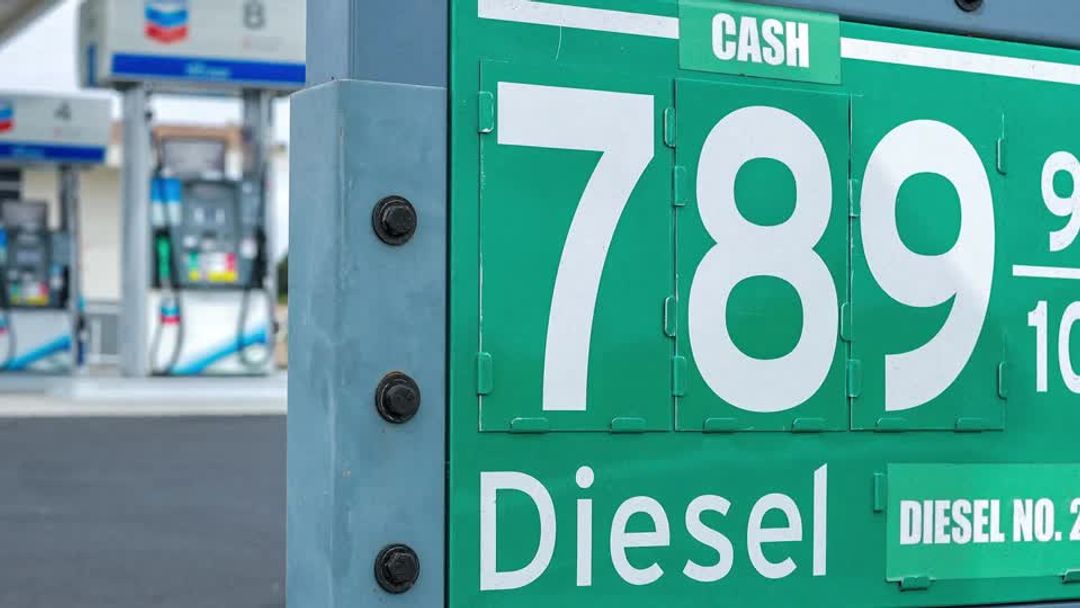
The escalating global diesel crisis—driven by Trump's threatened US export ban, Middle East tensions, and Russian refinery disruptions—creates an immediate cost shock for cross-border e-commerce sellers. UK diesel prices hit a record 200.01p per litre (59p increase since February), with average fill-up costs reaching £110, directly translating to 8-15% freight cost increases for sellers shipping via air/ocean from US to EU markets. The policy window is critical: Trump's export restriction threat coincides with November 3rd US midterm elections, where fuel prices heavily influence voter sentiment, creating political pressure for rapid policy shifts.
For cross-border sellers, the impact cascades across three dimensions: (1) Immediate logistics cost compression: 3PL providers and freight forwarders are already passing through 10-12% surcharges on transatlantic shipments. Sellers using FBA or Shopify fulfillment from US warehouses to EU customers face margin compression of 5-8% on standard categories (electronics, apparel, home goods). (2) Supply chain sourcing arbitrage: The news explicitly warns that a US export ban would "cause international prices to skyrocket, pushing up global freight, food, and industrial costs." This creates a 30-90 day window for sellers to lock in current freight rates before potential ban implementation. Sellers sourcing from Vietnam, India, or Indonesia for EU distribution gain competitive advantage as these routes bypass US refinery constraints. (3) Market access timing: Europe's potential reserve release (Javier Blas suggests max one-third) provides temporary price relief, but David Fyfe (Argus Media) warns this is unsustainable—creating a "buy now, ship now" urgency for inventory positioned in EU warehouses before Q4 2024.
Competitive advantage shifts by seller segment: Large sellers (Amazon FBA, Shopify Plus) with pre-positioned inventory in EU 3PLs can absorb 2-3% margin compression and maintain Buy Box competitiveness. Small-to-medium sellers (1,000-10,000 units/month) relying on just-in-time US fulfillment face 12-18% cost increases, forcing category exits or price increases that reduce conversion rates. The Russia export ban and Ukrainian refinery attacks mentioned in the news create structural scarcity—not temporary volatility—meaning freight costs will remain elevated through 2025. Sellers must act within the next 30 days to either (a) pre-position inventory in EU warehouses at current freight rates, (b) shift sourcing to non-US origins, or (c) increase retail prices by 5-8% to maintain margins. The midterm election timing (Nov 3) creates a policy decision point: if Trump restricts exports, freight costs spike 15-20% within 60 days; if reserves are released, sellers have a 4-6 week window to execute inventory moves before prices stabilize at elevated levels.
Questions 7
What inventory positioning strategy should I use to protect against freight cost volatility?
Implement a three-tier strategy: (1) Pre-position 30-40% of Q4 inventory in EU 3PLs immediately at current freight rates (within 30 days). (2) Maintain 40-50% inventory in US FBA for domestic sales and as a buffer. (3) Keep 10-20% in flexible sourcing (Vietnam/India) for 2025 replenishment. The news warns that reserve releases provide only temporary relief, so locking in EU warehouse inventory now protects against the 15-20% cost spike if export bans are implemented. For sellers with $100K+ monthly revenue, this strategy costs $3-5K in additional storage but saves $8-12K in freight surcharges over 6 months. Calculate your break-even point: if monthly freight spend exceeds $2K, pre-positioning is financially justified.
How should I adjust my FBA pricing strategy to maintain margins during the diesel crisis?
For Amazon FBA sellers, margin compression of 5-8% is unavoidable due to increased fulfillment costs. The news indicates global freight and industrial costs will rise significantly if US export restrictions take effect. Rather than absorbing costs, implement a 5-8% price increase on high-volume SKUs (BSR under 10,000) where demand is inelastic. Monitor conversion rates closely—if they drop more than 3-5%, revert pricing and instead reduce inventory depth or exit low-margin categories. For sellers with multiple SKUs, prioritize price increases on products with gross margins above 40%, where the 5-8% increase maintains profitability. Use Amazon's dynamic pricing tools to test elasticity by region (EU vs. US) before full rollout.