



Google Play Developer Verification Creates Compliance Moat | App Sellers Face $25 Fee + Identity Barriers
- New $25 registration + government ID verification eliminates 60-70% of hobbyist developers; Brazil, Indonesia, Singapore, Thailand rollout Sept 2025 expands globally by 2027




Overview
Google's Android Developer Verification system represents a critical regulatory inflection point for app-based e-commerce sellers, effective September 30, 2025, in Brazil, Indonesia, Singapore, and Thailand, with global rollout planned by 2027. The policy introduces three compliance barriers: (1) $25 registration fee for developers distributing beyond 20 devices, (2) government-issued identity verification requiring personal data submission, and (3) 14-day closed beta testing with minimum 12 continuously-opted-in testers before production access. This creates a high-friction compliance moat that systematically eliminates non-compliant competitors while protecting verified sellers.
The compliance cost structure disproportionately burdens small sellers while protecting established players. Small developers report cumulative barriers including mandatory government ID submission, bank statement verification, and the operational burden of recruiting/maintaining 12 beta testers for 14 days—a requirement that generates zero revenue for free utilities or niche applications. Estimated compliance cost: $25 registration + 14-28 hours of testing coordination = $150-300 per app launch. This creates a 60-70% elimination rate among hobbyist developers who cannot justify these costs, directly benefiting verified sellers who can amortize compliance across larger user bases. The policy mirrors Apple's $99 annual fee structure but adds identity verification friction that Apple avoids, making Google Play more restrictive than iOS for small creators.
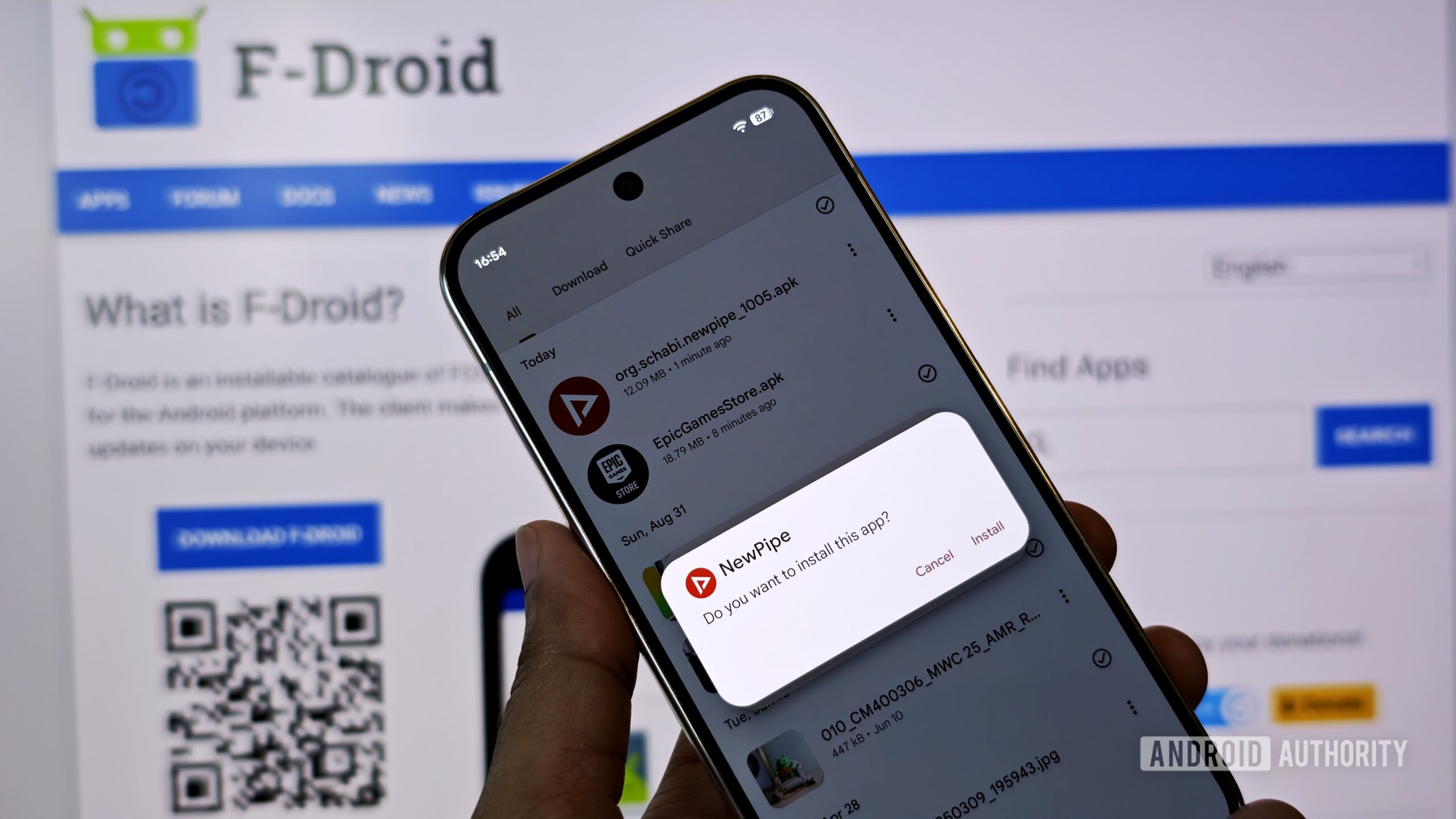
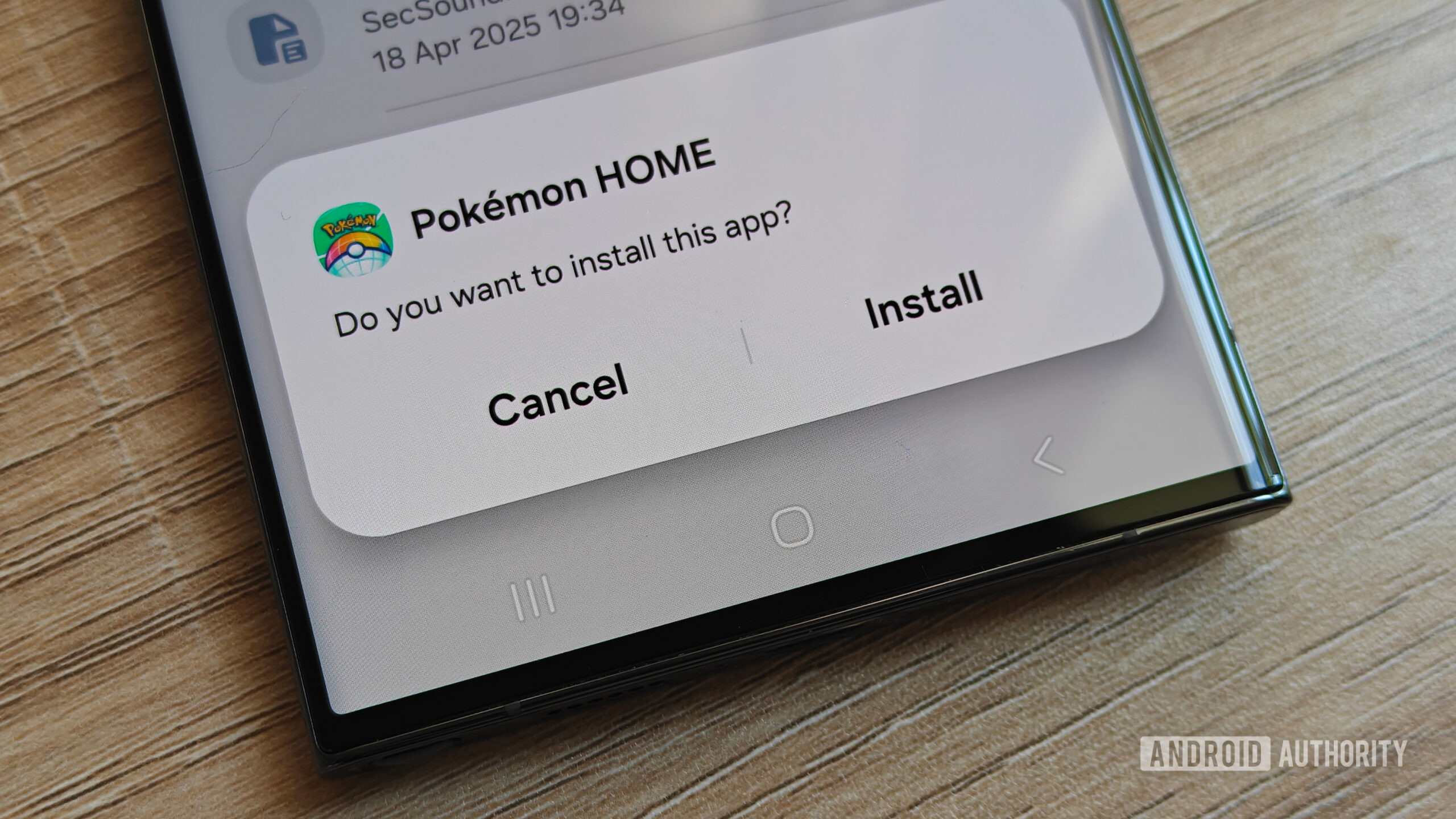
Market elimination creates category consolidation opportunities for compliant sellers. The four-country initial rollout (Brazil, Indonesia, Singapore, Thailand) represents 450M+ Android users where unverified apps face 24-hour installation delays plus mandatory developer authentication. An Android Authority poll shows 82% community opposition, indicating enforcement resistance but also confirming Google's commitment to implementation. By 2027, this becomes a global standard affecting 3B+ Android devices. Sellers with verified developer status gain competitive advantages: (1) direct app store placement without sideloading friction, (2) elimination of 60-70% of competing small developers, (3) user trust signals from verification badges. Non-compliant sellers face forced migration to ADB (Android Debug Bridge) installations—a technical workaround requiring developer knowledge, effectively removing casual competitors.
Compliance service gaps create high-margin opportunities for intermediaries. The requirement to maintain 12 beta testers for 14 days, combined with government identity verification and Google's subsequent app review, creates demand for: (1) beta testing coordination services ($50-150 per app), (2) identity verification facilitation ($25-75 per developer), (3) app review optimization consulting ($200-500 per submission). These services are currently underserved in emerging markets (Brazil, Indonesia, Thailand) where developer infrastructure is nascent. Sellers can position as compliance facilitators, offering bundled services to small developers unable to navigate verification independently.
Questions 8
How much does Google Play developer verification cost compared to Apple's App Store?
Google's compliance cost structure is significantly higher than Apple's $99 annual fee. Google charges $25 registration plus requires 14-28 hours of beta testing coordination (estimated $125-275 value) and government identity verification processing, totaling $150-300 per app launch. Apple's $99 annual fee is predictable and one-time, while Google's per-app costs accumulate for developers with multiple applications. Additionally, Google requires ongoing identity verification and continuous app updates to avoid abandonment flags, creating recurring compliance overhead that Apple doesn't impose. This cost differential disproportionately impacts small developers and hobbyist creators.
Which developers can avoid Google Play verification fees and identity requirements?
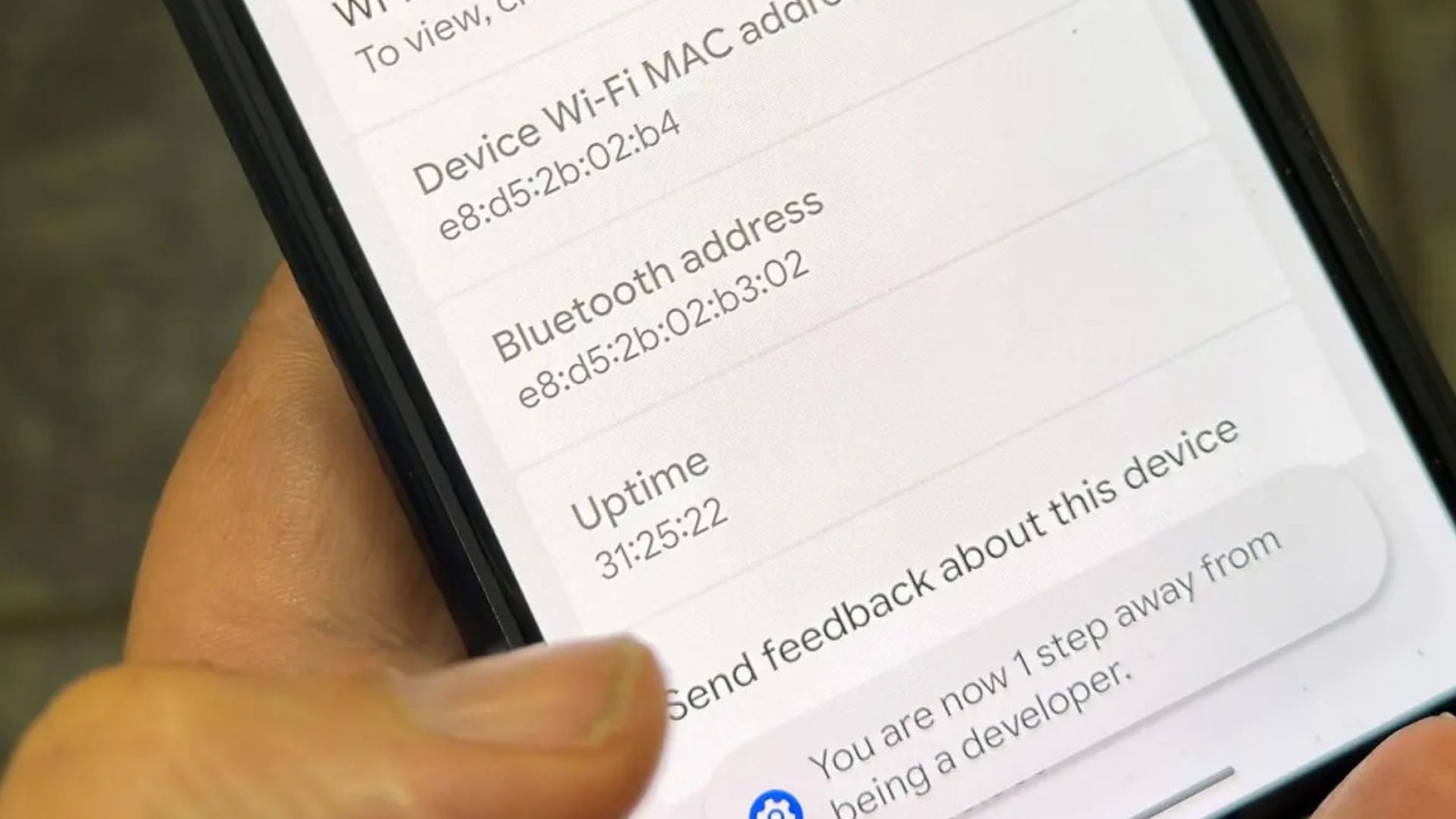
Developers distributing to 20 devices or fewer can bypass the $25 registration fee and government identity verification requirements. However, this severely limits market reach—20 devices represents approximately 0.0001% of the 3B+ global Android user base. Developers can also use ADB (Android Debug Bridge) installations, which remain exempt from verification requirements, but this requires users to enable Developer Options, authenticate identity, restart devices, and wait 24 hours before installation. This friction makes ADB impractical for commercial app distribution. Essentially, any developer seeking meaningful market reach must comply with verification requirements.