


US-Korea Trade Credibility Crisis | Energy Policy Uncertainty Signals Broader Tariff Volatility for Sellers
- Diplomatic miscommunication reveals unreliable policy signaling; sellers face heightened tariff/trade agreement uncertainty affecting sourcing strategies and market access timelines




Overview
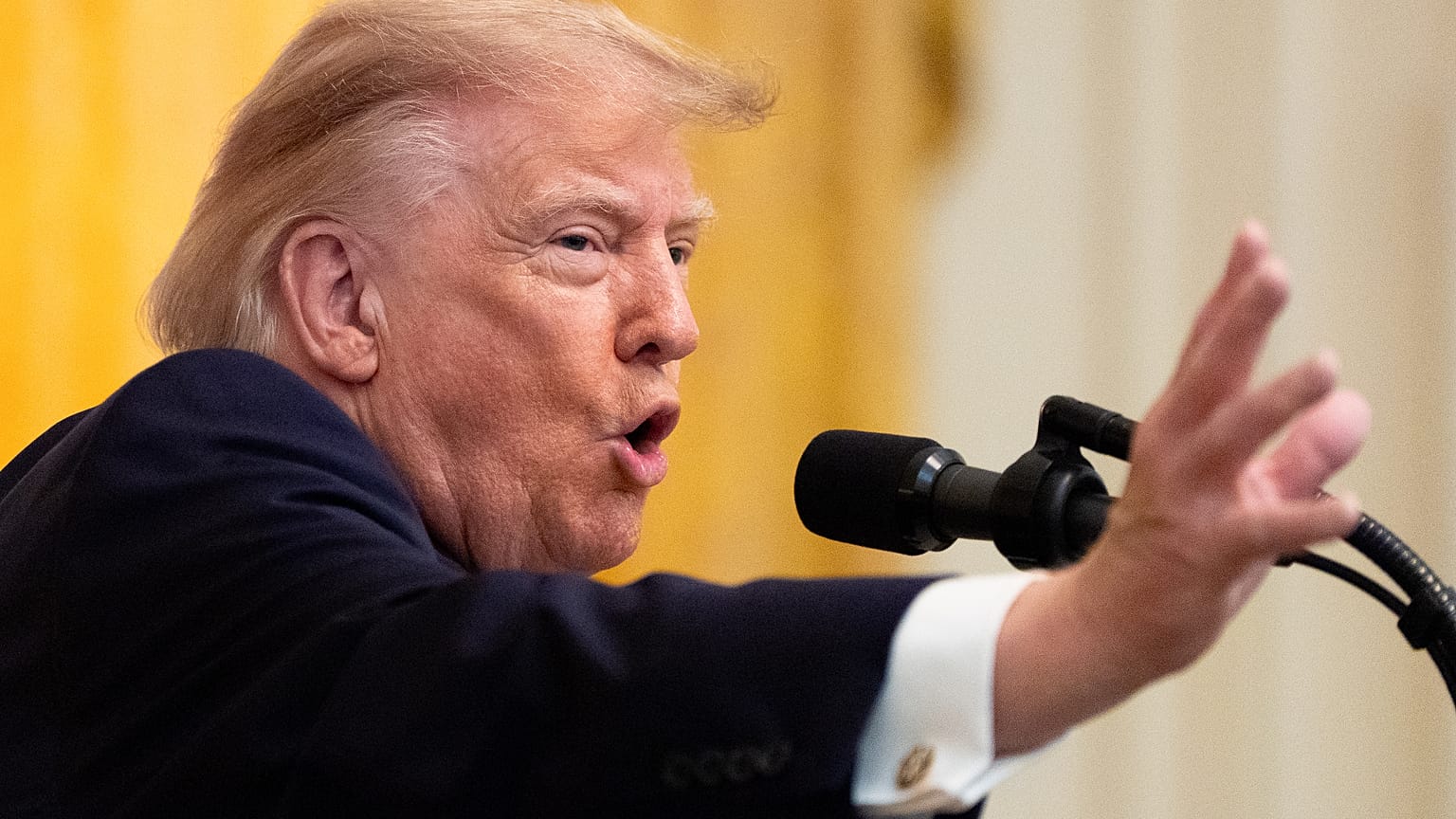
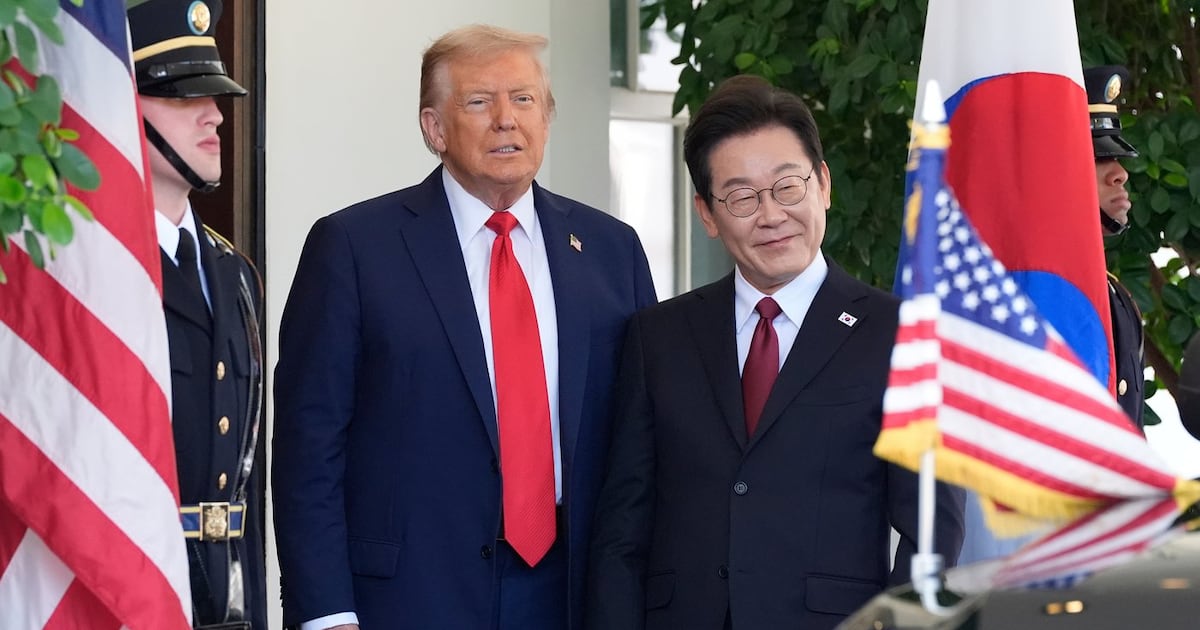
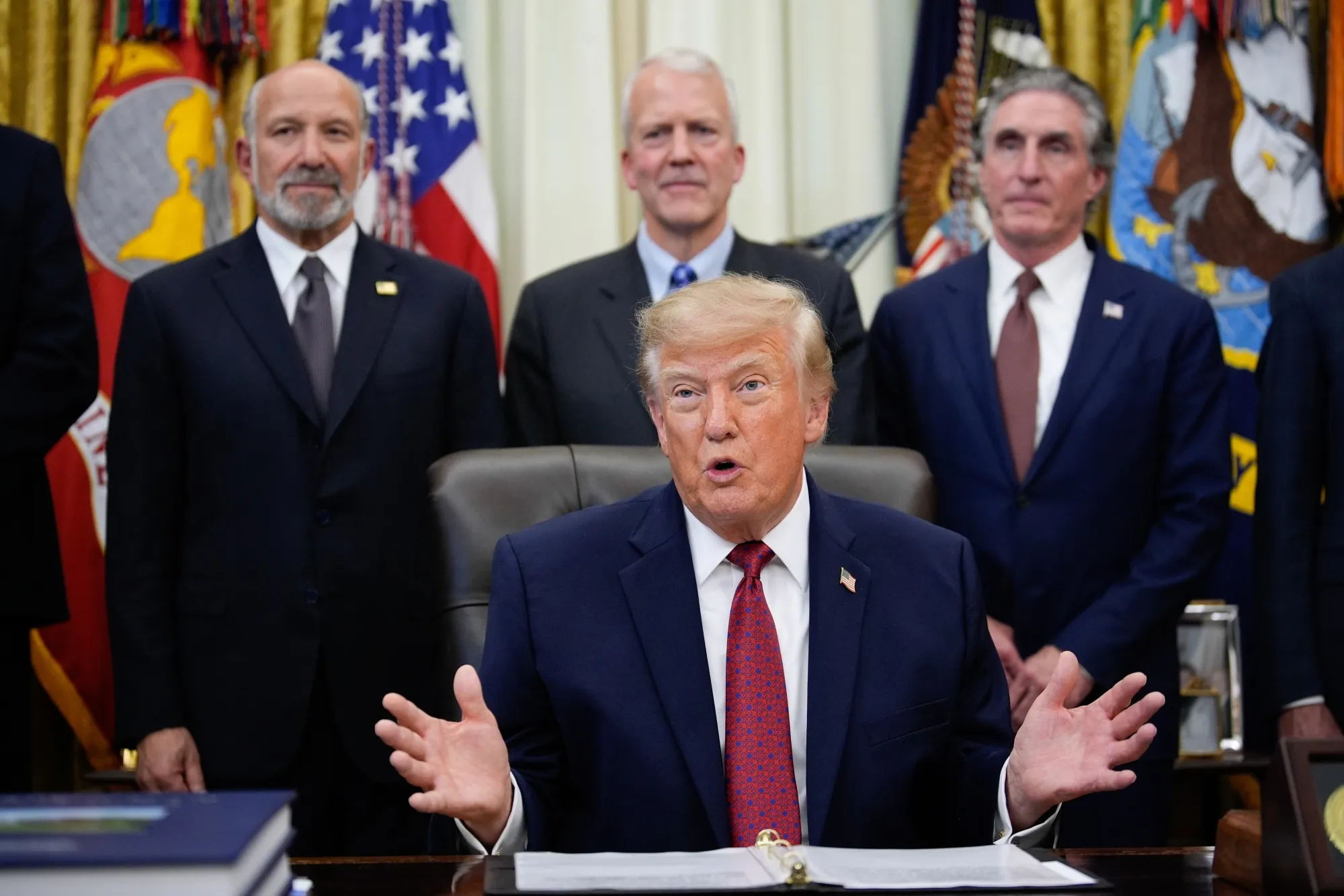
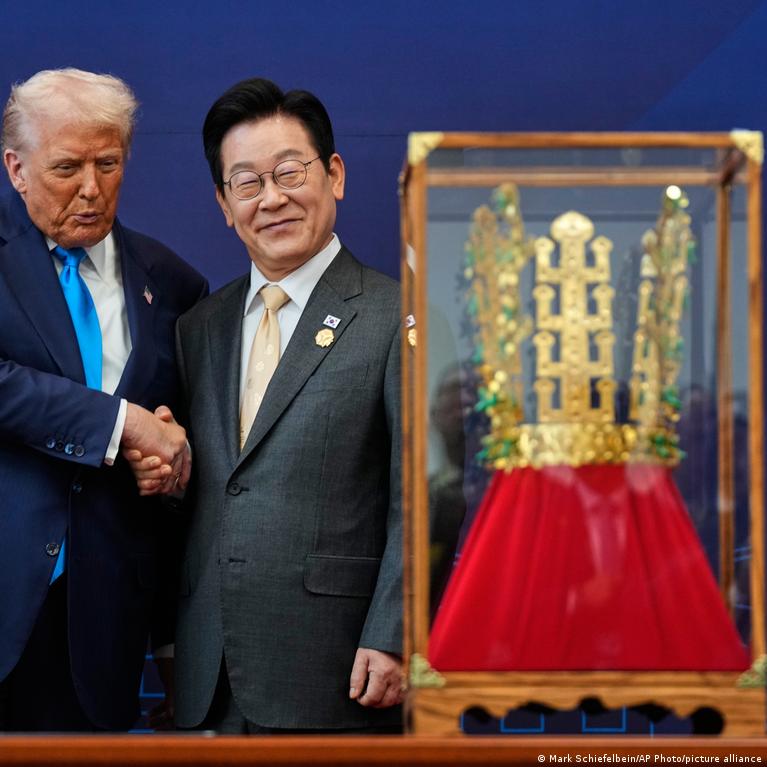
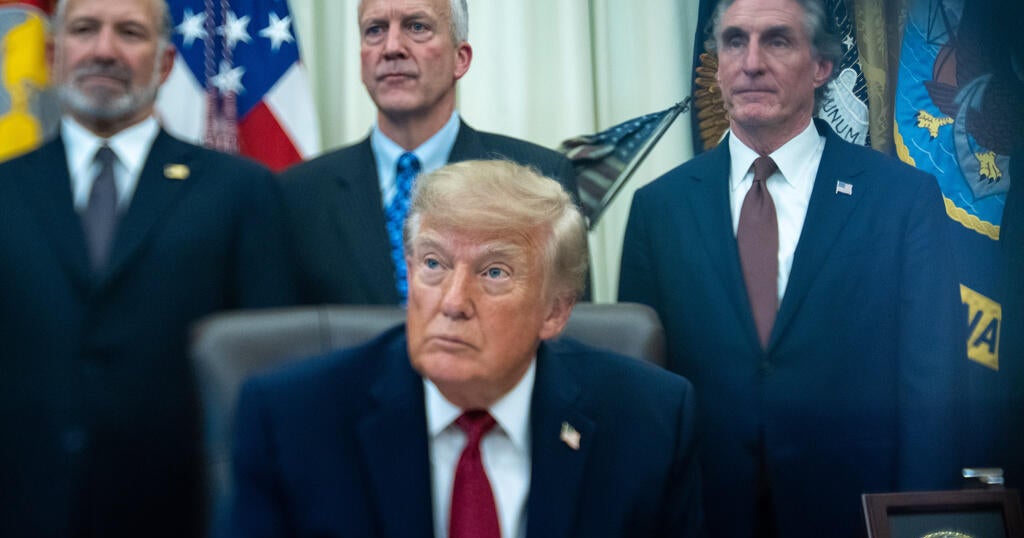
The public contradiction between Trump's $54 billion Korean investment claim and Seoul's denial of any committed investment represents a critical credibility breakdown in US-Korea trade relations. South Korea's industry minister Kim Jung-kwan explicitly stated Korea "has not agreed to invest $54 billion" and "has not committed to any investment level whatsoever," directly refuting Trump's White House announcement. This incident—occurring during Alaska Senator Dan Sullivan's competitive re-election campaign—exposes how geopolitical announcements can be weaponized for domestic politics while undermining the reliability of trade policy signals that cross-border sellers depend on.
For e-commerce sellers, this credibility gap has immediate implications for tariff and trade policy planning. When US government officials make contradictory claims about major trade commitments, it signals that announced tariff reductions, market access agreements, or trade deal timelines may not materialize as stated. Sellers relying on Trump administration announcements about Korea-US trade improvements, tariff exemptions on Korean-sourced electronics/appliances, or preferential market access should treat such claims as exploratory rather than confirmed policy. The Korean government's emphasis that its involvement is "contingent on commercial viability and compliance with South Korean legal procedures" mirrors how trade agreements typically require legislative approval—a step often omitted from political announcements.
The operational impact extends to sourcing strategy and inventory planning. Sellers currently sourcing from Korea (electronics, semiconductors, automotive parts, appliances—categories where Korea is a top-5 supplier to US markets) face uncertainty about whether announced tariff benefits will materialize. If US-Korea trade relations deteriorate due to this credibility breakdown, tariff rates on Korean imports could remain elevated or increase. Conversely, if the pipeline investment eventually proceeds, energy costs in Alaska could decline, potentially benefiting sellers with logistics operations in the region. The 6-12 month timeline for "finalizing details" on the actual agreement creates a window where tariff rates remain in flux—making it risky to commit to Korean sourcing without hedging strategies.
Sellers should immediately audit their reliance on announced-but-unconfirmed trade policy benefits. This incident demonstrates that political announcements lack the binding force of formal trade agreements. For sellers in electronics, appliances, and industrial goods categories (where Korea supplies 15-25% of US imports), the prudent approach is to: (1) assume current tariff rates remain in effect until formal legislation passes, (2) diversify sourcing to Vietnam, India, or Taiwan to reduce Korea-specific tariff risk, and (3) monitor official US Trade Representative statements rather than presidential announcements for reliable policy signals. The timing of this contradiction during a political campaign suggests future trade announcements may prioritize electoral messaging over accuracy—a risk factor sellers must price into their supply chain decisions.
Questions 7
What immediate actions should sellers take in response to this trade policy credibility crisis?
Implement a three-step response: (1) Audit current sourcing—identify all products sourced from Korea and calculate tariff exposure by HS code using the US International Trade Commission database; (2) Develop alternative suppliers in Vietnam, India, and Taiwan for 20-30% of Korean-sourced volume within 60 days; (3) Establish a trade policy monitoring protocol—subscribe to USTR email alerts and review official announcements monthly rather than relying on media reports. Avoid making major sourcing commitments based on announced tariff reductions until formal legislation passes. For inventory planning, assume current tariff rates remain in effect through Q3 2025. Negotiate price adjustments with Korean suppliers to share tariff risk rather than absorbing potential increases unilaterally.
How does this incident affect seller confidence in US trade policy more broadly?
The Korea pipeline contradiction signals that geopolitical announcements may be weaponized for domestic politics, reducing the reliability of trade policy signals. Sellers relying on announced tariff reductions, market access agreements, or preferential trade terms should treat such claims as exploratory rather than confirmed. This credibility breakdown increases the risk premium sellers should apply to trade policy planning—essentially pricing in a 20-30% probability that announced benefits won't materialize. Sellers should shift from reactive (responding to announcements) to proactive (diversifying sourcing, building tariff hedges, monitoring official channels) trade policy management. The incident suggests a structural shift toward greater trade policy uncertainty that will persist through 2025-2026.