


Intelligence Warfare Redefined: Britain's Strategic Pivot in a Hybrid Threat Landscape
- MI6's technological transformation signals a critical response to Russia's evolving geopolitical disruption
Overview
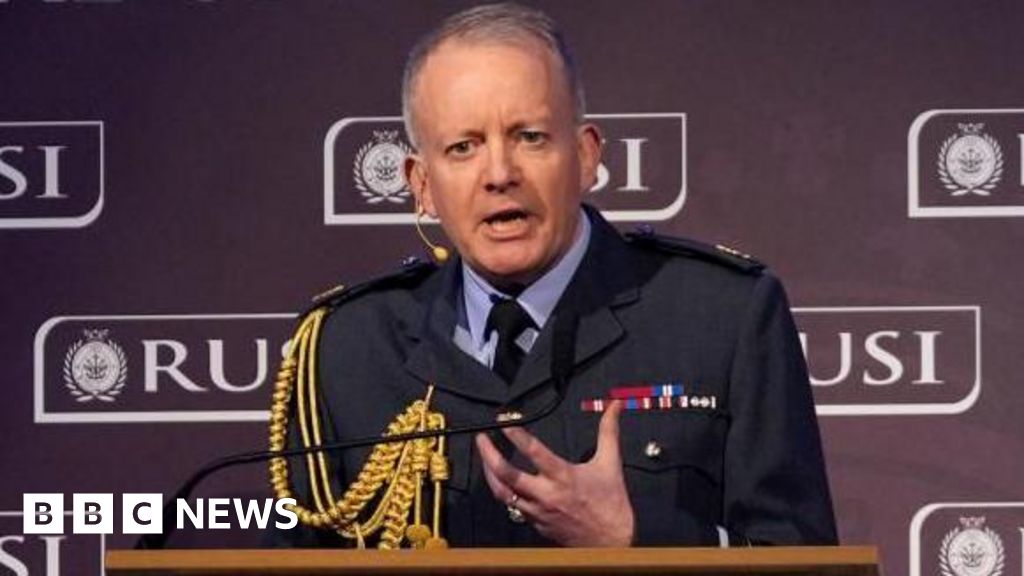
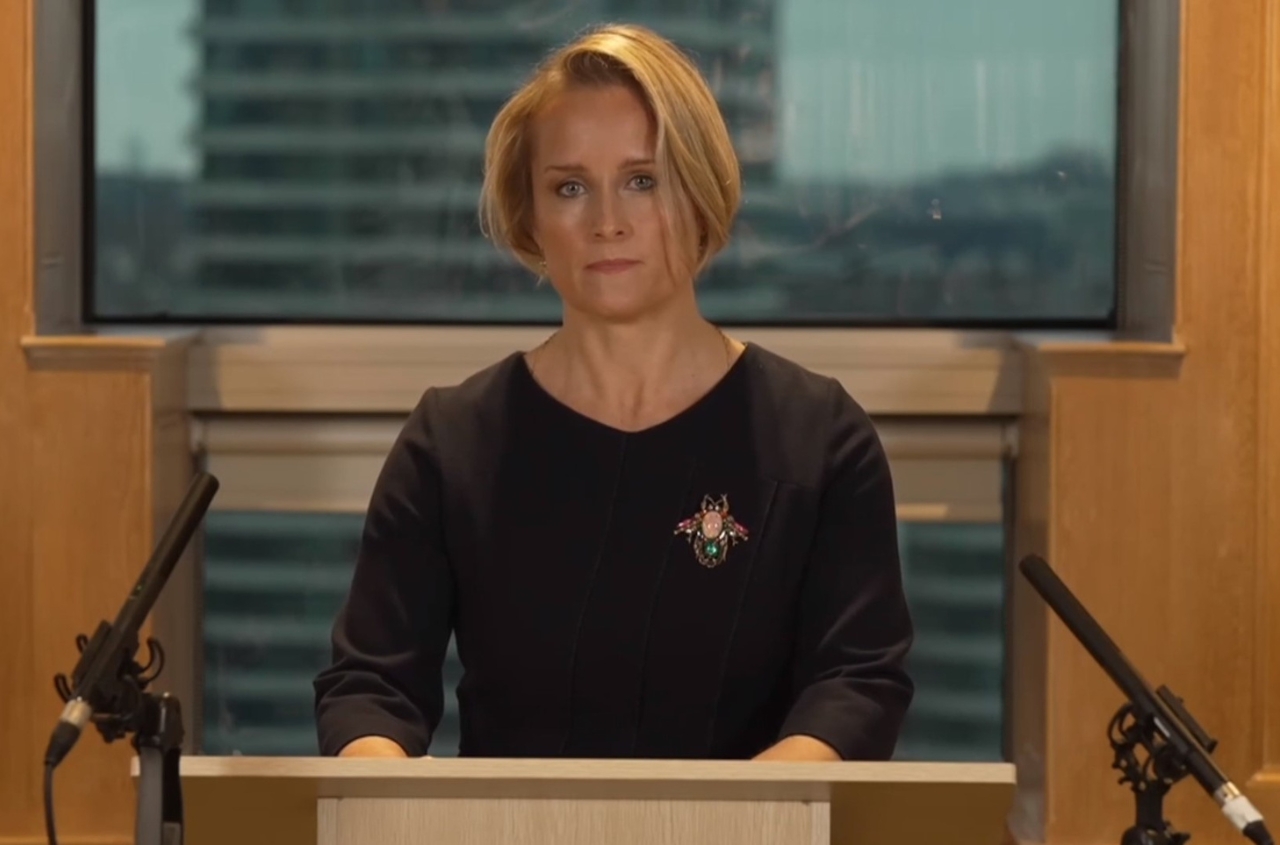
The emergence of a new geopolitical battleground is crystallizing through Britain's intelligence transformation, with hybrid warfare becoming the defining strategic challenge of our era. MI6's first female chief, Blaise Metreweli, has delivered a watershed moment that transcends traditional national security paradigms, revealing a complex landscape where technological fluency is now as critical as human intelligence gathering.
Technological Adaptation as National Security Strategy: Metreweli's inaugural speech represents more than a leadership transition—it's a fundamental reimagining of intelligence operations. By emphasizing that agents must be as comfortable with Python programming as traditional espionage techniques, she signals a profound shift. The new geopolitical frontline is no longer defined by physical borders, but by interconnected technological domains where cyber operations, disinformation campaigns, and hybrid attacks create a perpetual state of strategic uncertainty.
Russia's Deliberate Chaos Doctrine: At the core of this transformation is a strategic assessment of Russia's evolving threat model. Metreweli explicitly characterized Russian tactics as a deliberate strategy of exporting chaos through multidimensional attacks. This isn't traditional warfare, but a sophisticated approach designed to destabilize through technological and informational means. The hybrid warfare framework suggests a precarious global environment where traditional diplomatic and military responses are increasingly obsolete.
Strategic Self-Reliance Emerges: Perhaps most tellingly, Metreweli's speech emphasized Britain's need to rely more on itself, signaling a potential fracturing of traditional international security alliances. This recommendation stems from a nuanced understanding that the current global security environment is fundamentally reshaping traditional geopolitical relationships. The implication is clear: nations must develop autonomous technological and intelligence capabilities that can rapidly adapt to emerging threats.
The strategic significance cannot be overstated. MI6's recalibration represents a blueprint for how advanced intelligence agencies must evolve—moving from reactive defense to proactive, technology-driven strategic positioning in an era of persistent, ambiguous conflict.
Questions 3
How is MI6 changing its approach to intelligence gathering?
MI6 is shifting towards a technology-driven model where intelligence officers must be as proficient in programming and cyber skills as traditional human intelligence techniques. This means embracing digital tools, understanding complex technological landscapes, and developing capabilities to counter hybrid warfare tactics.
What makes Russia's current threat strategy unique?
Russia is employing a 'chaos export' strategy using hybrid attacks that blend cyber operations, disinformation campaigns, and strategic disruption. Unlike traditional military confrontations, these tactics aim to destabilize through technological and informational means, creating persistent strategic uncertainty.