




G7 Releases 100M Barrels Diesel | Cross-Border Logistics Cost Relief
- Diesel prices fall $0.05/gallon immediately; FBA shipping costs expected to drop 3-8% within 4-6 weeks for US/EU sellers






























Overview
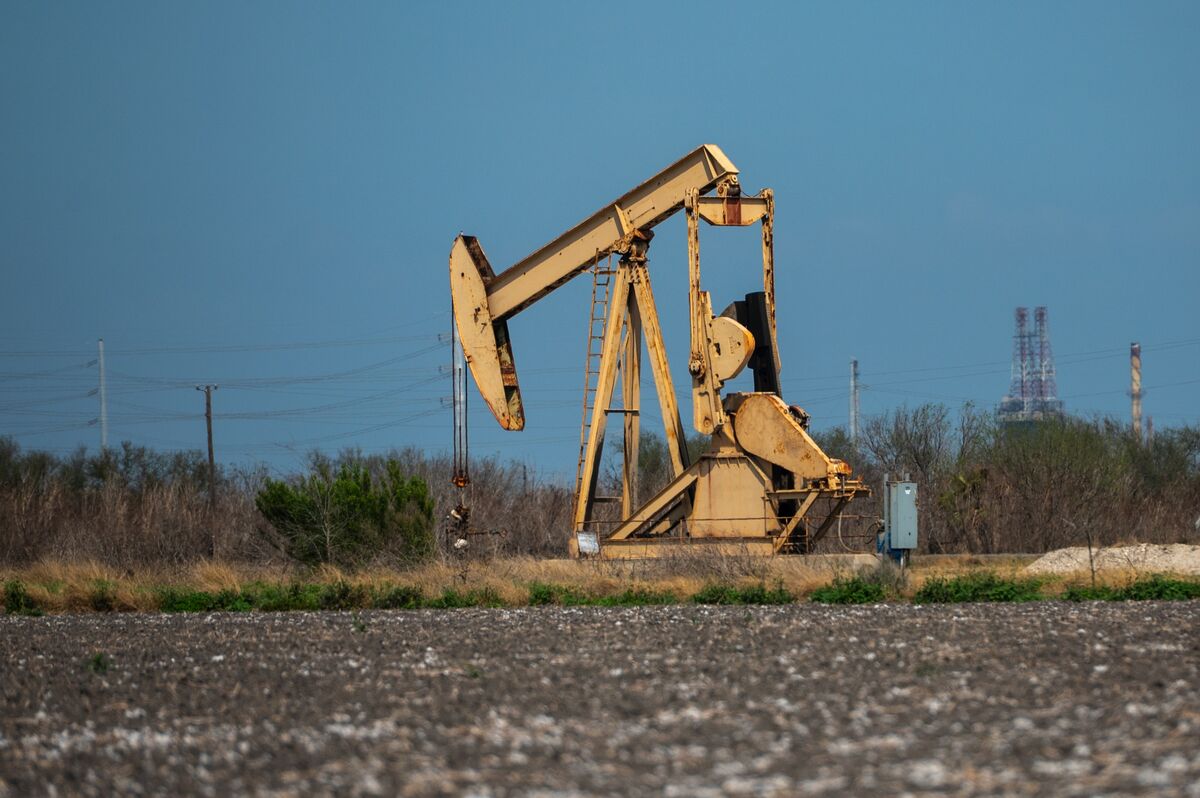
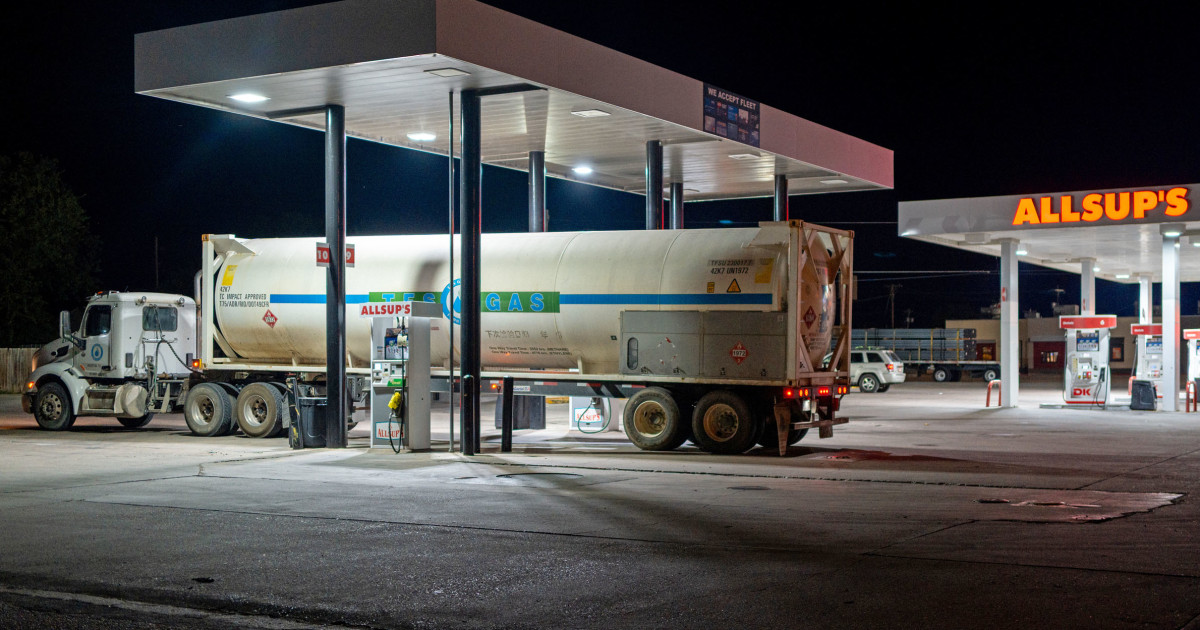
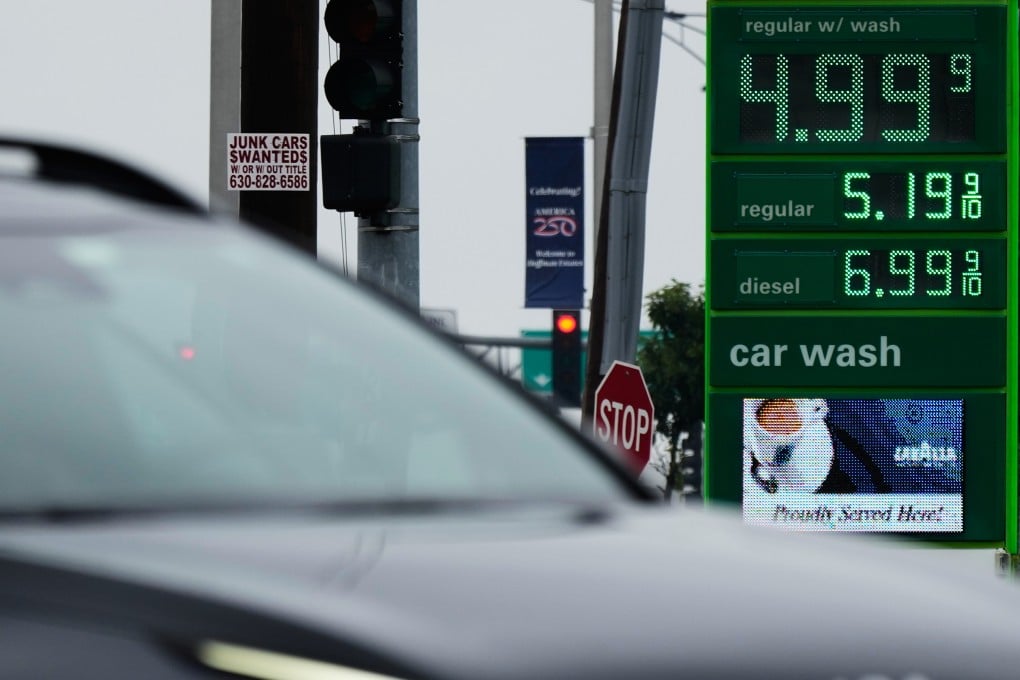
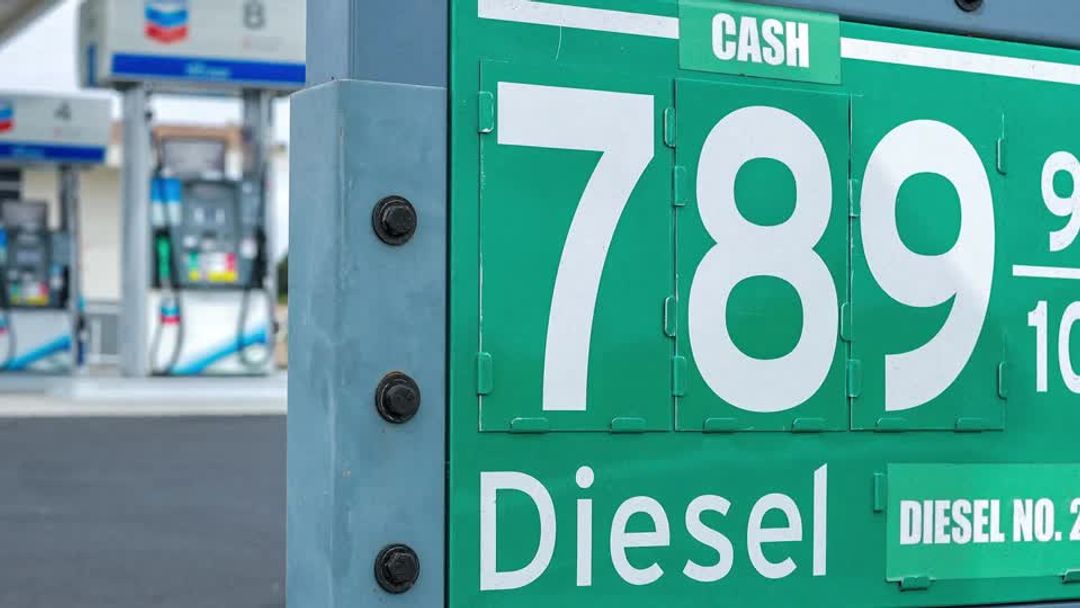
The G7 nations (US, UK, France, Germany, Italy, Japan, Canada) announced a coordinated release of 100 million barrels of oil and diesel fuel over four months, with a "frontloaded substantial diesel release" within the first 20 days, directly addressing surging global fuel prices exacerbated by the ongoing U.S.-Iran conflict. U.S. diesel prices topped $6 per gallon in recent weeks and averaged $4.64 per gallon before falling $0.05 immediately following the announcement, signaling market confidence in supply stabilization. This policy intervention carries profound implications for cross-border e-commerce sellers, particularly those dependent on energy-intensive logistics operations.
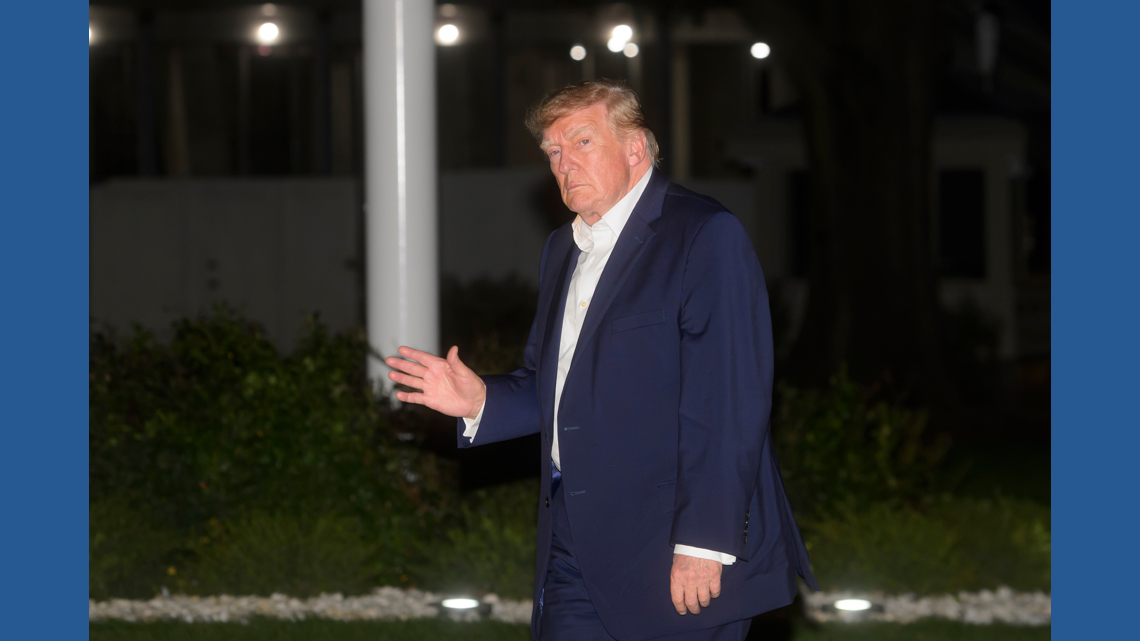
Immediate Impact on Seller Economics: Diesel fuel represents 15-25% of total fulfillment costs for FBA sellers and 20-30% for 3PL logistics providers. The coordinated reserve release targets price stabilization over 4-6 weeks, with analysts projecting diesel prices could decline an additional $0.15-0.30 per gallon as reserves flow into markets. For a mid-sized seller shipping 5,000 units monthly via FBA, this translates to potential monthly savings of $400-800 in fuel surcharges alone. European sellers face particular relief, as Europe's benchmark diesel prices have more than doubled since late February due to Russia's extended export ban and U.S. export leverage threats. The Trump administration's threat to ban U.S. diesel exports—critical given America's position as the world's largest diesel exporter—created artificial scarcity that compressed European seller margins by 8-12%.
Strategic Sourcing & Market Access Shifts: The policy reveals critical geopolitical leverage points affecting cross-border commerce. Russia's extended diesel export ban and potential Chinese restrictions create sourcing arbitrage opportunities for sellers positioned in non-sanctioned regions. Sellers currently sourcing from Vietnam, India, and Southeast Asia benefit from lower energy costs in these regions, creating 5-10% cost advantages versus China-based competitors. The U.S.-Iran conflict's eight-month duration has disrupted Middle Eastern crude flows, but the G7 intervention signals stabilization expectations. EU member states must maintain oil stocks equivalent to 90 days of net imports, creating regulatory certainty for European logistics planning. However, market analysts warn that indefinite inventory drawdowns without underlying supply improvements could create larger supply problems post-Q2 2025, suggesting sellers should lock in favorable shipping rates during the next 60-90 days before potential price rebounds.
Demand Volatility & Consumer Spending Headwinds: Simultaneously, U.S. labor market data indicates a deceleration in job creation, suggesting potential economic headwinds that could reduce consumer spending power and demand for imported goods. This creates a dual-pressure environment: while logistics costs decline, consumer purchasing may soften, particularly in discretionary categories (electronics, apparel, home goods). Sellers should anticipate 5-15% demand compression in Q2-Q3 2025 for non-essential categories, requiring aggressive inventory optimization and promotional strategies to maintain cash flow despite lower fulfillment costs.
Questions 8
How much will FBA shipping costs drop from the G7 diesel reserve release?
Amazon FBA fuel surcharges typically decline $0.03-0.08 per unit within 4-6 weeks following diesel price reductions of $0.15-0.30 per gallon. The G7's 100-million-barrel release over four months, with frontloaded delivery in the first 20 days, should reduce U.S. diesel prices by approximately $0.20-0.35 per gallon by mid-Q2 2025. For sellers shipping 5,000+ units monthly, this translates to $300-600 monthly savings in fuel surcharges. However, Amazon typically lags 2-3 weeks behind spot market price changes in adjusting FBA fees, so monitor Seller Central announcements closely. European sellers may see faster relief due to the acute diesel shortage (prices doubled since late February), potentially experiencing 5-8% fulfillment cost reductions within 6 weeks.
Which seller segments benefit most from this diesel price stabilization?
Mid-sized sellers (1,000-10,000 monthly units) and 3PL-dependent sellers benefit most, as fuel surcharges represent 20-30% of their logistics costs versus 8-12% for mega-sellers with negotiated rates. European sellers gain disproportionate relief due to the acute diesel shortage (benchmark prices doubled since late February), while U.S.-based sellers see moderate 3-5% cost improvements. Sellers in air freight and expedited shipping categories (electronics, perishables, time-sensitive goods) benefit more than standard ground shipping users. Conversely, sellers already locked into long-term fixed-rate shipping contracts see minimal immediate benefit, though contract renewals in Q2-Q3 2025 will reflect lower baseline costs. Sellers sourcing from Vietnam, India, and Southeast Asia gain competitive advantages over China-based competitors due to lower regional energy costs.