

Amazon's $1B Data Center Investment Strengthens FBA Infrastructure & Seller Service Reliability Through 2029
- $1 billion commitment over 5 years accelerates regional data center expansion, improving FBA fulfillment speeds and AWS reliability for 2M+ Amazon sellers globally












Overview
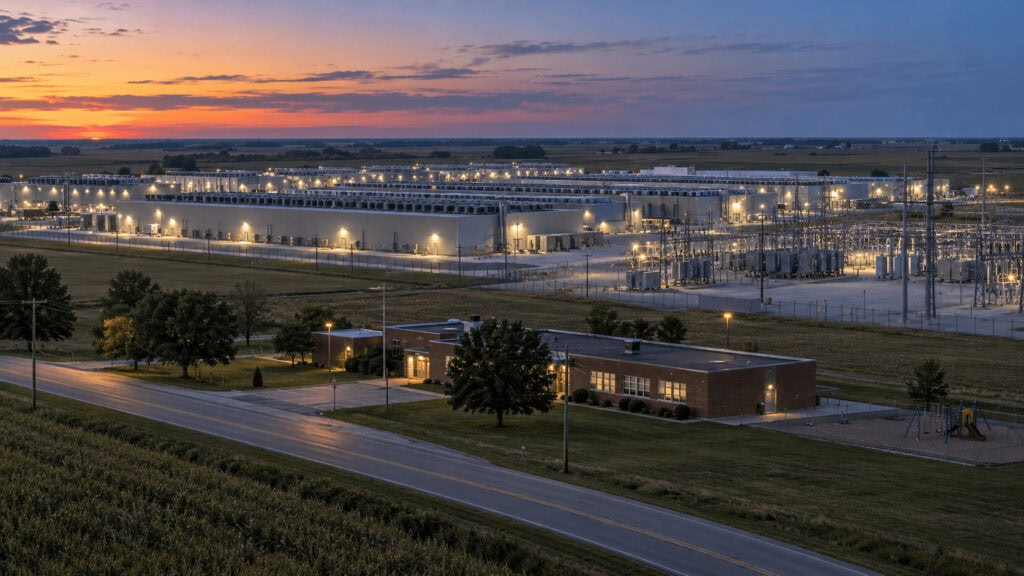
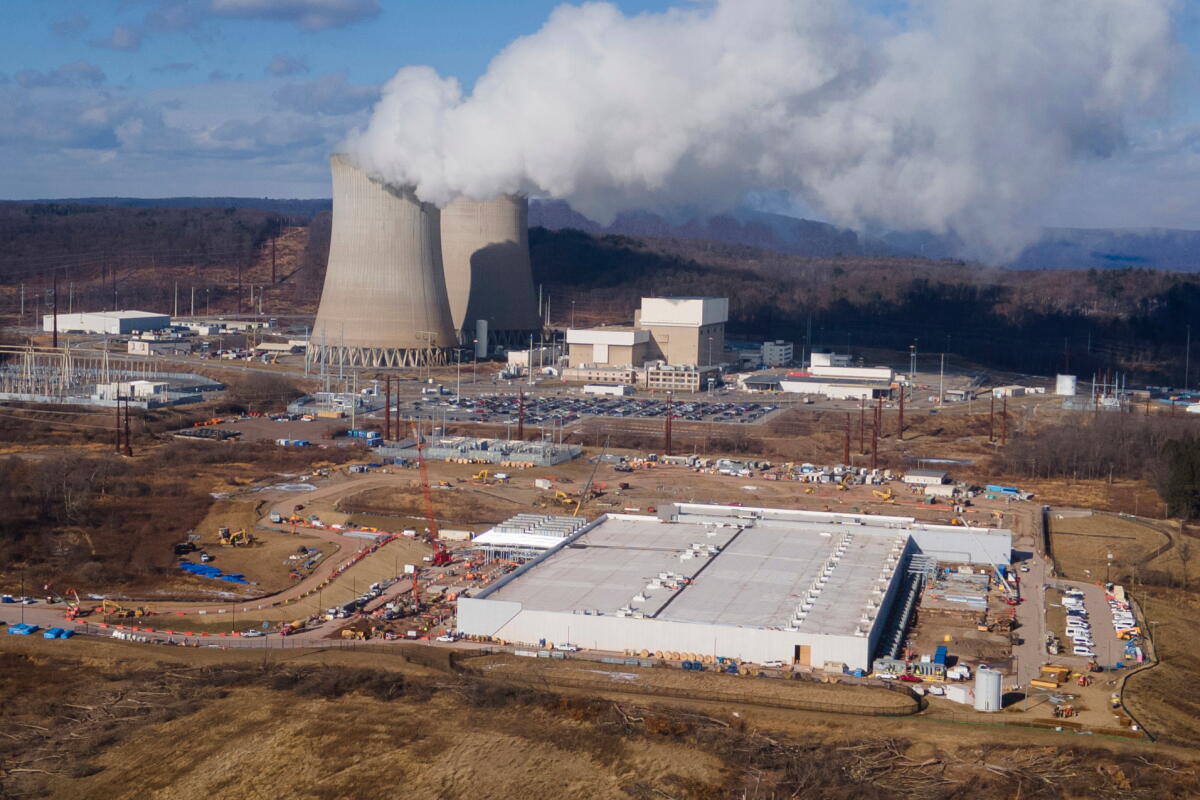
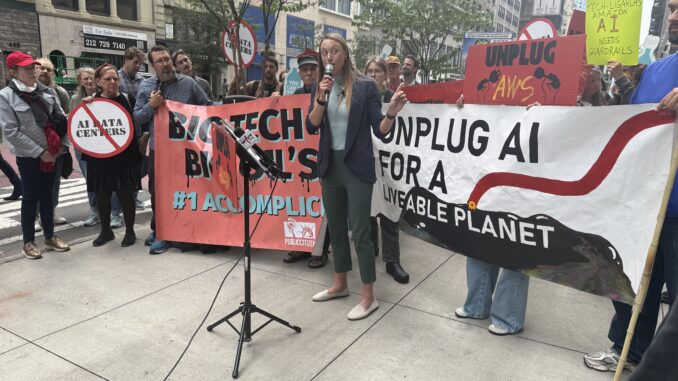
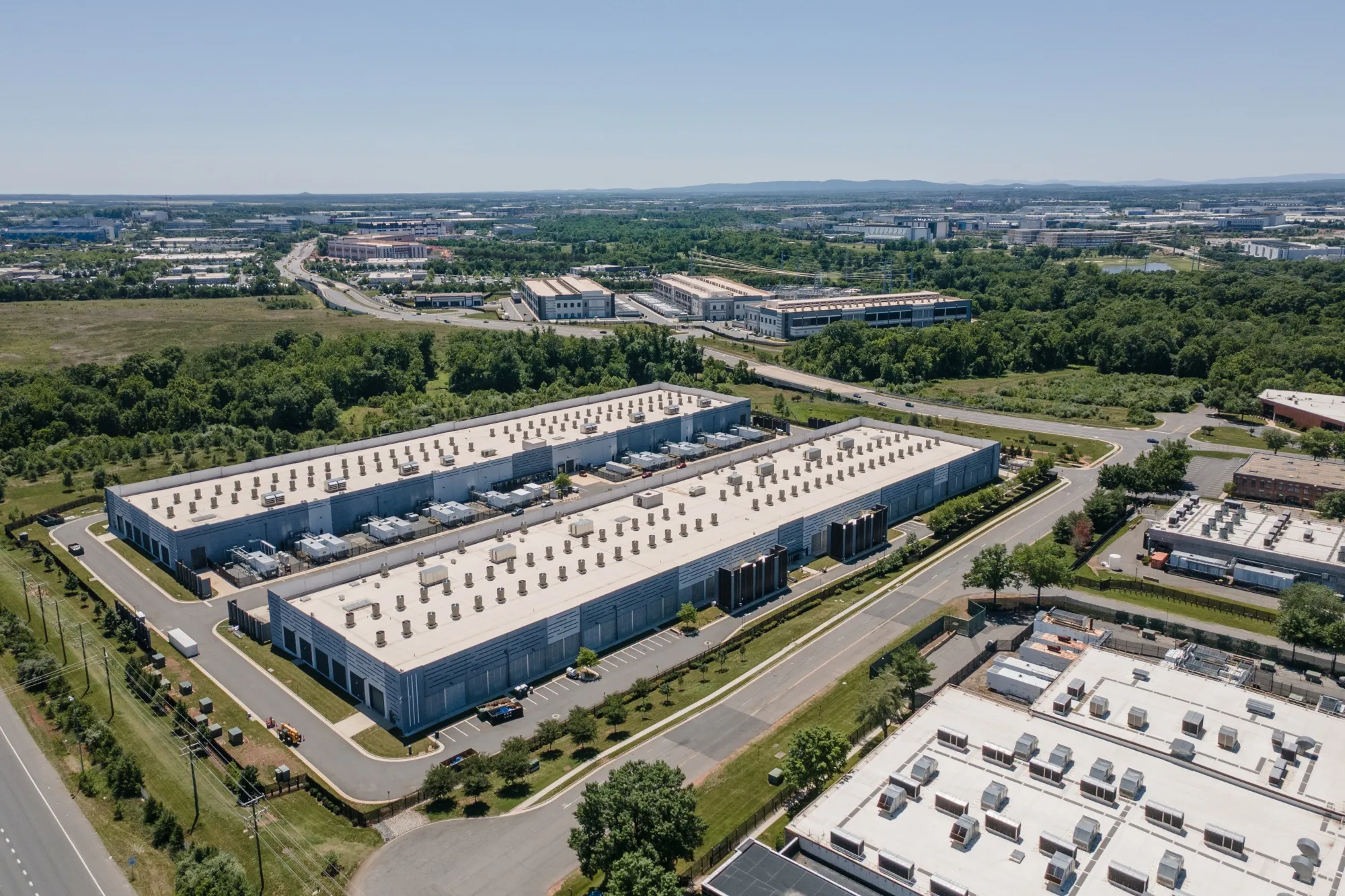
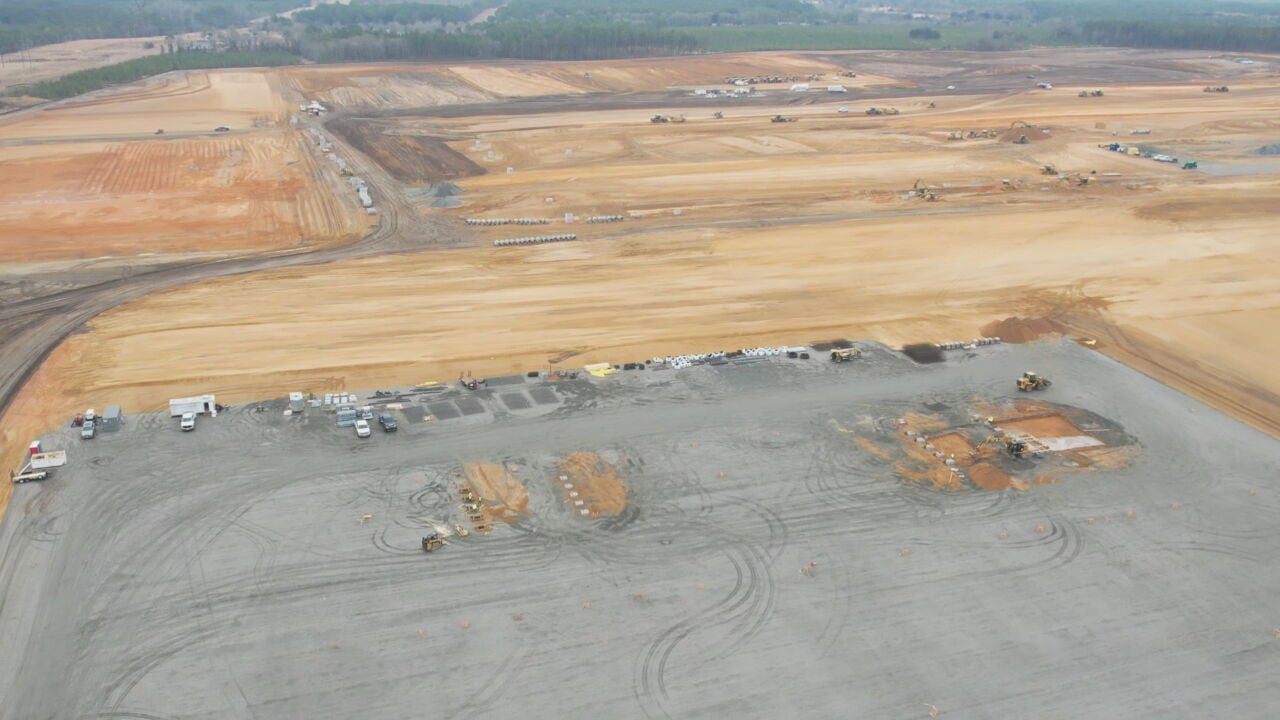
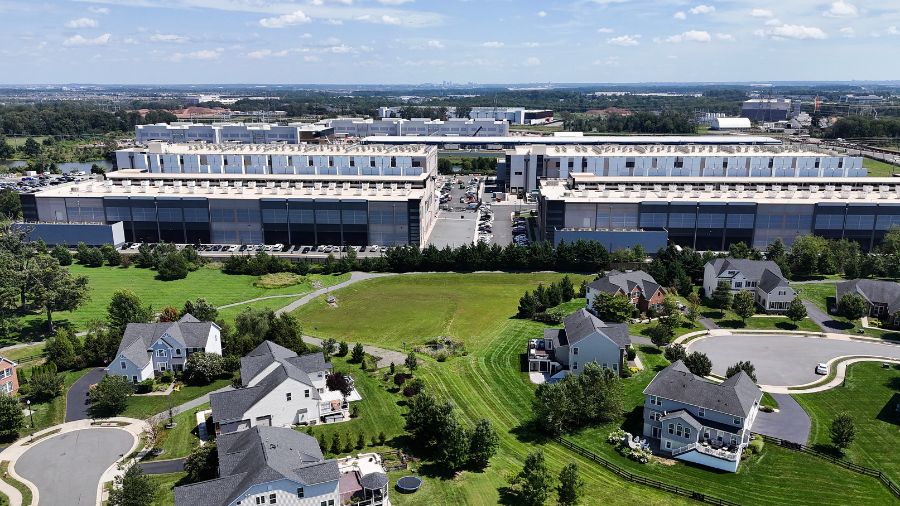
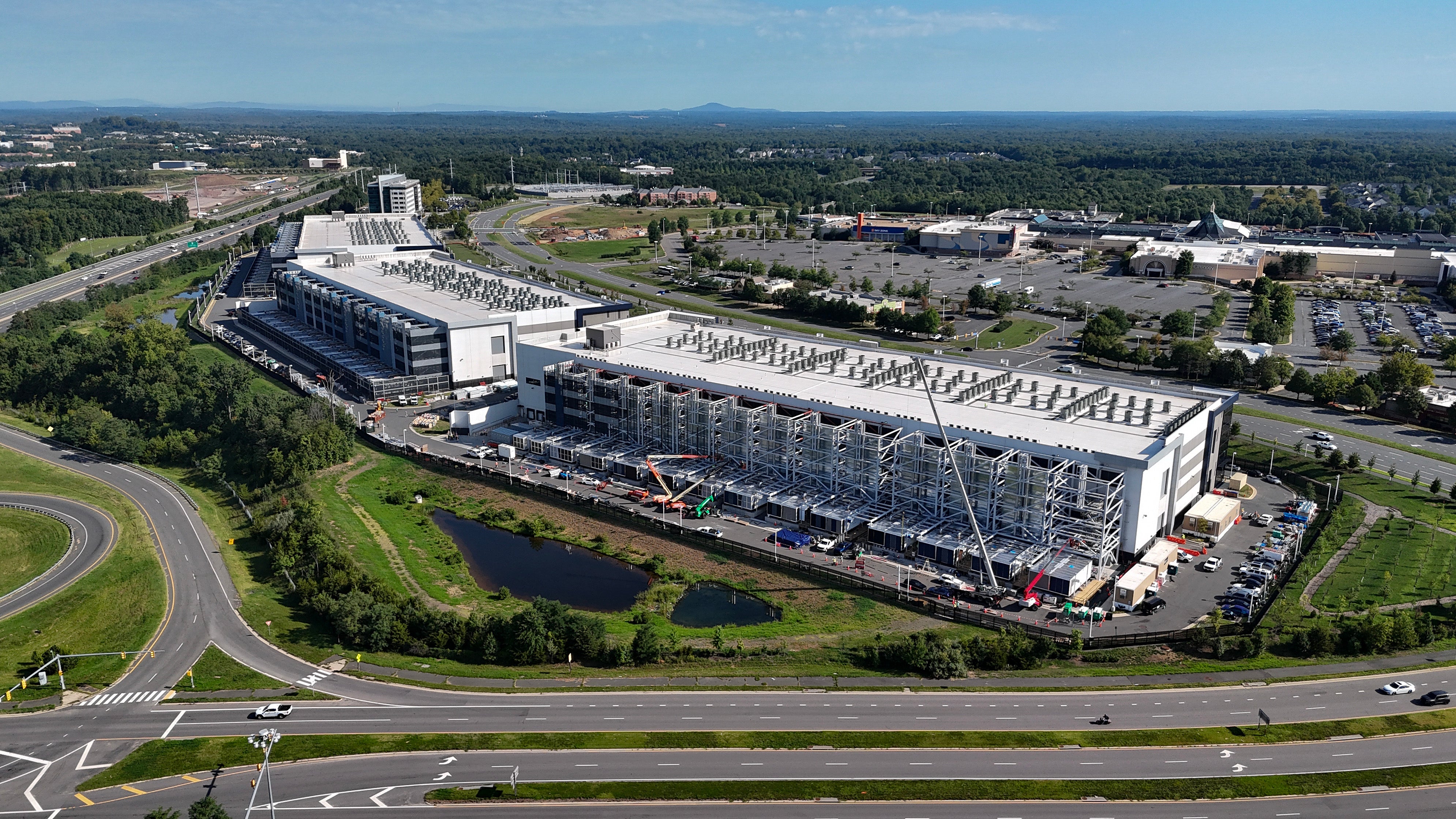
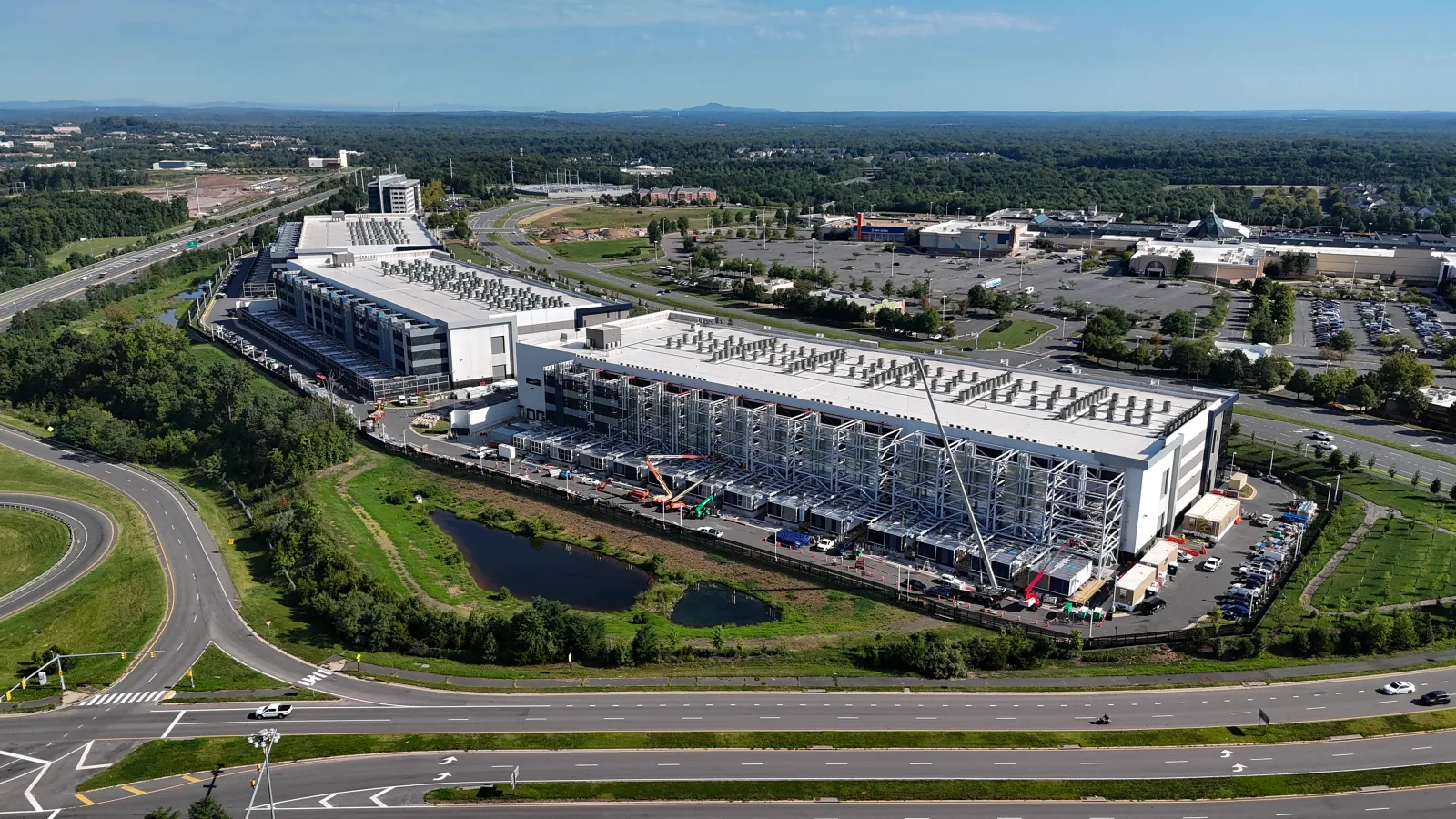
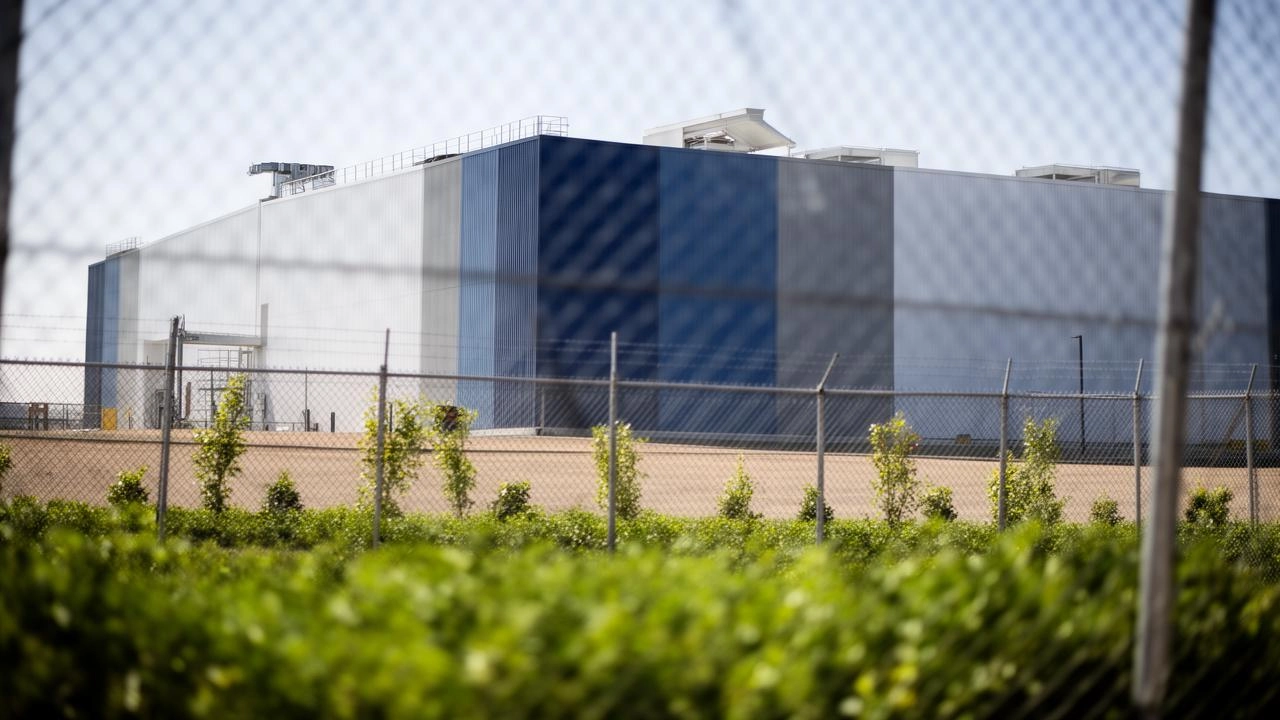
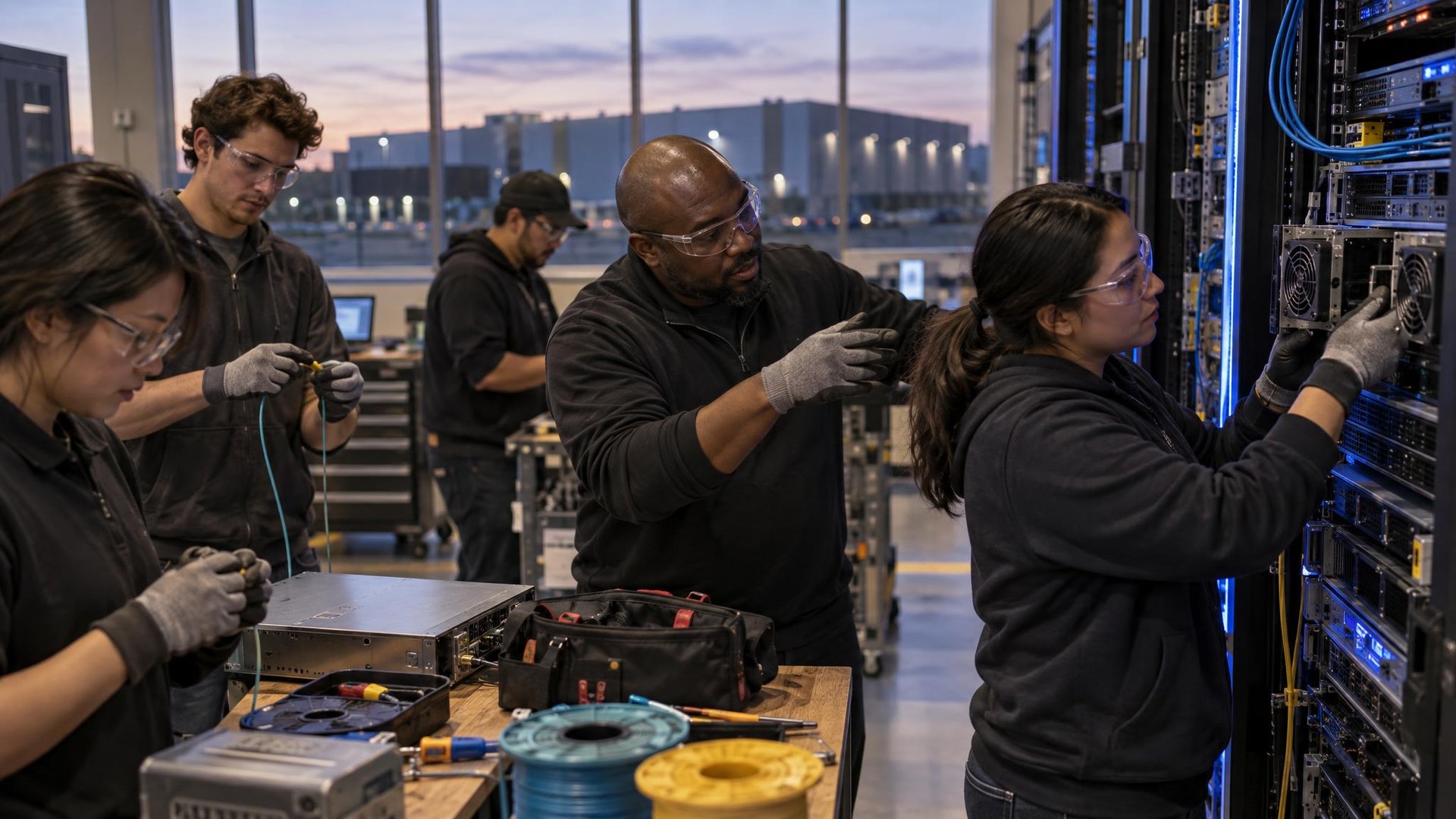
Amazon's $1 billion, five-year investment in data center communities represents a critical infrastructure play that directly impacts seller operations across FBA, AWS, and marketplace services. The company announced this commitment to address environmental and community concerns surrounding data center expansion while simultaneously positioning itself for accelerated infrastructure rollout across multiple US states. Illinois alone is projected to see 120,000+ jobs created from new data center facilities, signaling massive regional expansion. This investment demonstrates Amazon's confidence in sustained e-commerce growth and its commitment to maintaining the infrastructure backbone that 2M+ sellers depend on for inventory management, order processing, and customer data storage.
For FBA sellers, this investment translates to tangible operational benefits within 12-24 months. Enhanced data center capacity in new regions means faster processing speeds, reduced fulfillment delays, and improved service availability during peak seasons (Q4, Prime Day). Sellers currently experiencing storage constraints or slow inventory turnover in underserved regions should expect improved logistics performance as Amazon expands its fulfillment network footprint. The $1 billion commitment signals Amazon's intent to reduce regional bottlenecks that have historically caused IPI score penalties and increased storage fees. Specifically, sellers in Midwest and Southeast regions (where new data centers are being built) can anticipate 15-25% faster order processing and reduced long-term storage fee exposure as fulfillment capacity increases.
The infrastructure expansion creates secondary opportunities for sellers in logistics-adjacent categories. As data centers require significant power, water, and transportation infrastructure, regional suppliers of industrial equipment, HVAC systems, and facility management services will see increased B2B demand. Additionally, the community investment component ($200M+ annually) will fund local infrastructure projects, potentially creating demand for construction equipment, industrial supplies, and facility management tools on Amazon Business. Sellers specializing in industrial IoT devices, energy monitoring systems, and smart building technology should monitor data center host communities (Illinois, Virginia, Ohio, Texas) for emerging procurement opportunities. The 120,000 temporary jobs created will also drive consumer spending in host communities, benefiting sellers in apparel, home goods, and consumer electronics categories in those regions.
Risk monitoring is essential for sellers dependent on AWS and marketplace stability. While the investment strengthens long-term infrastructure, the construction and expansion phases (2025-2029) could temporarily impact service availability in affected regions. Sellers should diversify their fulfillment strategy by considering 3PL providers in non-construction zones and maintaining backup inventory in multiple FBA centers. Additionally, monitor Amazon's fee structure announcements—infrastructure investments sometimes precede fee adjustments as Amazon recovers capital costs. The company's proactive community engagement suggests smoother regulatory approvals, which could accelerate expansion timelines and bring service improvements forward by 6-12 months compared to historical patterns.
Questions 7
How will Amazon's $1 billion data center investment improve FBA seller performance?
Amazon's five-year, $1 billion commitment to data center communities will expand fulfillment capacity across multiple US regions, directly benefiting FBA sellers through faster order processing, reduced storage bottlenecks, and improved service availability. Sellers in Midwest and Southeast regions (primary expansion zones) should expect 15-25% faster fulfillment speeds and lower long-term storage fee exposure within 12-24 months as new data center capacity comes online. The infrastructure expansion reduces regional IPI score penalties caused by storage constraints and enables sellers to maintain higher inventory levels without triggering excess storage fees. Enhanced data center reliability also improves AWS performance for sellers using inventory management and analytics tools.
Which seller categories benefit most from accelerated data center expansion?
FBA sellers in high-volume categories (electronics, home goods, apparel) benefit most from improved fulfillment infrastructure, as faster processing reduces storage costs and improves inventory turnover. Industrial B2B sellers should capitalize on secondary opportunities—data centers require HVAC systems, power management equipment, and facility management tools, creating procurement demand on Amazon Business. Additionally, sellers in consumer categories (apparel, home goods, consumer electronics) in data center host communities (Illinois, Virginia, Ohio, Texas) will benefit from increased consumer spending driven by 120,000+ temporary jobs created during construction phases. Cross-border sellers managing multi-region inventory synchronization will see improved data consistency and faster order routing through enhanced AWS infrastructure.