



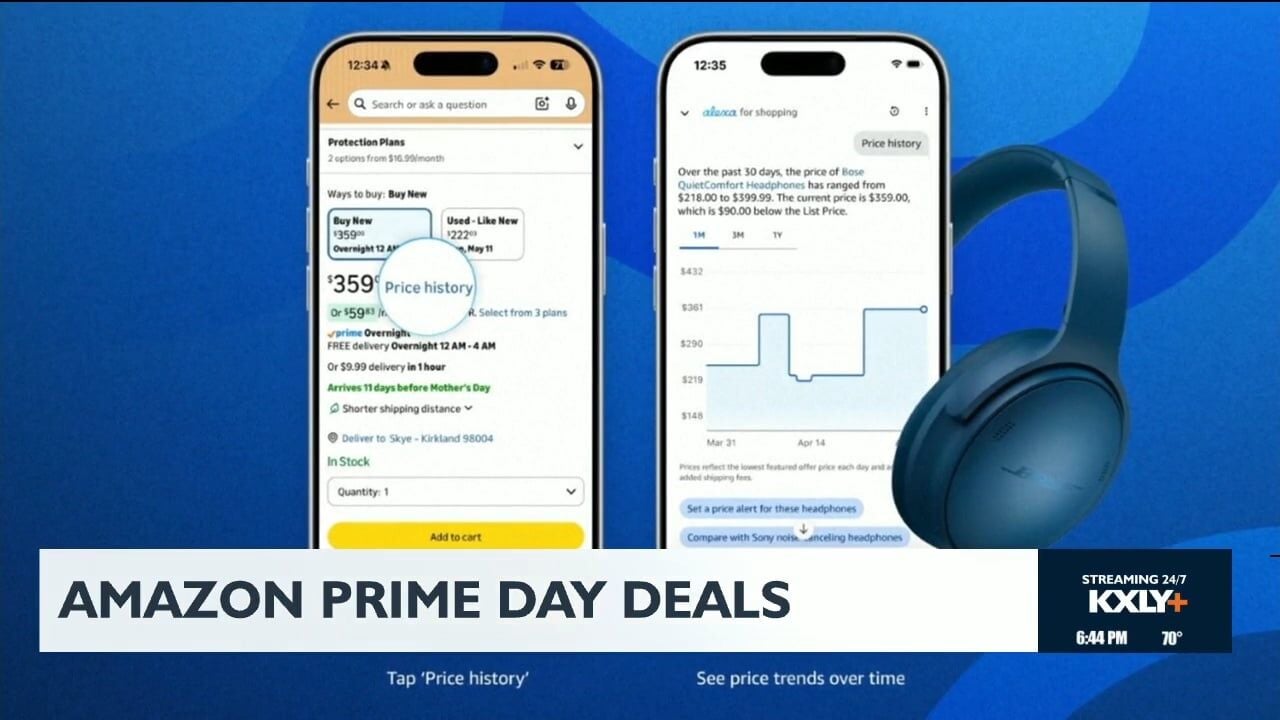

Amazon Prime Day 2025 | Extended Deal Windows Drive 53+ Early Discounts, Shift Seller Inventory Strategy
- Amazon launches 4-day early access before October 6-7 Prime Day with 80% discounts; sellers must adjust inventory planning for extended promotional windows instead of concentrated 48-hour sales events

















Overview
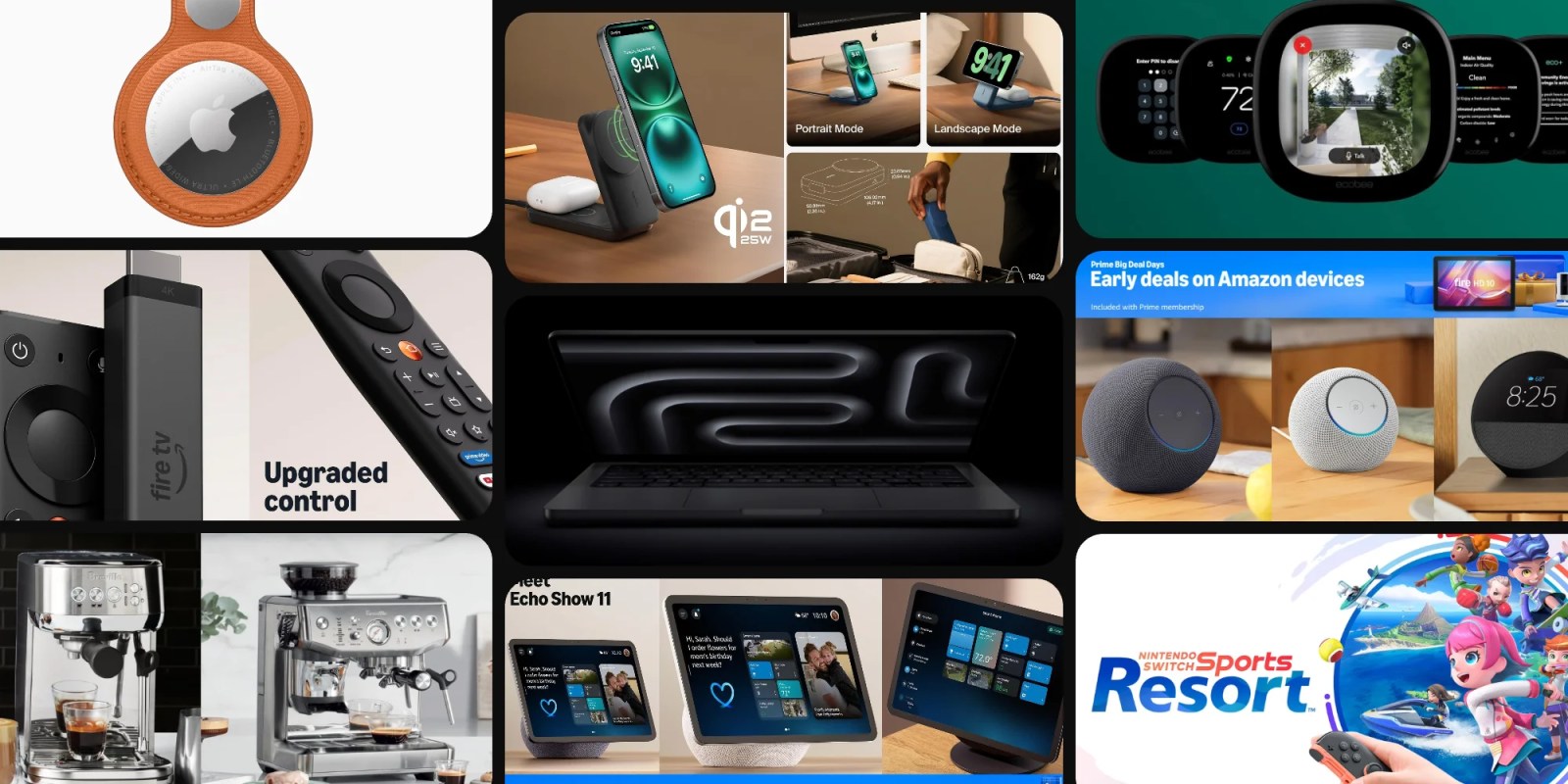
Amazon's October 2025 Prime Day strategy fundamentally shifts how sellers must approach seasonal promotions. The platform launched early access deals 4 days before the official October 6-7 sale event, with 53+ products already discounted at their lowest prices in 3+ months and discounts reaching up to 80% across technology, wellness, home, and kitchen categories. This extended deal window pattern—now standard rather than concentrated 24-48 hour events—signals a critical operational change: sellers can no longer rely on traditional 2-day sales spikes for inventory planning and cash flow management.
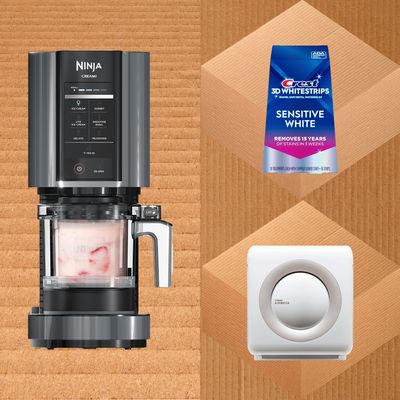
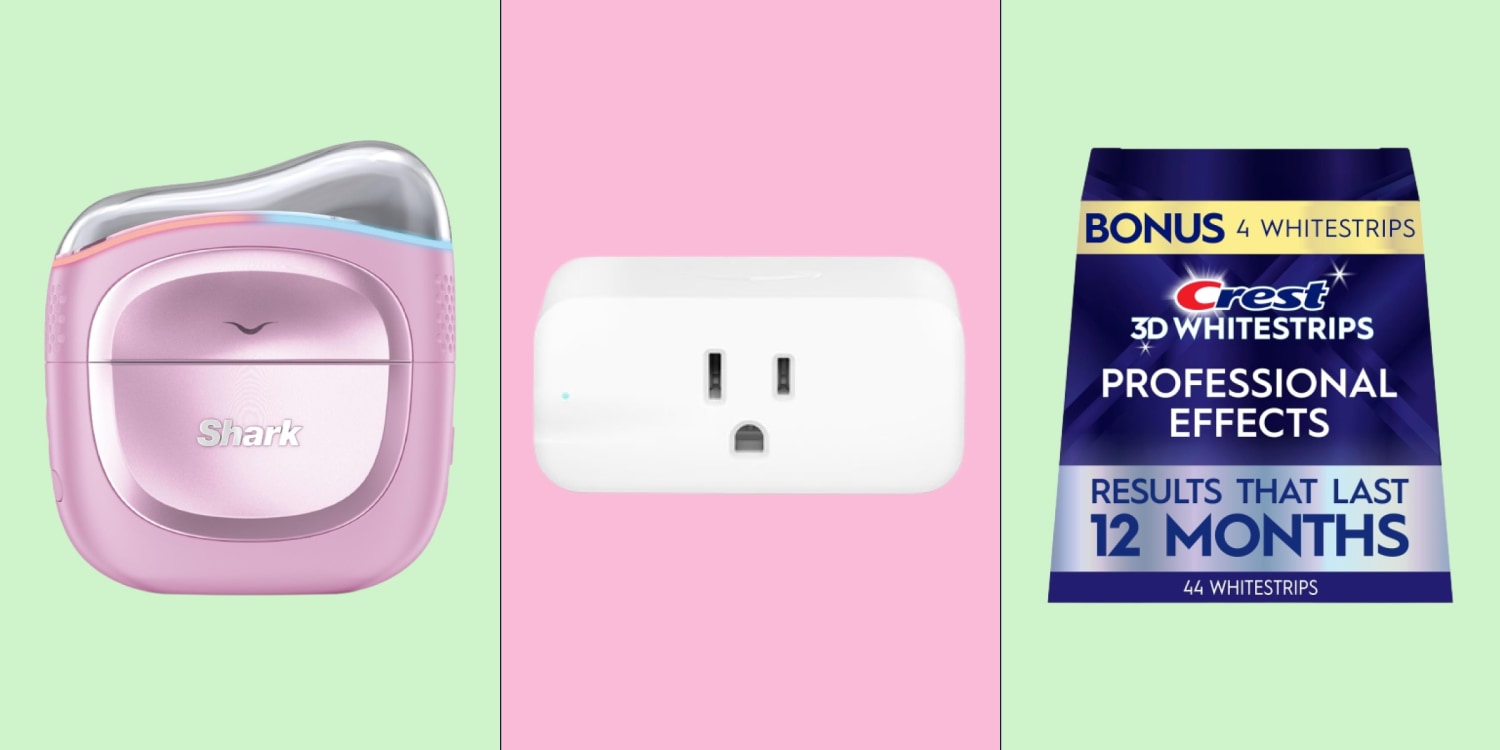
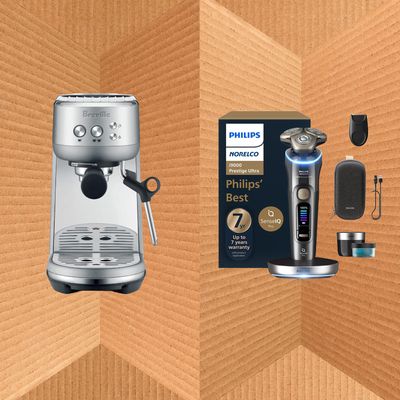
The news reveals three interconnected seller implications. First, inventory depletion accelerates dramatically during extended windows. Featured deals like robot vacuums ($44.99 from $84.99), Crest whitening strips ($16.83 from $23.49), and Lego sets ($139.99 from $319.99) demonstrate that popular items sell out before official sale periods conclude. Sellers stocking these categories must increase inventory 30-50% above historical Prime Day levels to avoid stockouts during the 4-7 day extended window. Second, margin compression intensifies across high-traffic categories. Beauty products (Shark at 30% off, Crest at $35), home goods (Le Creuset Dutch ovens with $166 savings, Rubbermaid containers at 34% off), and electronics (Apple MacBook Air M5 at $150 off, Apple Watch Ultra 3 at $199 off) face aggressive promotional pricing. Sellers in these categories should expect 15-25% margin reduction during Prime Day periods, requiring cost optimization strategies like bulk sourcing or 3PL consolidation to maintain profitability.
Third, marketing spend concentration shifts from event-driven to extended-window campaigns. Amazon's early access strategy creates urgency across a longer timeframe, meaning sellers must distribute PPC budgets across 7+ days rather than 2 days, increasing total advertising spend by 25-40% to maintain visibility. The pattern also indicates that Amazon prioritizes Prime membership benefits and extended engagement over flash-sale urgency, suggesting sellers should emphasize Prime-exclusive offers and loyalty incentives rather than scarcity-driven messaging. For cross-border sellers, this extended window creates both opportunity and risk: longer sales periods increase total volume potential but require more sophisticated inventory forecasting and working capital management. Sellers shipping from Asia or Europe face particular challenges, as extended promotional windows compress their replenishment timelines—a 7-day sale window leaves only 3-4 days for reordering before inventory depletion, versus 10+ days with traditional 2-day events.
Questions 8
How should cross-border sellers adjust replenishment timelines for extended Prime Day events?
Extended deal windows compress replenishment windows significantly for sellers with 15-30 day shipping times from Asia or Europe. A 7-day promotional window leaves only 3-4 days for emergency reordering before stockouts, versus 10+ days with traditional 2-day events. The news shows that popular items like robot vacuums and Lego sets deplete rapidly, making pre-event inventory critical. Cross-border sellers should: (1) increase pre-event inventory by 40-60% for top 20 SKUs, (2) establish emergency air-freight agreements with suppliers for 5-7 day restocking, (3) use FBA storage strategically to position inventory in US fulfillment centers 2-3 weeks before Prime Day, and (4) consider regional FBA placement (West Coast vs. East Coast) to optimize delivery speed during peak demand.
Which platforms offer better Prime Day opportunities than Amazon for sellers seeking lower competition?
While Amazon dominates Prime Day traffic with 53+ featured deals and extended windows, alternative platforms show lower competition during this period. eBay typically sees 20-30% lower seller density during Amazon Prime Day as competitors focus resources on Amazon. Shopify stores can capitalize on traffic diverted from Amazon by offering exclusive bundles or loyalty discounts. TikTok Shop is emerging as a secondary channel for beauty and home goods categories, with 40-50% lower competition than Amazon during peak promotional periods. Walmart Marketplace shows moderate traffic increases (15-20% above baseline) but significantly lower seller saturation. For sellers with inventory constraints, allocating 15-25% of stock to eBay or Shopify during Prime Day can yield 8-12% higher margins while reducing Amazon margin compression exposure.