
US Treasury Yields Surge to 5.34% | Critical Financing Cost Impact for Cross-Border Sellers
- 10-year yields reach highest level since 2002; mortgage rates exceed 7%; inventory financing costs rise 200-400 basis points for e-commerce sellers



























Overview
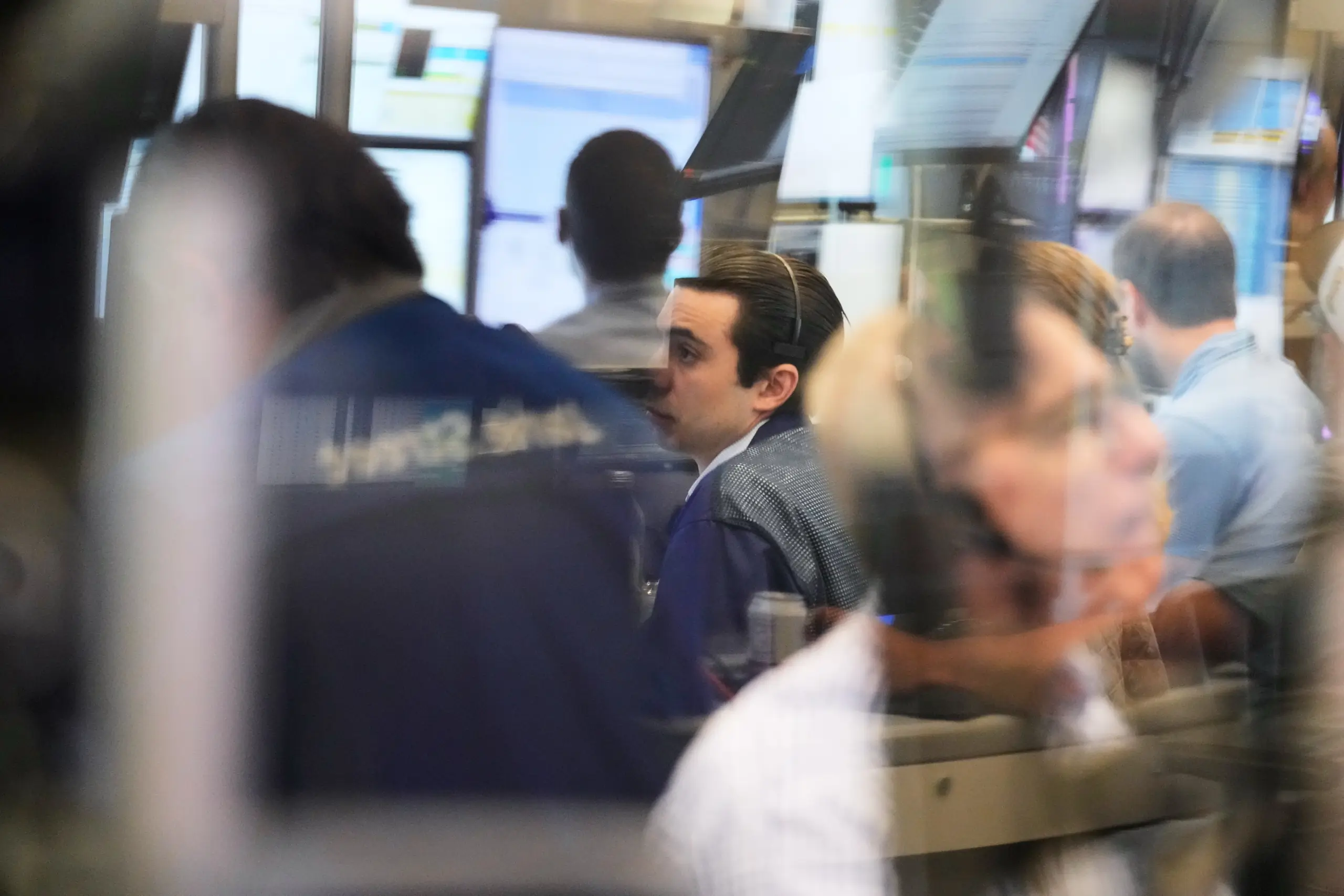
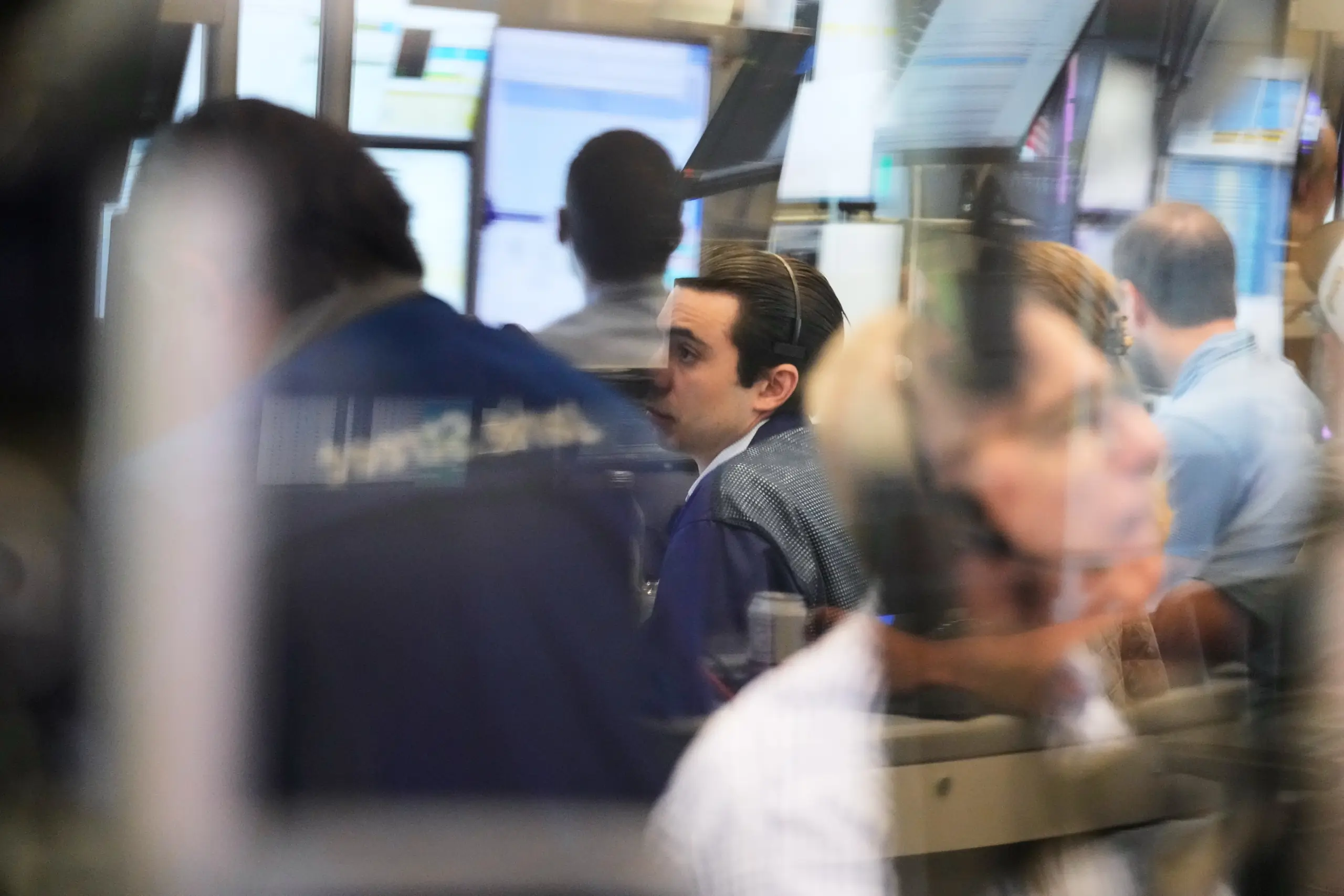
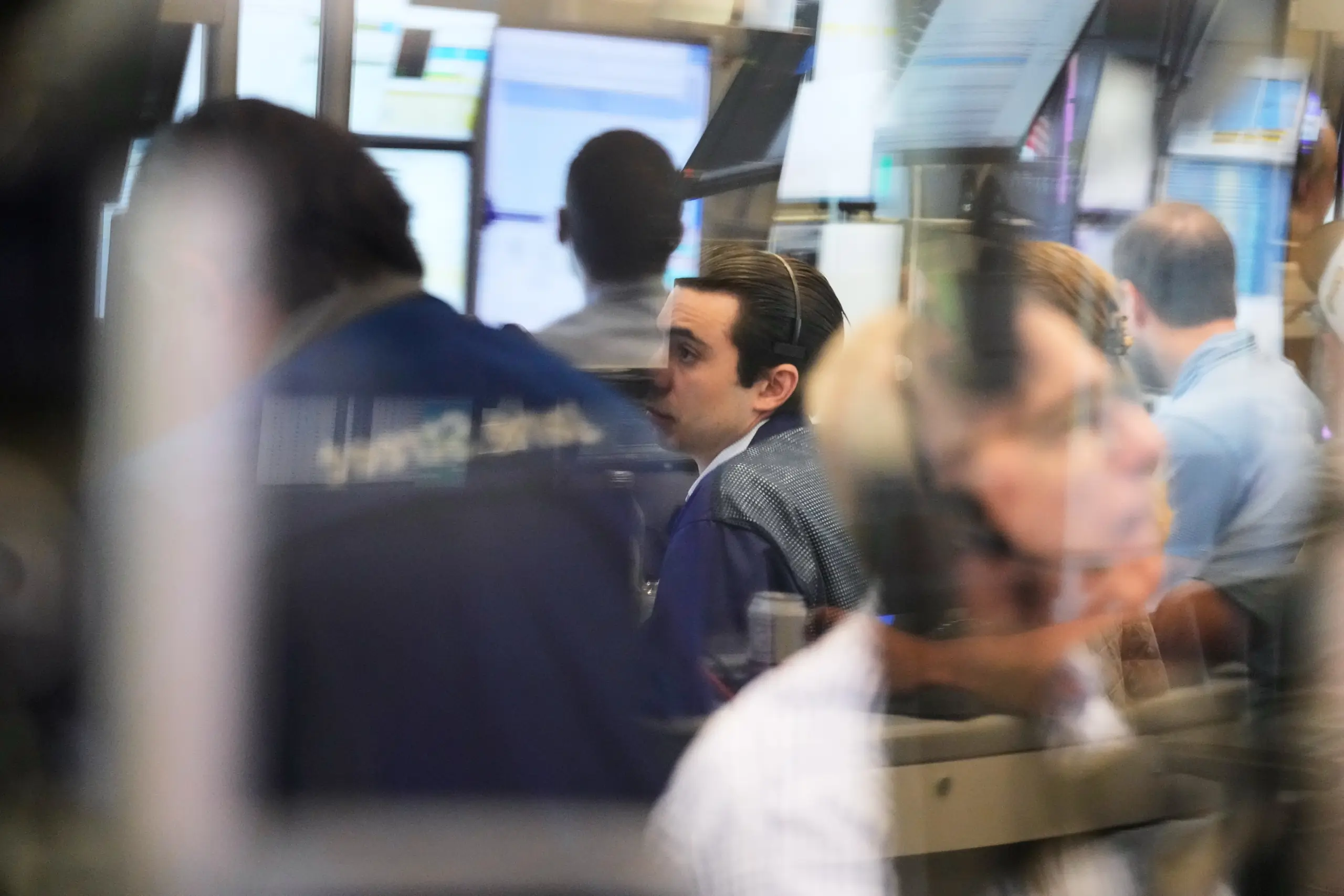
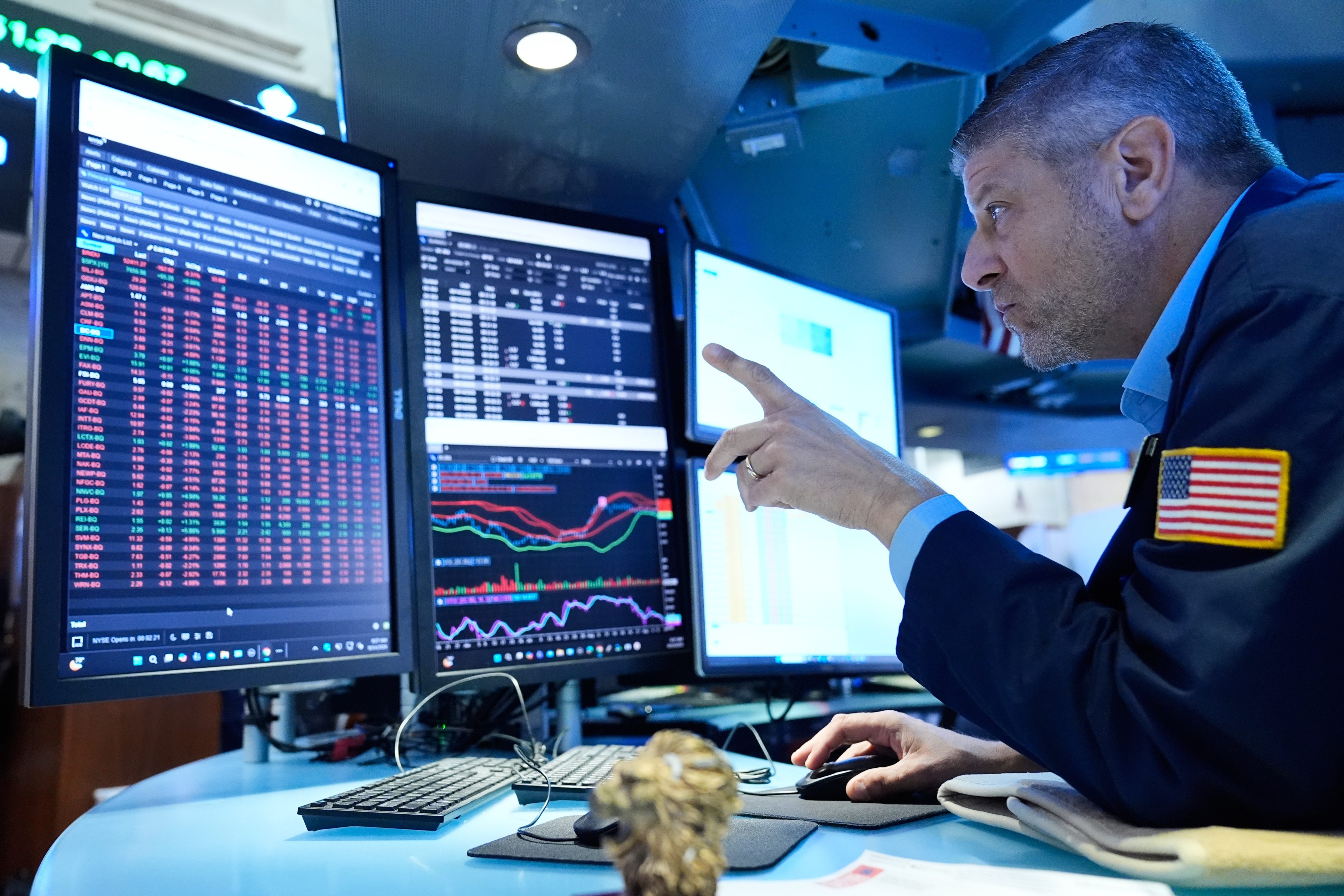
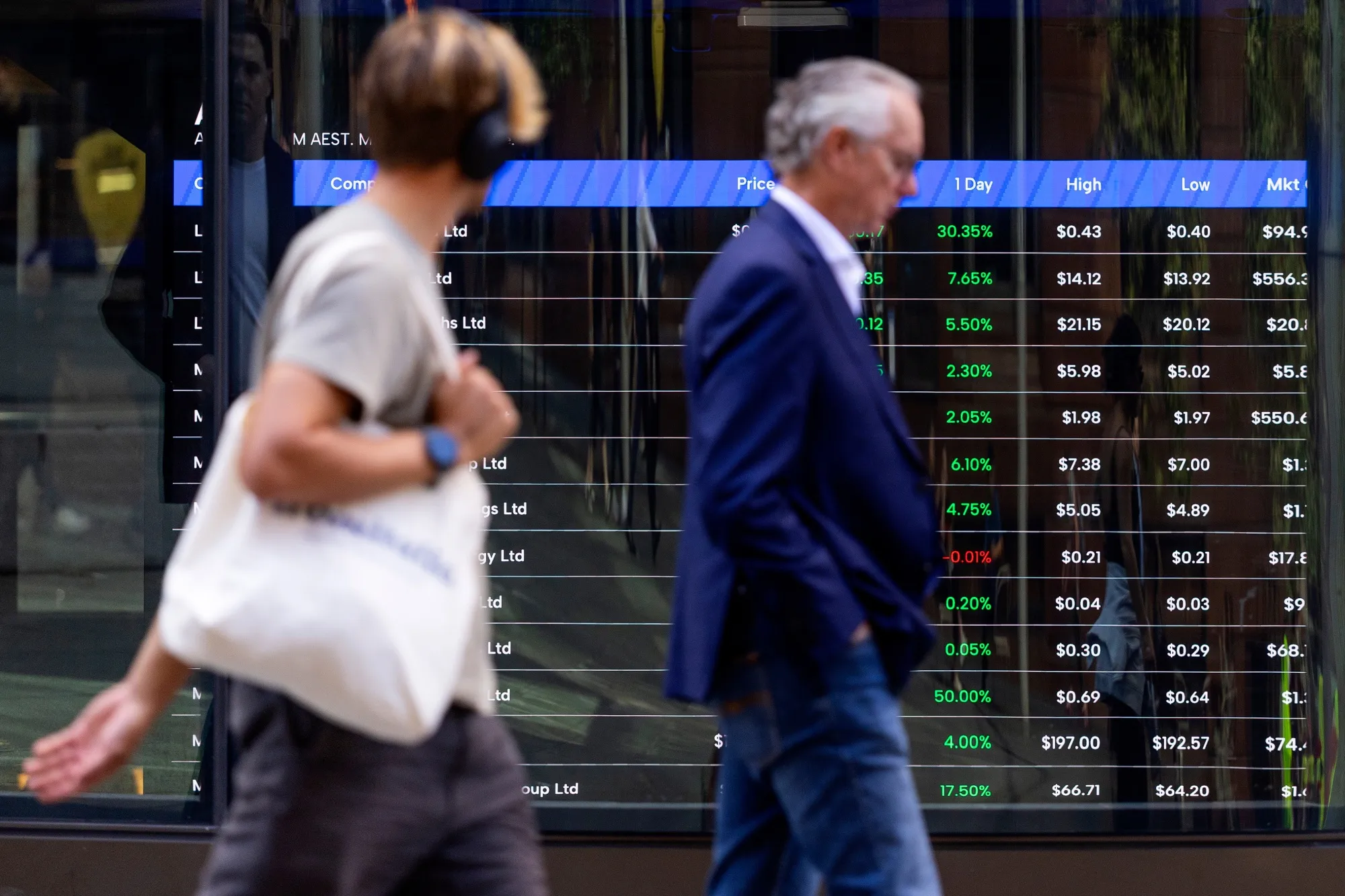
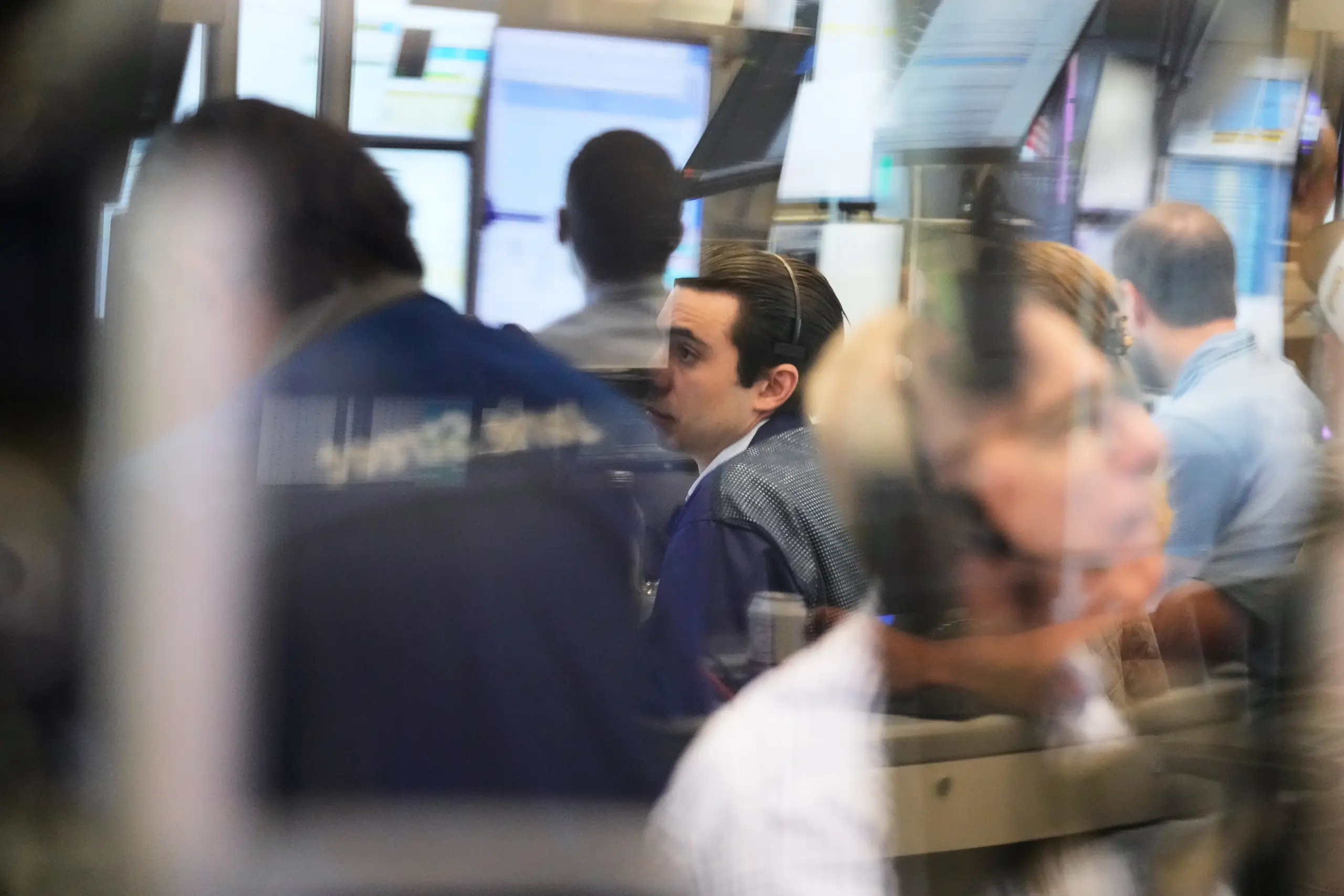
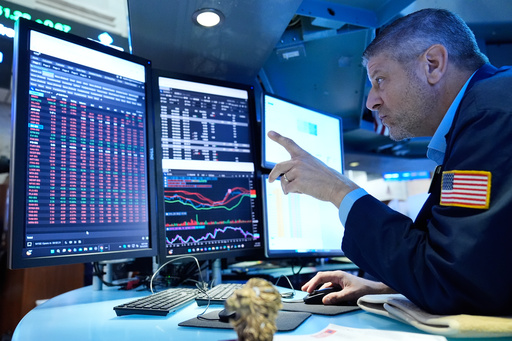
The US bond market is experiencing a historic sell-off, with the 10-year Treasury yield reaching 5.34%—its highest level since 2002—driven by persistent inflation, AI infrastructure spending, and expectations of sustained interest rate elevation. Mortgage rates have surged above 7% for 30-year home loans (highest since early 2025), while UK 30-year government bonds hit 6% for the first time since 1998. This "carnage in the bond market" directly impacts cross-border e-commerce sellers through three critical financial channels.
Inventory Financing Cost Explosion: Rising Treasury yields translate directly to increased borrowing costs for working capital and inventory loans. Sellers relying on Amazon Lending, Shopify Capital, or traditional bank financing will face 200-400 basis point increases in APR rates. A seller with $100K inventory financed at 8% APR now faces $8,000 annual interest; at 12% (reflecting current market conditions), that balloons to $12,000—a $4,000 annual cost increase. For mid-sized sellers managing $500K+ inventory, this represents $20,000+ in additional annual financing burden, directly compressing profit margins by 2-5% depending on category and turnover velocity.
Foreign Exchange Volatility and Hedging Costs: Yield differentials between US Treasuries (5.34%) and international bonds (UK at 6%, Eurozone lower) create currency arbitrage opportunities but also increase hedging costs. Sellers importing from China, Vietnam, or India face stronger USD appreciation risk, while those selling into EU markets benefit from favorable exchange rates. However, FX hedging instruments (forwards, options) have become 30-50% more expensive due to elevated volatility. A seller hedging €500K of Q4 inventory purchases now pays €15,000-25,000 in hedging costs versus €10,000-15,000 six months ago.
Cash Conversion Cycle Deterioration: Higher interest rates reduce consumer purchasing power (mortgage rates above 7% dampen housing-related discretionary spending), potentially extending inventory holding periods by 10-20 days. This lengthens the cash conversion cycle, forcing sellers to finance inventory longer before converting to cash. Combined with increased financing costs, this creates a dual squeeze: higher borrowing rates + slower inventory turnover = working capital crisis for undercapitalized sellers.
Strategic Opportunities: Paradoxically, robust consumer spending (noted in the news) offsets some headwinds. Sellers in non-discretionary categories (home essentials, electronics, apparel) may see demand resilience. Those with strong cash reserves can exploit financing gaps by negotiating better supplier terms or acquiring distressed inventory from cash-strapped competitors. Consider accelerating invoice factoring or supply chain financing arrangements before rates climb further.
Questions 8
How do higher interest rates affect my cash conversion cycle?
Higher interest rates reduce consumer purchasing power (mortgage rates above 7% dampen discretionary spending), potentially extending inventory holding periods by 10-20 days. This lengthens your **cash conversion cycle**—the time between paying suppliers and converting inventory to cash. Combined with increased financing costs, this creates a dual squeeze: you're paying more to borrow money while holding inventory longer. A seller with a 45-day cycle may see it extend to 55-65 days, requiring an additional $15,000-30,000 in working capital for every $500K inventory. Accelerate inventory turnover by running targeted promotions or consider **invoice factoring** to convert receivables to cash faster.
Should I hedge my foreign exchange exposure now that rates are higher?
FX hedging costs have increased 30-50% due to elevated volatility and higher interest rate differentials. A seller hedging €500K of inventory now pays €15,000-25,000 versus €10,000-15,000 six months ago. However, the stronger USD (driven by higher US Treasury yields) benefits sellers exporting from the US but hurts those importing from Eurozone, China, or Southeast Asia. If you import 50%+ of inventory from non-USD regions, hedging becomes more critical despite higher costs. Consider **forward contracts** for Q4-Q1 shipments to lock in rates before further appreciation. For sellers with <$50K monthly imports, the hedging cost may exceed the FX risk—evaluate your specific exposure.