

Rising Interest Rates Hit Cross-Border Sellers | Inventory Financing Costs Surge 8-15%
- 10-year Treasury yield reaches 5.34% (highest since 2002); mortgage rates exceed 7%; working capital financing costs spike for e-commerce sellers relying on inventory loans and expansion capital










Overview
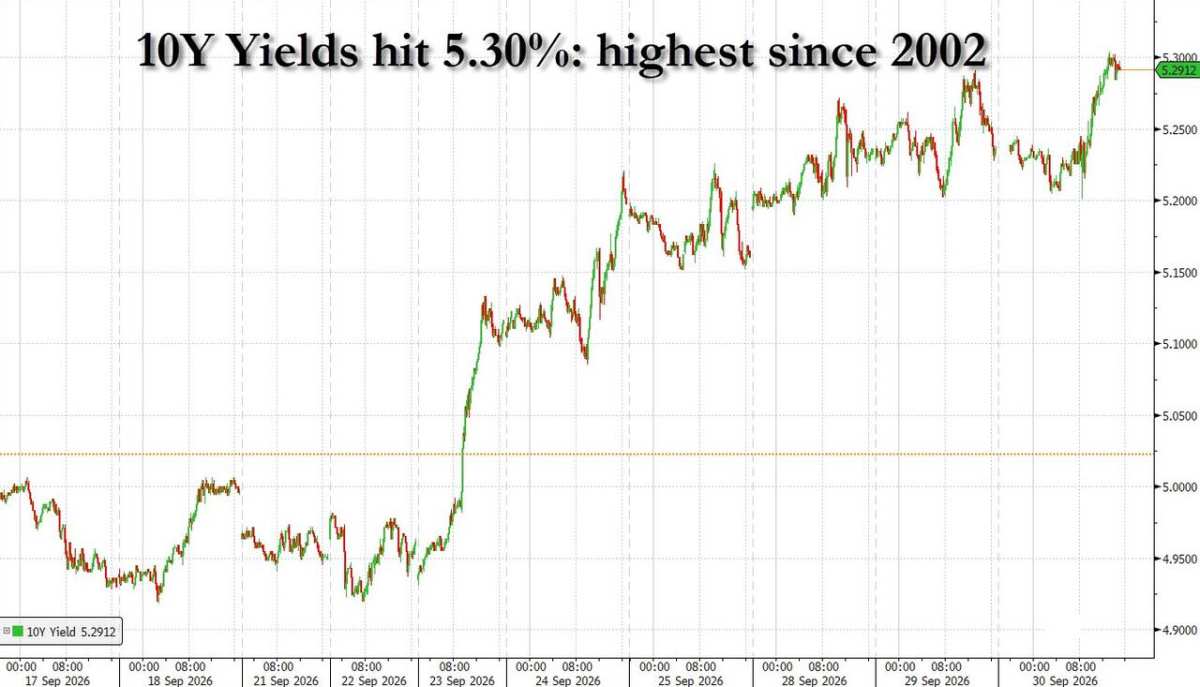
The US bond market is experiencing a historic sell-off, with the 10-year Treasury yield reaching 5.34%—its highest level since 2002—driven by concerns about an overheating economy fueled by massive AI infrastructure spending, persistent inflation above Federal Reserve targets, and expectations of continued rate increases. Mortgage rates have surged above 7% for 30-year home loans (highest since early 2025), while UK 30-year government bonds hit 6% for the first time since 1998. This global bond market "carnage" directly impacts cross-border e-commerce sellers through multiple financial channels.
For inventory financing and working capital, rising Treasury yields translate immediately into higher borrowing costs. Sellers relying on inventory loans, purchase order financing, and working capital lines of credit will face 8-15% cost increases on existing debt and significantly higher rates on new borrowing. A seller with $500K in inventory financing at 8% APR now faces potential rate increases to 9-10%, adding $5K-$10K annually to financing costs. Small-to-mid-sized sellers (SMBs) with tight margins in electronics, apparel, and home goods categories are most vulnerable, as they depend heavily on debt to fund seasonal inventory builds.
Currency fluctuation opportunities emerge from yield differentials between US and international bonds. The 5.34% US 10-year yield versus lower yields in EU (3-4%) and Asia-Pacific markets creates FX arbitrage potential. Sellers with GBP, EUR, or JPY exposure should monitor currency pairs closely—higher US yields typically strengthen the dollar, making imports more expensive but exports more competitive. Sellers shipping from China to the US face headwinds as the stronger dollar reduces their USD revenue when converted back to CNY.
Consumer spending paradox offers demand offset: Despite higher borrowing costs, the news notes "robust GDP growth and consumer spending" continues. This creates a bifurcated market—while sellers' financing costs rise, consumer demand remains strong, potentially offsetting margin compression through higher sales volumes. However, this advantage is temporary; sustained high rates typically dampen consumer spending within 2-3 quarters.
The Federal Reserve meeting in October 2026 will be critical. If the Fed signals rate cuts, bond yields could fall sharply, reducing financing costs. If rates hold or rise further, sellers must immediately refinance existing debt and lock in rates before they climb higher. Sellers should act within the next 30 days to secure favorable financing terms before rates potentially increase further.
Questions 8
How do rising Treasury yields directly impact my inventory financing costs?
Rising Treasury yields increase the benchmark rates that lenders use to price inventory loans and working capital lines of credit. When the 10-year Treasury yield rises from 4.5% to 5.34%, lenders typically increase their rates by 0.5-1.5% above the Treasury rate. A seller with a $500K inventory loan at prime + 3% would see their APR increase from ~8% to 9-10%, adding $5K-$10K annually in financing costs. This impact is immediate for new borrowing and affects rate resets on variable-rate debt within 30-90 days. Sellers should lock in fixed rates now before rates climb further, and consider refinancing existing debt if rates have risen since origination.
Which seller financing products offer the best rates in this high-rate environment?
In rising-rate environments, sellers should prioritize: (1) **Amazon Seller Financing** (rates typically 6-8%, tied to seller performance metrics rather than Treasury yields), (2) **Invoice Factoring** (immediate cash conversion at 1.5-3% discount, avoiding interest rate exposure), and (3) **Supply Chain Finance programs** from platforms like Shopify Capital or alternative lenders (rates 8-12% but faster approval). Traditional bank lines of credit are now 9-11% APR, making them less attractive. Sellers should compare all-in costs including fees, and consider factoring receivables to reduce working capital needs rather than borrowing at higher rates. The news indicates rates may stay elevated through October 2026 Fed meeting, so locking in fixed-rate products now is strategic.