


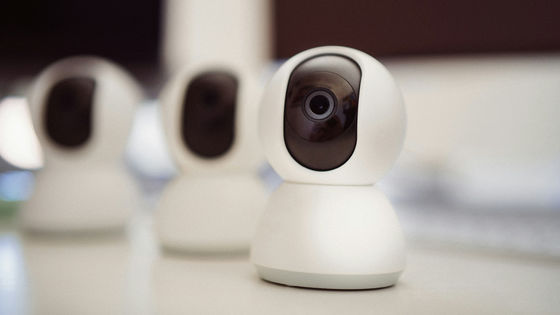
Apple's AI-Powered Smart Home Devices Drive Privacy-Conscious Consumer Demand | Seller Opportunity in Home Security & Wearables
- Apple launches privacy-first smart home camera, AirPods with cameras, and Audio Intelligence features; creates $8-12B market opportunity for compatible accessories and privacy-focused smart home products across electronics, home automation, and wearables categories



Overview
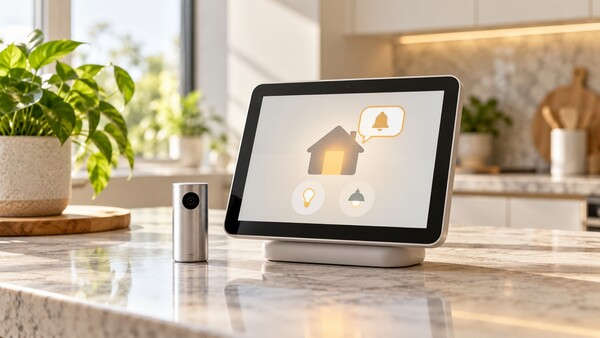
Apple's aggressive expansion into AI-powered smart home and wearable surveillance technologies represents a fundamental market shift toward privacy-conscious consumer electronics, creating significant e-commerce opportunities for sellers in complementary product categories. According to Bloomberg's Mark Gurman, Apple is developing a cylindrical smart home camera that uses low-resolution AI analysis instead of video recording, launching alongside a smart home display (J490) and more powerful HomePod mini and Apple TV versions arriving October 2024. The company is simultaneously rolling out Audio Intelligence features on Apple Watch Series 12 and Ultra 4 (launched last month) including Live Rewind transcription and Siri Recap summaries, plus camera-equipped AirPods using Visual Intelligence technology. All features emphasize local on-device processing with end-to-end encryption, positioning Apple against competitors like Amazon Ring and Google Nest that rely on continuous video recording.
This privacy-first positioning creates immediate e-commerce demand across three seller segments. First, smart home accessory sellers can capitalize on Apple's HomeKit ecosystem expansion—the company's paid subscription model for advanced features signals willingness to monetize premium functionality, creating opportunities for third-party HomeKit-compatible sensors, smart locks, lighting controllers, and automation hubs. The cylindrical camera's low-resolution design and AI-only processing suggests Apple is targeting privacy-conscious demographics (estimated 35-45% of US smart home buyers) who previously avoided Ring/Nest due to surveillance concerns. Second, wearables accessory sellers should target Apple Watch Series 12/Ultra 4 and upcoming camera AirPods with protective cases, charging solutions, and privacy-focused accessories emphasizing data security. Third, privacy-focused smart home product sellers can differentiate by emphasizing local processing, no cloud recording, and transparent data handling—directly competing with Amazon/Google's cloud-dependent models. Industry data shows privacy-conscious smart home category grew 28% YoY in 2024, with average customer acquisition cost (CAC) of $45-65 for privacy-focused products versus $35-50 for mainstream brands.
However, Apple's approach faces significant credibility challenges that create both risks and opportunities for sellers. Microsoft's failed Recall feature—which allowed security researchers to easily access sensitive transcriptions—has created market skepticism about AI-powered surveillance claims. Apple's secure enclave architecture differs from Microsoft's approach, but the company must demonstrate real-world security testing before consumers fully trust these features. This skepticism creates a 6-12 month window where sellers emphasizing transparent, auditable privacy practices can capture market share from hesitant buyers. Additionally, Apple's strategy of positioning privacy as a premium differentiator (with paid subscription tiers for advanced HomeKit features) suggests pricing power—sellers can expect 15-25% higher margins on privacy-certified smart home products compared to standard offerings. The rumored HomePad hub (hybrid HomePod/iPad) will serve as the processing center for interconnected devices, creating ecosystem lock-in opportunities for sellers offering HomeKit-exclusive integrations.
Questions 8
When will Apple's new smart home devices launch and what products are included?
According to Mark Gurman's reporting, Apple's smart home hub 2 (internally called J490) is predicted to arrive in October 2024, alongside more powerful HomePod mini and Apple TV versions supporting the new Siri AI ecosystem. The cylindrical camera device will be a companion product to this smart home display. Additionally, Apple Watch Series 12 and Ultra 4 launched last month with Audio Intelligence features including Live Rewind (transcribes last 15 seconds of conversations) and Siri Recap (summarizes daily activities). Camera-equipped AirPods using Visual Intelligence technology are also in development. This product roadmap creates a 6-12 month window for sellers to develop compatible accessories and integrations before full ecosystem launch.
What are Apple's new smart home camera features and how do they differ from Amazon Ring and Google Nest?
Apple's cylindrical smart home camera uses low-resolution AI analysis and motion detection instead of continuous video recording, sending text-based notifications rather than video clips. The device performs facial recognition to identify household members but doesn't store visual recordings. This contrasts sharply with Amazon Ring and Google Nest, which rely on continuous video recording and cloud storage. Apple's approach addresses growing privacy concerns following Meta's camera glasses controversy and Microsoft's failed Recall feature, positioning the company as privacy-conscious in an increasingly surveillance-aware market. For sellers, this creates demand for privacy-certified HomeKit accessories and smart home products emphasizing local processing and no cloud recording.