



Rising Interest Rates Impact E-Commerce Seller Financing Costs | Working Capital Crisis for 2025
- Interest rate spikes increase inventory financing costs 8-15% for cross-border sellers; immediate refinancing and cash flow optimization required




















Overview
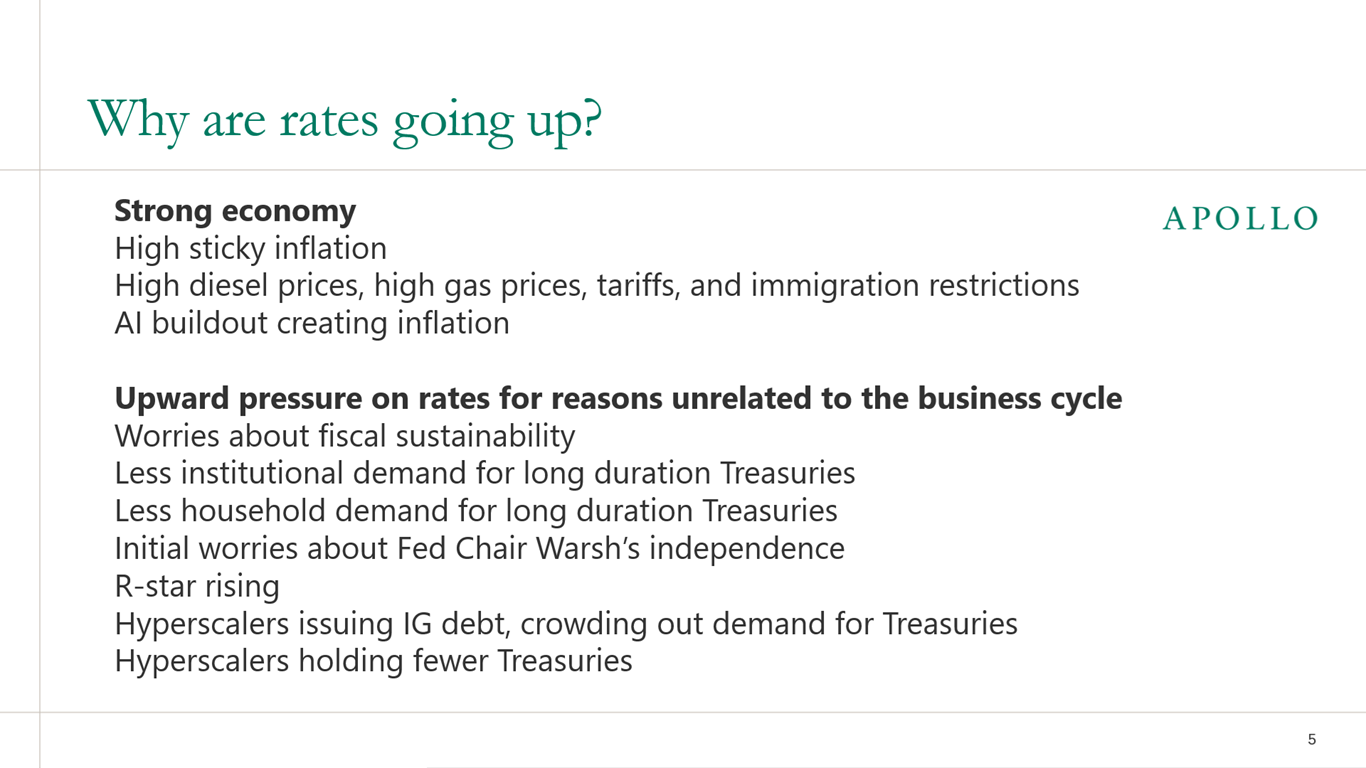
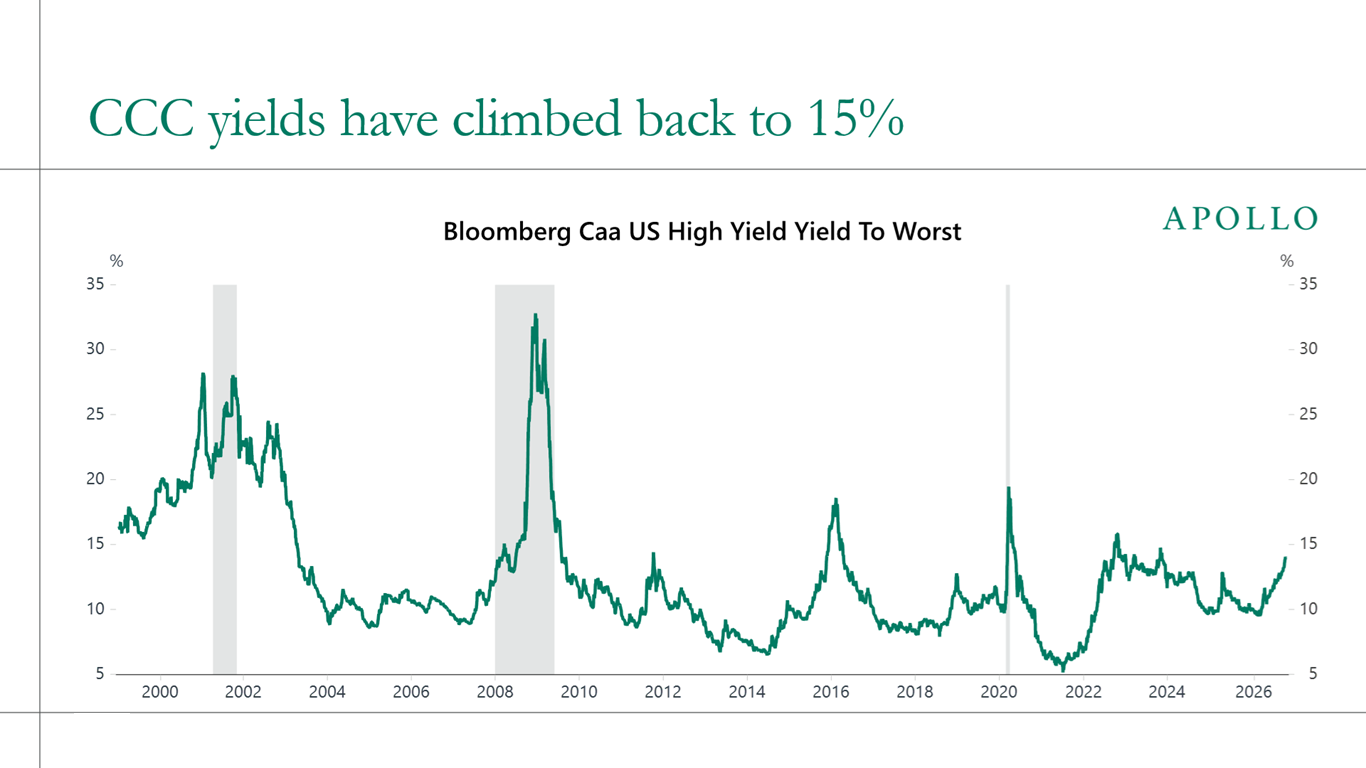
Rising interest rates represent a critical macroeconomic headwind for cross-border e-commerce sellers, directly impacting working capital availability and financing costs across all major platforms. While Bloomberg's analysis focuses on equity market damage, the underlying interest rate environment creates immediate financial pressure on sellers relying on inventory financing, purchase order (PO) financing, and invoice factoring—the three primary working capital tools for cross-border operations.
Financing Cost Impact: Sellers currently using inventory loans or PO financing face 8-15% cost increases as lending rates rise. A seller with $500K in outstanding inventory financing at 6% APR now faces costs of $30K annually; at 9% APR, this jumps to $45K—a $15K annual penalty. For mid-market sellers (those moving 500-2,000 units monthly), this translates to $200-400 additional monthly financing costs, directly compressing margins by 2-4% on products with 15-20% gross margins.
Cash Conversion Cycle Pressure: Higher rates incentivize lenders to tighten credit terms. Sellers should expect: (1) shorter payment windows (net-30 instead of net-60), (2) higher collateral requirements (inventory must cover 120-150% of loan value vs. 100%), and (3) stricter qualification criteria (minimum 12-month operating history, 3.0+ inventory turnover ratio). This forces sellers to hold larger cash reserves, reducing capital available for inventory purchases and growth investments.
Regional Financing Disparities: US-based sellers face the most acute pressure as Federal Reserve rates remain elevated. EU sellers benefit from slightly lower ECB rates but face currency headwinds if sourcing from Asia. Singapore and Hong Kong-based sellers have access to lower rates (3-5% range) through regional banks, creating a competitive advantage for Asia-Pacific sourcing operations. Sellers should evaluate entity restructuring: establishing financing through lower-rate jurisdictions (HK/SG) can save 2-3% APR on $1M+ inventory positions.
Immediate Actions Required: Sellers must refinance existing debt before rates climb further, consolidate multiple financing sources into single lower-cost facilities, and accelerate inventory turnover to reduce financing duration. Consider supply chain finance solutions (dynamic discounting, early payment programs) that reduce working capital needs by 15-25% without increasing financing costs.
Questions 8
How do rising interest rates directly impact my inventory financing costs as an e-commerce seller?
Rising interest rates increase the cost of inventory loans, PO financing, and other working capital products by 0.25-0.75% per rate hike. For a seller with $500K in inventory financing, each 0.5% rate increase costs an additional $2,500 annually. Most lenders adjust rates within 30-60 days of Federal Reserve changes. Sellers should lock in fixed-rate financing immediately before rates climb further, and consider refinancing existing variable-rate debt into fixed-rate products. Monitor your lender's rate adjustment schedule and request rate locks before the next Fed decision.
How can I reduce my working capital needs to minimize interest rate exposure?
Accelerate inventory turnover by 15-25% through dynamic pricing, promotional campaigns, and inventory optimization. Implement supply chain finance programs that allow suppliers to get paid early (at 2-3% discount) while you extend payment terms to 60-90 days—this reduces financing needs by 20-30%. Negotiate consignment arrangements with top suppliers (pay only after sale). Use just-in-time inventory for fast-moving SKUs. Implement vendor-managed inventory (VMI) programs. These tactics collectively reduce cash conversion cycle by 20-40 days, cutting financing costs by $5K-15K annually for mid-market sellers.