



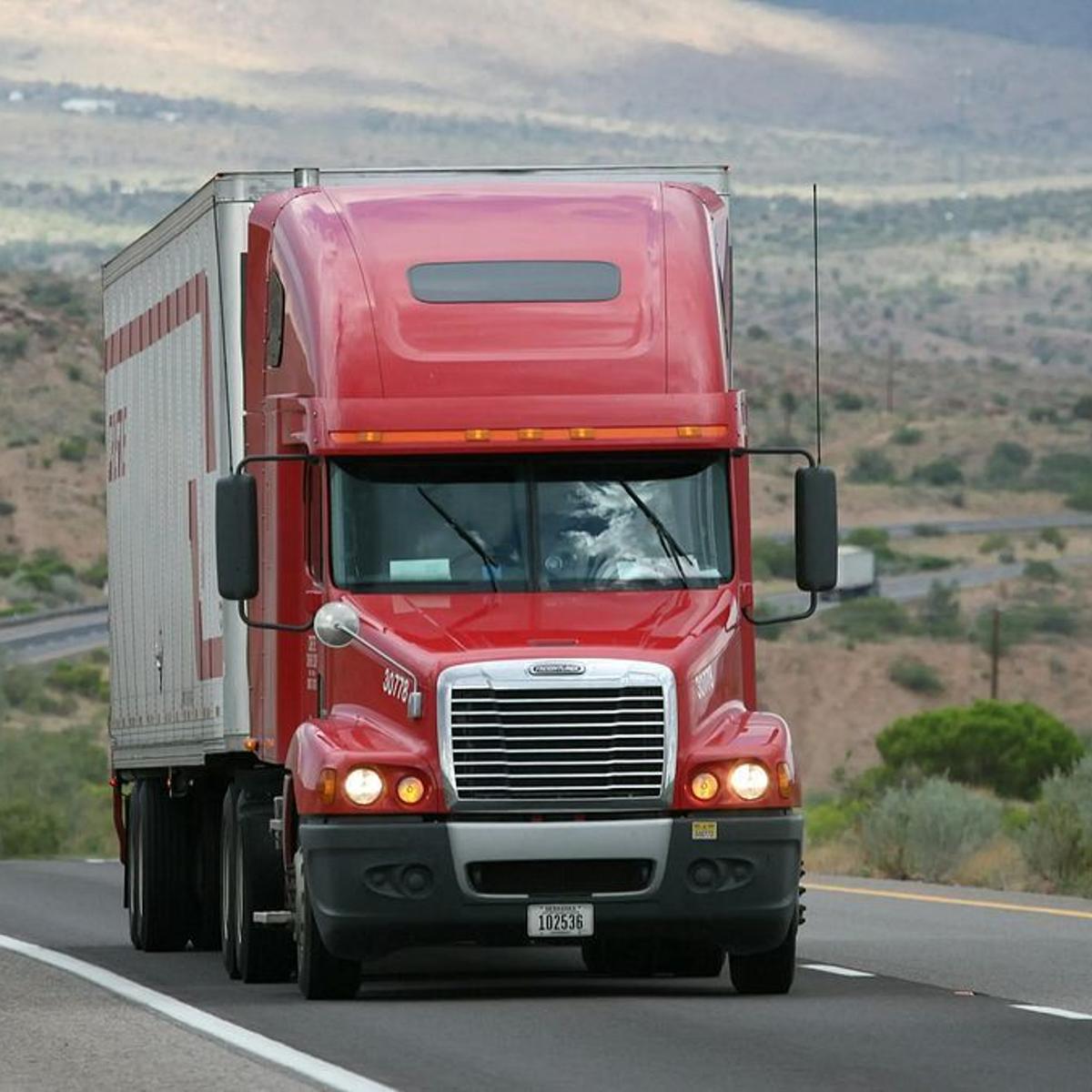


Diesel Surge to $6.39/Gallon Threatens Last-Mile Delivery | Sellers Must Act Now
- Trucking costs spike 72% YoY; independent carriers face 40-60% margin compression; supply chain disruptions imminent for food, medical, construction goods













Overview
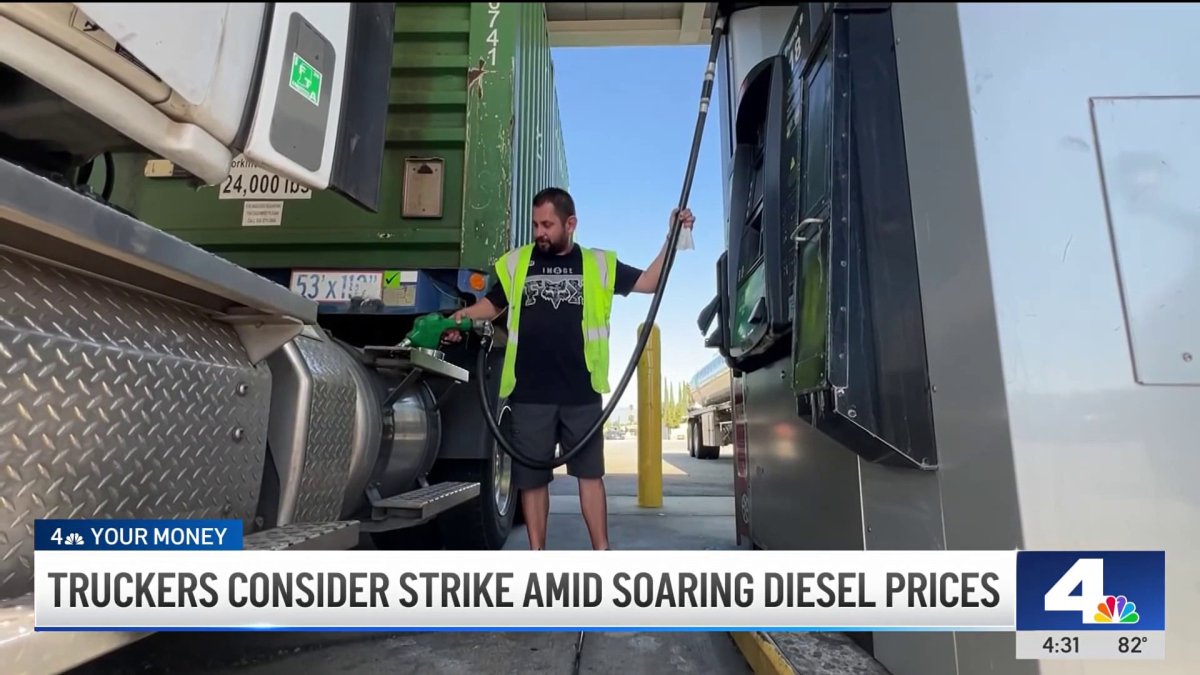
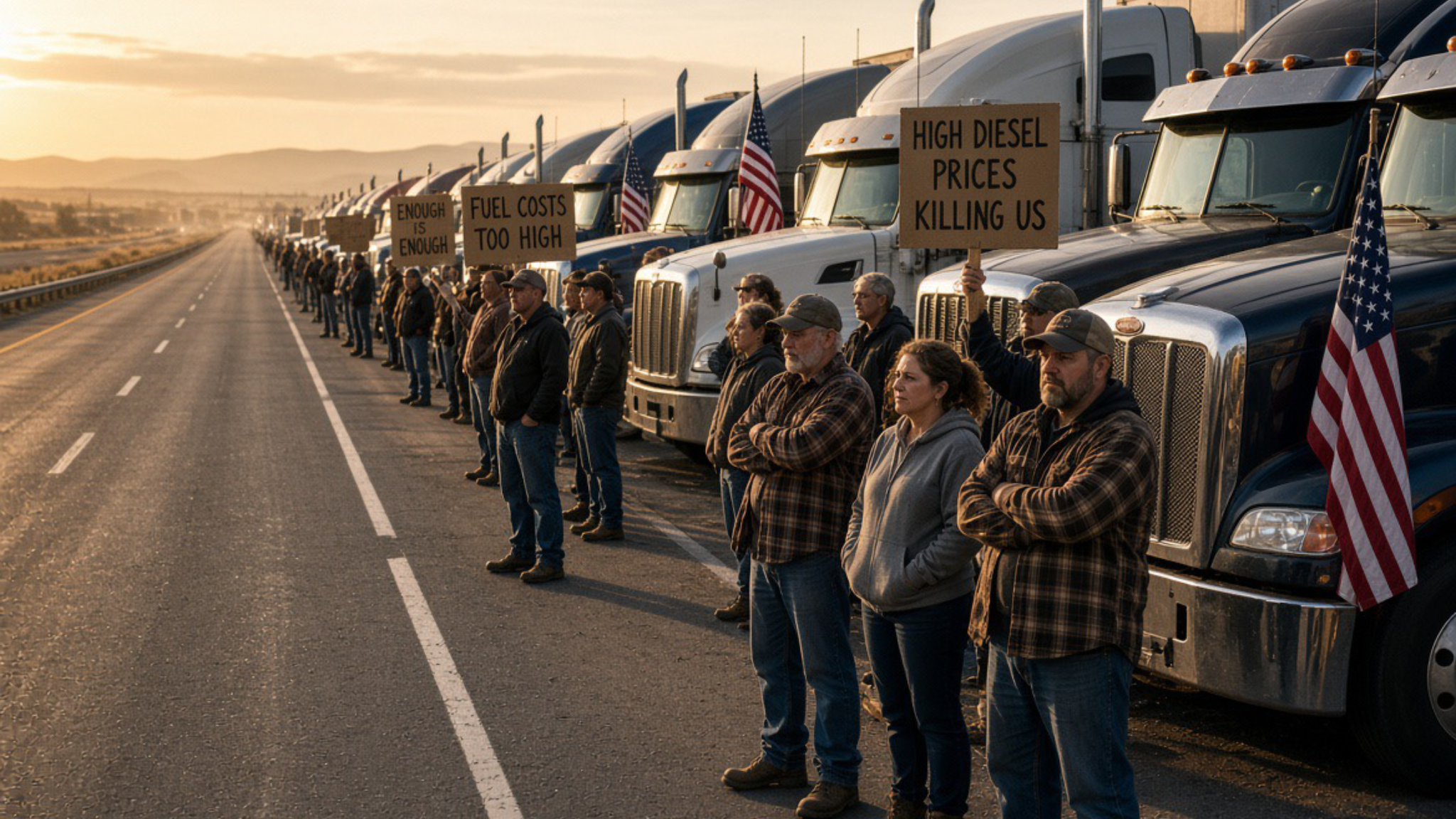
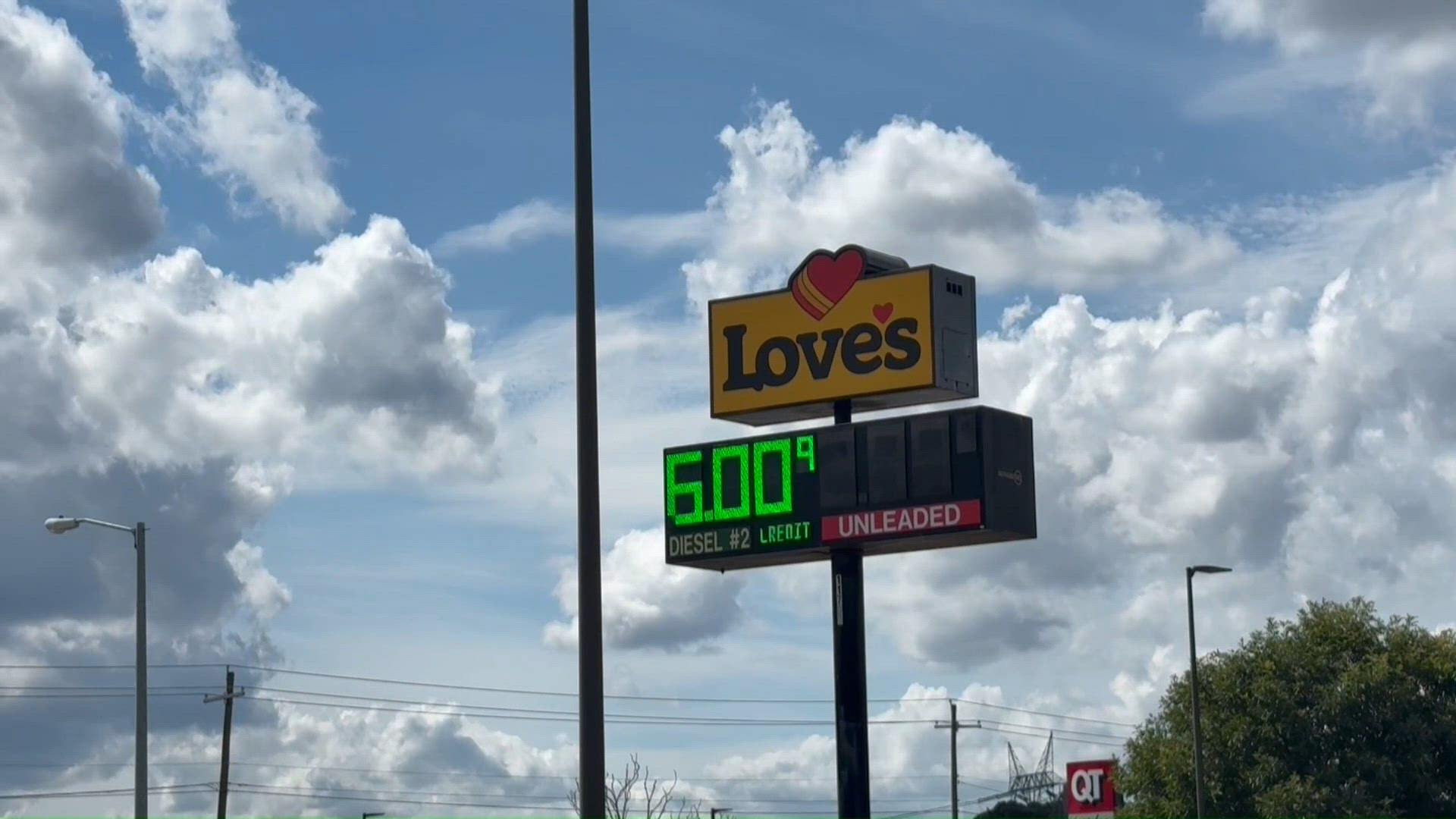
Diesel prices have surged to $6.39 per gallon nationally—a 72% increase from $3.71 one year ago—creating an acute supply chain crisis that directly threatens e-commerce fulfillment, last-mile delivery, and product sourcing for cross-border sellers. The price spike, triggered by geopolitical tensions (Iran conflict, Ukrainian attacks on Russian refineries), has transformed routine fill-ups into $1,000+ expenses for independent truckers. According to the Owner-Operator Independent Drivers Association (representing 135,000 members), each dollar-per-gallon increase costs small truckers an additional $400 weekly—a staggering $20,800 annually per operator. This creates immediate pressure on freight rates, inventory positioning, and fulfillment strategy for sellers relying on domestic trucking networks.
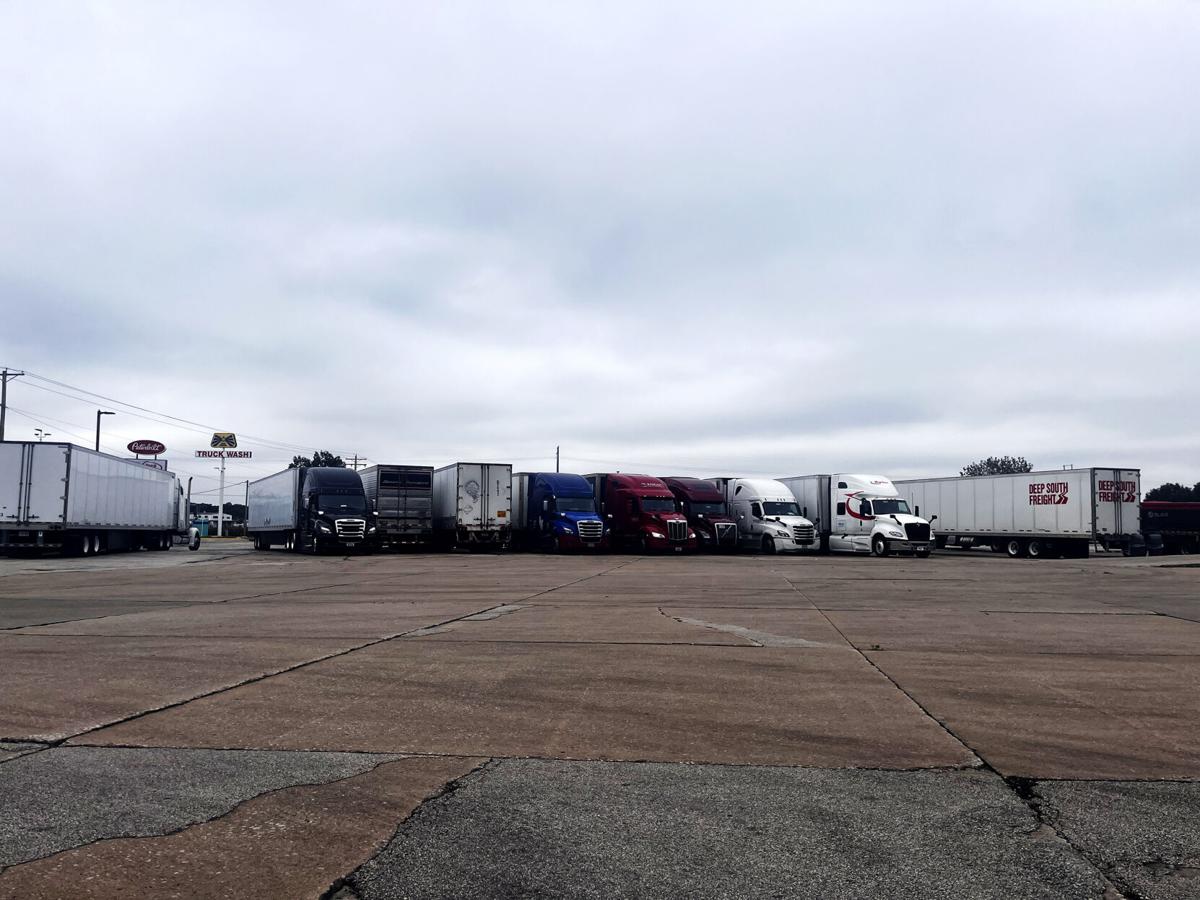
For e-commerce sellers, the operational impact is severe and multifaceted. Independent truckers—who handle 35-40% of US freight and negotiate load-by-load rates with brokers—cannot absorb fuel costs or raise prices quickly, unlike large carriers (UPS, FedEx, XPO). This margin compression forces three critical decisions: (1) Freight rate increases: Expect 8-15% surcharges on LTL (less-than-truckload) and FTL (full-truckload) shipments within 30-60 days as brokers pass costs downstream. (2) Inventory redistribution: Sellers must pre-position inventory in regional 3PL warehouses NOW to avoid peak-season shortages and rate spikes. (3) Last-mile delivery delays: Some independent carriers are parking rigs entirely; others are reducing routes, creating 3-7 day delays in food delivery, medical supplies, and construction materials—categories heavily dependent on trucking. The news reports that some truckers have turned to crowdfunding for fuel, signaling systemic stress that will cascade to sellers within 4-8 weeks.
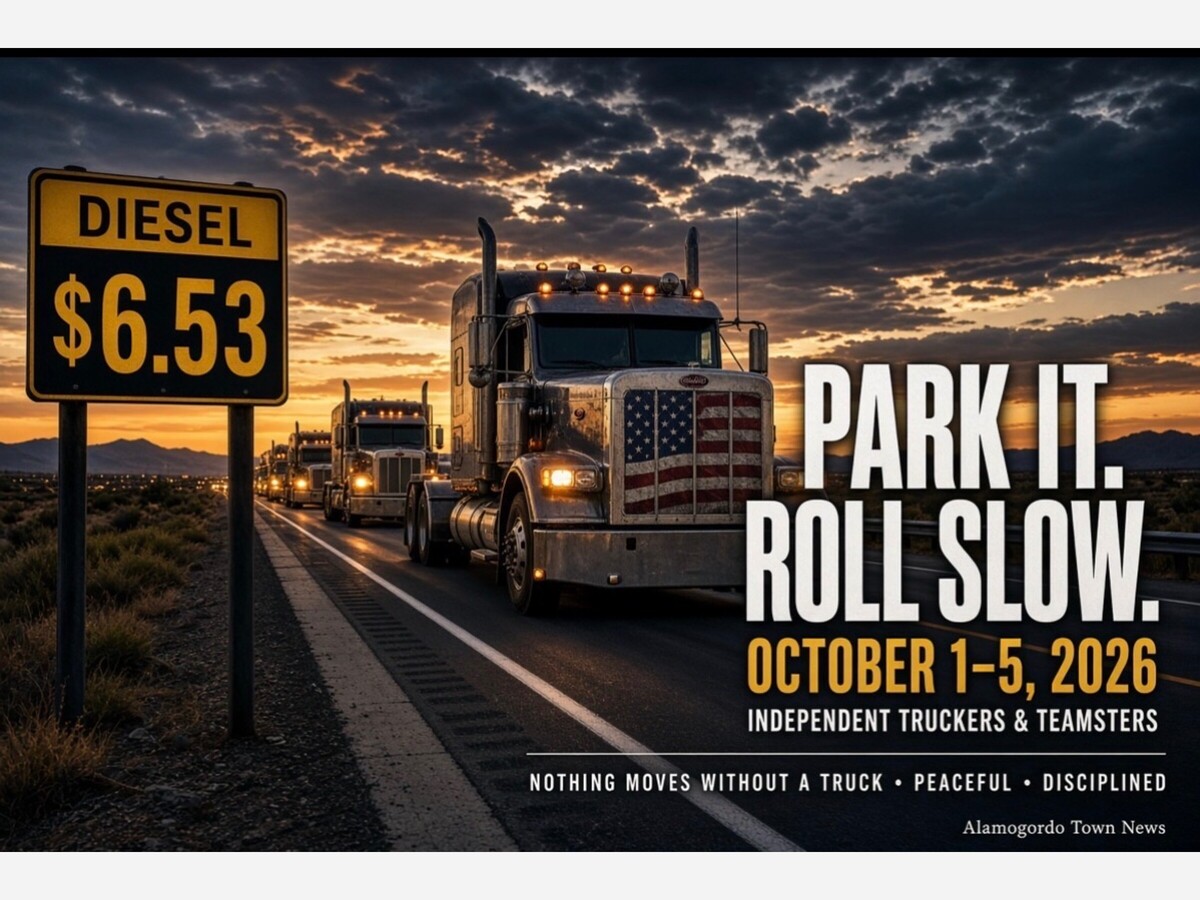
Strike risk remains speculative but operationally significant. While News 2 indicates "concrete evidence of organized labor action remains limited," the rumored strike reflects genuine frustration. Previous independent trucker protests achieved limited participation, but current fuel prices ($6.39/gallon) exceed historical crisis levels (2008: $4.11/gallon). Freight brokers and shippers are activating contingency plans, suggesting supply chain stakeholders expect disruption. For sellers, this means: (1) Immediate action required: Lock in freight rates with carriers before Q1 2025 rate adjustments; (2) Inventory strategy: Stock 8-12 weeks of fast-moving SKUs in US warehouses before March; (3) Alternative logistics: Evaluate rail freight (BNSF, Union Pacific) for non-perishable goods—typically 15-20% cheaper than trucking but 5-7 days slower; (4) Regional sourcing: Shift 20-30% of sourcing from distant suppliers to regional hubs to reduce trucking distance and fuel exposure. Categories most vulnerable: food/beverage (perishable, high-volume trucking), medical supplies (time-sensitive), construction materials (heavy, fuel-intensive), and apparel (seasonal inventory buildup). Sellers shipping via Amazon FBA should expect 5-8% fulfillment cost increases by Q2 2025 as Amazon adjusts logistics partner rates.
Questions 7
How do I calculate the total landed cost impact of diesel price increases?
Use this formula: **Landed Cost = (Product Cost + Trucking Cost + Storage Cost + Tariffs) / Units Sold**. Diesel price increases affect trucking cost directly. Example: If you source 1,000 units from a West Coast supplier at $10/unit, with trucking at $2,000 (FTL), your trucking cost per unit is $2. A 10% fuel surcharge adds $0.20/unit. If you store inventory in a regional 3PL for 60 days at $0.50/unit/month, that's $1/unit. Total landed cost: $10 + $2.20 + $1 = $13.20/unit. The news indicates fuel surcharges will increase 8-15% by Q2 2025, adding $0.16-$0.30/unit. Recalculate landed costs for all SKUs by February 2025 and adjust pricing accordingly to maintain margins.
How can I reduce trucking exposure through alternative logistics?
Three alternatives reduce fuel-price exposure: (1) **Rail Freight**: BNSF and Union Pacific offer 15-20% cost savings vs. trucking but require 5-7 day longer transit. Ideal for non-perishable, non-urgent inventory. (2) **Regional Sourcing**: Shift 20-30% of sourcing from distant suppliers to regional hubs (e.g., Mexico for US sellers, Eastern Europe for EU sellers). Reduces trucking distance and fuel exposure by 40-60%. (3) **Dropshipping/POD**: For low-velocity SKUs, use print-on-demand or dropshipping to eliminate inventory holding and trucking costs. The news indicates independent truckers cannot absorb fuel costs, making alternative logistics economically attractive. Calculate landed cost (sourcing + trucking + storage) for each option by February 2025.