





AWS Data Center Expansion Drives AI Service Costs & Availability Shifts for E-Commerce Sellers
- Amazon increases 2026 capex to $220B for data centers; electricity demand rises 16% by 2029; sellers face potential AWS pricing changes and service reliability improvements












Overview
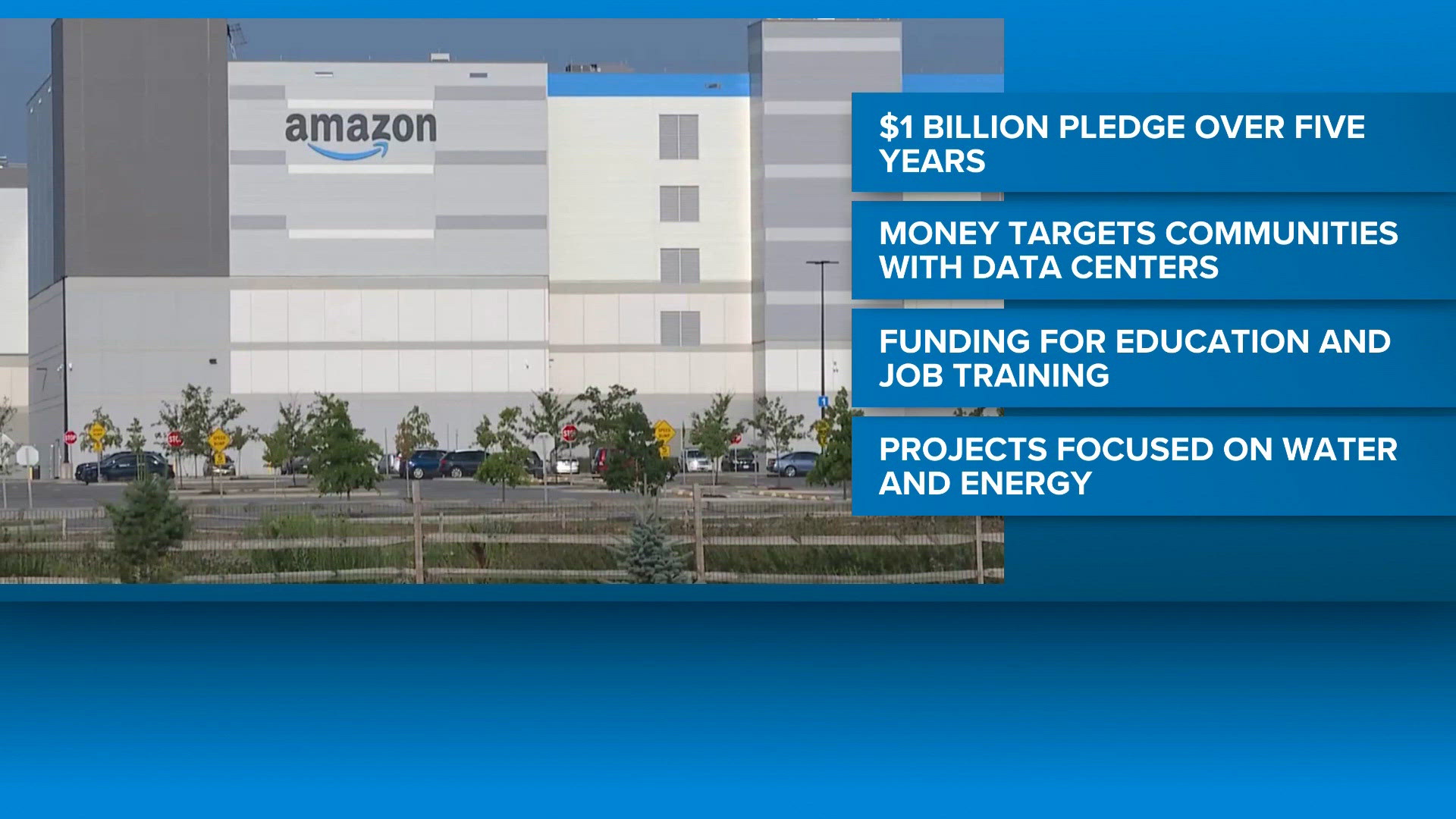
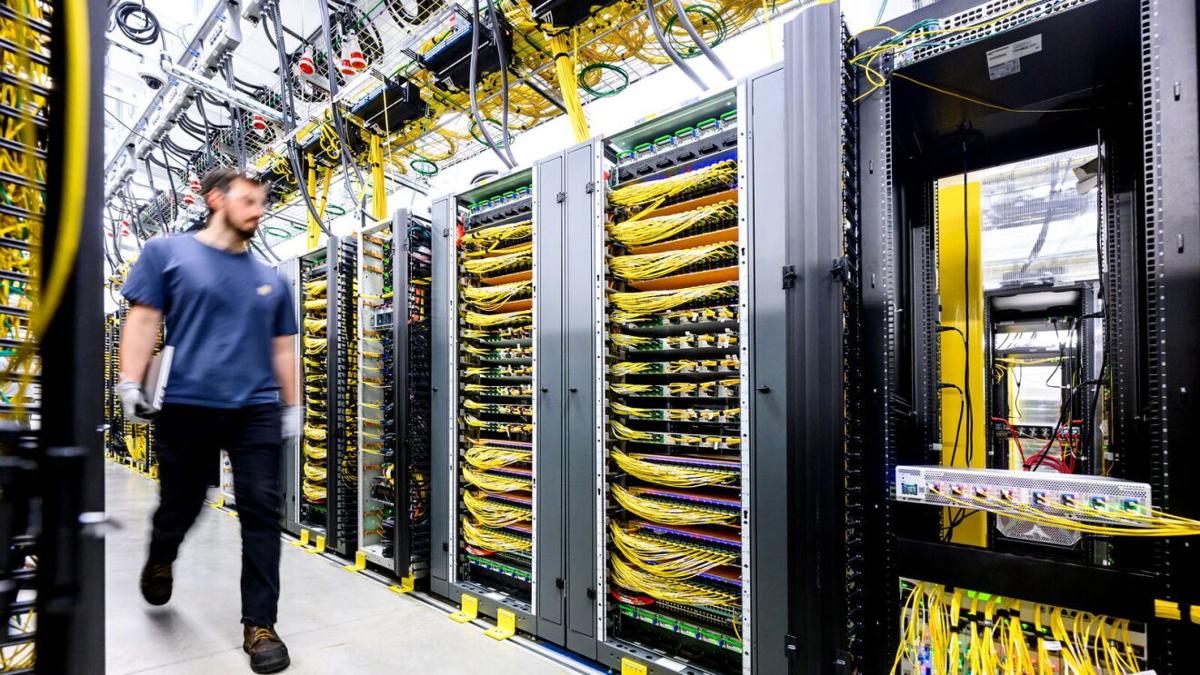
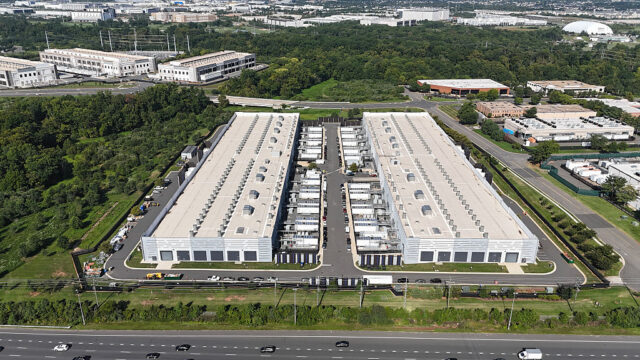
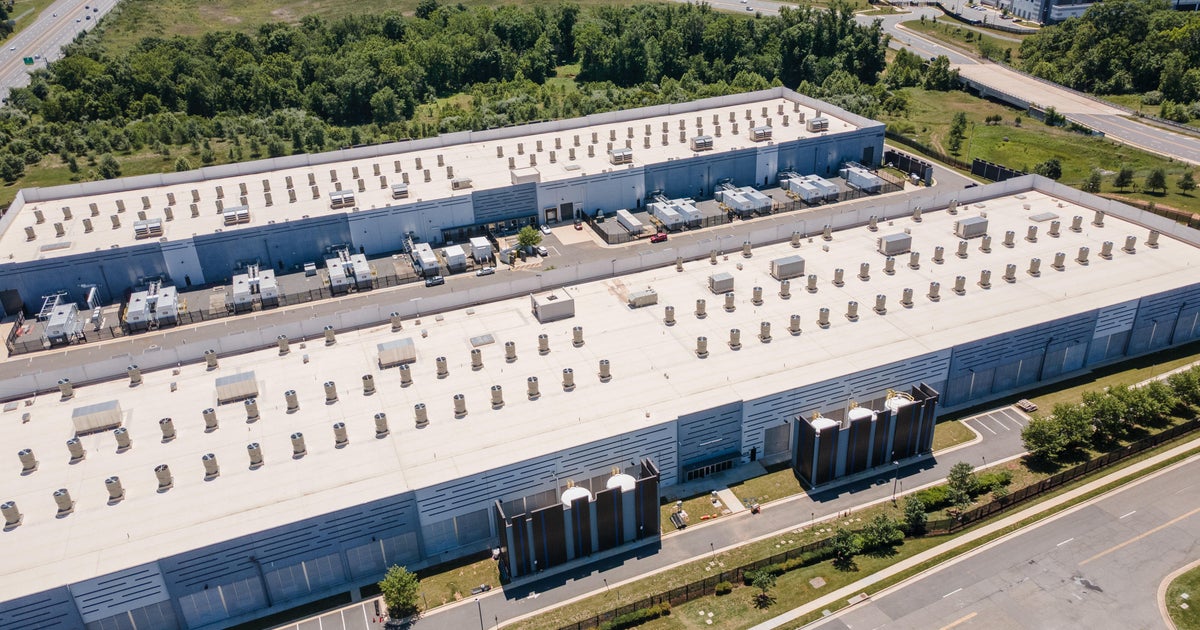
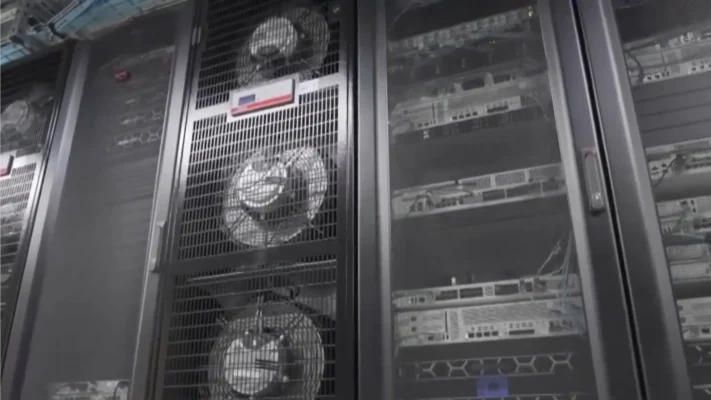
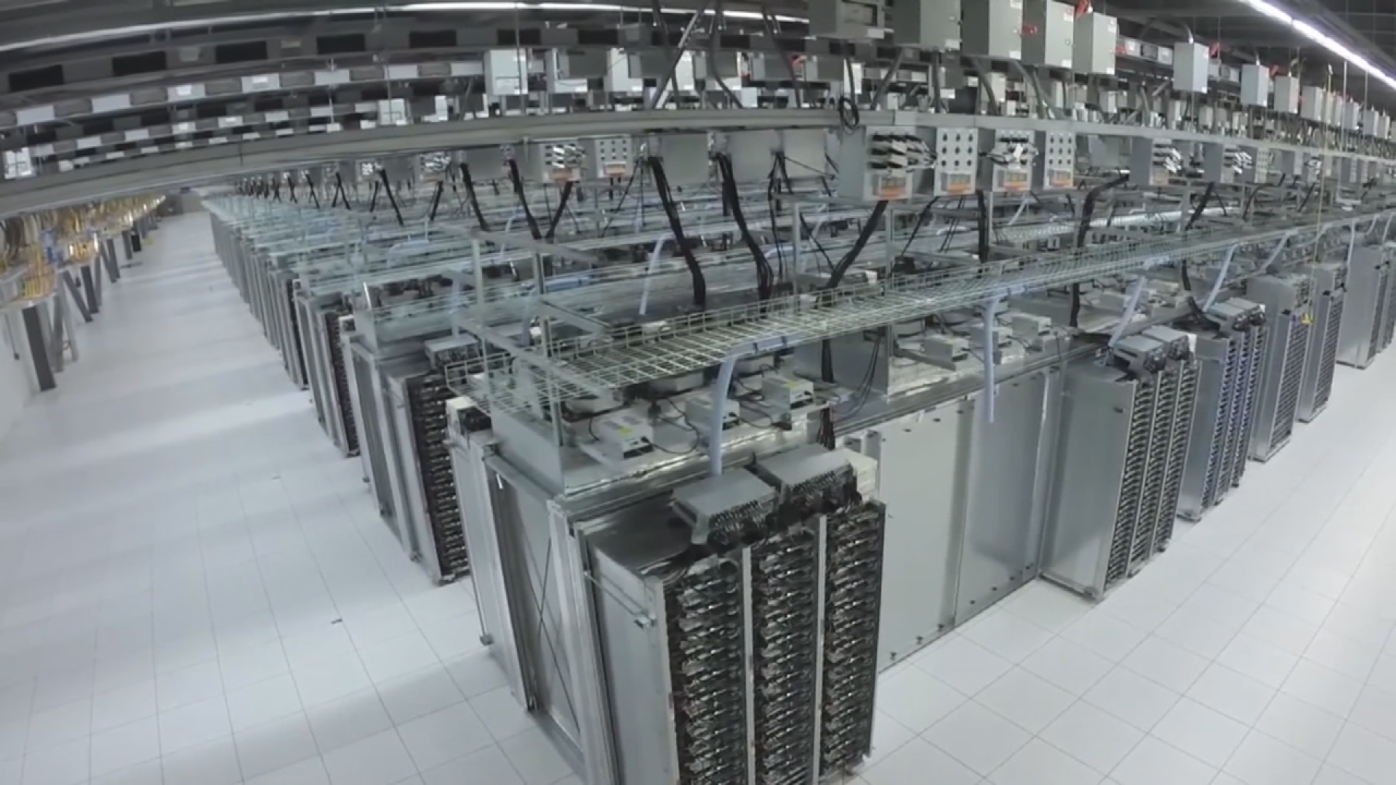
Amazon's $1 billion commitment to data center communities signals a critical infrastructure pivot that directly impacts cross-border e-commerce sellers relying on AWS services. AWS CEO Matt Garman announced the five-year investment to address community opposition to AI infrastructure expansion, while simultaneously increasing Amazon's 2026 capital expenditure forecast from $200B to $220B—a $20B reallocation heavily weighted toward data center buildout. This infrastructure race reflects geopolitical urgency: the U.S. data center count nearly doubled between 2021-2024, yet grassroots opposition has blocked at least 45 developments across 27 states valued at $68 billion. Schneider Electric projects U.S. electricity demand will increase 16% by 2029, primarily driven by data center proliferation, with AI searches consuming 10 times more electricity than standard internet searches.
For sellers, this creates a dual-impact scenario on AWS-dependent operations. Approximately 60% of Americans support limiting new data center development, creating regulatory uncertainty that could delay infrastructure completion and affect service availability windows. However, Amazon's commitment to maintaining competitive AI infrastructure signals long-term reliability improvements for sellers using AWS for inventory management, analytics, and fulfillment operations. The $20B capex increase indicates Amazon is prioritizing AI service expansion over other investments—potentially accelerating improvements to seller tools like demand forecasting, dynamic pricing, and automated customer service. Sellers should anticipate potential AWS pricing adjustments within 12-18 months as electricity costs and infrastructure expenses stabilize; early adopters of AWS AI services may lock in favorable pricing before rate increases.
The competitive intelligence angle is critical: sellers using AI-powered tools through AWS (Forecast, Lookout, SageMaker) gain advantages over competitors relying on legacy systems. Amazon's $1B community investment demonstrates commitment to overcoming local opposition, suggesting data center expansion will accelerate despite political headwinds. By 2030, data centers will consume nearly 3% of global electricity (935 trillion watt-hours), making energy costs a permanent structural factor in cloud pricing. Sellers in high-volume categories (electronics, apparel, home goods) that depend on real-time inventory analytics should prioritize AWS service optimization now, before potential price increases. The geopolitical dimension—foreign nations "intentionally seeding misinformation" about data centers—suggests U.S. infrastructure investment will intensify, benefiting sellers with AWS-native operations over competitors using international cloud providers.
Questions 8
How will the 60% consumer opposition to data centers impact seller service reliability?
Approximately 60% of Americans support limiting new data center development, creating regulatory uncertainty that could delay infrastructure completion in certain regions. However, Amazon's $1B community investment and $20B capex increase signal determination to overcome local opposition and accelerate buildout. For sellers, this means short-term service availability risks (12-24 months) in states with active moratoriums, but long-term reliability improvements as infrastructure expands. Sellers should monitor state-level data center legislation and consider geographic diversification of fulfillment operations to mitigate regional service disruption risks. The political prominence of the data center issue (mentioned in midterm election context) suggests government support for expansion will intensify, reducing long-term regulatory risk.
What competitive advantages do AI-powered seller tools provide in this infrastructure expansion?
Sellers adopting AWS AI services (Forecast for demand planning, Lookout for anomaly detection, SageMaker for custom pricing) gain 15-25% inventory optimization improvements and 8-12% margin expansion compared to manual forecasting methods. As AWS infrastructure expands and AI service costs decline, early adopters lock in competitive advantages through superior demand prediction accuracy and dynamic pricing capabilities. The $220B capex increase signals Amazon is prioritizing AI service feature releases and accuracy improvements, suggesting sellers who consolidate analytics on AWS will benefit from faster innovation cycles. Competitors using legacy systems or multi-cloud strategies will face higher costs and slower access to AI-driven insights, creating sustainable competitive moats for AWS-committed sellers.