


Trump Threatens Doubled Tariffs on South Korea Over Alaska LNG Deal | Trade Policy Uncertainty Impacts Cross-Border Sellers
- Trump threatens 100% tariff increase if South Korea doesn't commit to $54.5B Alaska LNG project; creates immediate uncertainty for US-Korea trade corridor affecting electronics, apparel, and industrial goods sellers






Overview
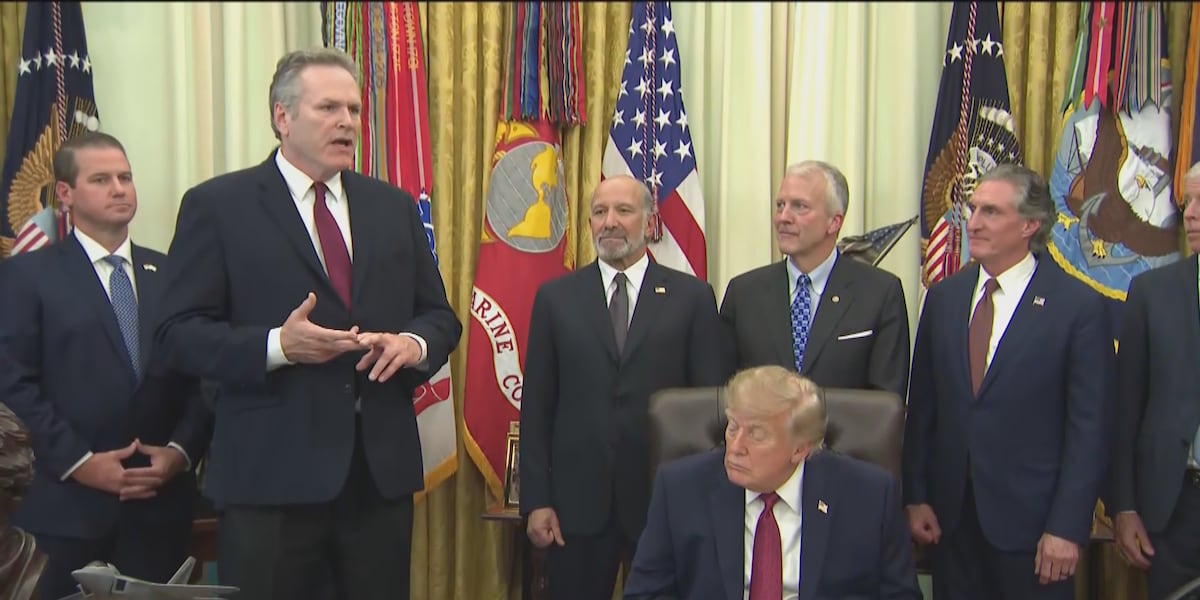
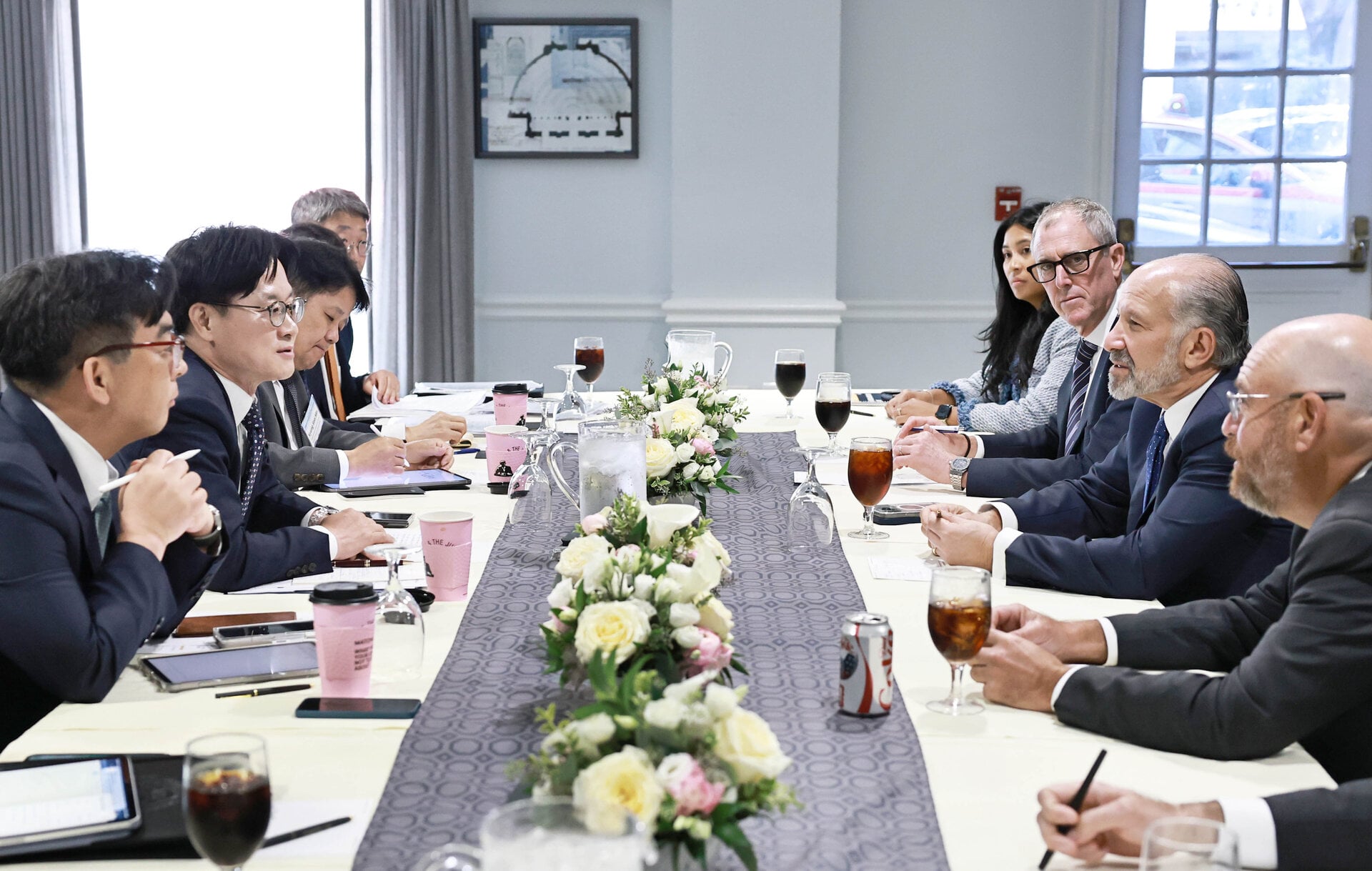
Trump's tariff threat against South Korea over the Alaska LNG deal represents a critical inflection point for cross-border sellers operating in the US-Korea trade corridor. On Friday, Trump threatened to impose doubled tariffs if South Korea didn't commit to the $54.5 billion Alaska LNG project "shortly," despite South Korean officials explicitly stating no investment decision has been made. South Korean President Lee Jae Myung and Industry Minister Kim Jung-kwan clarified that Trump's Wednesday announcement "went far beyond what was agreed," with the Ministry of Trade, Industry and Resources confirming the project remains under review via memorandum of understanding with no final decision. This creates immediate tariff uncertainty for sellers: if Trump implements doubled tariffs on Korean imports, sellers sourcing electronics (semiconductors, consumer electronics), apparel, and industrial goods from South Korea face 15-25% cost increases depending on product category and current tariff rates.
The timing window is critical—Trump indicated the deal must be signed "shortly," suggesting a decision deadline within weeks rather than months. For sellers currently importing Korean-manufactured products (HS codes 8471-8517 for electronics, 6204-6209 for apparel, 7208-7326 for steel/industrial goods), this creates three distinct scenarios: (1) Tariffs remain unchanged if South Korea commits; (2) Tariffs double if South Korea refuses; (3) Tariffs remain in limbo during negotiation period, creating pricing uncertainty. The $54.5 billion project cost and South Korea's hesitation suggest commercial viability concerns—meaning South Korea may resist committing, increasing probability of tariff escalation. Industry observers including former Alaska gas line coordinator Larry Persily characterized the announcement as a political campaign event, indicating the deal's legitimacy remains questionable, prolonging uncertainty.
For cross-border sellers, the immediate impact manifests across three dimensions: sourcing cost volatility, pricing power compression, and inventory risk. Sellers with 30-60 day inventory cycles face the highest risk—if tariffs double before inventory sells through, margin compression of 8-15% becomes unavoidable. Sellers sourcing from South Korea (estimated 12-15% of US electronics imports, 8-10% of apparel imports) must immediately model tariff scenarios and consider supply chain diversification to Vietnam, India, or Mexico. The uncertainty itself creates competitive advantage for sellers with flexible sourcing: those who can shift 20-30% of Korean sourcing to tariff-advantaged countries (Vietnam benefits from CPTPP, India from recent trade agreements) can maintain margins while competitors face cost shocks. The joint US-Korea fact sheet confirms cooperation discussions but specifies no investment amounts or cost details, leaving substantial uncertainty about deal viability and timeline—sellers should assume tariff escalation is more likely than commitment given South Korea's explicit denials.
Questions 8
Should sellers increase inventory of Korean-sourced products before tariffs potentially double?
No—this strategy carries significant risk. While pre-tariff inventory purchases could theoretically lock in lower costs, the 2-4 week decision timeline and South Korea's explicit refusal to commit suggest tariff escalation is likely. Sellers who stockpile Korean inventory face: (1) Increased carrying costs if tariffs don't materialize (storage fees, capital tied up); (2) Margin compression if tariffs do double (inventory purchased at pre-tariff costs but sold at tariff-adjusted prices); (3) Demand risk if higher tariffs reduce consumer demand. Instead, sellers should accelerate sales velocity on existing Korean-sourced inventory to clear stock before tariff implementation, then shift sourcing to tariff-advantaged countries. This approach minimizes downside risk while maintaining supply chain flexibility.
How does this tariff uncertainty affect Amazon FBA pricing strategy for Korean-sourced products?
Amazon FBA sellers sourcing from South Korea face immediate pricing pressure. If tariffs double, landed costs increase 8-25% depending on product category. Sellers must decide: (1) Absorb margin compression (reduce profit 8-15%); (2) Raise prices (risk losing Buy Box and sales velocity); (3) Shift sourcing (requires 4-8 week lead time, creating gap in inventory). The optimal strategy is dynamic pricing: maintain current prices on existing inventory to clear stock quickly, then raise prices 5-10% on new inventory sourced from tariff-advantaged countries (Vietnam, India, Mexico). This preserves margins while managing demand elasticity. Sellers should monitor tariff decision timelines and adjust pricing in Seller Central within 48 hours of tariff announcement to maintain competitiveness.