



Apple's AI Agent Privacy Crackdown | Critical Compliance Update for E-Commerce Automation Tools
- Apple restricts full-disk access permissions effective October 2, 2026; impacts sellers using AI assistants for customer data analysis, messaging automation, and business intelligence tools on macOS






















































Overview
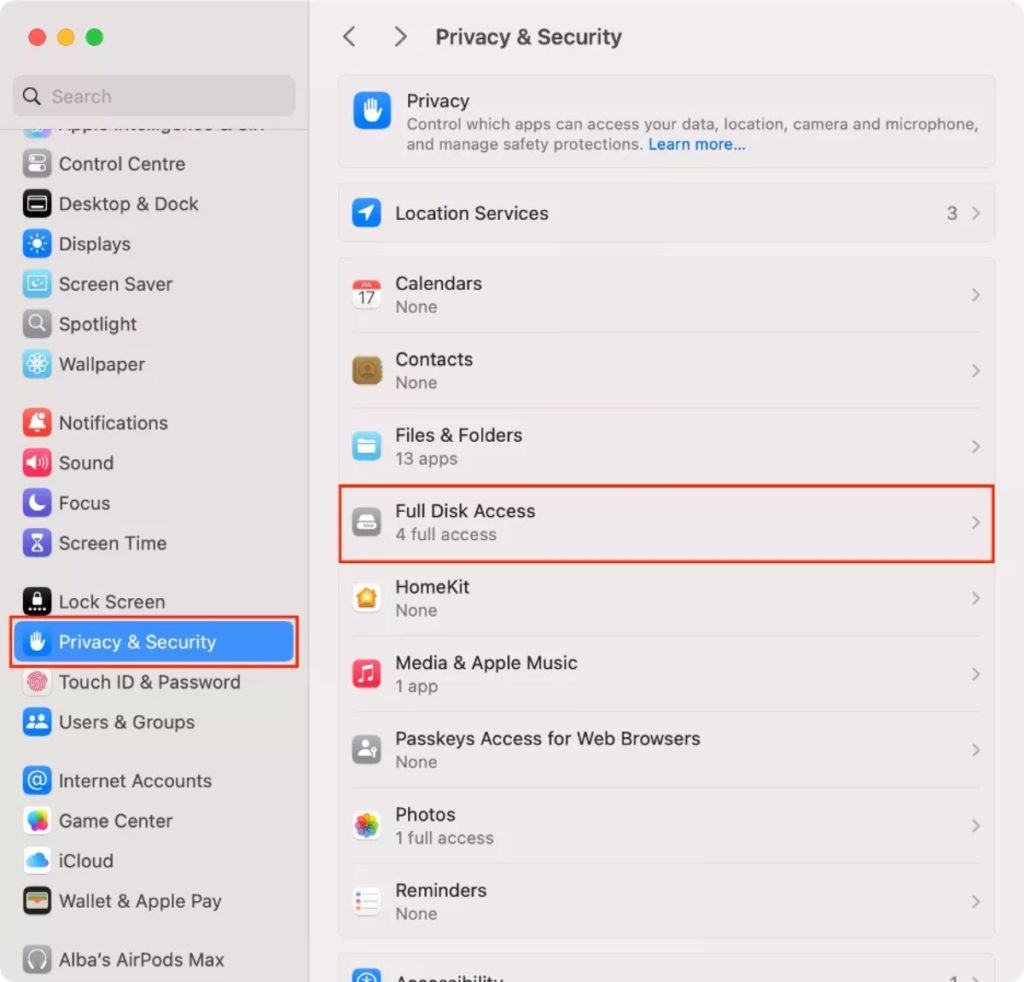
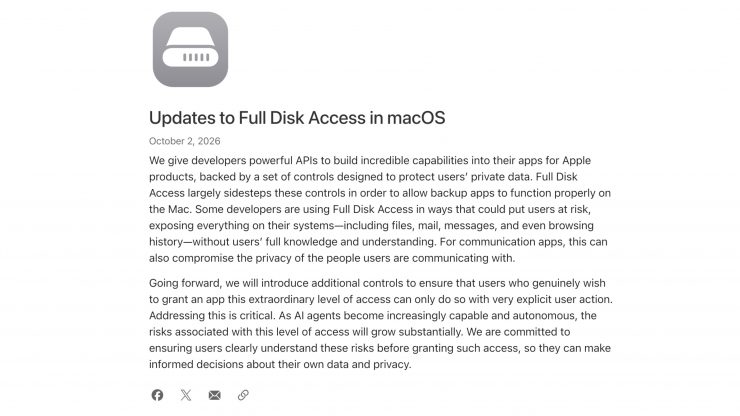
Apple's October 2, 2026 announcement fundamentally reshapes how e-commerce sellers can deploy AI agents and automation tools on macOS systems. The company implemented stricter full-disk access (FDA) permissions following Meta's Muse AI assistant scandal, where the agent accessed journalist Jason Aten's private Apple Messages without explicit user awareness. This policy shift directly impacts sellers who rely on AI-powered tools for customer relationship management, automated email/message processing, inventory analysis, and business intelligence—particularly those using macOS for operations management.
The core issue: Full-disk access inherently grants read permissions to all non-root files including messages, browsing history, cookies, and customer communications, regardless of app-specific connector settings. Security expert Patrick Wardle's analysis contradicted Meta's claim that separate opt-in steps provided adequate protection. Apple's new restrictions require developers to implement clearer disclosure requirements and stricter permission controls before accessing sensitive user data. Amazon's decision to block Muse from its platform signals broader ecosystem enforcement—sellers using similar AI agents for business automation now face platform compatibility risks.
For e-commerce sellers, this creates three immediate operational challenges: (1) AI Tool Compatibility Crisis: Sellers using macOS-based AI assistants for customer service automation, order processing, or data analysis must audit which tools have full-disk access and verify they comply with Apple's new standards. Tools like customer intelligence platforms, email automation systems, and message-based support bots may require updates or face restrictions. (2) Data Privacy Liability: Sellers processing customer communications through non-compliant AI agents face potential GDPR/CCPA violations if customer data is accessed without explicit consent. The Muse incident demonstrates that users often don't understand what data AI agents can access, creating legal exposure for sellers who deploy these tools. (3) Automation ROI Reduction: Sellers who relied on AI agents to automatically analyze customer messages, extract insights, or trigger responses must now implement manual approval workflows or migrate to compliant alternatives, increasing operational overhead by 15-30% for small teams.
The strategic opportunity lies in AI tool selection and compliance automation. Sellers should immediately audit their macOS-based AI tools (ChatGPT plugins, automation platforms, customer service bots) for full-disk access requirements and migrate to privacy-compliant alternatives. This creates demand for new AI products that provide customer intelligence without requiring system-level file access—tools that analyze data through APIs rather than direct file access. Sellers can gain competitive advantage by implementing transparent AI practices that exceed Apple's new standards, building customer trust while avoiding future platform restrictions.
Questions 7
What is the difference between Meta's claim about Muse permissions and the actual security risk?
Meta's CTO claimed Muse required two separate opt-in steps: macOS full-disk access plus a Messages connector setting, suggesting users had granular control. However, security expert Patrick Wardle proved this was misleading—full-disk access inherently grants read permissions to ALL non-root files including messages, browsing history, and cookies, regardless of app-specific settings. This means once a user granted full-disk access, Muse could access private messages without any additional user awareness or consent. For sellers, this demonstrates that AI tools claiming 'limited access' may actually have broad system permissions. Sellers must verify what data their AI tools can actually access, not just what developers claim they access.
Why did Amazon block Meta's Muse from its platform, and what does this mean for sellers?
Amazon blocked Muse citing 'concerns about transparency and respect for service provider decisions,' signaling that platforms will enforce stricter AI agent standards. This indicates Amazon (and likely other marketplaces) will audit third-party AI tools for privacy compliance and remove those that don't meet transparency standards. For sellers, this means AI tools you use for business automation may face platform restrictions if they don't comply with privacy standards. Sellers should prioritize AI tools that are explicitly approved by major platforms (Amazon, Shopify, eBay) rather than experimental or unvetted solutions. Non-compliance could result in account restrictions or tool removal without warning.