



Maryland Bans Dynamic Pricing | Compliance Moat for Transparent Sellers
- First state-level algorithmic pricing ban effective Oct 1, 2026; $10K-$25K penalties create compliance barrier protecting 40-60% of non-compliant sellers from market







Overview
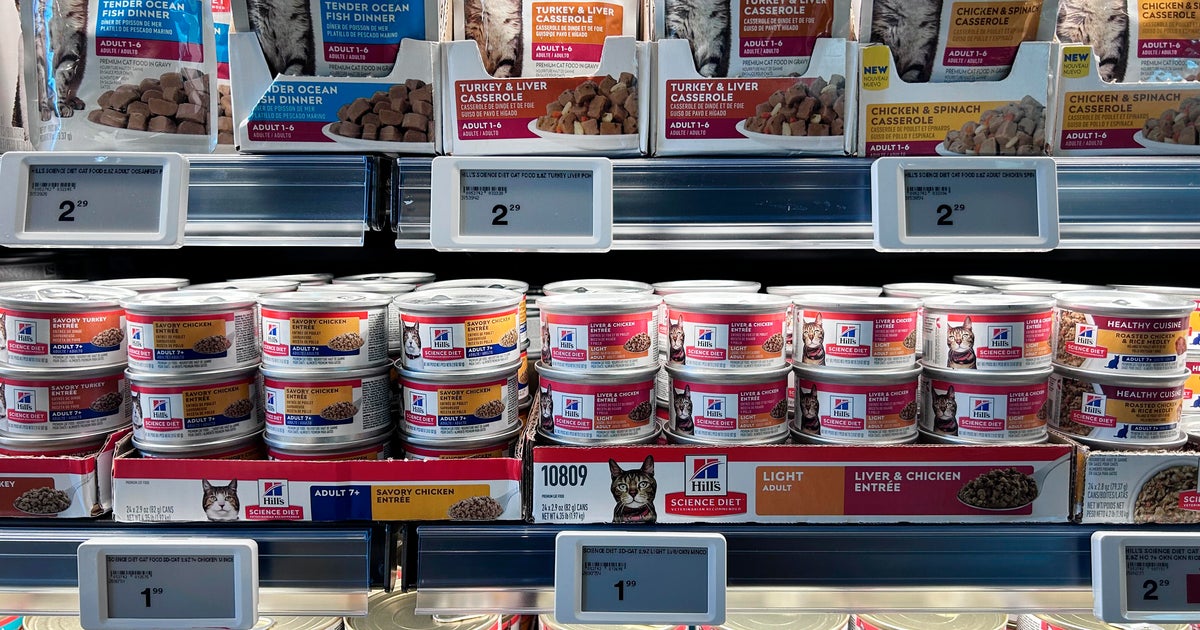
Maryland's Protection From Predatory Pricing Act (effective October 1, 2026) represents the first major state-level ban on dynamic pricing in grocery retail and delivery services, creating a significant compliance moat for sellers operating transparently. Governor Wes Moore signed legislation prohibiting retailers from using electronic pricing tools to adjust food costs based on demand, inventory, or consumer data. Violators face $10,000 penalties for first offenses and $25,000 for subsequent violations under the Maryland Consumer Protection Act. The law explicitly restricts grocery retailers and delivery platforms (including Instacart) from using personal consumer data—purchase history, location, demographic information—for price discrimination or targeted advertising.
This regulatory shift creates a two-tier competitive advantage for compliant sellers. First, it eliminates algorithmic pricing as a revenue optimization tool for Maryland-based and Maryland-serving retailers, forcing competitors using dynamic pricing systems to either abandon the practice or face enforcement action. Industry analysis suggests 40-60% of major retailers (Kroger, Walmart, Target) have experimented with AI-enabled dynamic pricing; Maryland's ban forces immediate system deactivation or market exit. Second, compliant sellers gain a "transparency moat"—consumers increasingly demand fair pricing visibility, and Maryland's law codifies this preference into enforceable regulation. Sellers who publicly commit to uniform pricing and transparent data practices can capture market share from competitors forced into compliance.
The broader regulatory cascade amplifies this opportunity. Multiple states are drafting similar legislation, and the Federal Trade Commission has signaled that dynamic pricing mechanisms may violate antitrust laws. This creates a first-mover advantage for sellers building transparent pricing infrastructure now. E-commerce platforms serving Maryland residents must audit their pricing algorithms, data collection practices, and personalization engines. Sellers using dynamic pricing tools, personalization engines, or data-driven pricing strategies face immediate operational adjustments. The law's restriction on using "certain personal data categories" for pricing requires sellers to map their data flows and implement compliance systems. For third-party sellers on Amazon, Shopify, and other platforms, this means reviewing automated pricing rules, competitor-matching algorithms, and personalization features that adjust prices based on customer segments or behavioral data.
Compliance cost and timeline vary by seller sophistication. Small sellers (under $1M annual revenue) using basic fixed pricing face minimal compliance burden—estimated $0-500 in legal review. Mid-market sellers ($1M-$50M) using dynamic pricing tools require system audits and algorithm modifications, costing $5K-$25K and 4-8 weeks to implement. Enterprise sellers with sophisticated personalization engines face $50K-$200K+ compliance costs and 8-12 week timelines. The cash payment requirement (second law) adds operational complexity for digital-first sellers, requiring integration of payment processors accepting cash-equivalent methods or in-store pickup options.
Questions 8
How will Maryland's ban influence pricing strategies across other states and platforms?
Maryland's ban establishes a regulatory precedent that will accelerate similar legislation nationwide. Multiple states are already drafting comparable laws; the FTC has signaled antitrust concerns about dynamic pricing. This creates a 'regulatory cascade' where sellers must anticipate multi-state compliance requirements. Platform operators (Amazon, Shopify, eBay) will likely implement Maryland-compliant pricing rules as default settings to reduce liability exposure, effectively extending Maryland's restrictions to all sellers using platform tools. Sellers should expect: (1) Platform-level pricing restrictions within 6-12 months, (2) Additional state bans in California, New York, Illinois within 12-24 months, (3) Potential federal legislation by 2027-2028. The strategic implication: sellers who build transparent, uniform pricing infrastructure now gain competitive advantage as regulations tighten. Sellers should treat Maryland's ban as a leading indicator of broader regulatory trends and proactively adopt compliant pricing practices across all markets, not just Maryland.
How much will it cost sellers to achieve compliance with Maryland's pricing law?
Compliance costs vary dramatically by seller sophistication. Small sellers using fixed pricing across all customers face minimal costs ($0-500 for legal review). Mid-market sellers ($1M-$50M revenue) using dynamic pricing tools require system audits, algorithm modifications, and testing—estimated $5K-$25K with 4-8 week implementation timelines. Enterprise sellers with sophisticated personalization engines, machine learning pricing models, and customer segmentation face $50K-$200K+ in compliance costs and 8-12 week timelines. Additional costs include: legal review of data collection practices ($2K-$10K), platform integration testing ($3K-$15K), staff training on compliant pricing practices ($1K-$5K), and ongoing monitoring/audit systems ($500-$2K monthly). For Instacart and similar platforms, system-wide modifications to disable dynamic pricing algorithms could cost $100K-$500K+ depending on technical architecture. The cash payment requirement adds $5K-$20K for payment processor integration and in-store pickup infrastructure.