
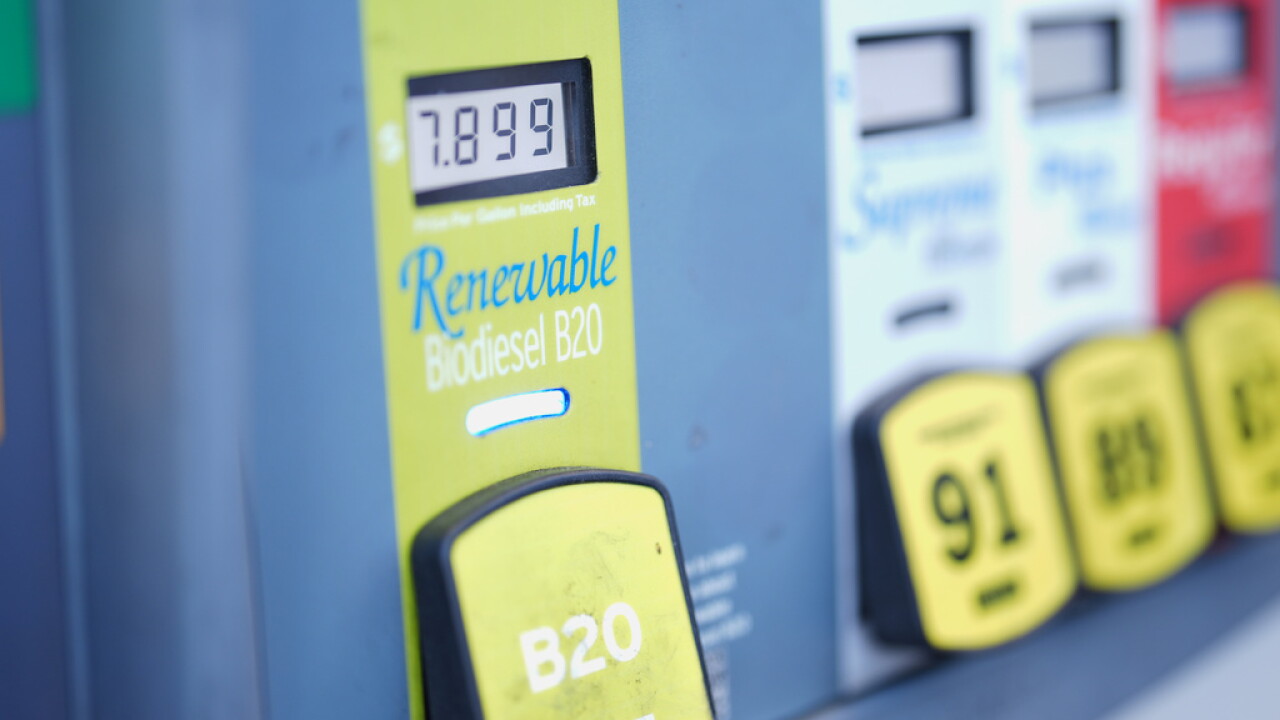





Diesel Supply Crunch Drives 5-15% Freight Surcharges | E-Commerce Logistics Impact 2025
- Refinery capacity constraints trigger emergency surcharges affecting last-mile delivery costs for cross-border sellers through 2025













Overview
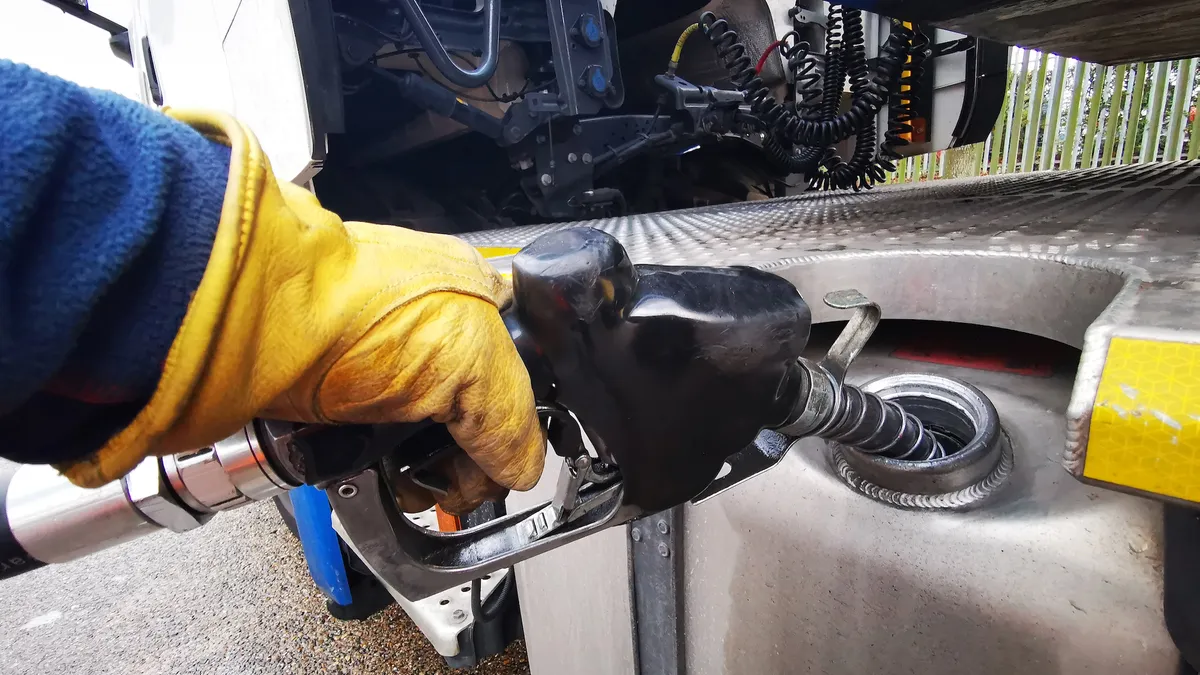
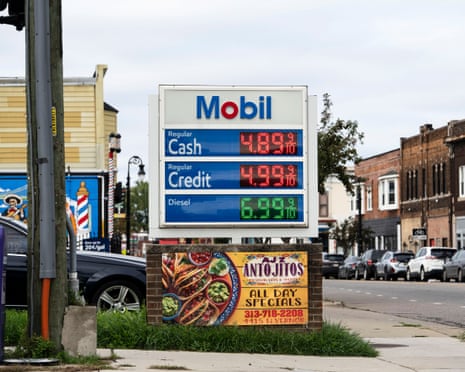
The global diesel supply crunch, driven by refinery capacity constraints and geopolitical pressures, is creating immediate cost pressures for e-commerce logistics operations. According to industry reports, freight carriers are implementing emergency surcharges of 5-15% above standard contract rates, with this supply disruption expected to persist through 2025. For cross-border e-commerce sellers, this translates directly to higher last-mile delivery costs and margin compression on international shipments, particularly affecting businesses relying on ground transportation networks managed by carriers like FedEx and UPS.
The core logistics impact breaks down across three operational dimensions: First, last-mile delivery costs are rising as 3PLs and freight forwarders pass fuel surcharges to shippers through contract renegotiations. Sellers managing high-volume, weight-dependent shipments face the steepest exposure—a seller shipping 1,000+ units monthly via ground freight could see monthly logistics costs increase by $800-2,400 depending on shipment weight and distance. Second, inventory positioning becomes critical as fuel volatility creates pressure on just-in-time delivery models. Sellers dependent on time-sensitive fulfillment face longer delivery timeframes due to fuel availability constraints, forcing strategic decisions about warehouse positioning and safety stock levels. Third, carrier diversification and modal shifts offer cost mitigation opportunities—companies exploring route optimization, rail alternatives, and ocean freight consolidation can offset 20-40% of fuel surcharge impacts through logistics restructuring.
Regional exposure varies significantly: Sellers operating in regions with limited refinery capacity (parts of Europe, Asia Pacific) face heightened vulnerability compared to US-based operations with more diversified fuel supply. Sellers using Amazon FBA face indirect exposure through fulfillment fee adjustments, while those managing 3PL networks have direct exposure through freight contract renegotiations. The diesel shortage particularly impacts sellers in heavy categories (furniture, appliances, sporting goods) where weight-based shipping dominates cost structure. Historically, diesel market disruptions have preceded broader logistics cost increases across e-commerce platforms within 4-8 weeks, making immediate action critical for margin protection.
Immediate strategic actions for sellers: Monitor fuel surcharge indices from major carriers (FedEx Fuel Surcharge Index, UPS Fuel Surcharge) weekly to anticipate pricing changes. For sellers with existing freight contracts, negotiate force majeure clauses protecting against extreme price volatility before Q1 2025 contract renewals. Consider shifting 15-25% of inventory to regional 3PL warehouses closer to customer bases to reduce ground transportation distances and fuel exposure. Evaluate modal shifts—consolidating shipments for ocean freight instead of air freight can reduce fuel-dependent costs by 30-50%, though with 2-3 week lead time trade-offs. For FBA sellers, monitor Amazon's fulfillment fee adjustments (typically lag fuel price changes by 6-8 weeks) and adjust pricing strategies preemptively to maintain margins.
Questions 8
What alternative fulfillment models reduce fuel cost exposure?
Dropshipping eliminates shipping exposure entirely by having suppliers ship directly to customers, avoiding fuel surcharges on seller-controlled logistics. Print-on-demand models for apparel and home goods reduce inventory holding costs and ground transportation. Hybrid FBA/FBM models allow sellers to use FBA for fast-moving SKUs (BSR under 5,000) while using 3PL for slower items, optimizing cost per unit. Regional fulfillment networks with 2-3 strategically positioned warehouses reduce last-mile ground transportation by 40-60% compared to centralized models. For cross-border sellers, consolidating shipments via ocean freight to regional distribution centers (Asia, Europe, North America) then using local 3PLs for last-mile delivery provides 30-50% total cost savings versus direct-to-customer air freight.
How long will diesel supply constraints and surcharges persist?
Industry analysts expect the diesel shortage and associated surcharges to persist through 2025 due to constrained global refinery capacity. Refinery maintenance schedules and geopolitical factors will continue creating supply volatility. Sellers should plan logistics strategies assuming 5-15% surcharges remain in effect through Q4 2025. Monitor refinery capacity reports quarterly and adjust inventory positioning if capacity constraints ease. Consider locking in favorable freight contracts for H2 2025 (July-December) now, as carriers typically offer better rates for longer commitment periods during volatile markets.