


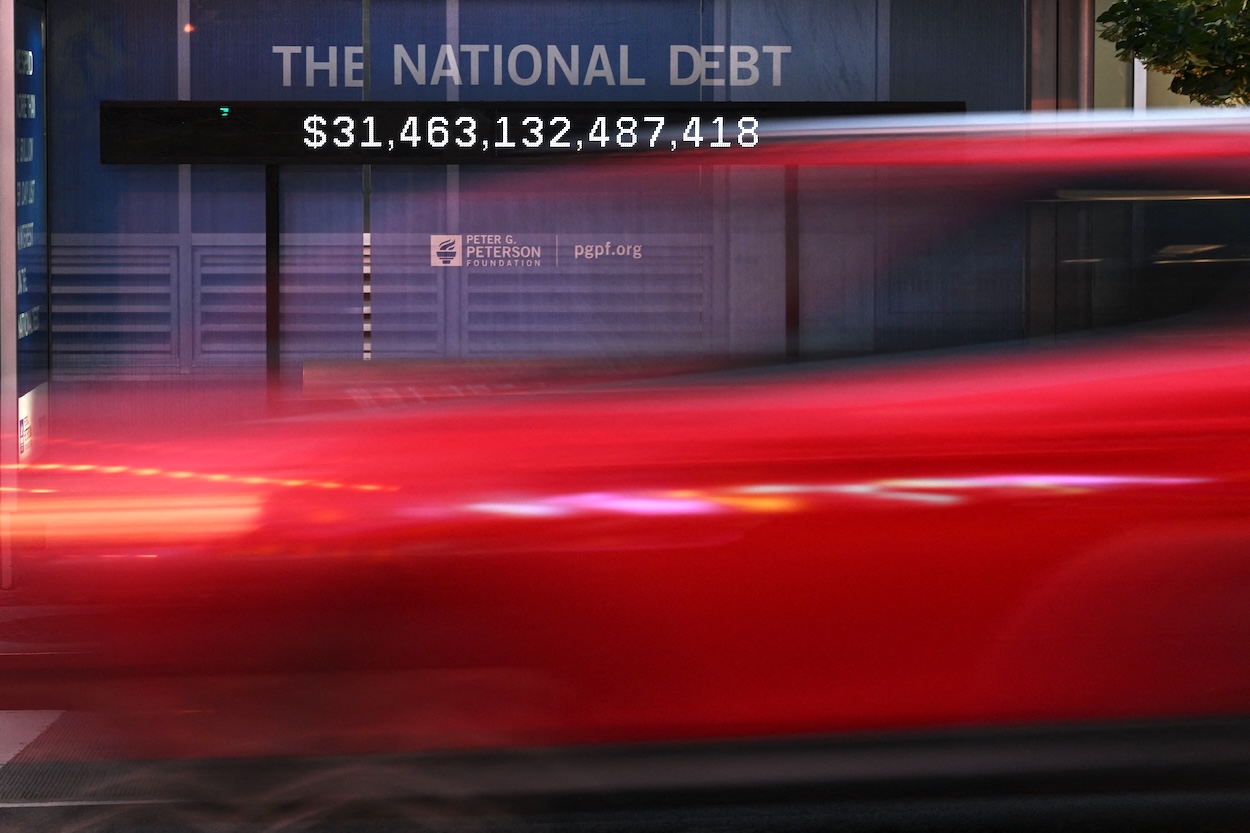


Treasury Yields Hit 24-Year High | Seller Financing Costs Rise 8-15%
- 10-year yield reaches 5.34%, increasing working capital financing costs for e-commerce sellers; immediate impact on inventory loans, PO financing, and cross-border payment hedging strategies





Overview
The 10-year Treasury yield reached 5.34% during recent trading—its highest level since 2002—reflecting geopolitical uncertainty from Iran-related oil disruptions through the Strait of Hormuz, expanding federal deficits, tighter monetary policy, and AI infrastructure debt competition. For e-commerce sellers, this represents a critical financing headwind: higher Treasury yields directly translate to increased borrowing costs across all working capital products. Inventory financing, PO loans, and invoice factoring—essential tools for cross-border sellers managing cash conversion cycles—now carry 8-15% higher APR rates compared to early 2026 levels.
Immediate Payment & Financing Impact: Sellers relying on inventory loans (typical 6-12 month terms) face $800-2,400 additional annual costs per $100K borrowed. PO financing for import-heavy categories (electronics, apparel, home goods) now costs 12-18% APR versus 10-14% previously, compressing margins by 2-4 percentage points. This particularly affects small-to-mid-sized sellers (SMBs) with $500K-$5M annual revenue who depend on external financing for inventory buildup ahead of Q4 peak season.
FX Risk & Hedging Costs: Higher US Treasury yields strengthen the dollar against emerging market currencies (CNY, INR, VND, PHP), creating dual pressure: (1) imported goods cost 3-7% more in USD terms, and (2) currency hedging via forwards/options becomes 40-60% more expensive due to widened interest rate differentials. Sellers sourcing from China, India, or Vietnam face immediate margin compression unless they lock in FX rates immediately—a decision that must happen within 7-14 days before rates move further.
Consumer Spending Slowdown Risk: Higher yields increase borrowing costs for households through credit cards (now 22-28% APR), HELOCs, and adjustable-rate mortgages. This dampens discretionary spending in interest-rate-sensitive categories: home furnishings, auto accessories, and consumer electronics. However, the news notes "resilient consumer spending" and solid labor market, suggesting demand remains intact for essential categories (beauty, apparel, home essentials) while luxury/discretionary items face headwinds.
Strategic Opportunity—Fixed-Income Investor Demand: The news highlights that savers now benefit from high-yield savings accounts, money market funds, and bonds offering attractive yields. This signals potential demand surge for financial services products on Amazon and Shopify: investment guides, financial planning tools, portfolio tracking software, and educational content around bond investing and retirement planning.
Questions 7
What payment methods minimize my exposure to rising interest rates?
Prioritize payment methods that accelerate cash collection: (1) Credit card payments (settle in 1-3 days) over bank transfers (5-7 days), (2) ACH payments with early settlement discounts, (3) Stripe or PayPal instant payouts (1-2 days) over standard settlement. For cross-border sellers, use payment providers offering favorable FX rates and fast settlement: Wise (formerly TransferWise) for international transfers, Payoneer for emerging market collections. Avoid payment methods with 14-30 day settlement windows—every day of delayed cash costs you money at current interest rates. Calculate your daily cost of capital: at 10% APR, each day of delayed settlement costs $27 per $100K in sales.
Which e-commerce categories face the biggest margin pressure from higher yields?
Interest-rate-sensitive categories suffer most: home furnishings, auto accessories, and consumer electronics where consumers finance purchases via credit cards or HELOCs. Credit card APRs have risen to 22-28%, reducing buyer demand. However, essential categories (beauty, apparel, home essentials) show resilience per the news. Sellers in discretionary categories should consider promotional pricing (5-8% discounts) to offset demand softness, while essential category sellers can maintain margins but should accelerate inventory turnover to minimize working capital costs.