






AI Memory Shortage Through 2028 | Critical Supply Chain Impact for Tech Sellers
- RAM shortage persists through 2028 as HBM consumes 30% of DRAM capacity; prebuilt PC retailers face 15-25% component cost increases and margin compression










Overview
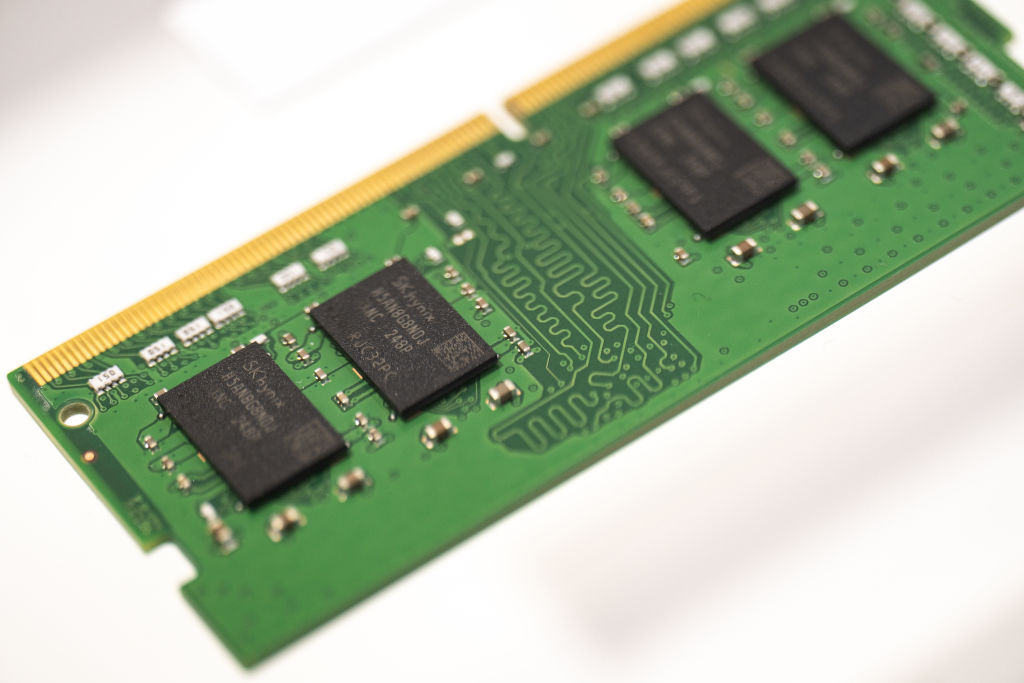
The semiconductor industry faces a critical multi-year memory shortage extending through 2028, driven by AI infrastructure buildout that fundamentally reshapes component availability and pricing for e-commerce sellers. Micron CEO Sanjay Mehrotra confirmed that high-bandwidth memory (HBM) demand for AI applications will exceed available supply through 2028, with 75% of Micron's 2027 memory output already allocated. Samsung's Kim Taewoo revealed that HBM will consume nearly 30% of DRAM manufacturers' wafer capacity in 2027, up from 20% currently, directly constraining consumer-grade memory production. Bank of America's downward revision of Micron's stock forecast reflects margin compression concerns as the "memory tax"—the additional costs required to meet AI infrastructure demand—pressures profitability throughout the supply chain.
For e-commerce sellers in computing devices and components, this shortage creates immediate operational challenges. Prebuilt PC retailers face elevated component costs forcing difficult choices between margin compression or reduced RAM configurations at premium pricing. Micron's December 2025 decision to exit consumer RAM sales through its Crucial brand underscores the industry's strategic pivot toward high-margin data center and AI segments, leaving consumer electronics channels undersupplied. HBM pricing for 2027 significantly exceeds 2026 levels, reflecting acute supply constraints. OEMs have already responded by offering lower-capacity memory configurations at premium pricing, reducing product competitiveness. Sellers must immediately audit inventory allocation, negotiate long-term supply contracts, and adjust product configurations to maintain margins.
The extended AI build-out forecast through 2031 signals sustained infrastructure investment but offers limited relief for consumer electronics sellers. Micron's strong Q4 earnings and optimistic guidance demonstrate that AI-driven demand translates into revenue growth for memory suppliers, but this prosperity comes at the expense of consumer product availability. New production facilities opening in 2028 will ramp gradually, with node transitions yielding diminishing productivity gains. For cross-border sellers, this means technology infrastructure costs remain elevated through 2031, affecting operational expenses for cloud-based seller tools, logistics optimization platforms, and customer analytics. However, improved AI capabilities could enhance competitive advantages through dynamic pricing algorithms, demand forecasting, and automated inventory management—creating a bifurcated market where AI-enabled sellers gain efficiency while component-dependent sellers face margin pressure.
Questions 8
How can sellers use AI tools to navigate the memory shortage through 2028?
Sellers can deploy AI-powered demand forecasting to optimize inventory allocation across product lines, prioritizing SKUs with highest margins given constrained memory availability. Dynamic pricing algorithms can automatically adjust PC configurations and pricing based on real-time component costs and inventory levels, protecting margins as supply tightens. Predictive analytics can identify which customer segments are most price-sensitive versus performance-focused, enabling sellers to offer tiered configurations (lower-RAM premium models, higher-RAM budget models) that maximize revenue. Automated supplier relationship management tools can monitor allocation announcements and pricing changes from Micron, Samsung, and other suppliers, enabling faster response to market shifts. These AI tools create competitive advantages for sellers who adopt them immediately.
What does Micron's extended AI forecast through 2031 mean for seller infrastructure costs?
Micron's extended artificial intelligence infrastructure build-out forecast to 2031 signals sustained demand for memory and storage chips beyond previous expectations, meaning technology infrastructure costs will remain elevated through 2031 for e-commerce sellers. The company's strong Q4 earnings and optimistic guidance demonstrate that AI-driven demand translates into sustained revenue growth for memory suppliers, but this prosperity comes at the expense of consumer product availability and affordability. For cross-border sellers, elevated infrastructure costs affect operational expenses for cloud-based seller tools, logistics optimization platforms, and customer analytics services that rely on memory-intensive computing. However, improved AI capabilities could enhance competitive advantages through dynamic pricing, demand forecasting, and automated inventory management, creating a bifurcated market where AI-enabled sellers gain efficiency advantages.