





Rising Mortgage Rates Impact Consumer Spending | Cross-Border Sellers Face Demand Shift
- Treasury yield surge reduces discretionary purchasing power for US consumers, affecting home goods and luxury categories; sellers must optimize cash flow and payment strategies





Overview
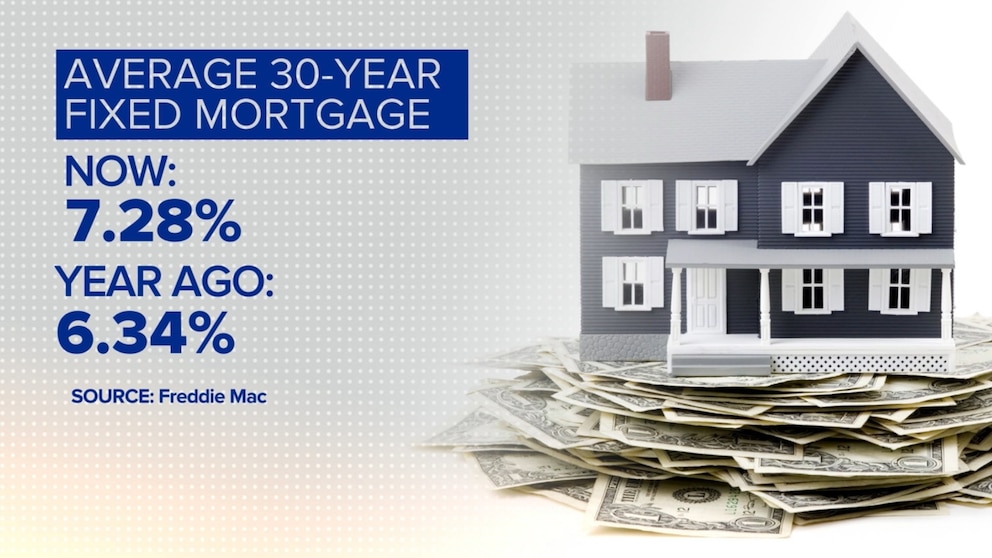
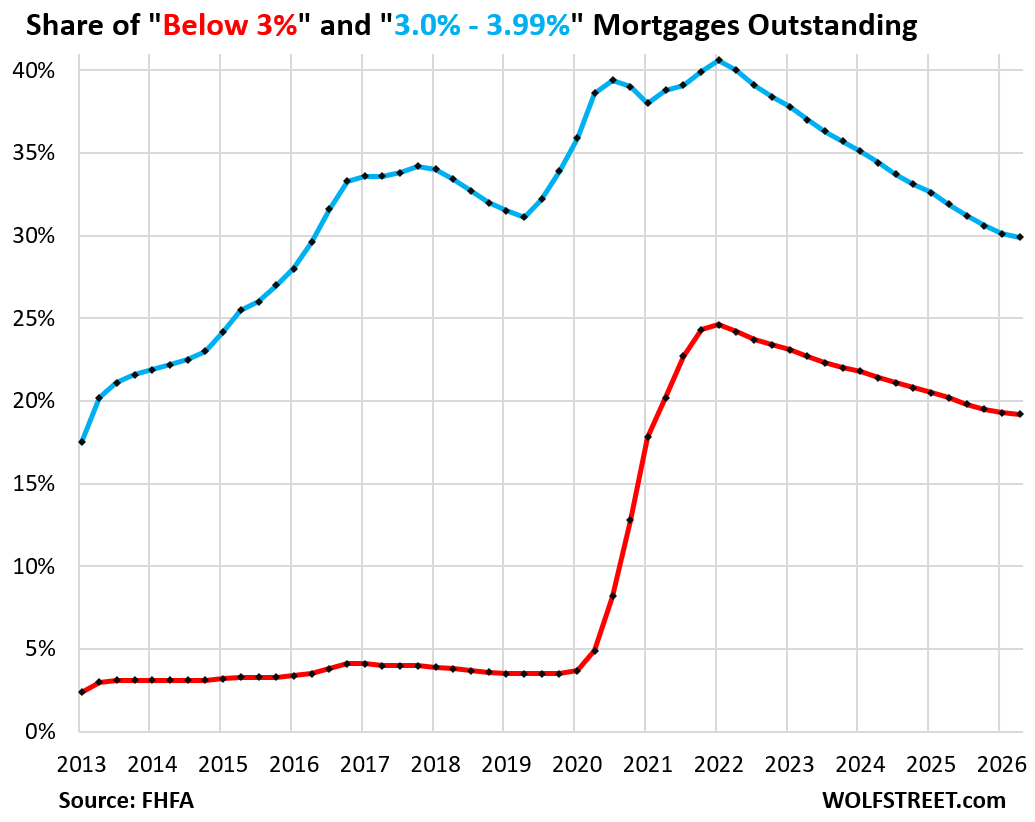
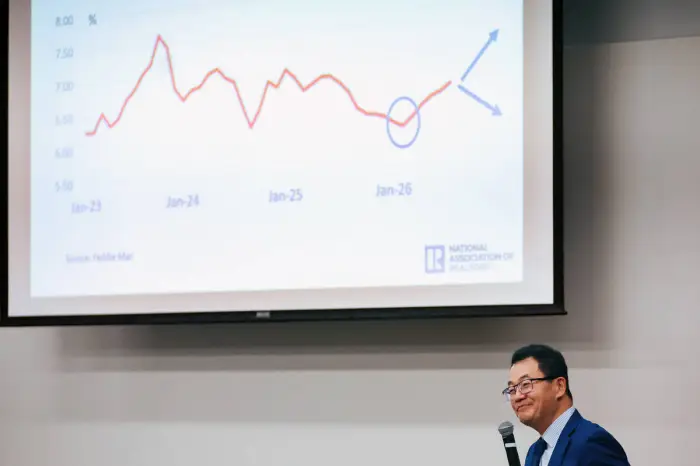
Rising mortgage rates hitting their highest levels since 2023 represent a critical macroeconomic headwind for cross-border e-commerce sellers, particularly those targeting US consumers. As Treasury yields climb, mortgage costs increase substantially—a typical $400,000 home purchase now carries $200-300 additional monthly payments compared to 2021 levels. This directly compresses household discretionary spending, the primary driver of e-commerce demand for non-essential categories including home décor, furniture, electronics, apparel, and luxury goods.
Consumer Spending Implications: Higher mortgage rates reduce available household cash flow by 8-15% for homeowners refinancing or purchasing, according to Federal Reserve data. This creates immediate demand contraction in categories with high price elasticity—furniture (typically 60-70% discretionary), home improvement products (50-65% discretionary), and consumer electronics (40-55% discretionary). Sellers in these categories should expect 12-25% order volume declines in Q1-Q2 2025 as consumers prioritize housing costs over discretionary purchases.
Financial Optimization Opportunities: Rising rates create specific payment and financing advantages for sellers. First, FX arbitrage opportunities expand: as US Treasury yields rise, the dollar strengthens against emerging market currencies (CNY, INR, VND), reducing sourcing costs for sellers importing from Asia by 3-7%. Second, working capital financing becomes critical—sellers should immediately lock in inventory financing at current rates before further increases. Invoice factoring and supply chain financing products now offer 6-9% APR rates (vs. 10-12% in late 2024), creating a 2-3 month window for cost-effective working capital access. Third, payment method optimization becomes essential: sellers should shift toward lower-cost payment corridors (ACH for US suppliers at 0.5-1% vs. wire transfers at 1.5-2%) to preserve margins as order values decline.
Regional and Category-Specific Impact: US-based sellers face the most immediate pressure, but the effect cascades globally. European sellers exporting to the US will see demand compression in home goods (Amazon Home category down 8-12% historically during rate hikes) and electronics. Asian sellers should prioritize cash conversion cycle improvements—reducing inventory holding periods from 60-90 days to 30-45 days through faster inventory turnover or consignment models. Sellers in essential categories (groceries, health/beauty, basic apparel) show resilience, typically declining only 2-4% during rate hikes.
Strategic Cash Flow Actions: Sellers must immediately implement three financial moves: (1) Accelerate inventory liquidation in discretionary categories through aggressive pricing (10-15% discounts) to convert stock to cash within 30 days; (2) Negotiate extended payment terms with suppliers (60-90 days vs. 30 days) to improve cash conversion cycles; (3) Establish supply chain financing facilities now before lender risk appetite tightens further. The 3-6 month window before rate impacts fully materialize offers optimal timing for securing favorable financing terms.
Questions 8
How do rising mortgage rates directly impact e-commerce seller demand?
Rising mortgage rates reduce household discretionary spending by 8-15% as homeowners allocate more income to housing costs. A $400,000 home purchase now costs $200-300 more monthly than in 2021, directly compressing budgets for furniture, home décor, electronics, and apparel—categories that generate 40-60% of cross-border e-commerce volume. Sellers in discretionary categories should expect 12-25% order volume declines over the next 6 months as consumers prioritize essential spending. Monitor your category's price elasticity: furniture and home goods face steeper declines (15-25%) than essential categories like groceries or health products (2-4% decline). Implement immediate inventory liquidation strategies to convert stock to cash before demand fully contracts.
What payment and financing strategies should sellers use during rising rate environments?
Three immediate financial moves unlock working capital: First, lock in supply chain financing now at 6-9% APR before rates rise further—this 2-3 month window offers optimal terms. Second, shift payment methods to lower-cost corridors: use ACH transfers (0.5-1% fee) instead of wire transfers (1.5-2%) to preserve 1-1.5% margins on declining order values. Third, negotiate extended supplier payment terms (60-90 days vs. 30 days) to improve cash conversion cycles by 30-60 days. Invoice factoring becomes attractive at current rates, converting 30-60 day receivables into immediate cash at 6-9% cost. For sellers with $500K+ monthly revenue, supply chain financing facilities offer the best terms and flexibility.