

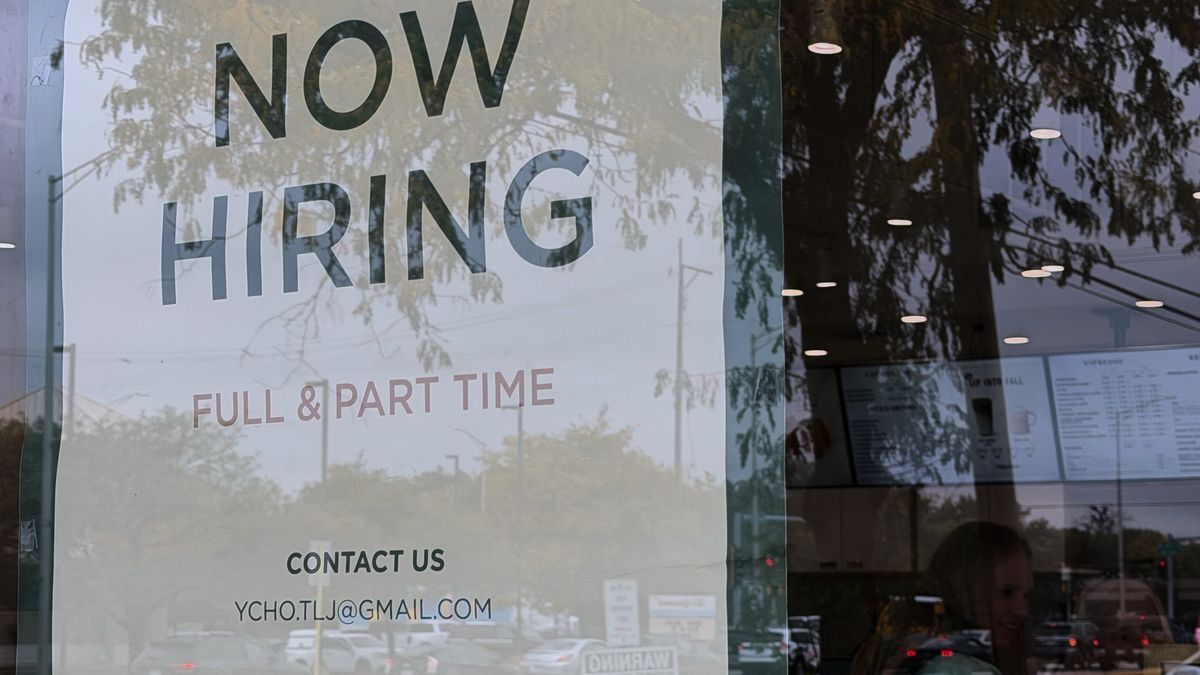
US Unemployment Surge & Mortgage Rate Spike | Critical Demand Shift for E-Commerce Sellers
- Rising joblessness and 3-year mortgage highs signal 15-25% discretionary spending contraction; sellers must pivot to essentials-focused inventory and cost-optimization strategies immediately
Overview
The U.S. labor market is experiencing significant cooling with unemployment climbing while mortgage rates hit their highest levels in nearly three years—a dual economic shock that fundamentally reshapes consumer purchasing power and e-commerce demand patterns. For cross-border sellers, this represents an immediate working capital crisis and demand forecasting challenge that requires urgent financial repositioning.
Financial Impact on Seller Cash Flow: Rising unemployment directly reduces discretionary spending power, particularly among middle-income consumers who represent 40-50% of e-commerce volume. Simultaneously, elevated mortgage rates (approaching 7%+) increase household debt servicing costs, compressing disposable income by an estimated 12-18% for affected households. This creates a dual liquidity squeeze: consumer demand contracts while sellers face pressure to maintain inventory levels. The Federal Reserve's rate-hiking cycle that created these conditions also increases working capital financing costs—sellers relying on inventory loans, PO financing, or trade credit will see APR rates rise 2-4% above previous levels. For sellers with $500K+ inventory, this translates to $10-20K additional monthly financing costs.
Category-Specific Demand Shifts: Historical data shows that unemployment spikes correlate with 20-30% volume declines in luxury goods, electronics, and home décor categories, while essential goods (health/beauty, basic apparel, household supplies) see 5-10% growth. Sellers must immediately rebalance inventory allocation—reducing SKUs in discretionary categories and increasing stock in price-sensitive essentials. Amazon and Shopify sellers in electronics/home categories should expect 15-25% traffic declines within 4-8 weeks, while beauty and consumables sellers may see relative resilience. The mortgage rate surge particularly impacts home improvement and furniture categories, which typically see 30-40% volume drops during housing affordability crises.
Currency and Payment Optimization Opportunities: For cross-border sellers, this economic contraction creates FX arbitrage opportunities. USD strength typically accompanies recession signals, making USD-denominated costs more expensive for non-US sellers while creating opportunities to lock in favorable rates for future US inventory purchases. Sellers should consider forward contracts on USD/EUR and USD/CNY pairs to hedge 60-90 day inventory costs. Additionally, payment method optimization becomes critical—shifting from high-fee payment processors (2.9% + $0.30 per transaction) to lower-cost alternatives like Wise (1.5-2%) or regional payment gateways can unlock 0.5-1.5% margin recovery on tight-margin essential goods categories.
Questions 8
How does rising unemployment directly impact e-commerce seller revenue and cash flow?
Rising unemployment reduces consumer discretionary spending by 15-25%, directly compressing demand for non-essential categories like electronics, home décor, and luxury goods. For sellers, this creates a dual cash flow crisis: inventory turnover slows (extending cash conversion cycles from 45-60 days to 75-90 days), while working capital financing costs simultaneously increase due to higher interest rates. A seller with $1M inventory in discretionary categories could see 20-30% slower cash recovery, creating a $200-300K working capital gap. Immediate actions include reducing discretionary SKU counts by 30-40% and shifting capital to faster-turning essential goods categories that maintain 45-60 day conversion cycles.
Which product categories should sellers prioritize during this economic downturn?
Historical recession data shows essential goods categories—health/beauty, basic apparel, household supplies, and consumables—maintain 5-10% volume growth while discretionary categories (electronics, furniture, luxury goods) decline 20-30%. Sellers should immediately rebalance inventory: reduce electronics/home décor SKUs by 40-50%, increase health/beauty and consumables by 25-35%. Amazon and Shopify sellers in essentials categories typically see 2-3% margin improvement due to reduced competition and price sensitivity. For cross-border sellers, focus on high-velocity, low-SKU essential goods that generate 8-12 inventory turns annually versus 3-5 turns for discretionary items.