



UK-South Korea Trade Deal Rewrites Post-Brexit Global Commerce Playbook
- Strategic market access breakthrough transforms UK's independent trade architecture



















Overview
The United Kingdom has engineered a pivotal trade transformation with South Korea, revealing a sophisticated post-Brexit commercial strategy that goes far beyond traditional tariff reduction. By securing a comprehensive agreement ensuring 98% tariff-free trade, the UK has effectively created a blueprint for navigating global economic reconfiguration.
Strategic Market Positioning emerges as the deal's most profound outcome. The agreement isn't merely about eliminating tariffs, but about establishing the UK as a flexible, digitally-enabled trade gateway. By reducing the automotive parts origin threshold from 55% to 25%, the UK has created unprecedented supply chain flexibility for manufacturers like Jaguar Land Rover and Bentley. This modification allows sourcing battery components from China while maintaining duty-free export status—a nuanced approach that demonstrates remarkable policy engineering.
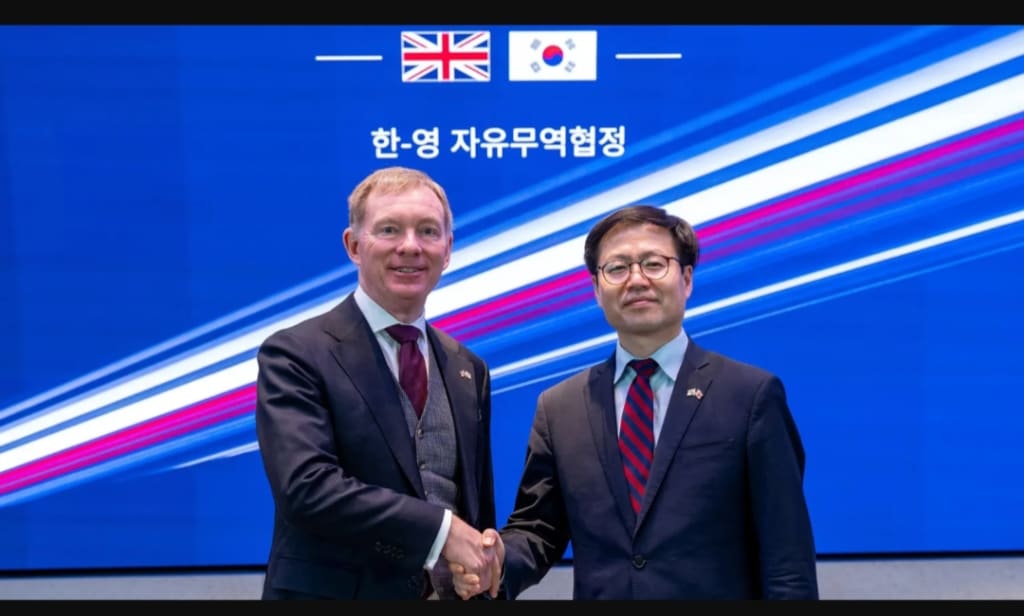
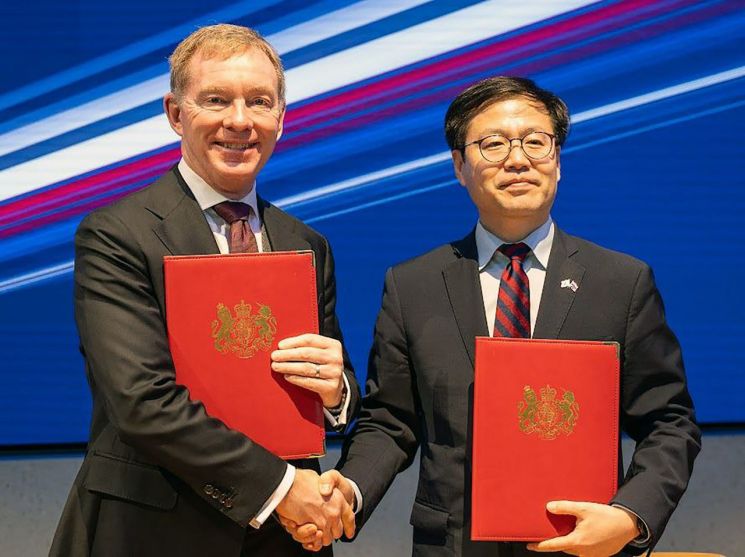
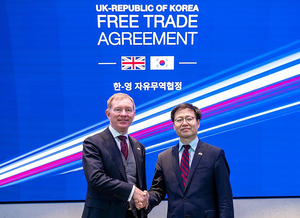
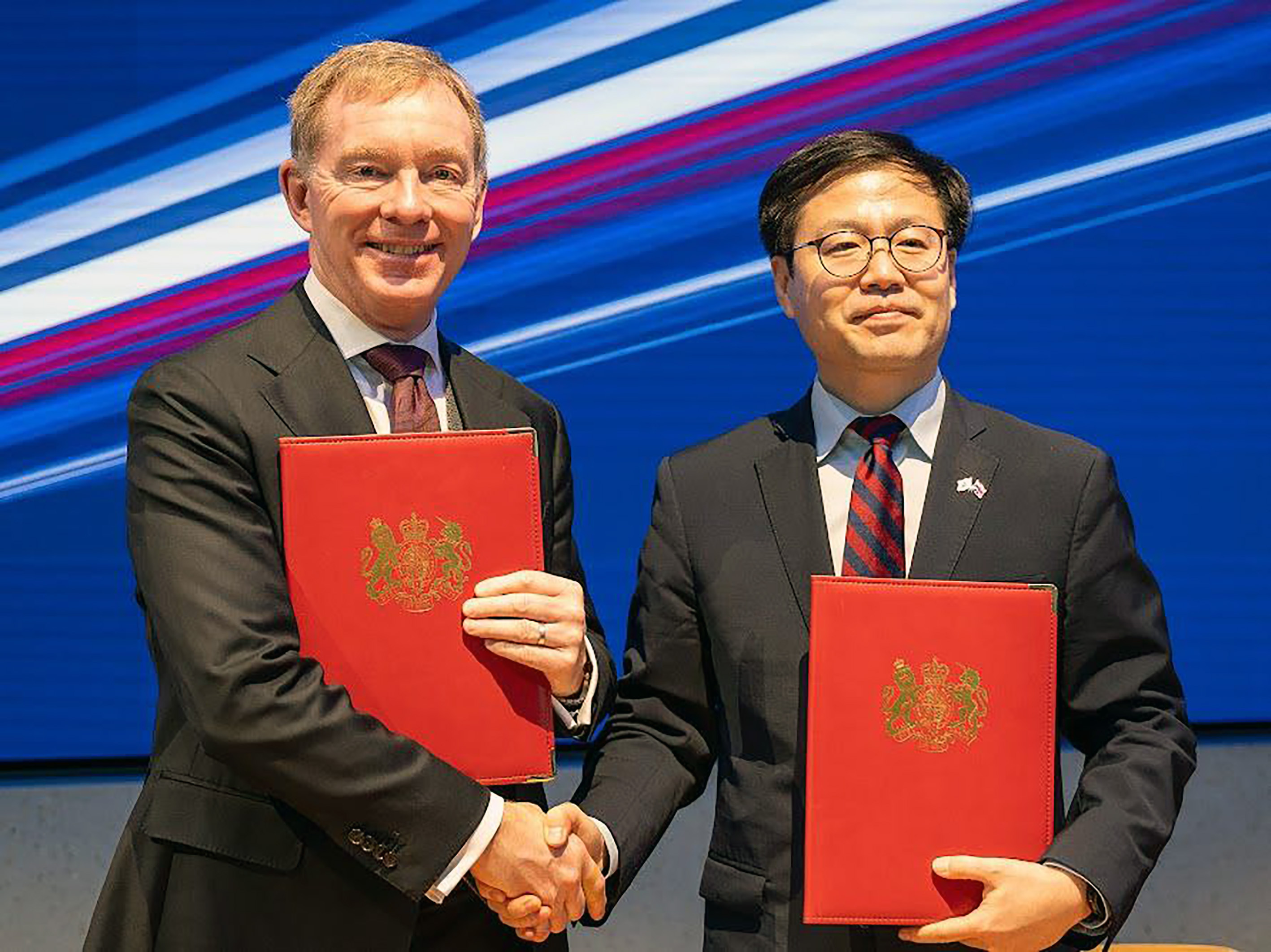
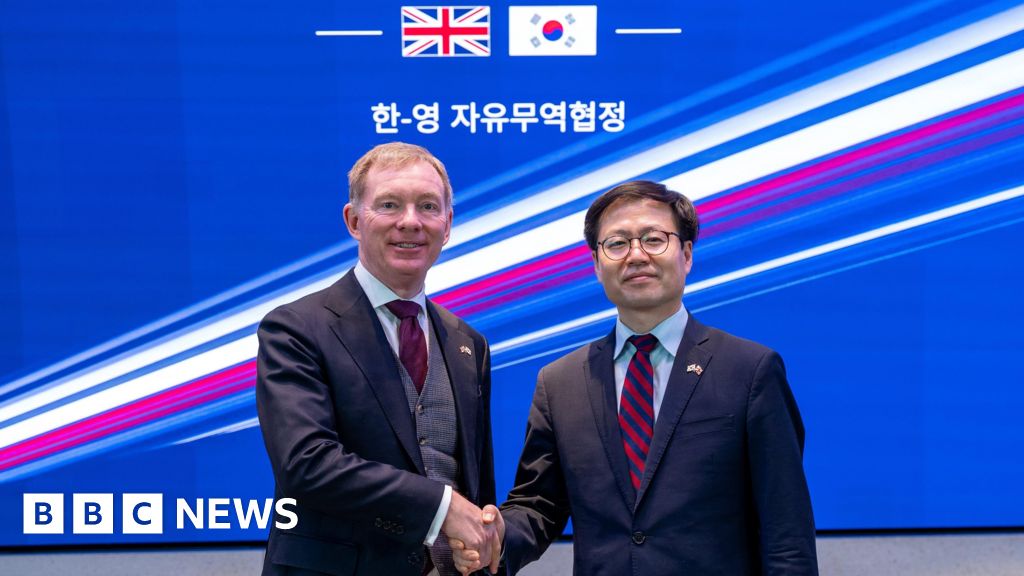
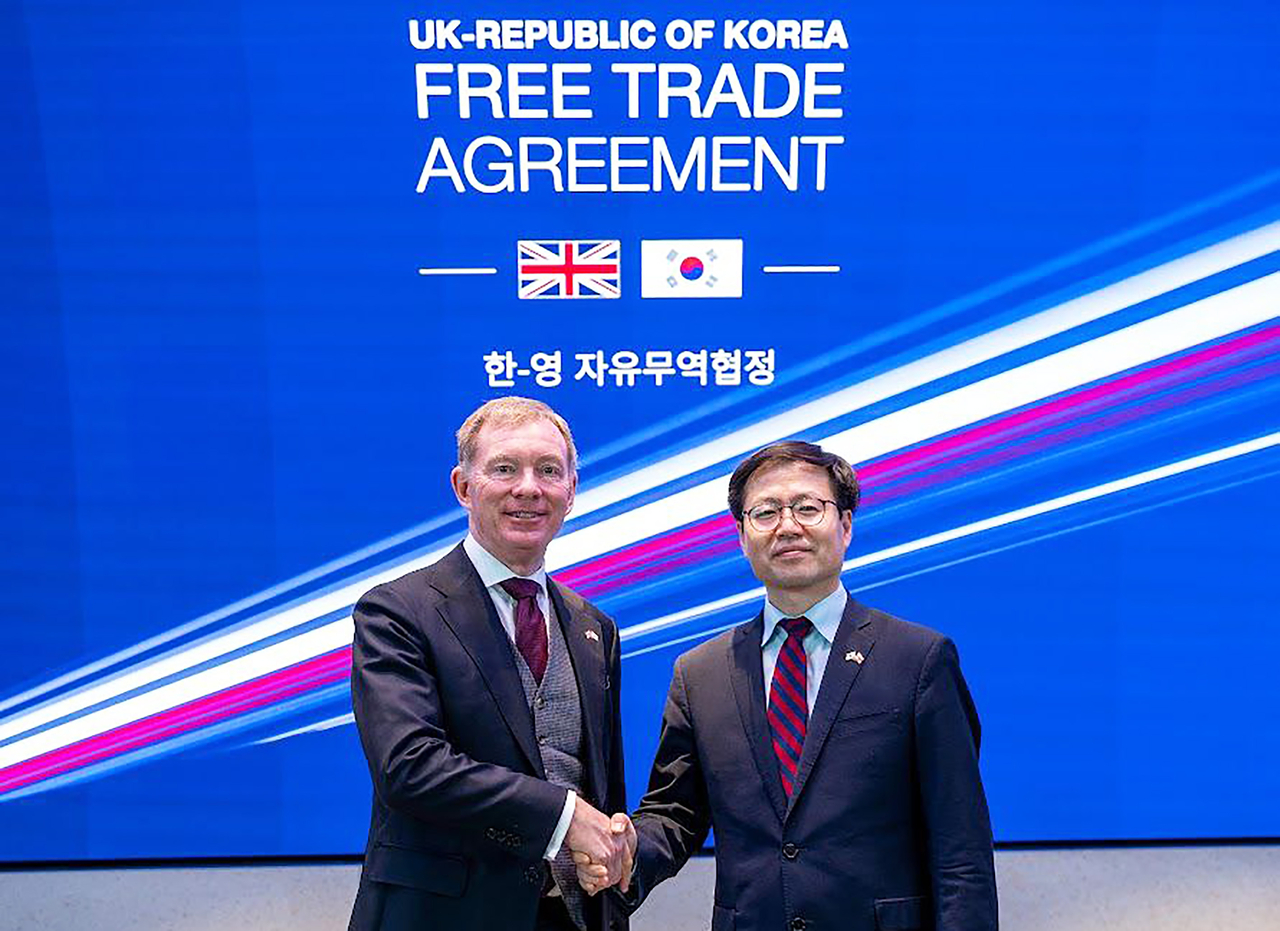
The digital trade provisions represent another critical innovation. By legitimizing e-contracts and strengthening financial services access, the UK is positioning itself as a next-generation trade architecture designer. Trade Minister Chris Bryant's emphasis on digital leadership signals a forward-looking approach that transcends traditional bilateral agreements. South Korea, recognizing this strategic depth, views the partnership as a mutual gateway—the UK for European market access, and South Korea as an entry point to broader Asian markets.
Critically, this deal arrives during a period of significant global trade uncertainty. While the Office for Budget Responsibility has historically been skeptical about post-Brexit trade agreements, this arrangement demonstrates a sophisticated approach to international economic diplomacy. The £400 million annual projected economic boost and protection of £2 billion in exports underscore the deal's tangible economic significance.
For small and medium enterprises (SMEs), the agreement represents a transformative opportunity. Reduced administrative complexities, simplified 'rules of origin' systems, and expanded market access create a more navigable international trade landscape. The deal effectively lowers barriers to entry for businesses seeking to expand beyond traditional markets.
Ultimately, this UK-South Korea trade agreement is not just a bilateral arrangement, but a strategic statement about the United Kingdom's post-Brexit commercial philosophy: agile, digitally-enabled, and focused on creating flexible, forward-looking economic partnerships.
Questions 3
What strategic opportunities does this deal create for UK small and medium enterprises (SMEs)?
The agreement reduces administrative complexities, provides tariff-free access to the South Korean market, and lowers barriers to international trade. SMEs can now more easily explore export opportunities, particularly in sectors like automotive, beverages, and digital services.
How does this trade deal benefit UK manufacturers like Jaguar Land Rover?
The agreement reduces the automotive parts origin threshold from 55% to 25%, allowing manufacturers like Jaguar Land Rover to source battery components from China while maintaining duty-free export status to South Korea. This provides unprecedented supply chain flexibility and cost optimization opportunities.