
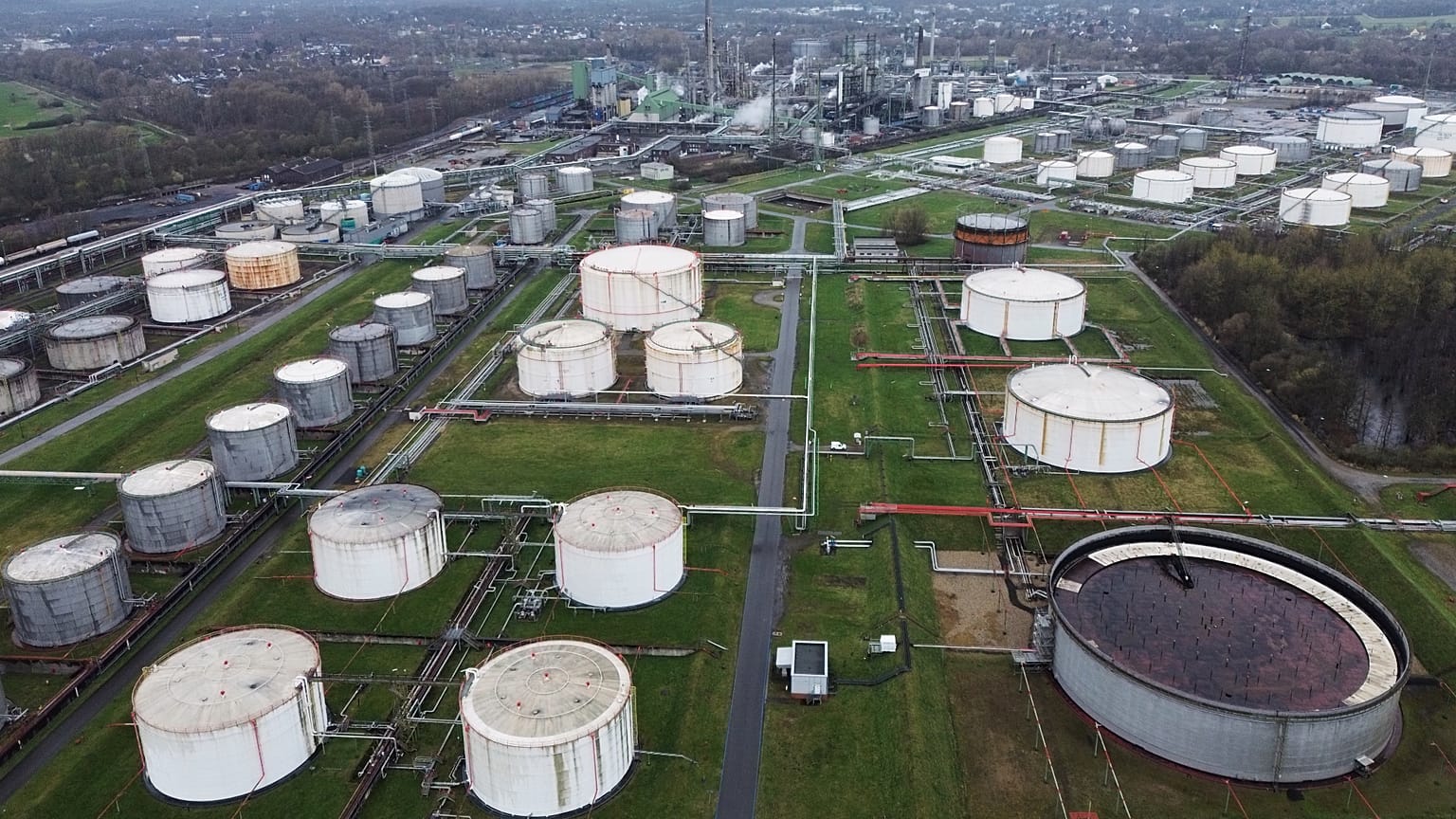




G7 Diesel Release & Middle East Tensions | Shipping Cost Volatility for Cross-Border Sellers
- Oil price decline reduces logistics costs 5-8% for FBA sellers, but Red Sea geopolitical risks threaten shipping route stability and fuel surcharge reversals






Overview
G7 Strategic Diesel Release Creates Immediate Logistics Cost Relief for Cross-Border E-Commerce Sellers
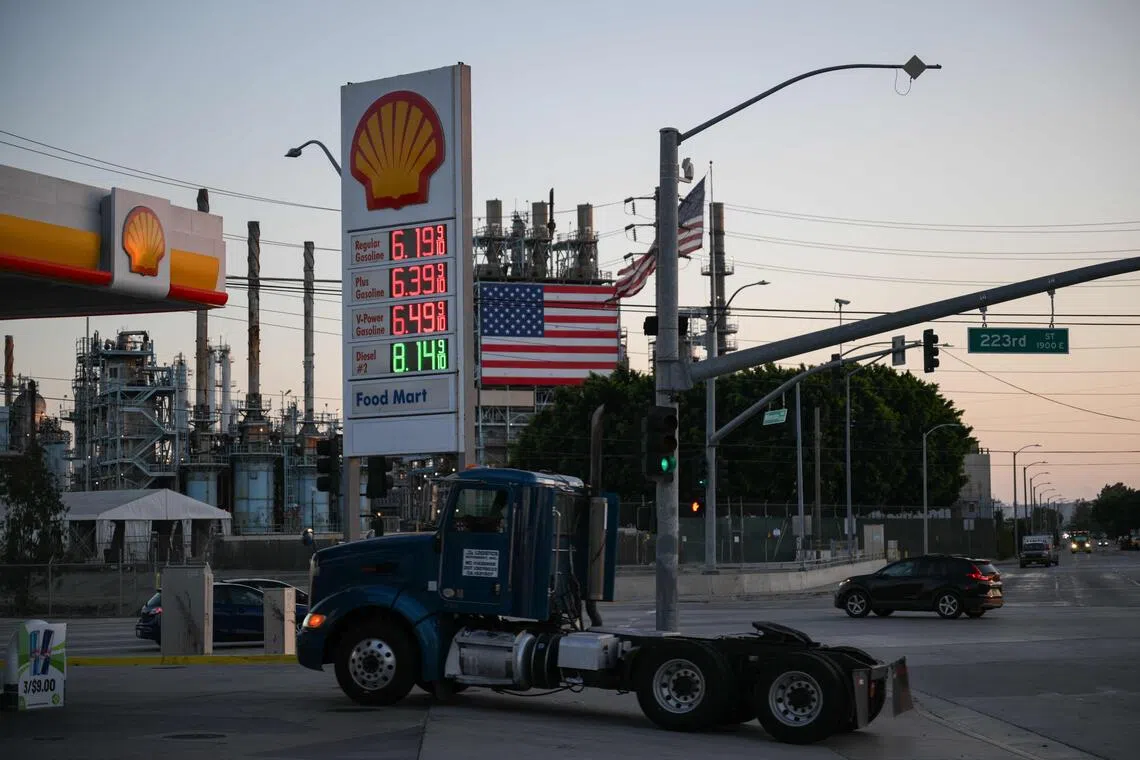
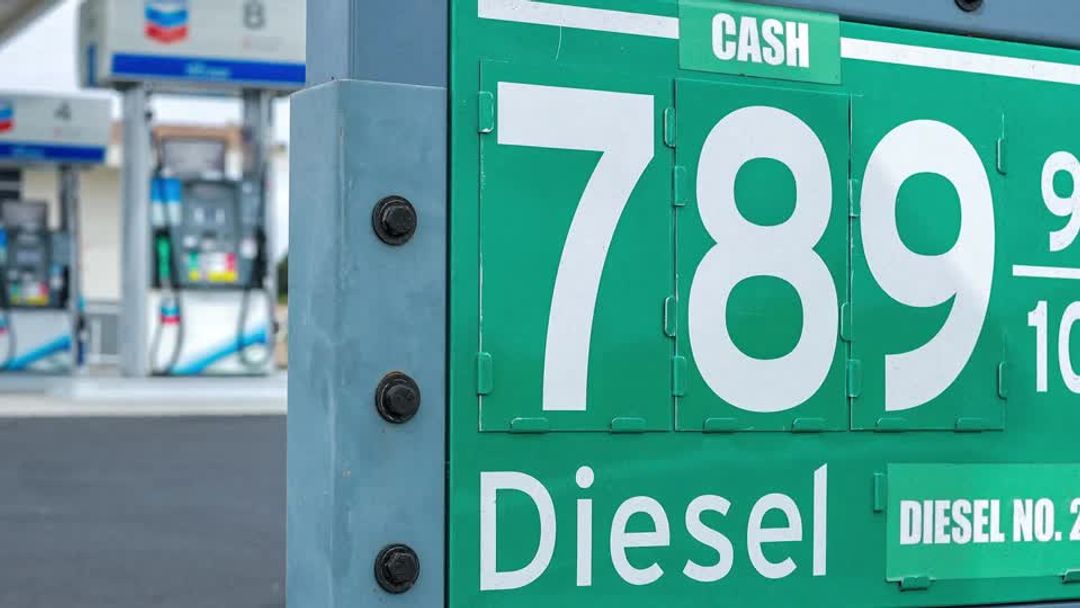
The G7 nations' coordinated announcement to release diesel stocks from strategic reserves directly impacts global shipping costs, the largest variable expense for Amazon FBA, eBay, and Shopify sellers. Oil prices declined in response to increased diesel supply expectations, signaling potential 5-8% reductions in fuel surcharges for air freight and expedited shipping through Q1 2025. For sellers shipping 500+ units monthly via air freight, this translates to $150-400 monthly savings in logistics costs. However, this relief window is temporary and fragile due to competing geopolitical pressures.
Simultaneous Middle East Escalation Threatens Shipping Route Security and Price Stability
Saudi Arabia's reported military operations against Houthi forces introduce critical supply disruption risks that directly counterbalance the G7's diesel release benefits. The Houthi-Saudi conflict has historically impacted Red Sea shipping lanes—a critical corridor handling 12-15% of global maritime trade. Sellers relying on time-sensitive logistics (air freight, expedited ocean shipping) face dual risks: (1) potential fuel surcharge reversals if regional conflict escalates, and (2) shipping route diversions that add 7-14 days to transit times and increase costs by 8-12%. This creates a narrow 4-8 week window where sellers can capitalize on lower fuel costs before geopolitical uncertainty reverses gains.
Seller Segment Impact Varies by Logistics Strategy and Product Category
Small-to-medium sellers (100-1,000 units/month) using FBA air freight benefit most immediately from diesel price declines, with potential cost savings of $200-600 monthly. Large sellers (5,000+ units/month) with diversified 3PL networks and ocean freight contracts see more muted benefits (2-3% cost reduction) since ocean shipping fuel surcharges are already locked into quarterly contracts. Electronics, apparel, and home goods sellers shipping from China/Vietnam to US/EU markets face the highest logistics cost volatility. Conversely, sellers using ground shipping and domestic fulfillment networks are largely insulated from oil price swings. The strategic reserve release represents a temporary intervention rather than structural market change, meaning price relief is unlikely to persist beyond Q1 2025 if geopolitical tensions escalate or G7 reserves deplete.
Actionable Implications for Inventory and Logistics Planning
Sellers should immediately audit their logistics cost structure: identify which shipments use air freight vs. ocean freight, calculate current fuel surcharge percentages, and model cost scenarios under three conditions—(1) sustained low oil prices, (2) moderate Middle East escalation (+15% fuel surcharges), and (3) severe Red Sea disruption (+25-30% surcharges). This 4-8 week window is optimal for accelerating air freight shipments of high-margin, time-sensitive products (seasonal items, trending categories) before fuel costs rebound. Simultaneously, diversify shipping routes: reduce Red Sea corridor dependency by routing shipments through alternative ports (Suez alternatives, Cape of Good Hope) or increasing inventory in regional fulfillment centers to minimize air freight exposure. Monitor daily oil price indices and Middle East conflict developments as leading indicators for logistics cost reversals.
Questions 8
What shipping routes should I avoid during Middle East escalation?
Avoid or minimize shipments through the Red Sea corridor (Suez Canal route) during heightened Houthi-Saudi tensions. This corridor typically handles 12-15% of global maritime trade but is vulnerable to attacks that cause 7-14 day delays and 8-12% cost increases. Alternative routes: (1) Cape of Good Hope (longer but safer), (2) Air freight via Middle East hubs (more expensive but faster), (3) Transshipment through Singapore or Hong Kong (adds 3-5 days). For US-bound shipments from Asia, prioritize West Coast ports (Los Angeles, Long Beach) over East Coast to reduce Red Sea exposure. For EU-bound shipments, use Northern European ports (Rotterdam, Hamburg) and avoid Mediterranean routes during escalation. Monitor daily shipping insurance premiums—if they spike 20%+, switch routes immediately.
When will fuel surcharges increase again after the G7 release?
The G7 strategic reserve release is a temporary intervention expected to provide relief for 4-8 weeks (through late January to mid-February 2025). After G7 reserves deplete or geopolitical tensions escalate, fuel surcharges will rebound to baseline levels or higher. Historical precedent: similar strategic releases in 2022 provided 6-10 weeks of relief before prices reversed. Sellers should use this window to lock in lower shipping rates with 3PL providers through Q1 2025 contracts. Monitor daily WTI crude oil prices and Middle East conflict developments as leading indicators—if oil prices rise above $75/barrel or Red Sea attacks intensify, expect fuel surcharges to increase 15-25% within 2-3 weeks.