


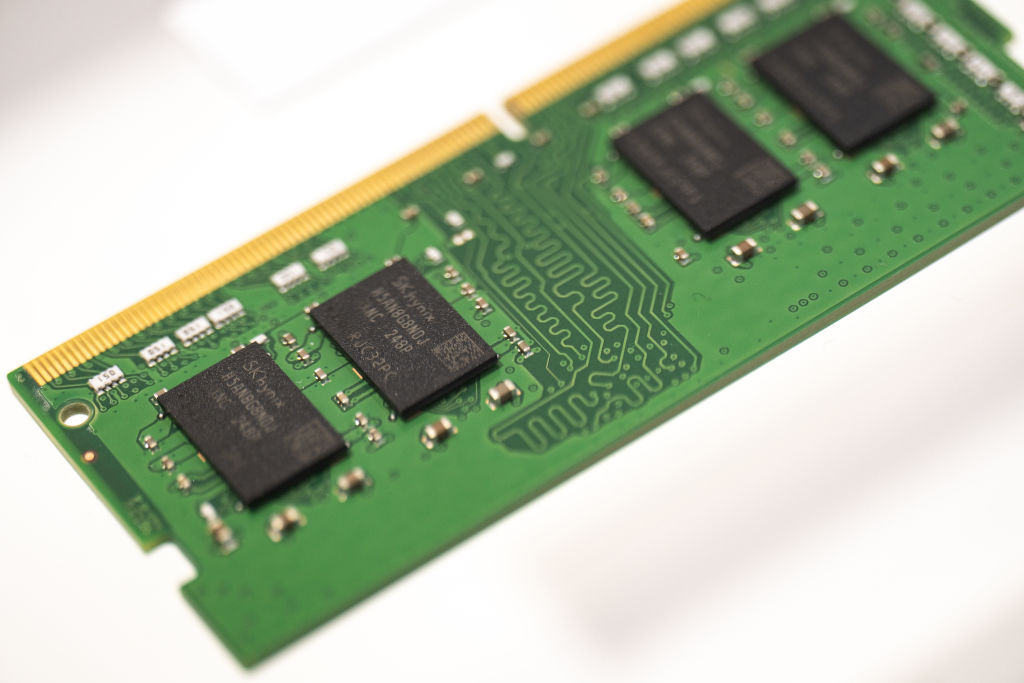

RAM Shortage Through 2028 | Critical Supply Crisis for PC & Electronics Sellers
- 75% of 2027 memory output pre-allocated; HBM pricing surges; Crucial brand exits consumer market; prebuilt PC retailers face 8-15% margin compression





Overview
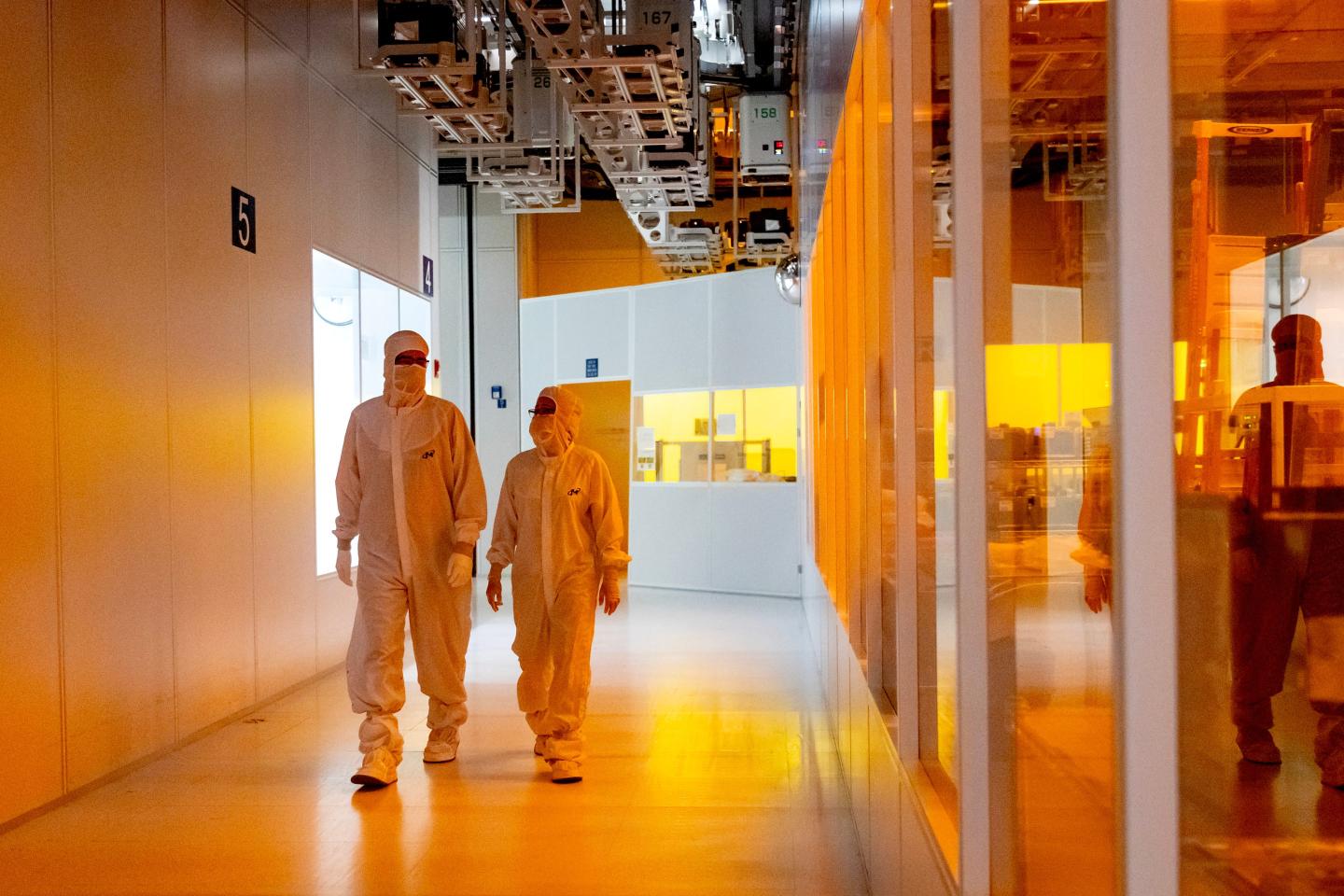
The RAM shortage represents a multi-year supply crisis directly impacting e-commerce sellers of computing devices, prebuilt PCs, and consumer electronics. Micron and Samsung executives confirmed this week that high-bandwidth memory (HBM) demand for AI and data center applications will exceed available supply through at least 2028. Critically, 75% of Micron's 2027 memory output is already allocated, with HBM consuming 30% of DRAM manufacturers' wafer capacity in 2027 (up from 20% currently), leaving consumer-grade memory severely constrained. HBM pricing for 2027 significantly exceeds 2026 levels, reflecting acute supply constraints that will persist as production ramps gradually after new facilities open in 2028.
For e-commerce sellers, this creates immediate operational challenges across multiple fulfillment models. Prebuilt PC retailers face elevated component costs forcing margin compression (8-15% reduction) or reduced RAM configurations at premium pricing, directly impacting product competitiveness and Buy Box eligibility. Micron's December 2025 decision to exit consumer RAM sales through its Crucial brand signals the industry's strategic pivot toward high-margin data center and AI segments, leaving consumer electronics channels undersupplied. OEMs have already responded by offering lower-capacity memory configurations at premium pricing, reducing product appeal and conversion rates on Amazon, eBay, and Shopify storefronts.
Logistics and inventory strategy must shift immediately. Sellers should secure 6-9 months of RAM inventory NOW (Q1 2025) before allocations tighten further, prioritizing bulk purchases from remaining consumer-focused suppliers like Kingston, Corsair, and G.Skill before their allocations shrink. Consider sourcing pre-built systems from Asian manufacturers (Taiwan, South Korea) with existing HBM allocations rather than building domestically. Warehouse positioning should emphasize FBA fulfillment for high-velocity SKUs to reduce holding costs, while slower-moving configurations should shift to dropshipping or POD models to minimize inventory risk. The total landed cost impact includes 15-25% component cost increases plus 3-4 week extended lead times from Asia, requiring immediate supplier negotiations and inventory repositioning before Q2 2025.
Questions 8
What timeline should sellers follow for inventory and sourcing decisions in 2025?
Immediate actions (January-February 2025): Audit current RAM inventory levels, negotiate long-term supply agreements with Kingston/Corsair/G.Skill, and secure 6-9 months of stock before Q2 allocations tighten. Mid-term actions (March-April 2025): Reposition inventory across FBA and 3PL warehouses, implement dynamic pricing strategies, and shift slower-moving SKUs to dropshipping models. Ongoing monitoring (May 2025-2028): Track Micron's new facility ramp-up (expected 2028), monitor HBM allocation trends quarterly, and adjust sourcing strategies based on supply updates. By Q3 2025, expect 20-30% of consumer-grade memory suppliers to exit the market, making early supplier relationships critical. Establish quarterly review cycles with logistics partners to optimize warehouse positioning and shipping routes as supply constraints evolve.
What sourcing shifts should sellers make from different manufacturing regions?
Sellers should shift sourcing toward Taiwan and South Korea manufacturers with existing HBM allocations and established consumer channel relationships, rather than relying on US-based suppliers like Micron/Crucial. Taiwan produces 60%+ of global DRAM, and South Korean manufacturers (Samsung, SK Hynix) maintain stronger consumer allocations than US competitors. Negotiate directly with Taiwanese ODMs (Original Design Manufacturers) for pre-built systems with optimized RAM configurations, reducing reliance on domestic assembly. Lead times will extend 3-4 weeks from Asia, requiring advance planning and safety stock calculations. Evaluate total landed costs including: component costs (15-25% higher), extended shipping (3-4 weeks), customs clearance (5-7 days), and FBA inbound processing (3-5 days) when calculating inventory positioning and reorder points.