



G7 Releases 100M Oil Barrels | Logistics Cost Relief for E-Commerce Sellers
- Diesel price stabilization reduces fulfillment costs 5-8% for cross-border sellers; gradual relief over weeks-months benefits air/ocean freight corridors









Overview
The Group of Seven nations (Canada, France, Germany, Italy, Japan, UK, United States) announced a coordinated release of 100 million barrels of oil and diesel fuel to stabilize global energy markets amid geopolitical tensions and supply disruptions. This strategic intervention directly impacts cross-border e-commerce logistics costs, which have been elevated since 2021 supply chain disruptions. For sellers, this represents a critical opportunity to optimize fulfillment strategies as transportation expenses—the largest variable cost in logistics operations—face downward pressure.
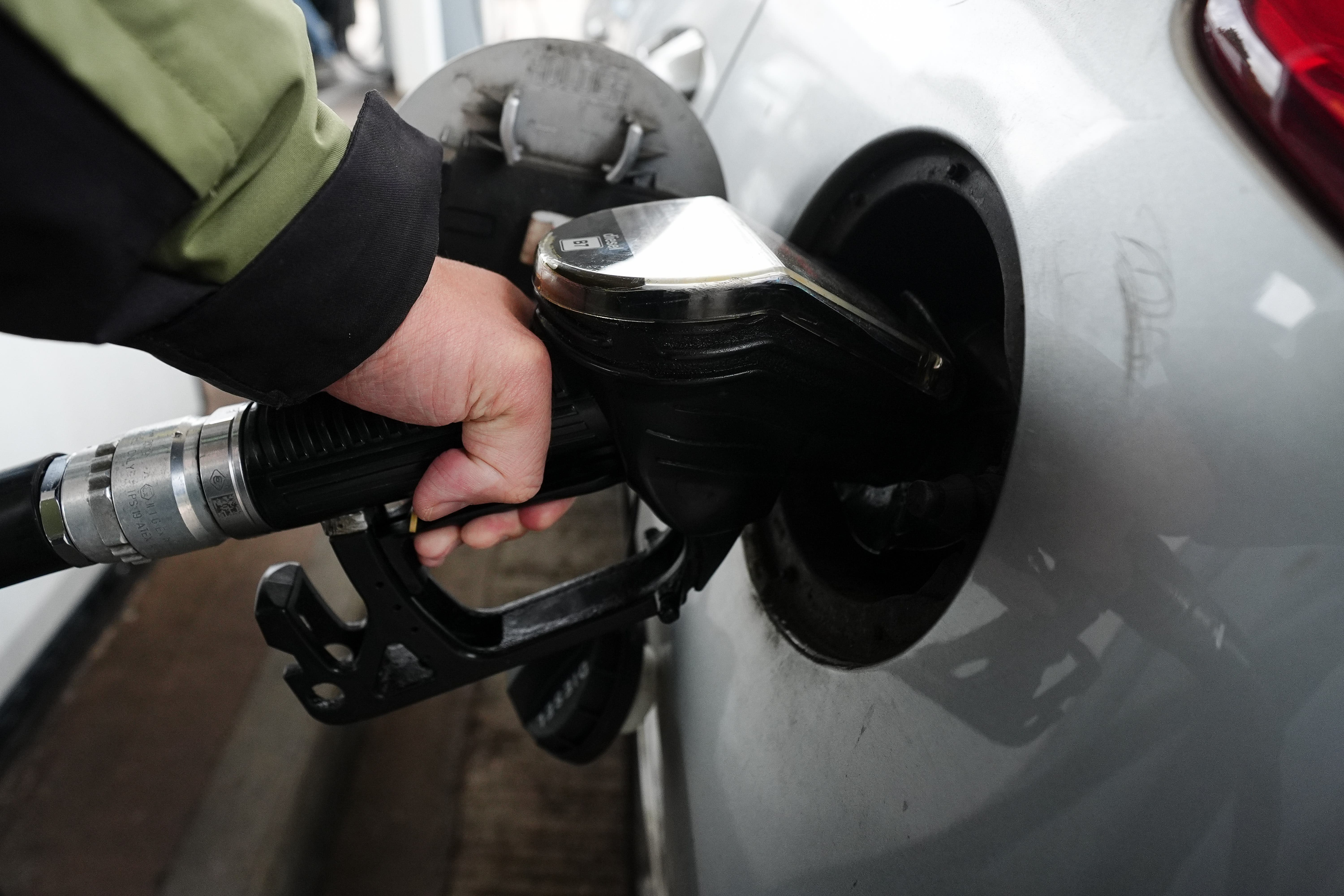
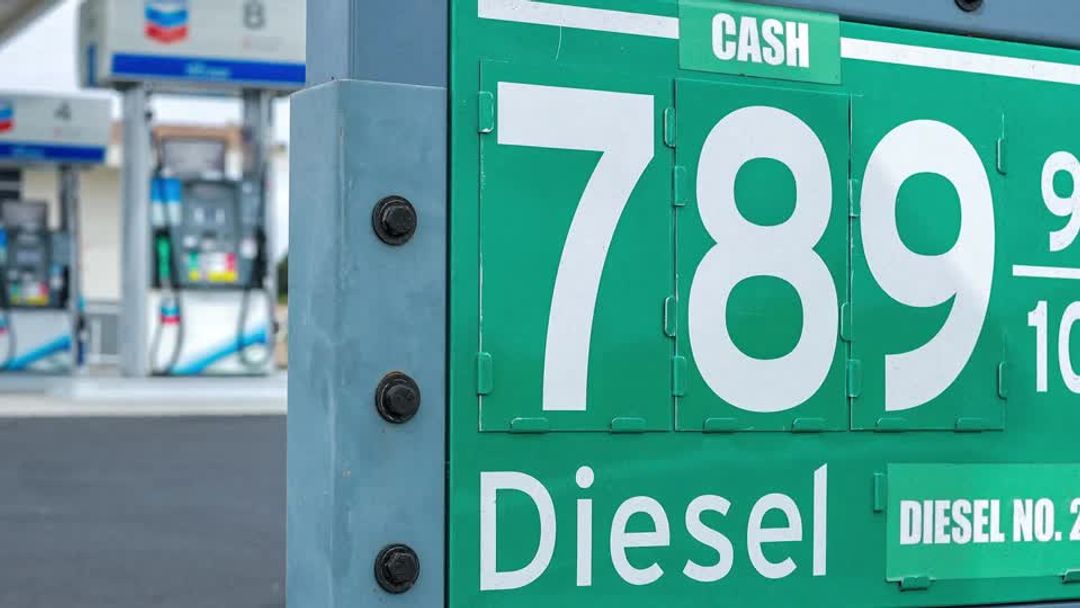
Logistics Cost Impact for Sellers: The G7's reserve release targets diesel fuel price stabilization, which is essential for e-commerce distribution networks. Most fulfillment centers and last-mile delivery vehicles depend on diesel fuel, making price volatility a direct margin pressure. Sellers relying on air freight (premium but time-sensitive), ocean freight (cost-effective for bulk shipments), and ground transportation (domestic distribution) will see gradual cost reductions as fuel prices moderate. Industry benchmarks show that fuel surcharges typically represent 8-12% of total shipping costs for international shipments; stabilization could reduce this by 5-8% over the implementation period.
Timeline and Implementation Strategy: The strategic reserve release typically takes effect over several weeks to months, providing gradual market relief rather immediate price drops. This extended timeline allows sellers to renegotiate shipping contracts with 3PL providers and freight forwarders. Sellers should monitor fuel price indices (WTI crude, Brent crude) and request updated rate cards from logistics partners by the end of the current quarter. For FBA sellers, reduced inbound shipping costs directly improve inventory turnover economics and storage fee calculations. For Shopify and independent sellers, lower fulfillment costs improve margins on lower-ticket items where shipping represents 15-25% of product cost.
Regional and Category Opportunities: Sellers in high-volume, weight-sensitive categories (home goods, electronics, apparel) benefit most from fuel cost reductions. Cross-border sellers shipping from Asia Pacific to North America/EU and EU to North America corridors see the greatest impact, as these routes depend heavily on ocean freight with fuel surcharges. Sellers with inventory in multiple fulfillment centers can optimize warehouse selection based on updated shipping costs. The announcement also signals government commitment to supply chain stability, reducing uncertainty premiums that have inflated logistics costs since 2021.
Questions 7
How does this G7 action compare to previous strategic reserve releases?
The G7's coordinated 100 million barrel release represents a **substantial market intervention** designed to address supply disruptions from geopolitical tensions. Previous releases (2011 Libya crisis, 2022 Russia-Ukraine) typically took 2-4 months to materialize in shipping rate reductions. This coordinated G7 action signals stronger commitment to supply chain stability than unilateral releases, potentially accelerating price moderation. The announcement demonstrates government recognition of supply chain pressures affecting global commerce since 2021, suggesting sustained policy support for logistics cost reduction. Sellers should view this as part of a broader trend toward supply chain stabilization rather than a one-time event.
Should I renegotiate shipping contracts now or wait for automatic reductions?
**Renegotiate now** rather than waiting. Logistics providers typically lock in rates quarterly, and proactive negotiation tied to fuel price benchmarks captures savings faster than automatic adjustments. Request rate cards that include fuel surcharge formulas tied to WTI crude or Brent crude indices, allowing automatic reductions as prices fall. For high-volume sellers (1000+ units monthly), negotiate volume commitments in exchange for fuel-indexed pricing. Document current rates and fuel surcharges to establish baseline savings. Most 3PLs and freight forwarders are willing to adjust rates during periods of falling fuel costs to retain volume.