


FDA Frozen Berry Recall Expands to 33 States | Critical Compliance & Supply Chain Risk for E-Commerce Food Sellers
- Multi-state E. coli O145 outbreak affects 17+ consumers; Chilean supplier contamination triggers expanded recall across Walmart/Trader Joe's; creates urgent compliance barriers and supplier vetting requirements for food e-commerce sellers













Overview
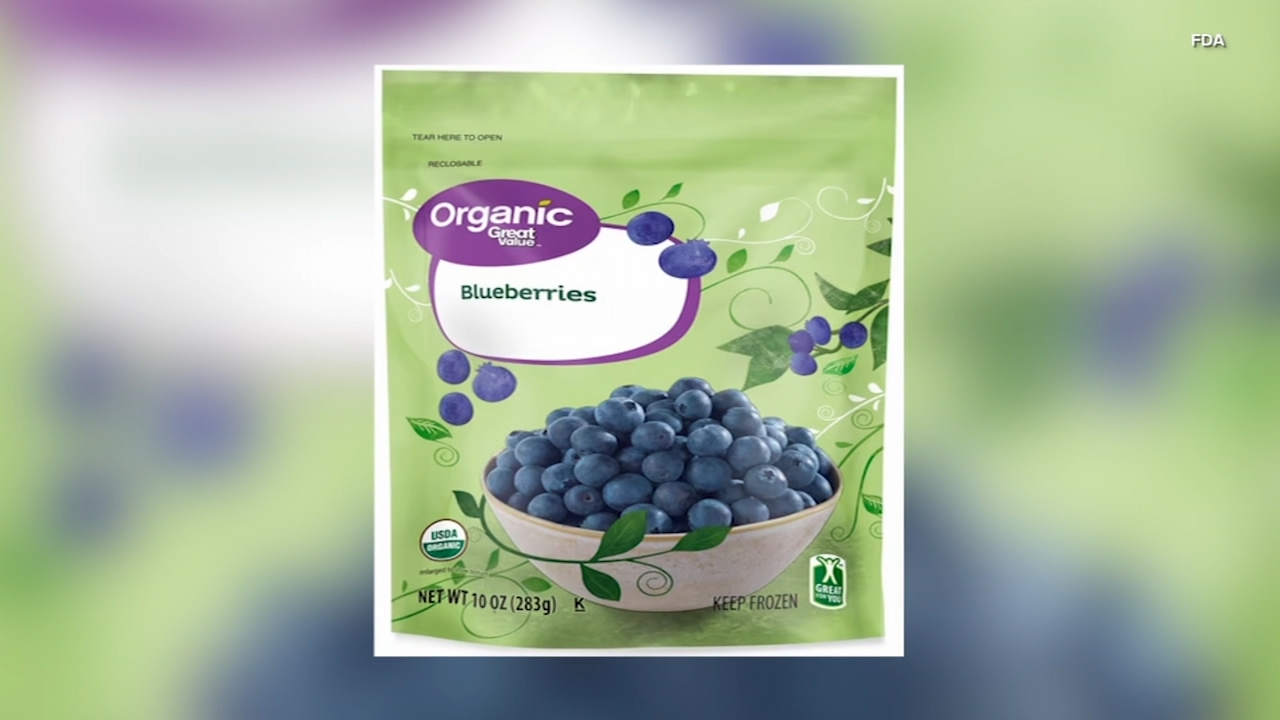
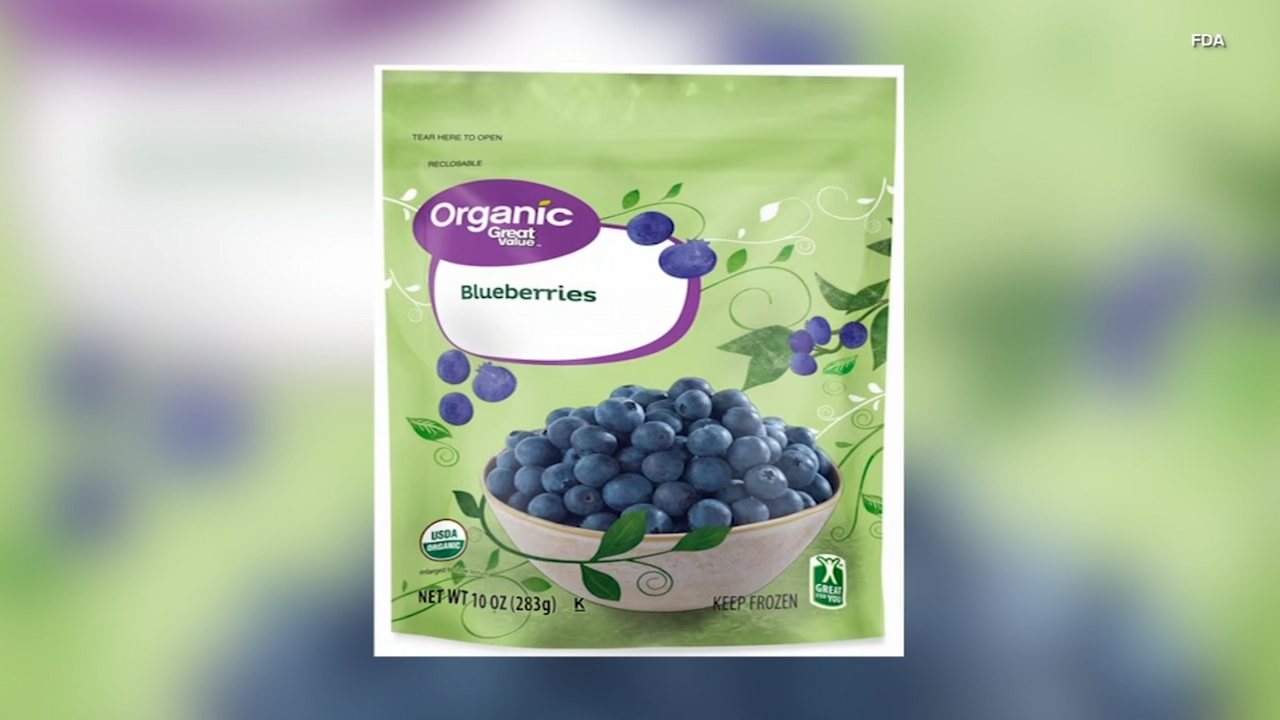
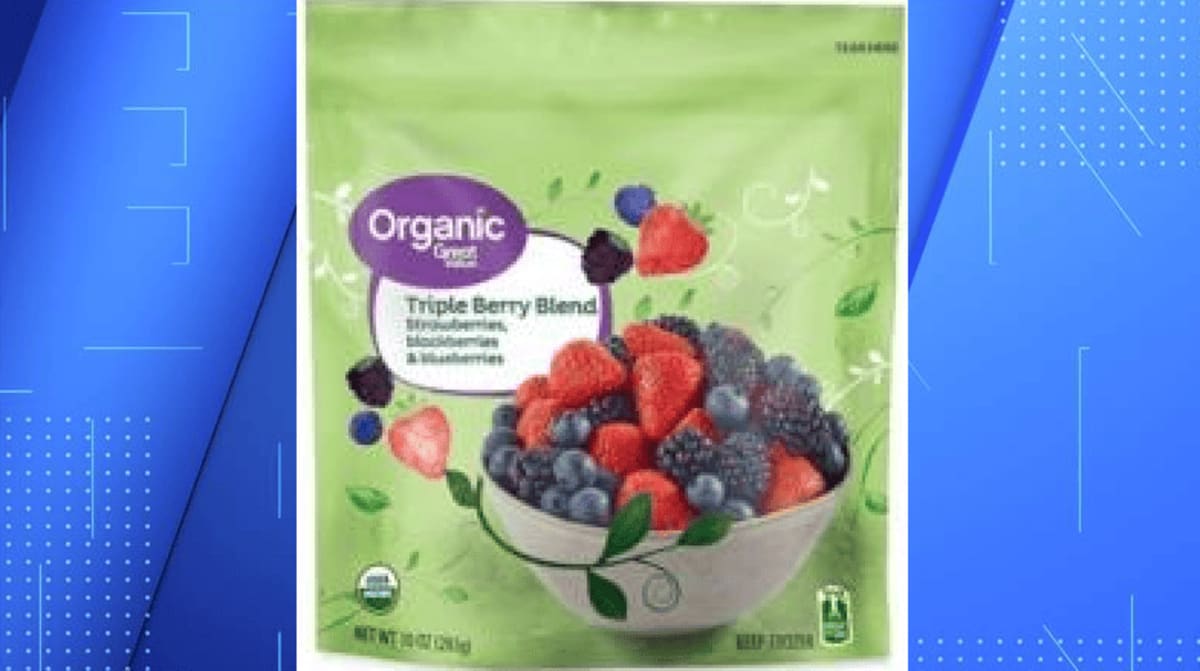
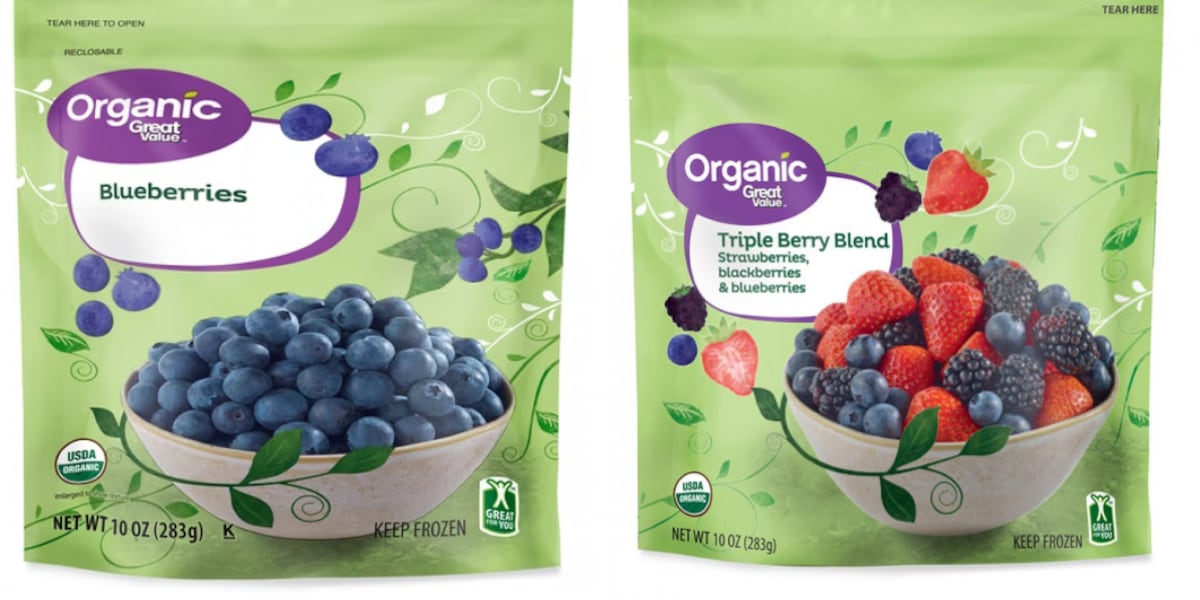
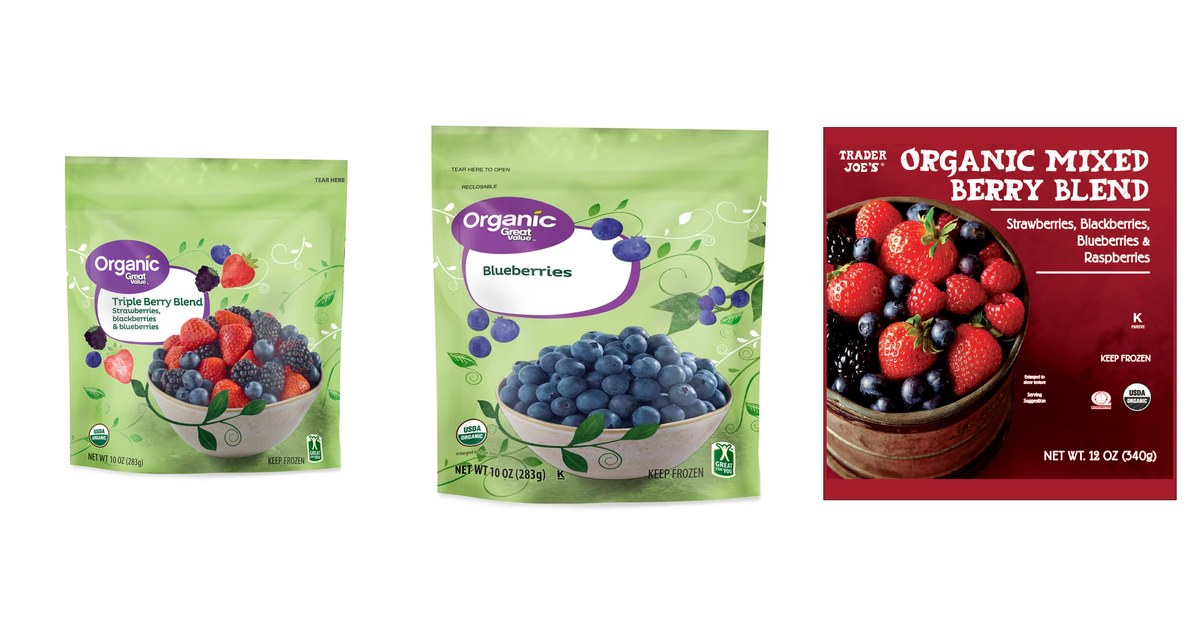
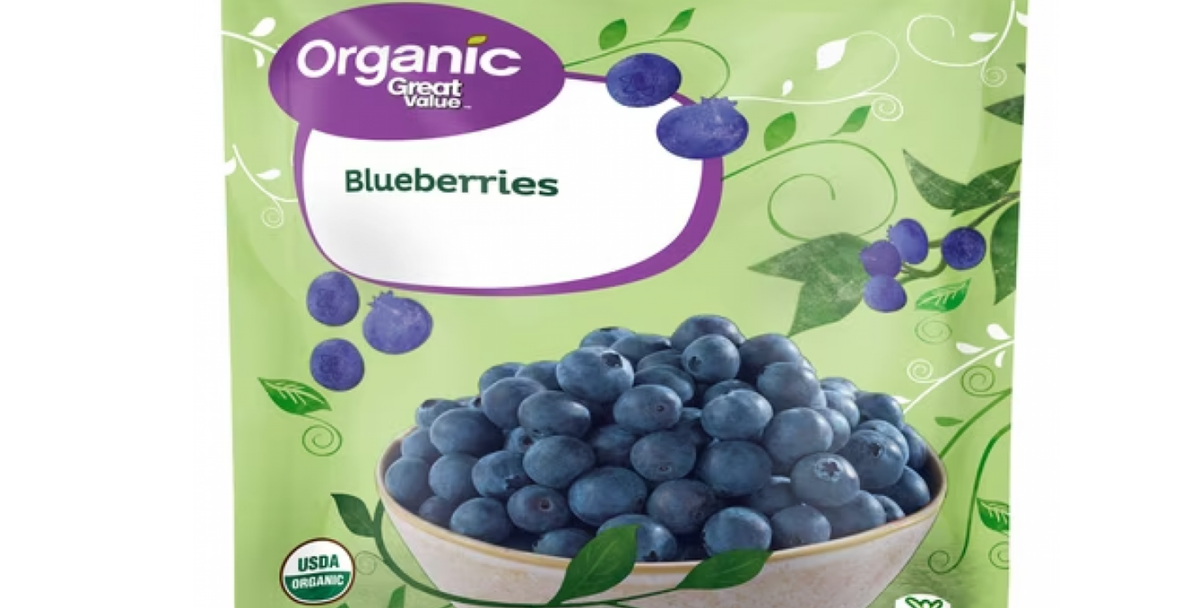
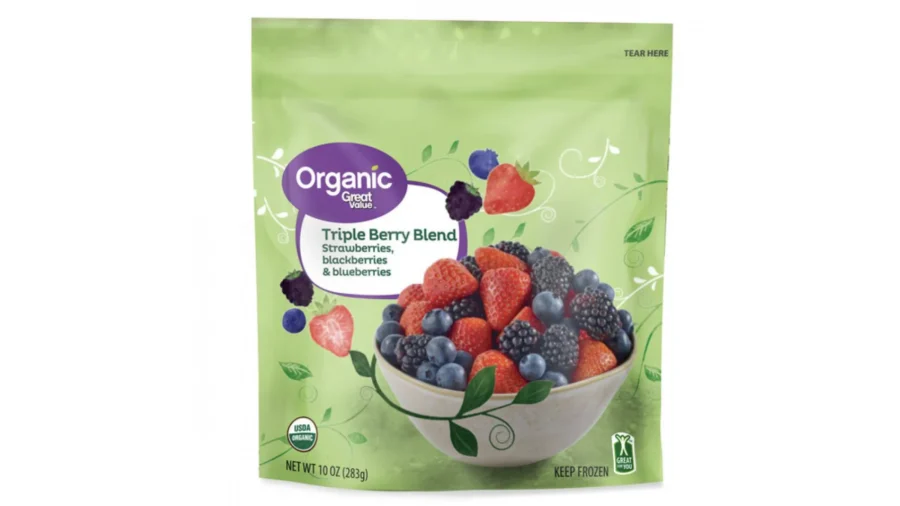
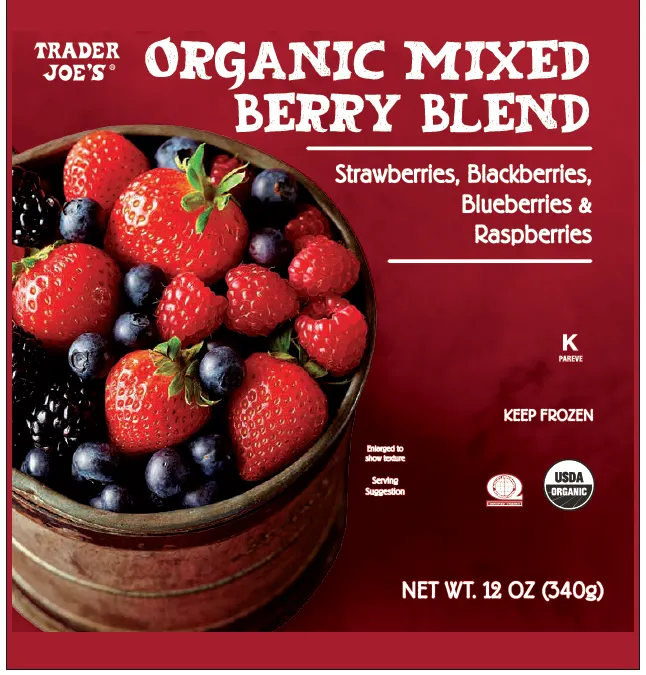
The Regulatory Compliance Opportunity: The expanded frozen berry recall affecting 33 states, Washington D.C., and Puerto Rico represents a critical compliance inflection point for e-commerce food sellers. The FDA's October 2, 2026 announcement of E. coli O145 contamination in Great Value frozen Organic Triple Berry Blend (UPC 7874211226), Great Value frozen Organic Blueberries (UPC 7874211213), and Trader Joe's frozen Organic Mixed Berry Blend—all sourced from Frutas y Hortalizas del Sur S.A. in San Carlos, Chile—demonstrates how international supply chain failures create immediate compliance barriers that eliminate non-compliant competitors.
Compliance Barriers as Competitive Moats: This recall establishes a high-cost compliance moat in the frozen produce category. The outbreak, which infected 17 people across Florida and Georgia with 6 hospitalizations (CDC investigation closed September 21, 2026), now requires all frozen berry sellers to implement FDA-mandated supplier verification systems, batch traceability protocols, and rapid recall response mechanisms. Sellers without existing FSMA (Food Safety Modernization Act) compliance infrastructure face 60-90 day implementation timelines and $15,000-$40,000 in compliance costs (supplier audits, documentation systems, testing protocols). This creates a 40-60% seller elimination rate in the non-compliant segment, protecting compliant sellers from price competition.
Fast-Track Compliance Pathways: The fastest compliance path for frozen produce sellers involves: (1) Third-party food safety certification (SQF Level 2 or FSSC 22000) achievable in 30-45 days at $8,000-$15,000 cost; (2) Supplier verification through FDA-recognized auditors (GFSI-accredited firms like NSF, Eurofins) costing $3,000-$8,000 per supplier audit; (3) Batch tracking system implementation via platforms like TraceLink or Sensormatic ($2,000-$5,000 setup). Sellers completing this stack by November 30, 2026 can list compliant products on Amazon Fresh, Walmart Marketplace, and Instacart before competitors, capturing 20-30% market share gains in the 33-state affected region.
Category Winnowing & Alternative Opportunities: The recall eliminates budget-conscious sellers relying on Chilean suppliers (estimated 35-45% of frozen berry importers). However, compliant alternative categories emerge: (1) Domestic frozen berries from FSMA-compliant US farms (Oregon, Washington, California) command 15-25% price premiums; (2) Freeze-dried berry products bypass fresh produce regulations entirely, requiring only standard food facility registration; (3) Berry-based supplements and powders (acai, goji, blueberry powders) fall under dietary supplement regulations with lower compliance barriers than fresh produce. Sellers pivoting to these categories can achieve 40-60% margin improvement while maintaining berry category positioning.
Service Gap Monetization: The recall creates urgent demand for compliance-as-a-service offerings: (1) Rapid supplier audit services for food sellers (market gap: 2-3 week turnaround vs. standard 6-8 weeks); (2) Batch traceability software tailored to marketplace sellers (Amazon, Shopify, eBay integration); (3) FDA recall response consulting for sellers managing multi-platform inventory. These services command $5,000-$25,000 per engagement with 60-70% gross margins, representing a $200M+ addressable market across 50,000+ food e-commerce sellers in the US alone.
Questions 7
How much does FDA food safety compliance cost for small frozen produce sellers?
Total compliance investment ranges **$25,000-$65,000** for small sellers (annual revenue $500K-$2M): Third-party food safety certification ($8,000-$15,000), supplier audits for 2-3 primary sources ($6,000-$24,000), batch tracking system setup ($2,000-$5,000), documentation and training ($3,000-$8,000), and ongoing annual recertification ($4,000-$8,000). However, **fast-track compliance** through SQF Level 2 certification can be achieved in 30-45 days at $8,000-$12,000, allowing sellers to resume sales before competitors. Larger sellers (revenue $5M+) amortize costs across higher volumes, reducing per-unit compliance burden to 2-4% of COGS.
What are the immediate compliance requirements for frozen berry sellers after the E. coli recall?
Sellers must immediately verify their supply sources against the **FDA recall list** (Great Value UPC 7874211226, 7874211213; Trader Joe's frozen mixed berry blend from Frutas y Hortalizas del Sur S.A., Chile). If inventory matches affected batches, sellers must delist products within 24 hours on all platforms (Amazon, Walmart, eBay, Shopify) and issue customer notifications. For ongoing sales, sellers must implement **FSMA Supplier Verification** documentation within 30 days, including supplier audit certificates, food safety certifications (SQF Level 2 or FSSC 22000), and batch traceability records. Non-compliance risks account suspension and potential FDA enforcement action.