



Federal Hemp THC Potency Cap 2026 | $28B Market Collapse Creates Compliance Moat for Sellers
- Federal ban caps hemp-derived THC at 0.4mg by year-end 2026, down from 2-10+mg current products; eliminates estimated 60-75% of non-compliant sellers across 20+ states; creates high-barrier compliance opportunity for sellers in functional beverages, edibles, and wellness categories

































Overview
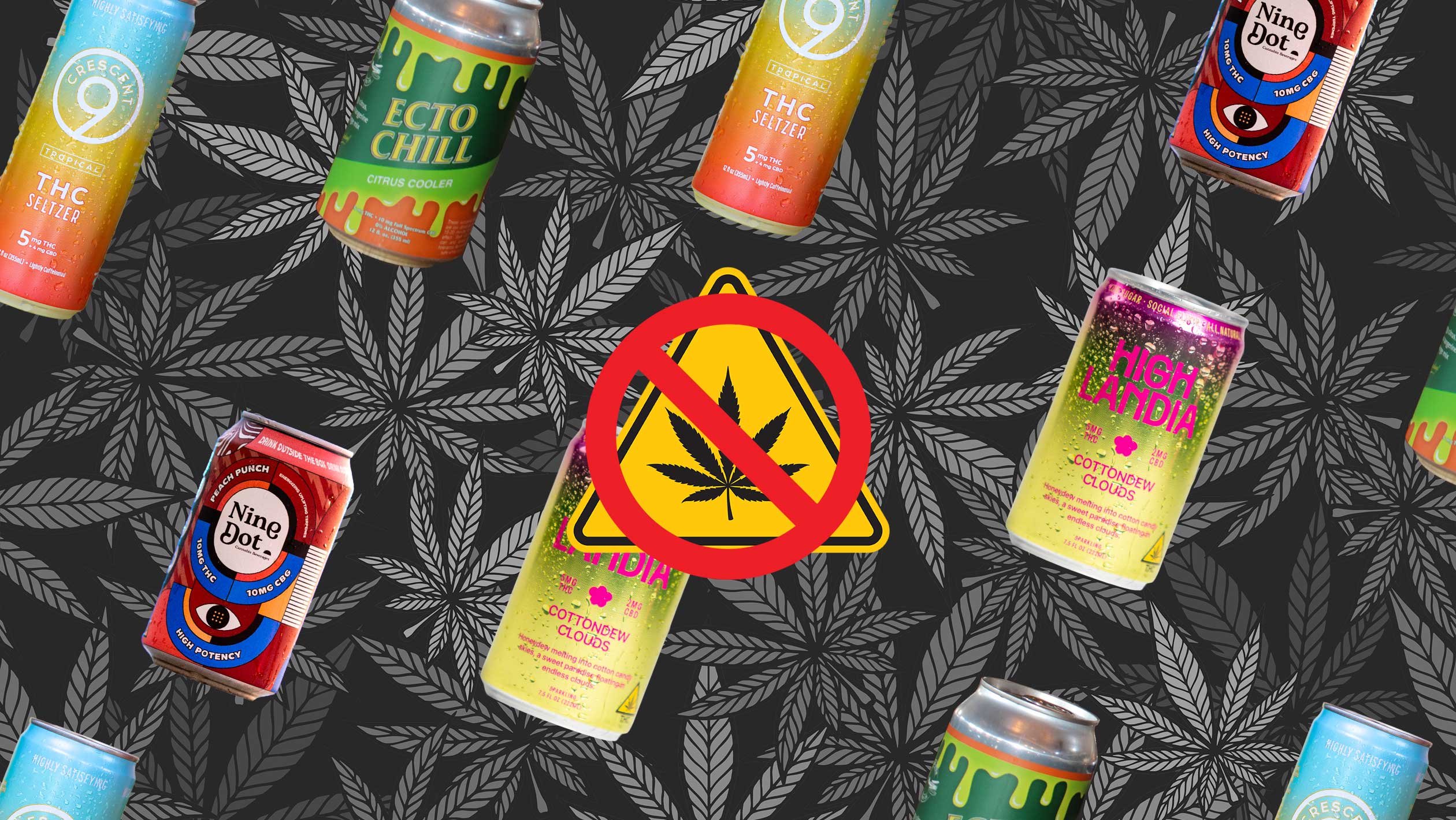
The federal hemp-derived THC market faces an existential regulatory shock: a potency cap of 0.4 milligrams per product—down from current 2-10+ milligram formulations—takes effect by year-end 2026 under a federal spending bill passed in 2024. This represents a compliance-driven market winnowing event that will eliminate an estimated 60-75% of current sellers while creating a high-barrier moat for compliant operators.
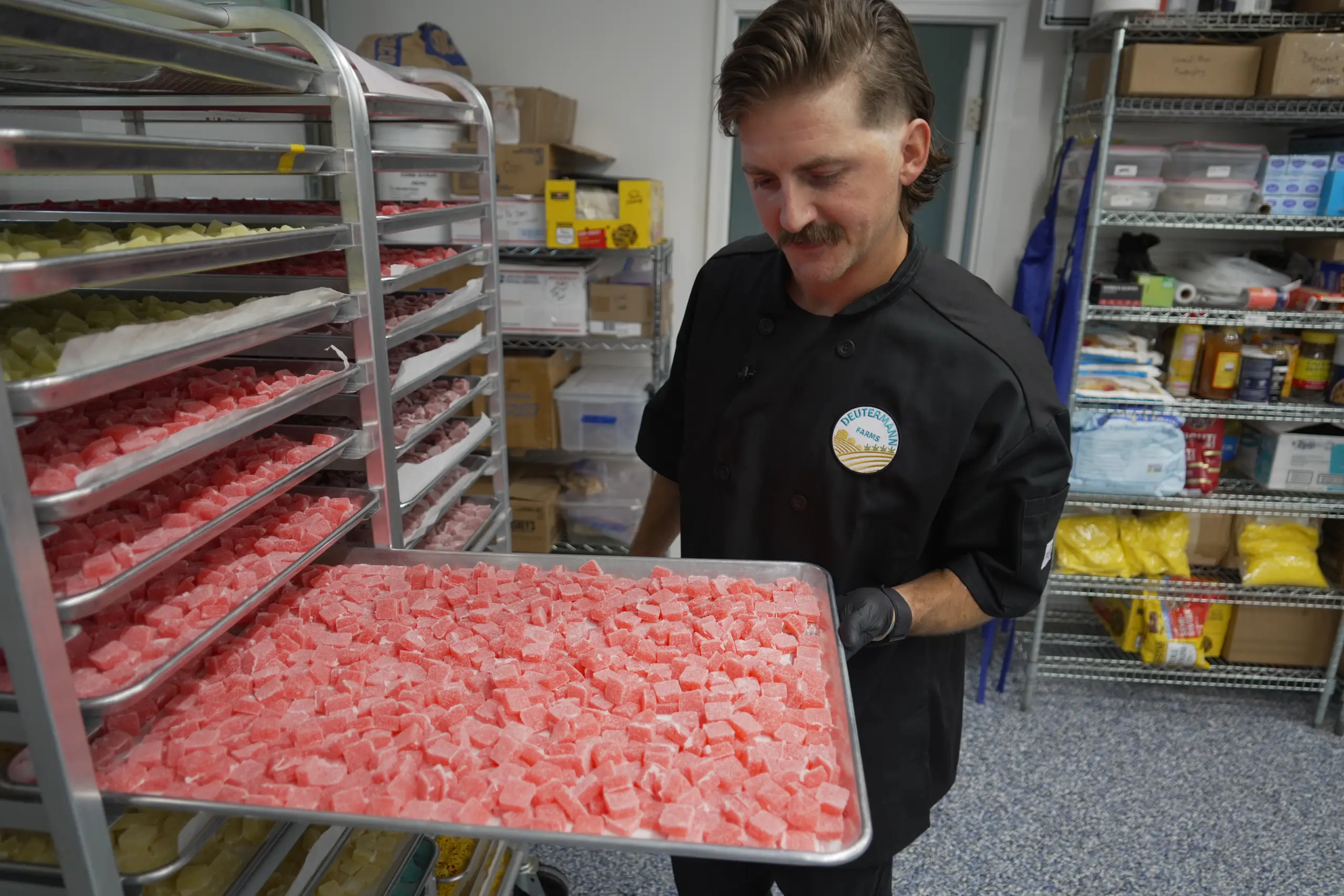
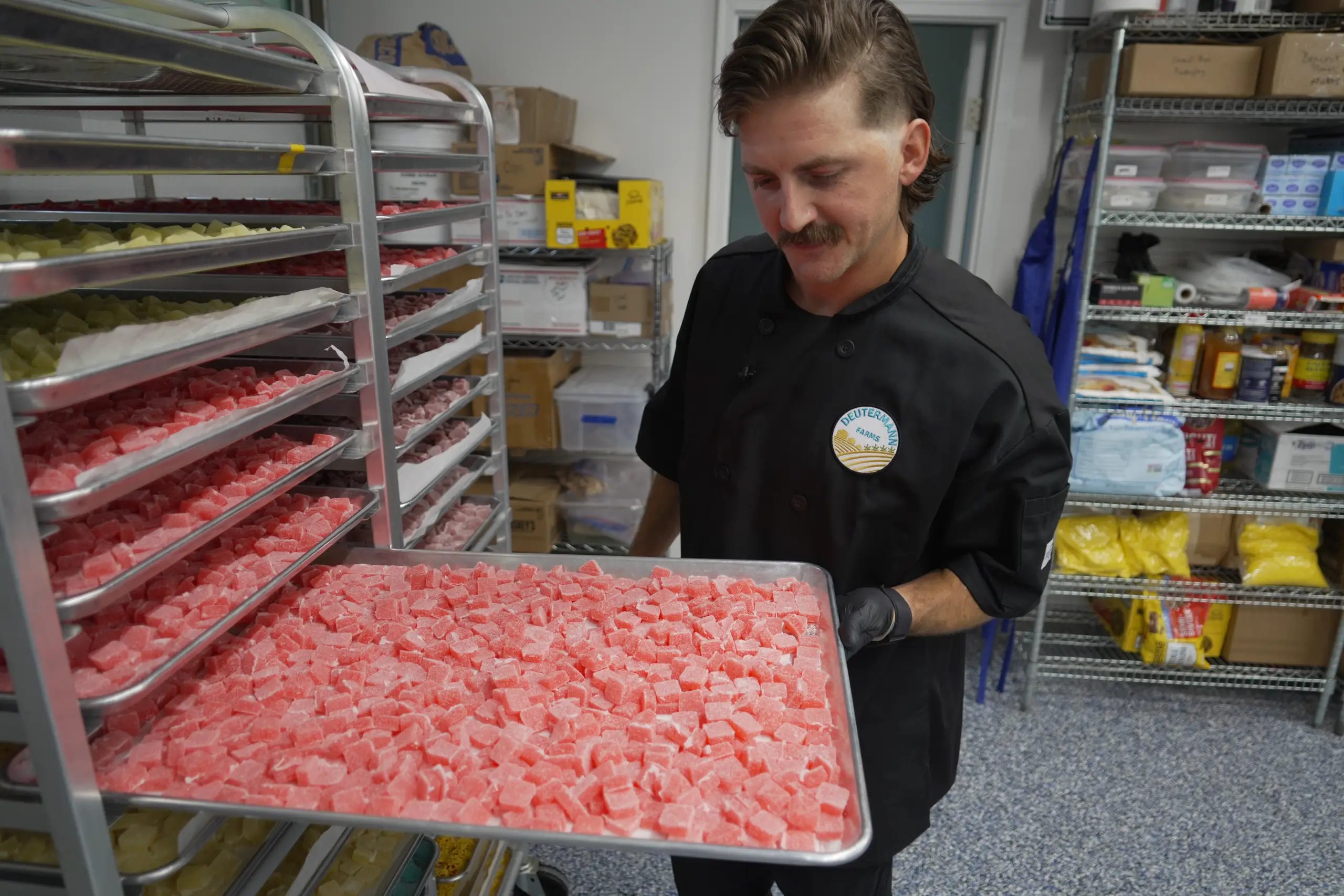
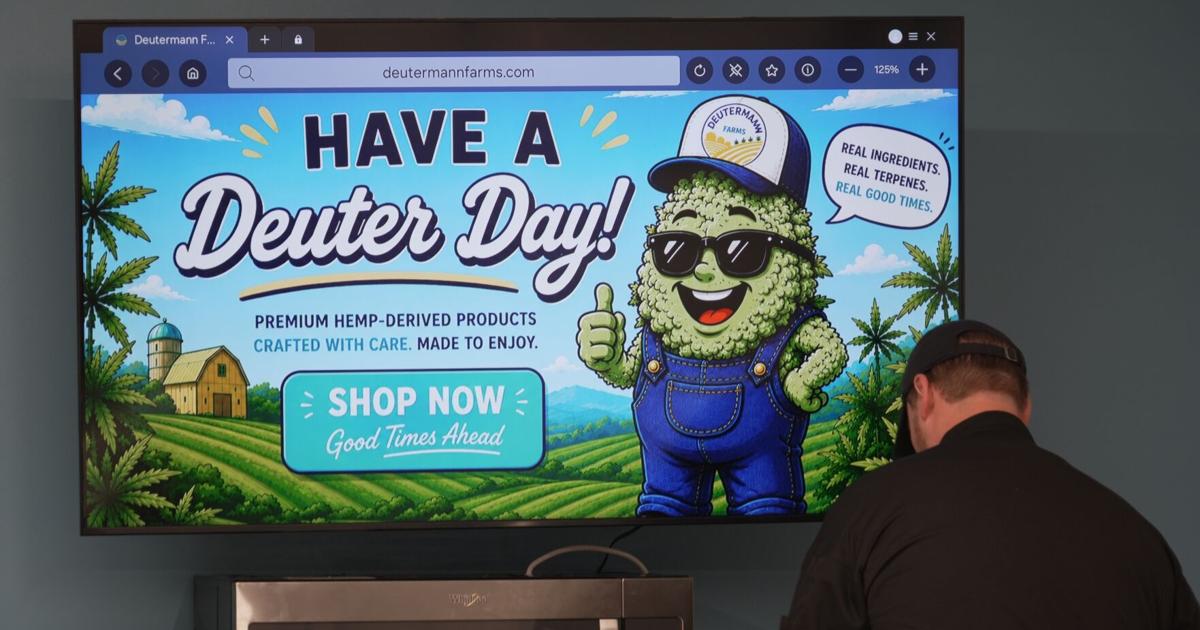
The Regulatory Collapse is Already Underway. Supply chain data reveals immediate market contraction: Minnesota hemp farmers have abandoned cultivation entirely (Jeremy Saueressig switched to soybeans; six regional grower partners planted zero hemp in 2026), and processing facilities report flattened sales with risk of operational shutdown. The market affects products sold legally in at least 20 states, representing a $28 billion industry facing forced reformulation or exit. This is not a gradual transition—it's a cliff event with 12-month runway.
Compliance Barriers Create Seller Moat. Sellers who achieve 0.4mg formulation compliance before December 2026 will face minimal competition from non-compliant incumbents forced to exit. The compliance pathway requires: (1) reformulation testing ($15,000-40,000 per product SKU), (2) third-party lab certification (60-90 day timeline), (3) updated product labeling and regulatory documentation, and (4) supply chain recertification. Estimated compliance cost: $50,000-150,000 per seller depending on product portfolio size. This cost barrier will eliminate 70%+ of small sellers currently operating in this category.
Congressional Uncertainty Extends Timeline. Five bills have been introduced (Klobuchar-Paul legislation would allow state-level regulation), but none has advanced to a vote. The original November 2025 deadline was pushed to December 2026, providing a 12-month compliance window. However, this uncertainty is already causing supply chain collapse—processors report hesitation from retailers and distributors reducing orders, creating inventory liquidation pressure.
Seller Opportunity: Compliant Alternative Products. Sellers can legally bypass the potency cap by pivoting to: (1) CBD-dominant formulations (no THC potency restrictions), (2) hemp-derived products with zero THC (full-spectrum hemp extracts below 0.3% THC), or (3) functional beverages without THC (adaptogens, nootropics, wellness drinks). These categories face zero regulatory risk and can capture market share from non-compliant THC sellers. Estimated margin expansion: 15-25% for compliant alternatives due to reduced regulatory risk premium.
Questions 7
Which e-commerce platforms restrict hemp THC product sales and how does the ban affect seller eligibility?
Amazon, Shopify, and eBay maintain restrictive policies on hemp-derived THC products due to federal legal ambiguity. The potency cap regulation will likely trigger stricter platform enforcement: sellers will need to provide third-party lab certification proving 0.4mg compliance to maintain listings. Expect platform policy updates in Q3-Q4 2026 requiring compliance documentation. Non-compliant sellers will face listing suspension or account termination. Sellers should proactively contact platform support to understand updated compliance requirements and prepare documentation packages before the December deadline.
How should sellers manage existing hemp THC inventory before the December 2026 deadline?
Sellers holding non-compliant inventory face liquidation pressure. Jeremy Saueressig retained 15,000 pounds of unsold hemp inventory from the previous year with no clear exit strategy. Recommended actions: (1) Liquidate non-compliant stock by Q3 2026 at discounted prices, (2) Shift inventory to compliant formulations immediately, (3) Explore state-level markets where regulations may differ (20+ states currently allow higher potency), (4) Consider wholesale liquidation to distributors before retail channels close. Inventory holding costs will increase as retailers reduce orders—expect 30-40% margin compression on non-compliant products by Q4 2026.