


AI Memory Shortage Drives 50% Price Hike on Premium Streaming Devices | Seller Sourcing Alert
- Component cost inflation forces electronics sellers to shift sourcing strategies; entry-level product discontinuation creates premium-only market dynamics affecting inventory positioning
Overview
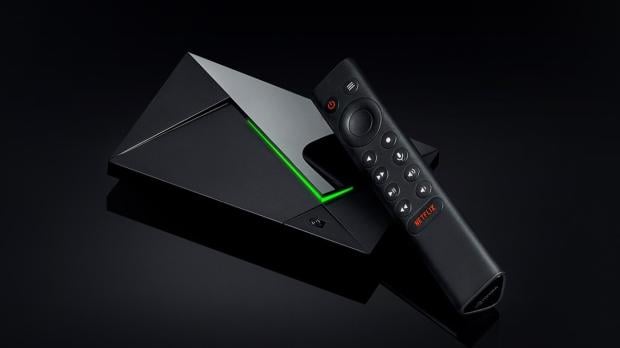
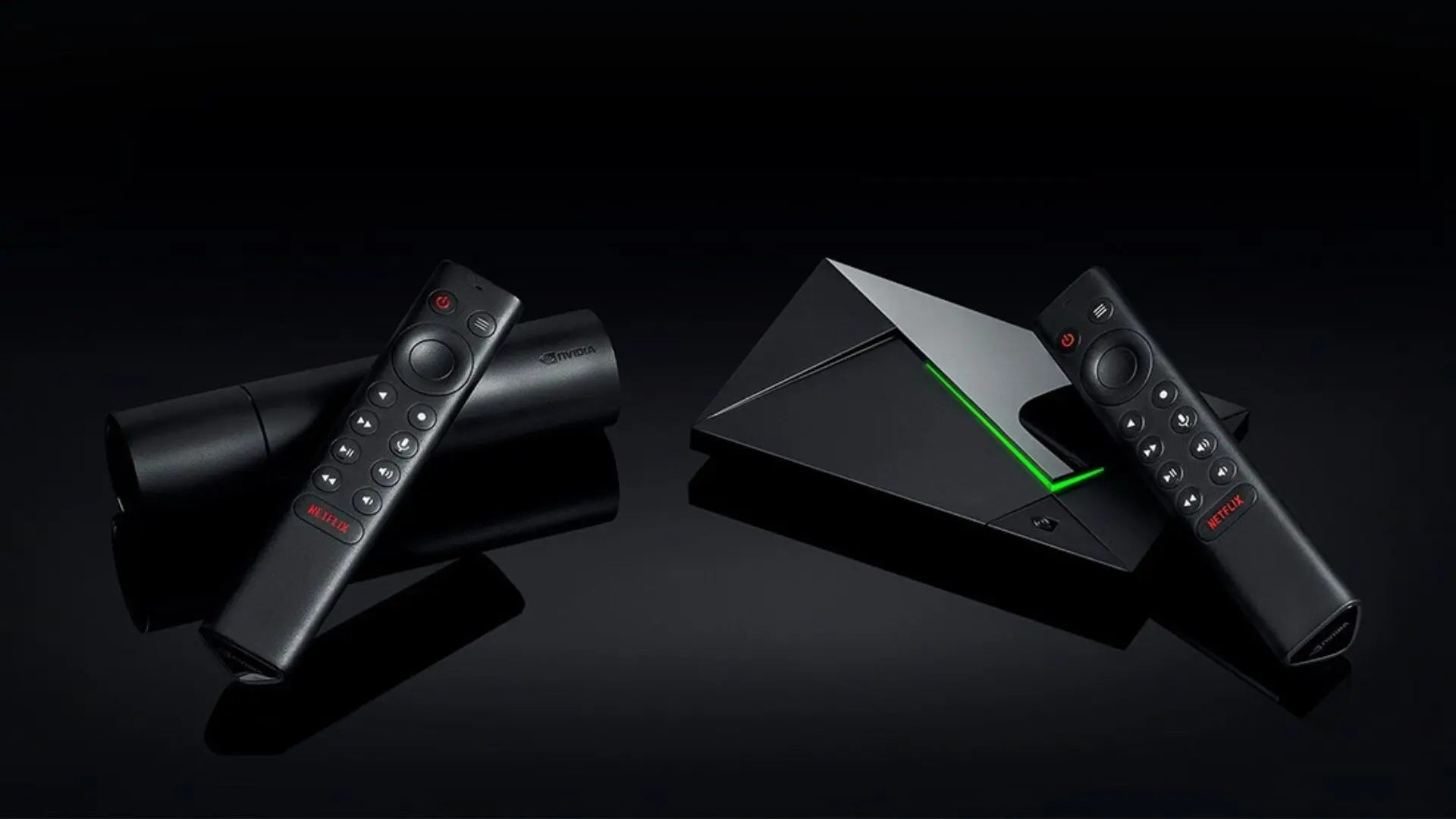
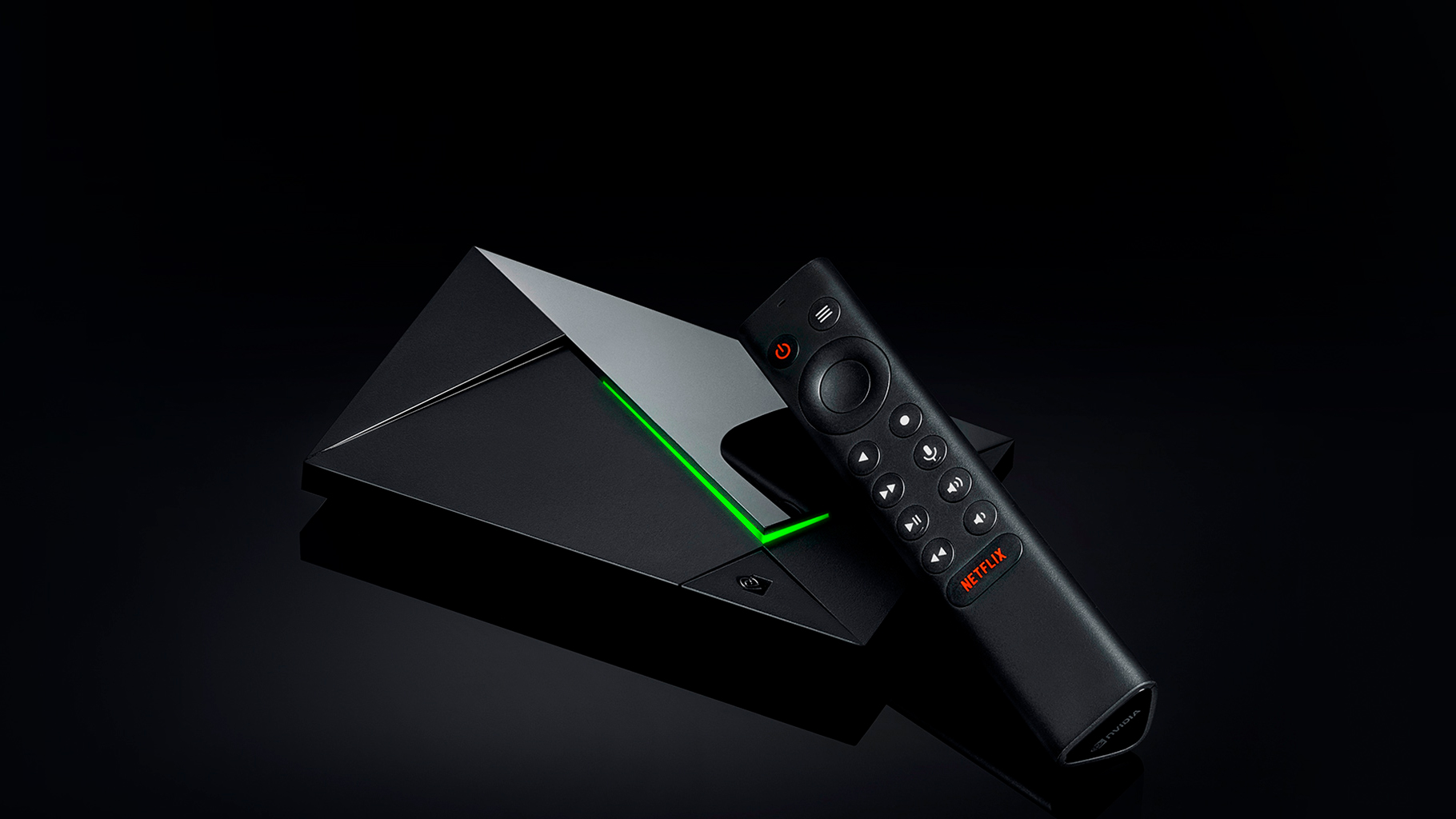
The semiconductor shortage driven by AI memory demand is creating significant cost pressures across consumer electronics categories, with Nvidia's decision to discontinue entry-level Shield TV and implement a 50% price increase on premium models signaling broader supply chain disruptions. This event directly impacts cross-border sellers in the streaming device, smart home, and consumer electronics categories who source from Asia-Pacific manufacturing hubs and rely on component availability for product assembly and resale.
Immediate Supply Chain Impact: The 50% price increase on Shield TV Pro reflects AI chip demand consuming VRAM (video RAM) and GDDR6 memory capacity that traditionally supplied consumer electronics. Sellers sourcing streaming devices, gaming peripherals, and smart home products from Taiwan, South Korea, and mainland China will face 15-25% component cost increases through Q2 2025. The discontinuation of entry-level Shield TV models indicates manufacturers are prioritizing high-margin products, forcing sellers to either absorb costs or shift to alternative brands (Roku, Amazon Fire TV, Apple TV) with potentially better cost structures.
Inventory and Sourcing Strategy: Sellers should immediately audit existing Shield TV inventory and competing streaming device stock. For sellers holding Shield TV units purchased at pre-shortage prices, this creates a 30-40% margin expansion opportunity if inventory turns within 60 days before market prices stabilize. Conversely, sellers planning Q2-Q3 restocks should shift 40-50% of streaming device sourcing to Roku Ultra and Amazon Fire TV 4K models, which face less acute component constraints. Consider pre-positioning inventory in US and EU fulfillment centers before March 2025, as logistics costs will likely increase 8-12% as carriers adjust for higher-value shipments.
Warehouse and Fulfillment Positioning: Premium streaming devices (>$150 retail) now justify FBA storage costs that previously favored FBM or 3PL models. Sellers should consolidate inventory in Amazon FBA warehouses in US-WEST-2 (California) and EU-CENTRAL-1 (Frankfurt) to capture holiday demand and reduce last-mile shipping costs. For sellers with 500+ units monthly volume, negotiate dedicated 3PL space in Los Angeles and Rotterdam ports to capture inbound freight consolidation opportunities before component costs stabilize.
Total Landed Cost Recalculation: Factor 18-22% cost increases into landed cost models: component inflation (12-15%), ocean freight premiums (3-5% for expedited routing), and tariff adjustments on semiconductor-heavy products (2-3% under HS codes 8471-8528). Sellers should lock in supplier quotes through Q2 2025 and consider air freight for high-velocity SKUs to avoid inventory obsolescence risk as technology cycles accelerate.
Questions 7
Which streaming device brands should I source instead of Nvidia Shield TV?
Roku Ultra and Amazon Fire TV 4K offer better cost structures due to diversified component sourcing and lower VRAM requirements compared to Shield TV Pro. Roku sources from multiple Asian manufacturers (Foxconn, Pegatron) reducing single-supplier risk, while Fire TV benefits from Amazon's internal chip design reducing external memory dependencies. TCL Roku TVs and Philips Hue-compatible devices also face less acute shortages. Evaluate landed costs: Roku typically 8-12% cheaper than Shield TV equivalents after tariffs and freight.
How does the Nvidia Shield TV price increase affect my streaming device inventory strategy?
The 50% price increase on Shield TV Pro reflects AI memory demand consuming semiconductor capacity, forcing sellers to choose between absorbing costs or shifting sourcing. If you hold existing Shield TV inventory purchased at pre-shortage prices, you have a 30-40% margin expansion window through March 2025 before market prices stabilize. For new purchases, shift 40-50% of sourcing to Roku Ultra and Amazon Fire TV 4K models, which face less acute component constraints. Lock in supplier quotes immediately through Q2 2025 to avoid further escalation.