


Trump-South Korea Tariff Threat | Energy Policy Uncertainty Reshapes US-Asia Trade Dynamics
- Doubled tariff threat on South Korea signals unpredictable trade policy; sellers face 15-25% cost volatility on electronics, appliances, and industrial goods imports from Asia






Overview
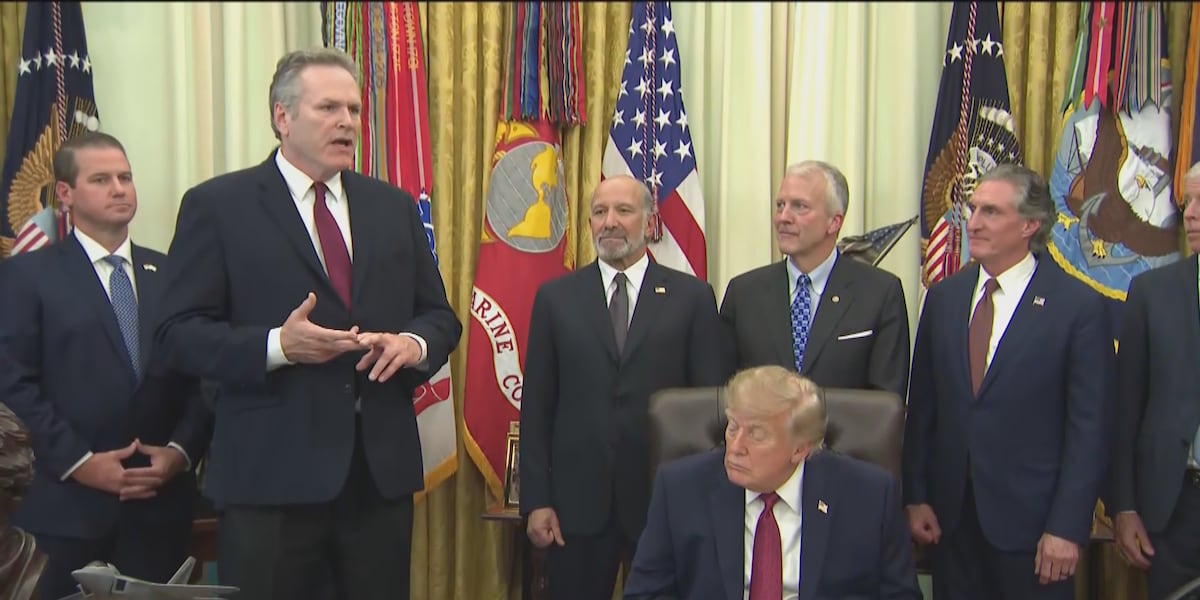
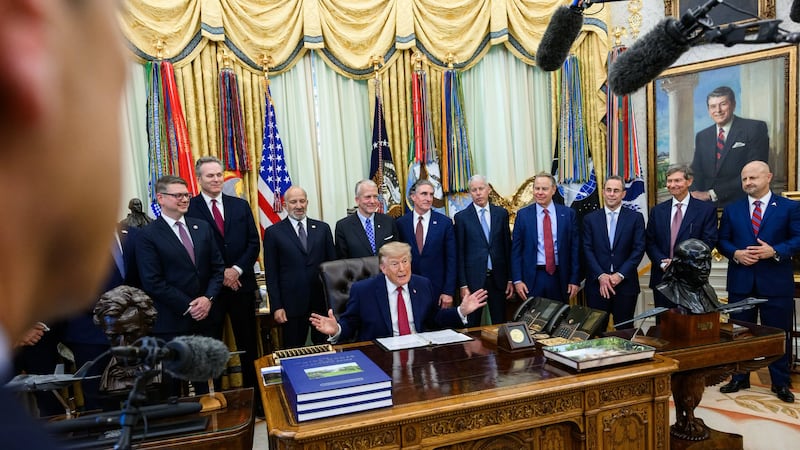
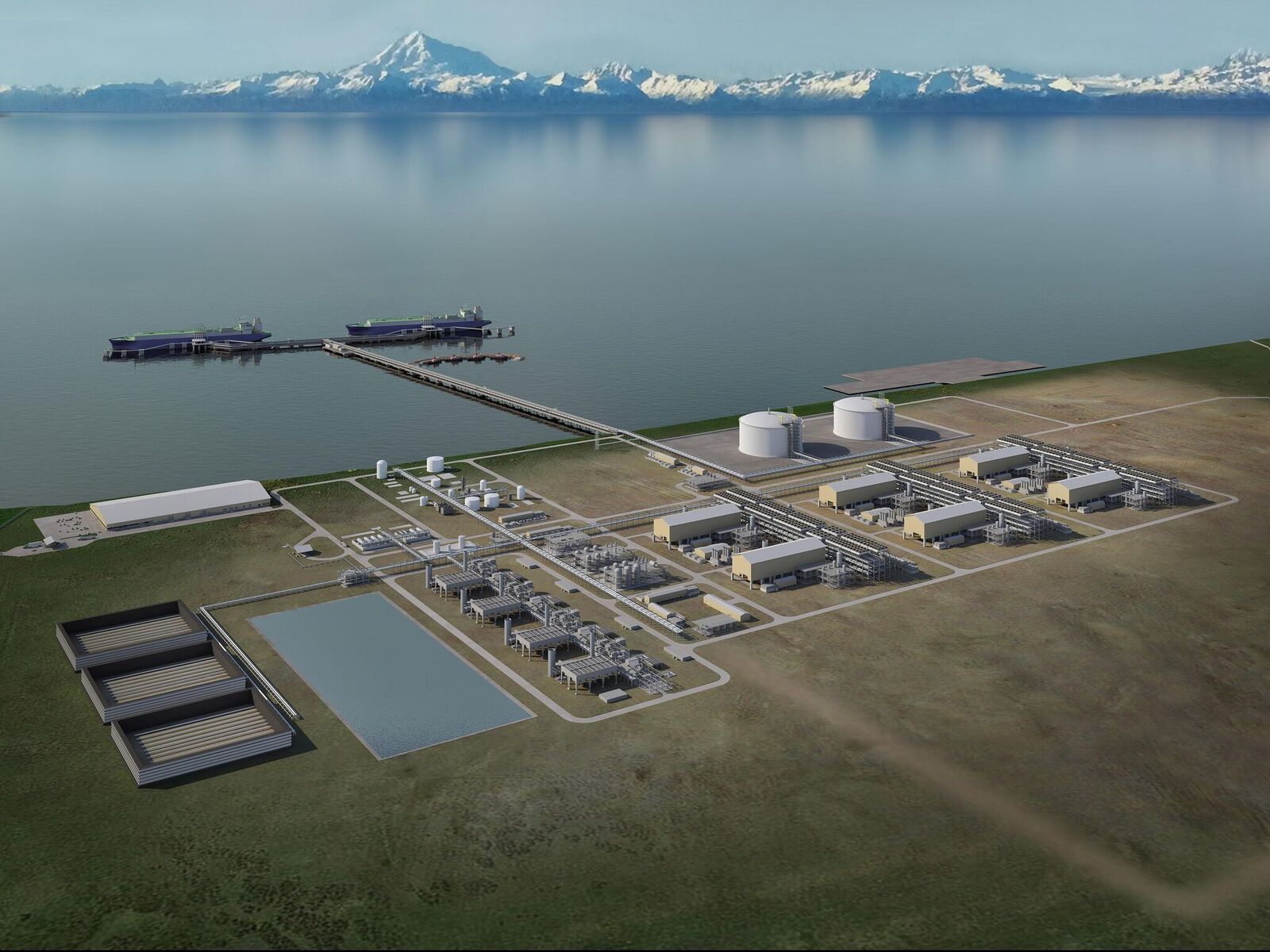
Trump's threat to impose doubled tariffs on South Korea over the failed Alaska LNG investment deal represents a critical inflection point for cross-border sellers relying on US-South Korea trade corridors. The news reveals fundamental instability in trade policy: President Trump announced a $54 billion South Korean commitment to the Alaska LNG project, but South Korean President Lee Jae Myung immediately contradicted this, stating no investment decision has been made. Trump responded Friday by threatening doubled tariffs if South Korea doesn't "sign shortly," creating immediate uncertainty for sellers importing Korean electronics, appliances, semiconductors, and industrial components.
For cross-border sellers, this tariff threat creates three critical operational risks. First, tariff rate volatility on Korean imports could increase 15-25% if Trump follows through on doubled tariffs—affecting HS codes 8471 (computers), 8517 (telecommunications equipment), 8516 (electrical appliances), and 7326 (metal products). Second, supply chain diversification becomes urgent: sellers currently sourcing 30-40% of electronics from South Korea (Samsung, LG, SK Hynix components) face margin compression of 8-12% if tariffs double. Third, policy unpredictability makes inventory planning impossible—the 1-4 week window Trump referenced creates a "sign or face tariffs" ultimatum that could trigger sudden cost spikes.
The strategic opportunity lies in tariff arbitrage and sourcing diversification. Sellers should immediately evaluate alternative sourcing from Vietnam, Thailand, and India for electronics and appliances—these countries currently face lower tariff rates (0-5% vs. potential 20-40% on Korea). The Ministry of Trade, Industry and Resources confirmed negotiations remain ongoing via memorandum of understanding with "no final investment decision," meaning tariff implementation could occur within 30-60 days if negotiations fail. Sellers with 60+ days of Korean component inventory face potential write-downs; those with flexible supply chains can shift 20-30% of orders to ASEAN suppliers before tariffs take effect. Amazon FBA sellers in electronics categories (BSR 1-10,000 in computers/appliances) should stress-test margin models assuming 15% tariff increases and identify which SKUs become unprofitable above certain tariff thresholds.
Questions 8
What alternative sourcing countries should I consider?
Vietnam, Thailand, and India offer mature electronics and appliance manufacturing with lower tariff exposure. Vietnam faces 0-3.5% tariffs on electronics (vs. potential 4-10% on South Korea), Thailand 0-4%, and India 0-5%. Vietnam has become the second-largest electronics exporter to the US after China, with established supply chains for computers, telecommunications equipment, and appliances. Thailand specializes in hard disk drives, semiconductors, and industrial machinery. India is rapidly scaling electronics manufacturing and offers tariff advantages under the US-India trade relationship. Evaluate suppliers in these countries for lead time (typically 45-60 days vs. 30-45 days from South Korea), quality standards (ISO certifications), and minimum order quantities. Begin parallel sourcing within 7-14 days to establish relationships before tariff implementation.
How can I calculate the tariff impact on my specific products?
Use the USITC Harmonized Tariff Schedule (HTS) to identify your product's HS code and current tariff rate. For example, HS code 8471 (computers) currently faces 0-2.5% tariffs; doubled tariffs would be 0-5%. Calculate impact: (Current Tariff Rate × 2) × Landed Cost = Additional Cost per Unit. For a $100 landed cost computer with 2.5% current tariff ($2.50), doubled tariffs add $2.50 per unit. Multiply by monthly volume to get total tariff cost increase. Then calculate margin impact: (Additional Tariff Cost / Selling Price) × 100 = Margin Compression %. For a $150 selling price, $2.50 additional tariff = 1.7% margin compression. Use this analysis to identify which SKUs become unprofitable and prioritize sourcing diversification for those products.