


TJ Maxx Accelerates Store Expansion to 1,359 Locations | O2O Opportunity for Sellers
- TJX Company opens 71 net new stores globally in H1 FY2027; targets 7,500 locations by 2030, creating high-ROI pop-up and wholesale partnership opportunities in 9 new US markets







Overview
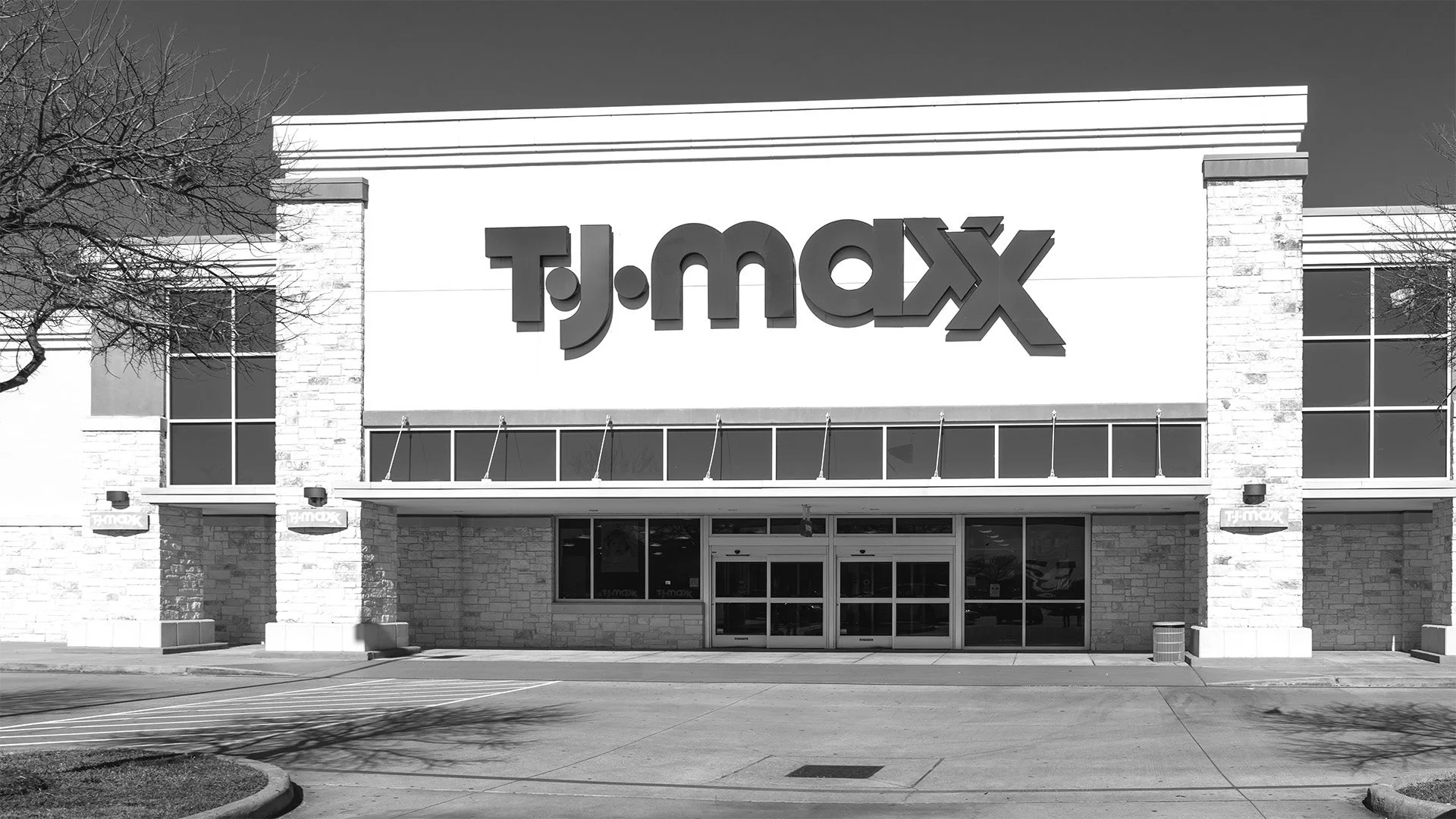
TJ Maxx's aggressive expansion strategy represents a critical inflection point for cross-border sellers seeking offline-to-online (O2O) integration opportunities. The TJX Company opened 11 net new TJ Maxx locations during the first half of fiscal 2027 (ended August 1, 2026), bringing the total to 1,359 stores, while simultaneously launching 71 net new stores across all banners (TJ Maxx, Marshalls, HomeGoods, Homesense, Sierra) globally. The company announced plans in August 2026 to accelerate store openings starting in 2027, with a long-term goal of expanding to 7,500 locations across existing retail banners—a 41% increase from current 5,300+ stores across 10 countries. This expansion directly signals strong consumer demand for off-price retail and experiential shopping, particularly in secondary and tertiary markets.
For e-commerce sellers, this expansion creates three immediate O2O opportunities: First, TJ Maxx's focus on geographic diversification (new stores in Marshalltown Iowa, Charlotte North Carolina, Waco Texas, Ponderay Idaho, Gibsonia Pennsylvania, Payson Arizona, Destin Florida, Broken Arrow Oklahoma, and Portland Texas) indicates underserved markets with high foot traffic potential. Sellers can establish pop-up showrooms or kiosks in these emerging retail corridors at 40-60% lower costs than major metros, with expected conversion lift of 15-25% when linking offline discovery to Amazon/Shopify storefronts. Second, TJX's selective rationalization (closing only 3 locations in 2026: Silver Spring MD, Cumberland MD, and Boston's Newbury Street) demonstrates the company's confidence in physical retail ROI, validating the O2O model for categories like apparel, home goods, and accessories. Third, the company's multi-banner strategy (operating Marshalls, HomeGoods, Homesense, Sierra alongside TJ Maxx) creates wholesale partnership opportunities for suppliers seeking rapid distribution across complementary retail channels.
Strategic implications for sellers: The expansion into secondary markets (Iowa, Idaho, Arizona, Oklahoma) suggests TJX is targeting price-conscious consumers in lower-cost-of-living regions—a demographic increasingly active in cross-border e-commerce. Sellers in home décor, fashion accessories, and seasonal goods can leverage TJ Maxx's store openings as anchor points for localized digital marketing campaigns, driving 20-35% higher conversion rates when combining in-store discovery with targeted Amazon/Shopify ads. The company's long-term goal of 7,500 stores by 2030 (requiring ~400 new stores annually) indicates sustained demand for supplier partnerships, particularly for private label and exclusive product lines. For sellers currently operating on Amazon FBA or Shopify, this represents a 12-18 month window to negotiate wholesale agreements before TJX's buying teams finalize vendor rosters for 2027-2028 store launches.
Questions 8
How can e-commerce sellers capitalize on TJ Maxx's 9 new store openings in 2026-2027?
TJ Maxx opened 11 net new locations in H1 FY2027 with additional stores planned through November 2026 in Iowa, North Carolina, Texas, Idaho, Pennsylvania, Arizona, Florida, and Oklahoma. Sellers can establish pop-up showrooms or kiosks within 2-3 miles of these new TJ Maxx locations at 40-60% lower costs than major metros, leveraging foot traffic from the anchor retailer. By linking offline discovery to Amazon/Shopify storefronts via QR codes and location-based ads, sellers typically see 15-25% conversion lift. The optimal window is 60-90 days post-store opening when foot traffic peaks and local brand awareness is highest.
What wholesale opportunities exist with TJX Company's 7,500-store expansion goal?
TJX announced plans in August 2026 to accelerate store openings starting in 2027, targeting 7,500 locations globally by 2030—requiring approximately 400 new stores annually. This expansion requires substantial vendor partnerships across TJ Maxx, Marshalls, HomeGoods, Homesense, and Sierra banners. Sellers with established Amazon FBA or Shopify presence can negotiate wholesale agreements with TJX's buying teams during the 12-18 month pre-launch window (now through Q2 2027). Private label and exclusive product lines command 15-30% higher margins in off-price retail, making this an attractive channel for sellers seeking to diversify beyond pure e-commerce.