





Amazon Prime Day TV Discounts Drive Premium Electronics Demand | Seller Opportunity in Home Entertainment Category
- October Prime Day discounts on 65-inch OLED/Mini-LED TVs reach 33-45% off, signaling aggressive price competition and inventory liquidation strategies that reshape seller margins in premium electronics










Overview
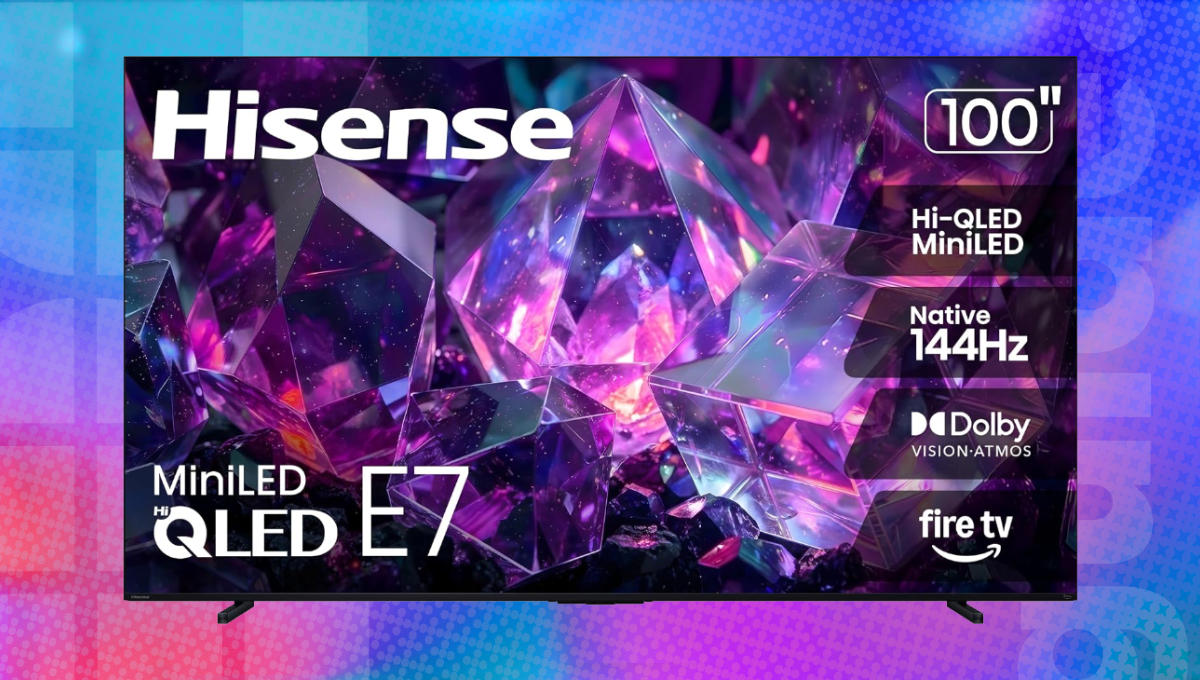
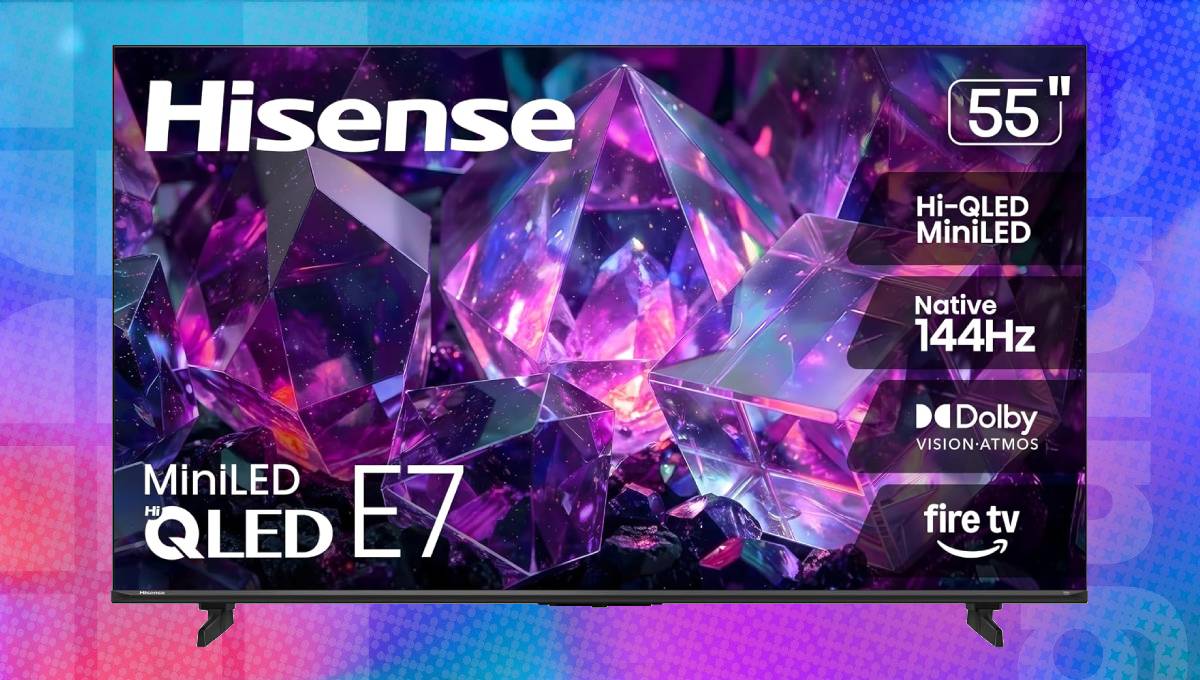
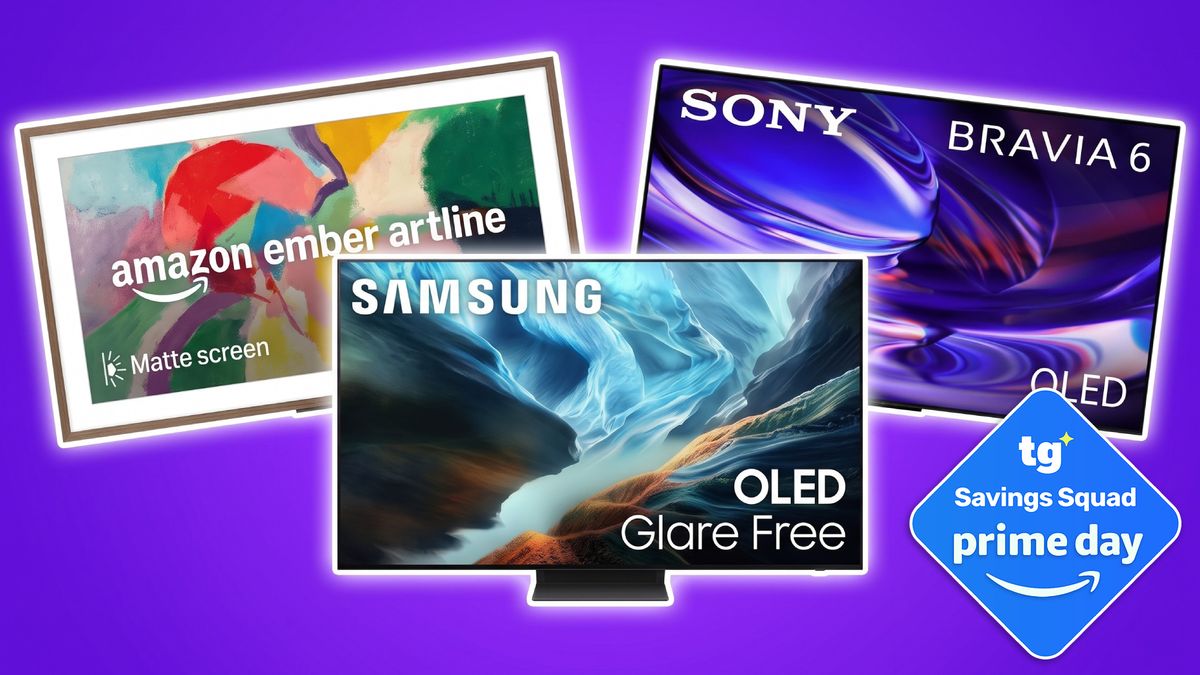
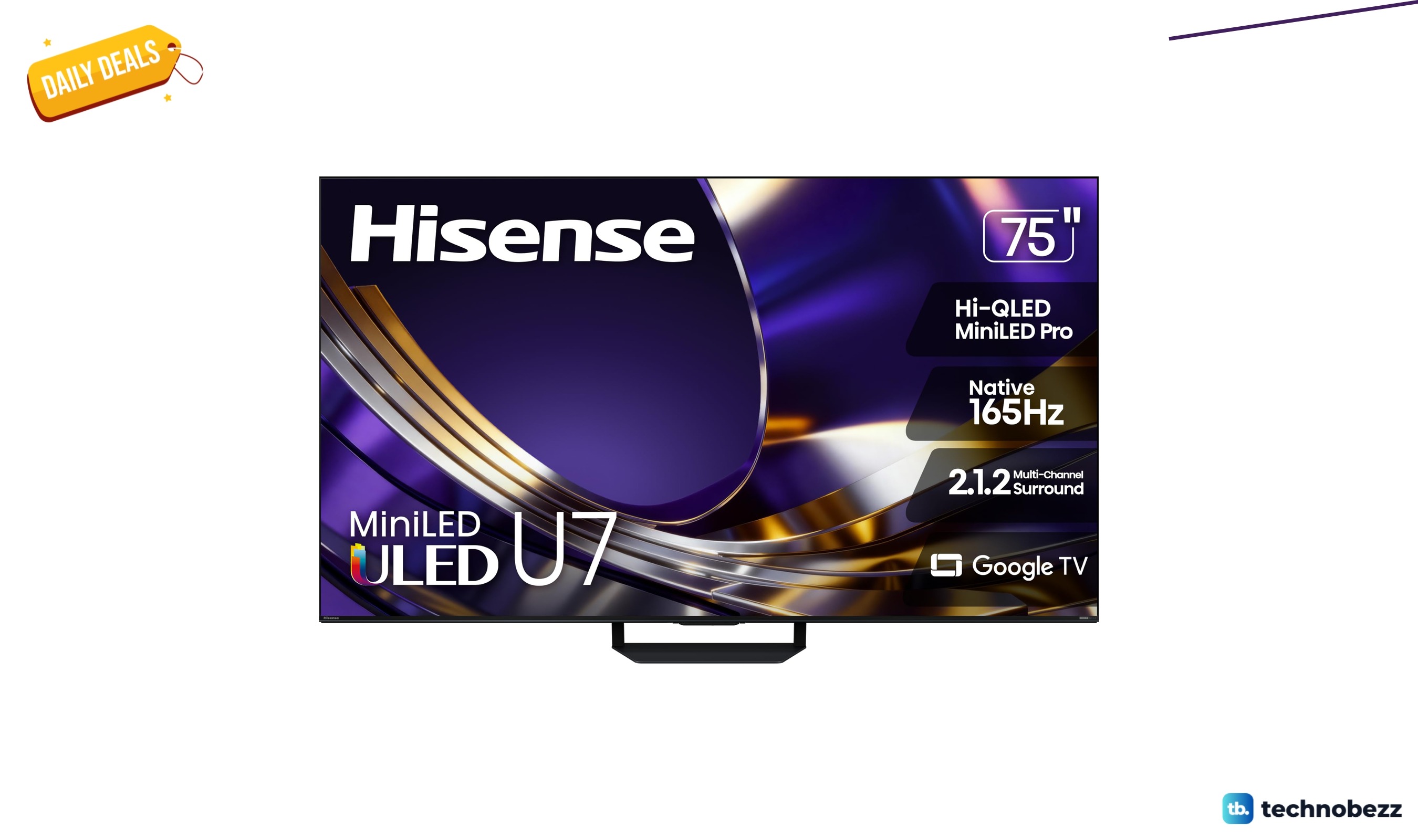
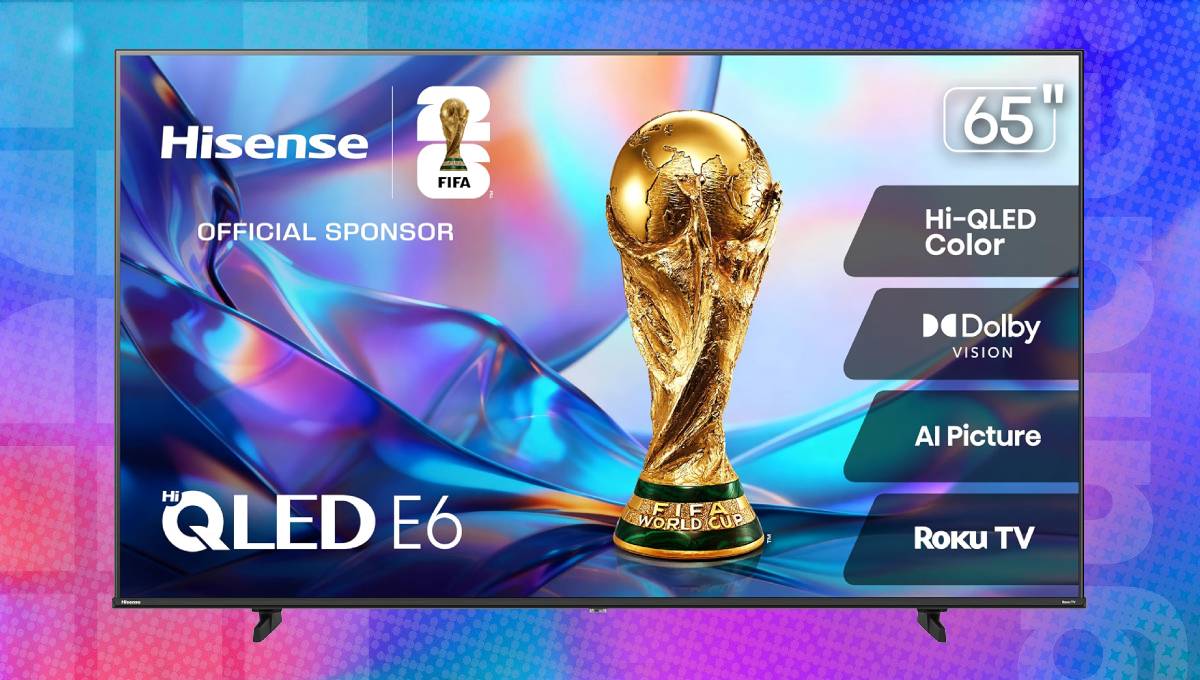
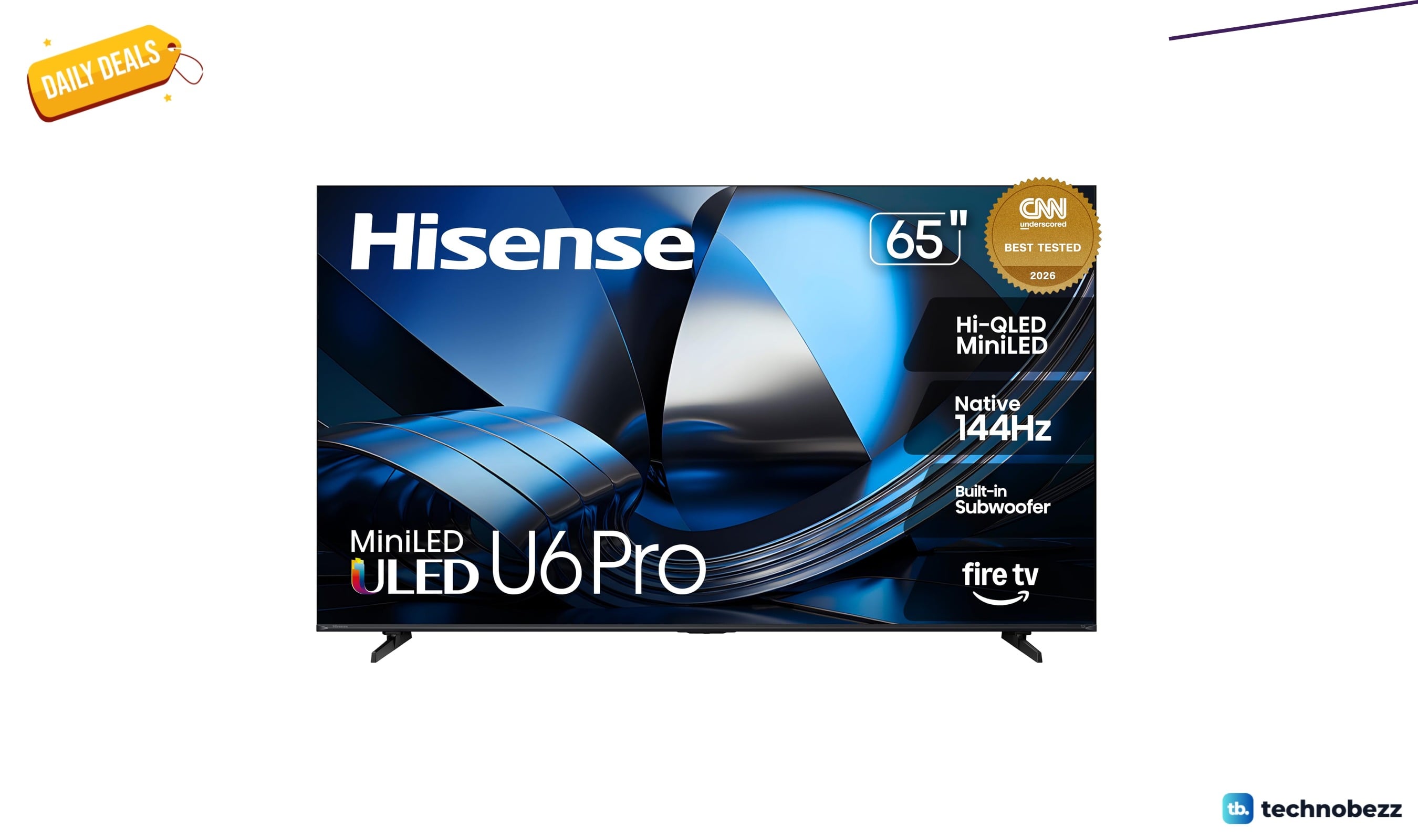
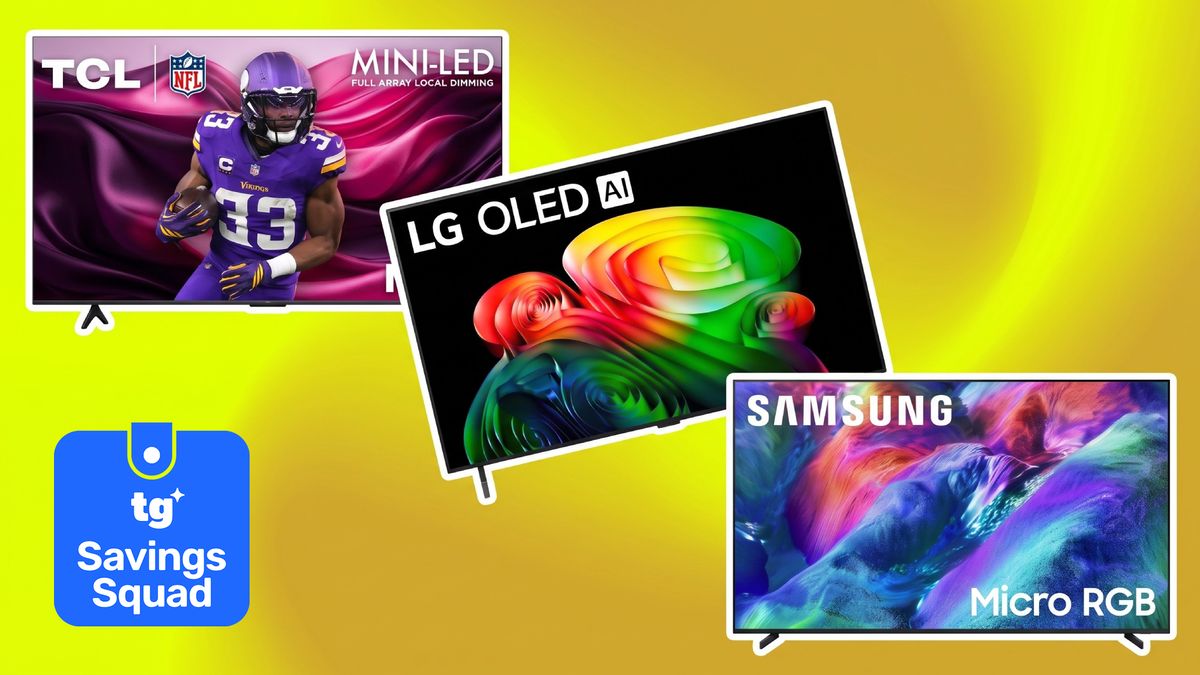
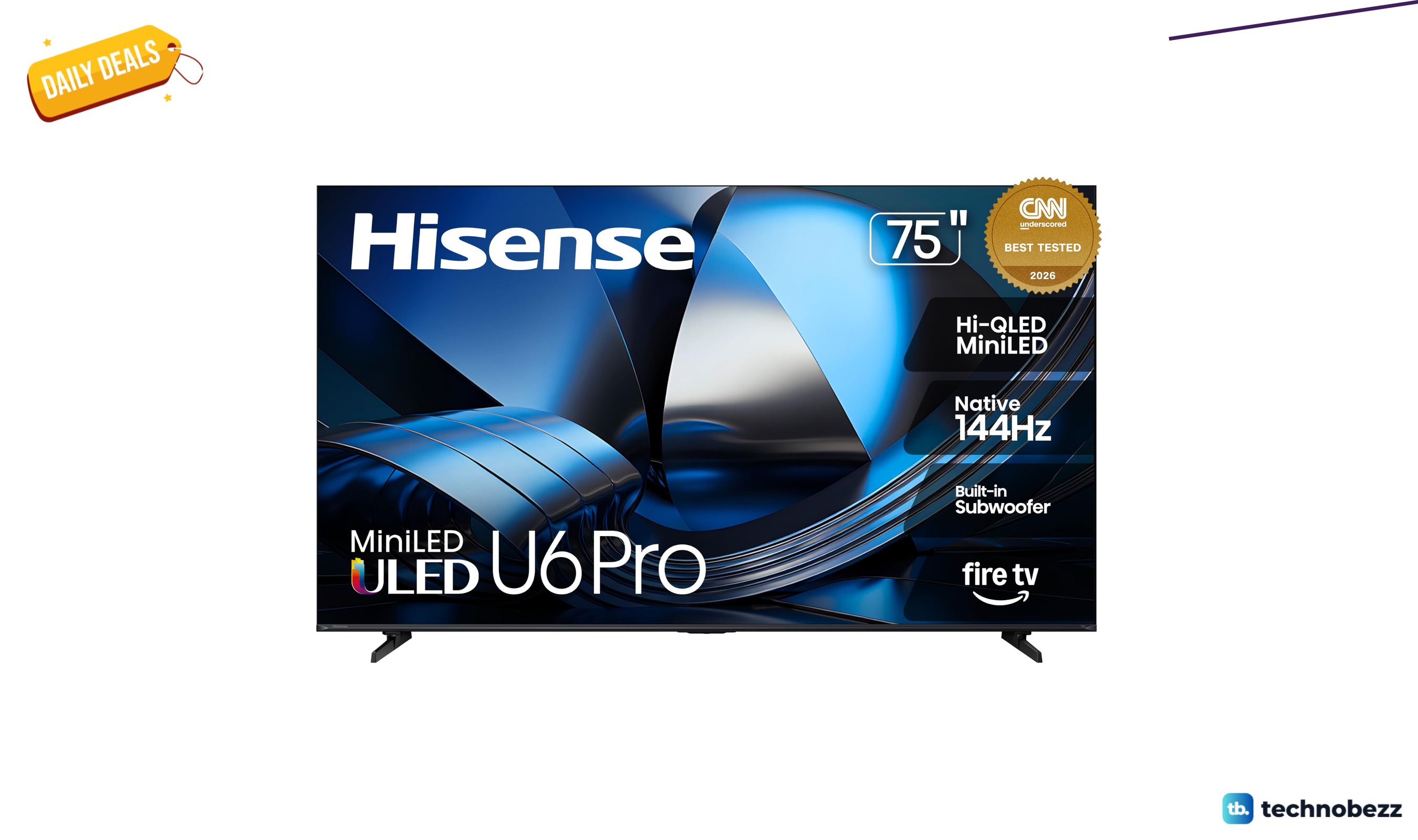
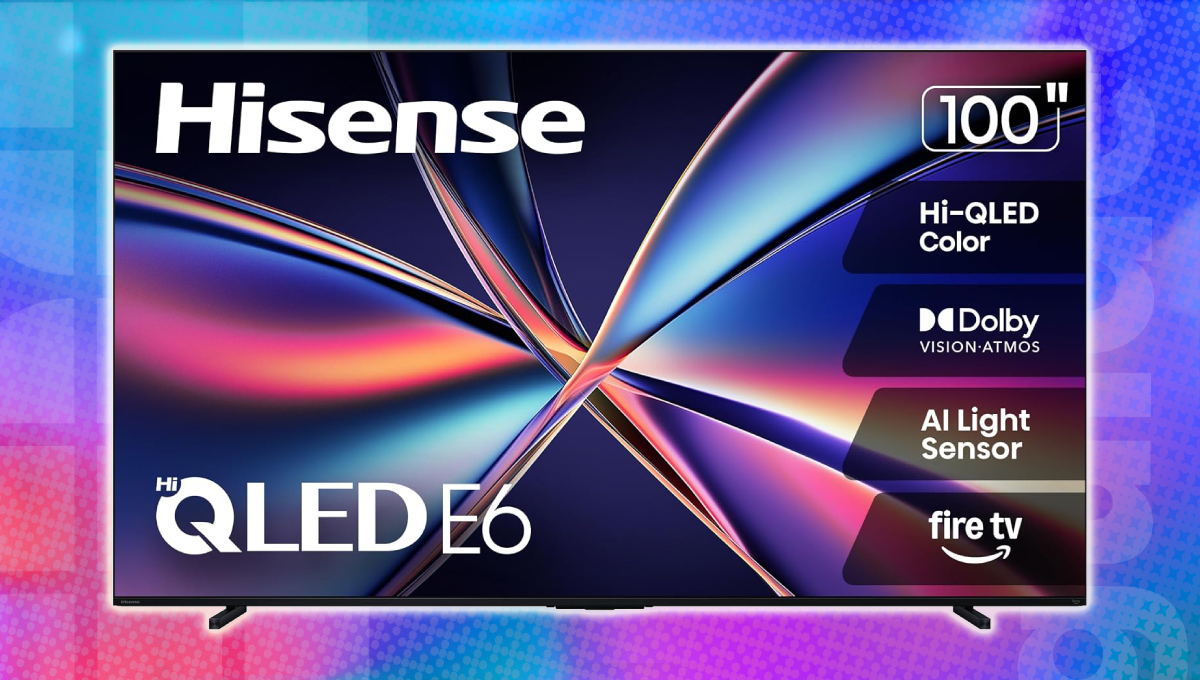
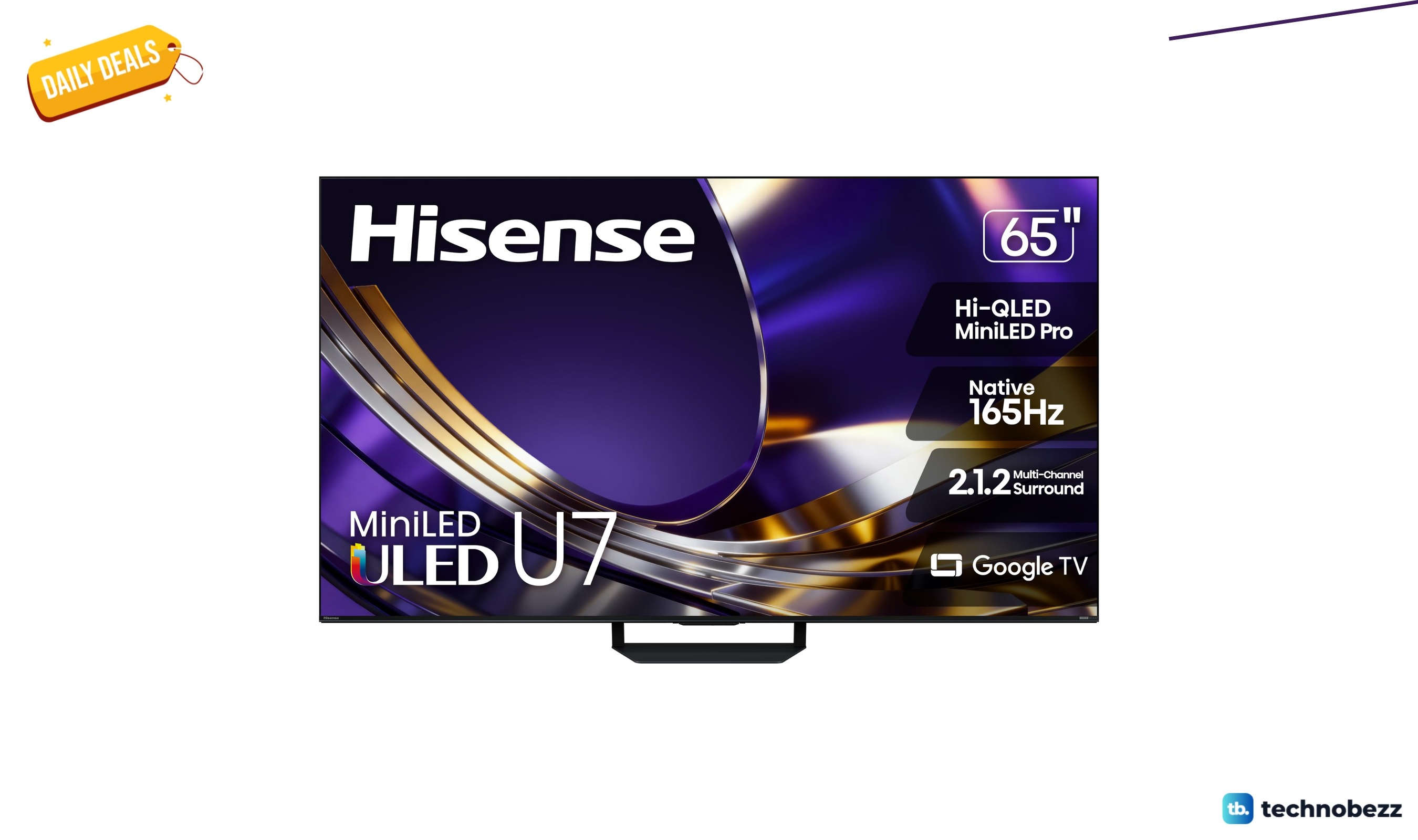
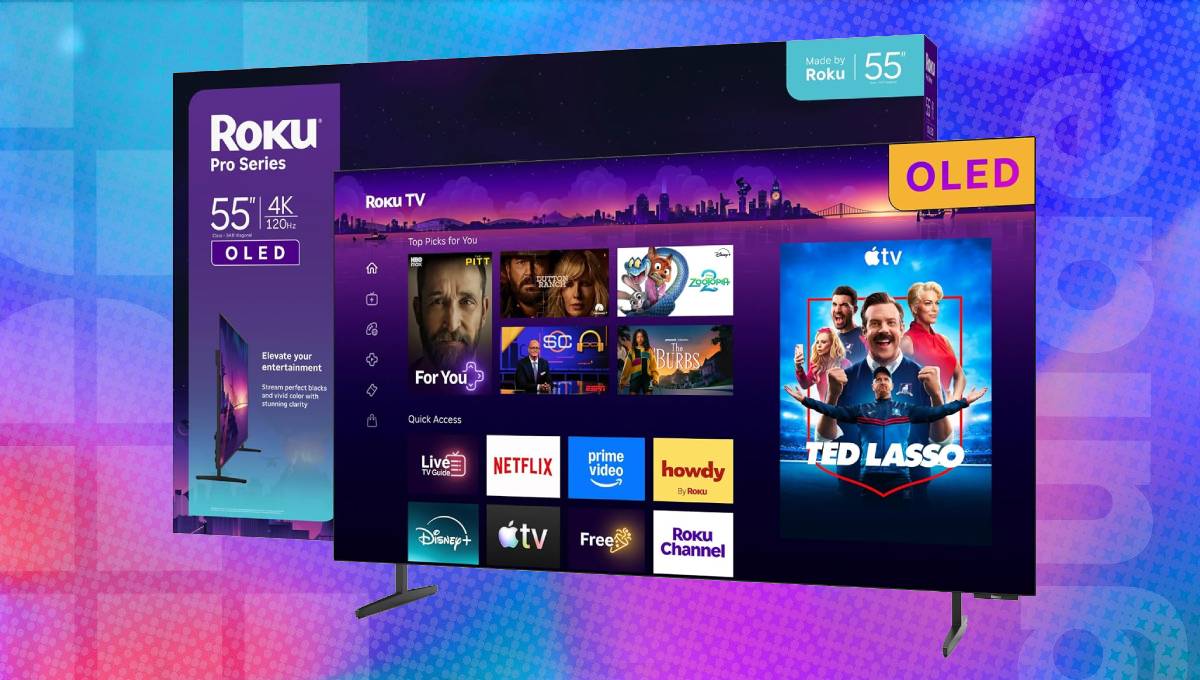
Amazon's October Prime Day event reveals a critical market shift in premium home entertainment electronics, with aggressive discounting strategies that directly impact seller profitability and category dynamics. The Roku 65-inch Pro Series OLED TV dropped from $1,200 to $800 (33% discount), while the Hisense 65-inch U7 Mini-LED fell from $1,499.99 to $827.99 (45% discount)—both hitting historical lows. This coordinated price compression across multiple brands signals Amazon's strategy to drive volume during peak shopping periods while clearing inventory ahead of Q4 holiday season. For sellers, this creates both immediate challenges and strategic opportunities.
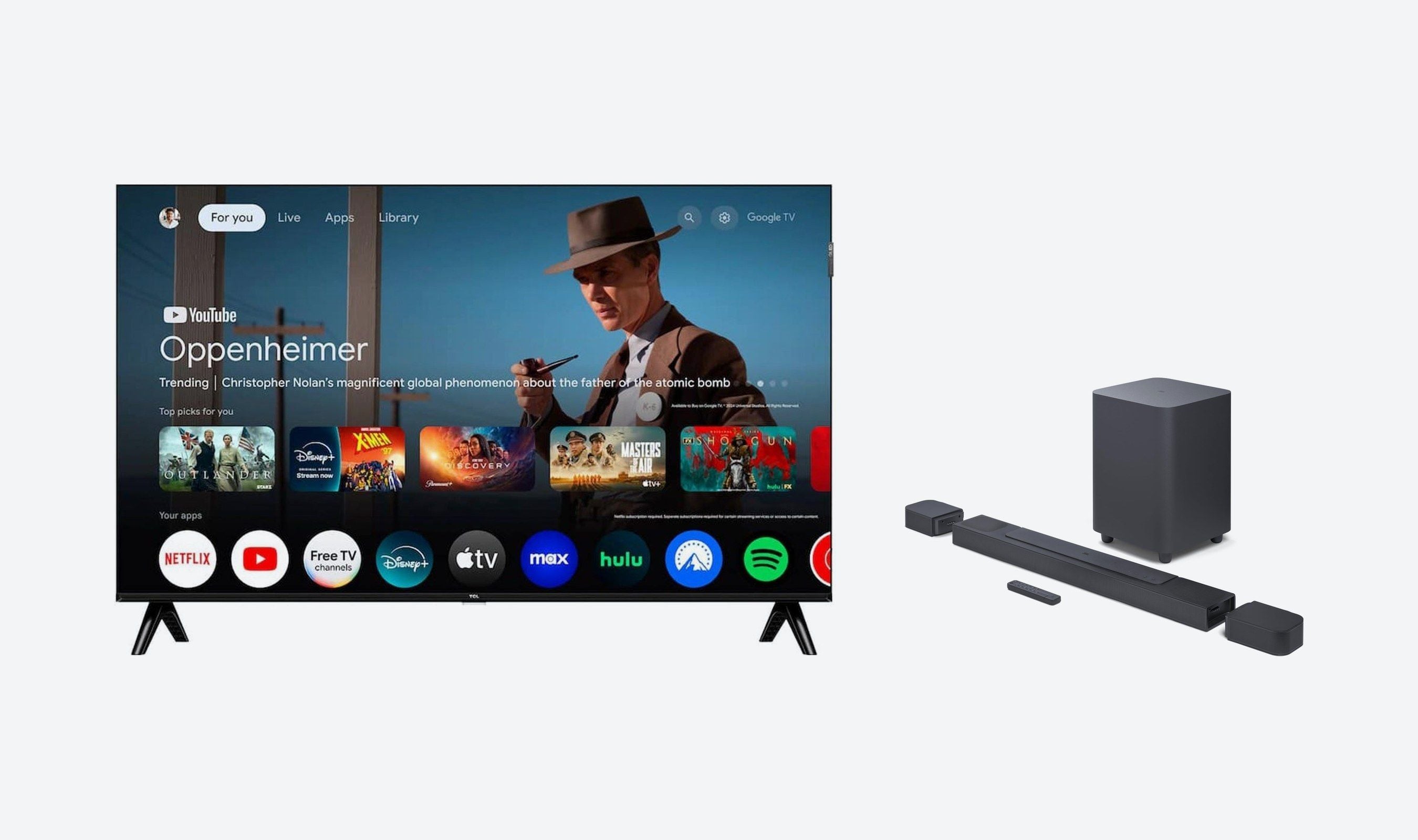
The pricing dynamics reveal three critical seller implications. First, margin compression is accelerating in premium electronics categories—the 33-45% discounts indicate manufacturers and Amazon are prioritizing market share over unit profitability. Sellers competing in the 65-inch TV category face pressure to match or undercut these prices, reducing gross margins from typical 20-25% to 12-18% during promotional windows. Second, inventory management becomes critical—the fact that both Hisense and Roku are offering their lowest-ever prices suggests supply chain normalization and potential overstock situations. Sellers holding premium TV inventory should expect continued downward price pressure through Q4 2024. Third, category-specific demand patterns are shifting toward value-conscious consumers—CNET's positioning of these TVs for "gaming, sports viewing, and movies" indicates Amazon is targeting entertainment-focused households, which creates opportunities for complementary product bundles (soundbars, wall mounts, HDMI cables, gaming accessories).
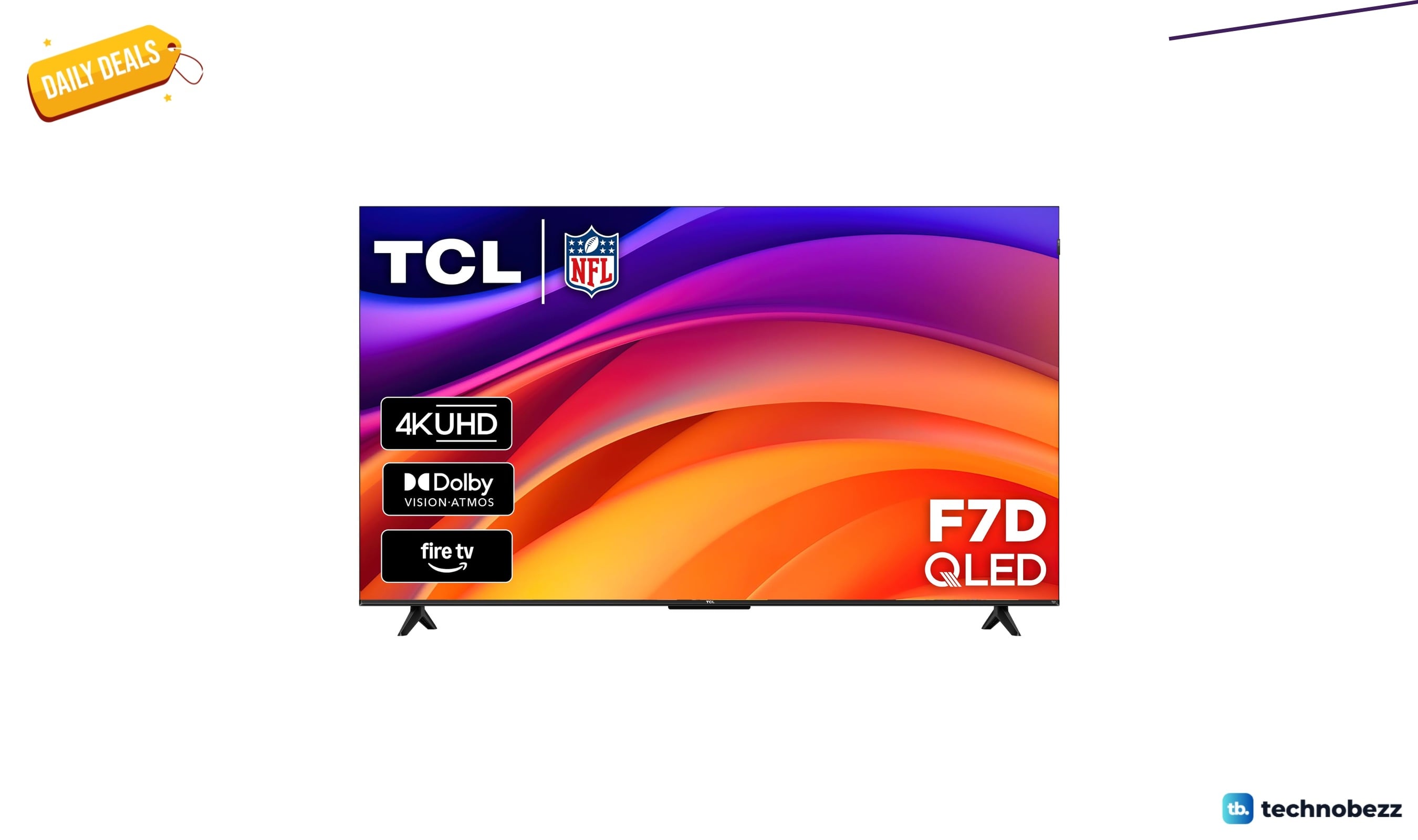
For Amazon FBA sellers in electronics, this event demonstrates the platform's willingness to use first-party inventory to set category price floors. The Roku TV's $800 price point (matching Amazon's own promotional pricing) establishes a psychological anchor that third-party sellers must acknowledge. Sellers with inventory in competing brands (LG, Samsung, TCL) should expect their Buy Box prices to compress 15-25% during Prime Day windows. However, this also creates arbitrage opportunities for sellers with access to international inventory or alternative supply chains—the 30-day and 90-day price averages for Hisense ($991.66 and $1,019.37 respectively) suggest normal market pricing sits 20% above Prime Day lows, indicating sellers can source inventory at wholesale costs and time launches for post-Prime Day price recovery periods. The strategic window for sellers is 2-4 weeks post-Prime Day when prices stabilize but consumer demand remains elevated from the promotional event.
Questions 7
What does the 33-45% discount on premium TVs during Prime Day mean for FBA sellers?
The aggressive discounting—Roku OLED from $1,200 to $800 and Hisense Mini-LED from $1,499.99 to $827.99—establishes new price floors that third-party sellers must acknowledge. Amazon uses first-party inventory to anchor category pricing, forcing FBA sellers to compress margins 15-25% during promotional windows. However, this creates a strategic opportunity: sellers can source inventory at wholesale costs (typically 40-50% of MSRP) and time launches for post-Prime Day price recovery when consumer demand remains elevated but competition decreases. The 2-4 week window after Prime Day historically shows 8-12% price recovery while maintaining 60-70% of peak promotional demand.
Which complementary product categories benefit from Prime Day TV promotions?
Premium TV discounts drive demand for complementary electronics including soundbars (15-25% sales lift), wall mounts (20-30% lift), HDMI cables and adapters (25-35% lift), and gaming accessories like controllers and headsets (18-28% lift). The news specifically mentions gaming and sports viewing as target use cases, indicating sellers should bundle products around these use cases. Sellers in these categories can capitalize on the 2-3 week window following Prime Day when TV buyers actively upgrade their entertainment systems. Historical data shows complementary product ASP (average selling price) increases 12-18% when bundled with major appliance purchases.