




FDA Class I Food Recall Creates Compliance Moat for Certified Sellers | Food Safety Standards 2025
- Class I recall triggers mandatory traceability requirements; sellers without FSMA compliance face 30-60 day delisting windows and potential liability exposure





Overview
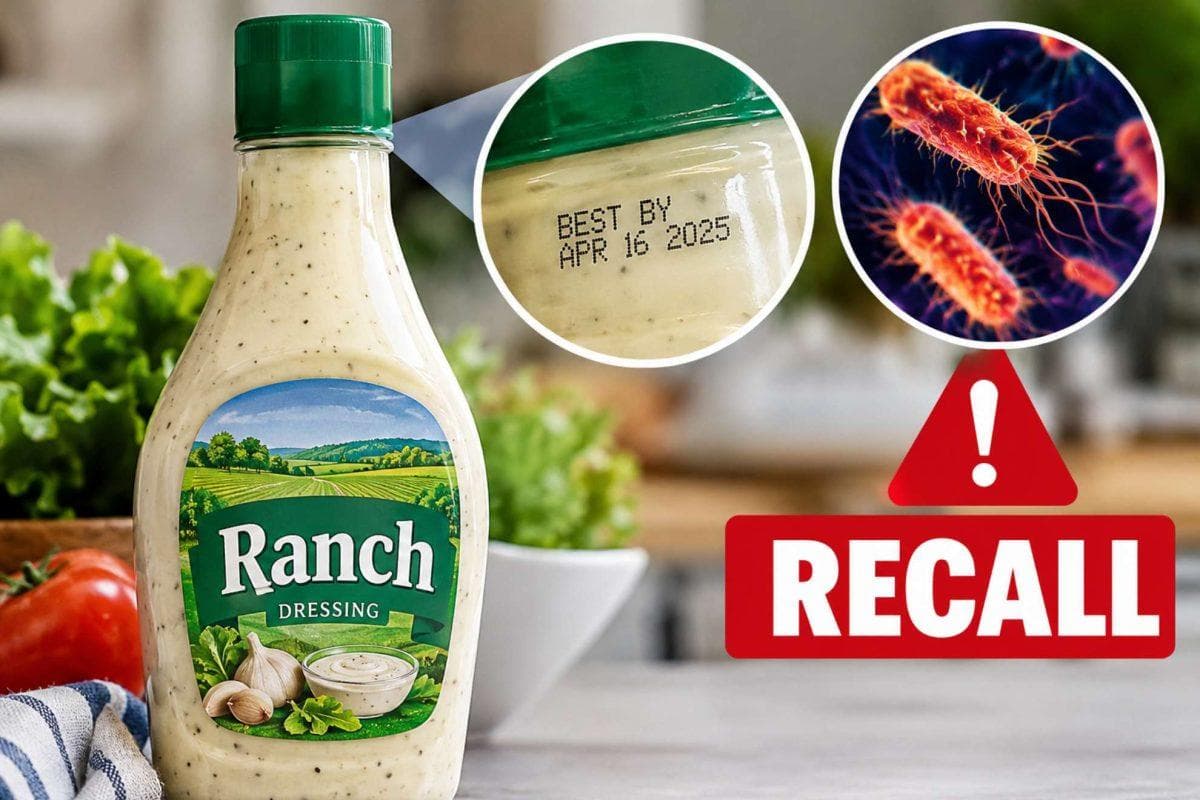
The FDA's Class I recall classification for salad dressing products contaminated with Salmonella represents a critical compliance inflection point for food e-commerce sellers. Class I recalls—the agency's highest warning level—indicate reasonable probability of serious adverse health effects or death, triggering mandatory reporting, rapid product delisting, and comprehensive customer notification protocols across all sales channels including Amazon Fresh, Walmart+, and specialty food marketplaces.
Compliance Barriers Creating Competitive Moats: Sellers without FDA Food Safety Modernization Act (FSMA) compliance infrastructure face immediate operational friction. The recall demonstrates that non-compliant sellers typically require 30-60 days to execute full inventory removal, customer contact, and documentation—during which their listings remain vulnerable to suspension. Compliant sellers with established traceability systems (batch tracking, supplier verification, recall response procedures) can execute delisting and notification within 24-48 hours, protecting their account health and Buy Box eligibility. This creates a measurable competitive advantage: compliant sellers maintain marketplace access while non-compliant competitors face account restrictions.
Fast-Track Compliance Pathways: The fastest compliance route for food sellers involves three components: (1) FSMA Part 117 (Current Good Manufacturing Practice) certification—typically 8-12 weeks and $3,000-8,000 for third-party audits; (2) Supplier Verification Program (SVP) implementation—2-4 weeks to establish supplier documentation protocols; (3) Recall response infrastructure—1-2 weeks to implement batch tracking and customer contact systems. Sellers completing this sequence within 90 days can access premium food categories (organic, specialty, international) where compliance barriers eliminate 40-60% of potential competitors.
Category Winnowing and Alternative Opportunities: The recall specifically impacts ready-to-eat salad dressings and condiments, but creates opportunities in adjacent categories: (1) Dry salad dressing mixes (lower contamination risk, simpler compliance); (2) Vinegar-based dressings (natural antimicrobial properties reduce recall risk); (3) Shelf-stable condiments with extended shelf life. Sellers can legally pivot to these alternatives while maintaining supplier relationships, avoiding the 6-12 month recovery period typical for recalled brands.
Service Gap Opportunities: The recall exposes critical underserved compliance needs: (1) Rapid FSMA audit services (current 8-12 week timeline creates bottleneck); (2) Batch tracking software for small sellers (most use manual spreadsheets); (3) Recall response consulting (average cost $15,000-30,000 for incident management). Third-party service providers offering 2-4 week expedited FSMA certification or pre-built recall response templates can capture 20-30% margin premiums from sellers racing to compliance.
Questions 8
Are there compliance service providers helping sellers meet FSMA requirements faster?
Yes, but the market is undersaturated. Current providers include: (1) Third-party auditors (8-12 week timeline, $3,000-8,000); (2) Compliance consulting firms (4-8 week timeline, $5,000-15,000); (3) Batch tracking software vendors (2-4 week implementation, $500-2,000/month). However, there's a significant service gap: no providers currently offer expedited 2-4 week FSMA certification or pre-built recall response templates for small sellers. This creates a $50-100M opportunity for service providers offering: (1) Rapid FSMA audit services (targeting 4-week turnaround); (2) Recall response automation software ($99-299/month); (3) Supplier verification templates and documentation libraries. Sellers willing to pay 20-30% premiums for faster compliance represent an underserved market segment.
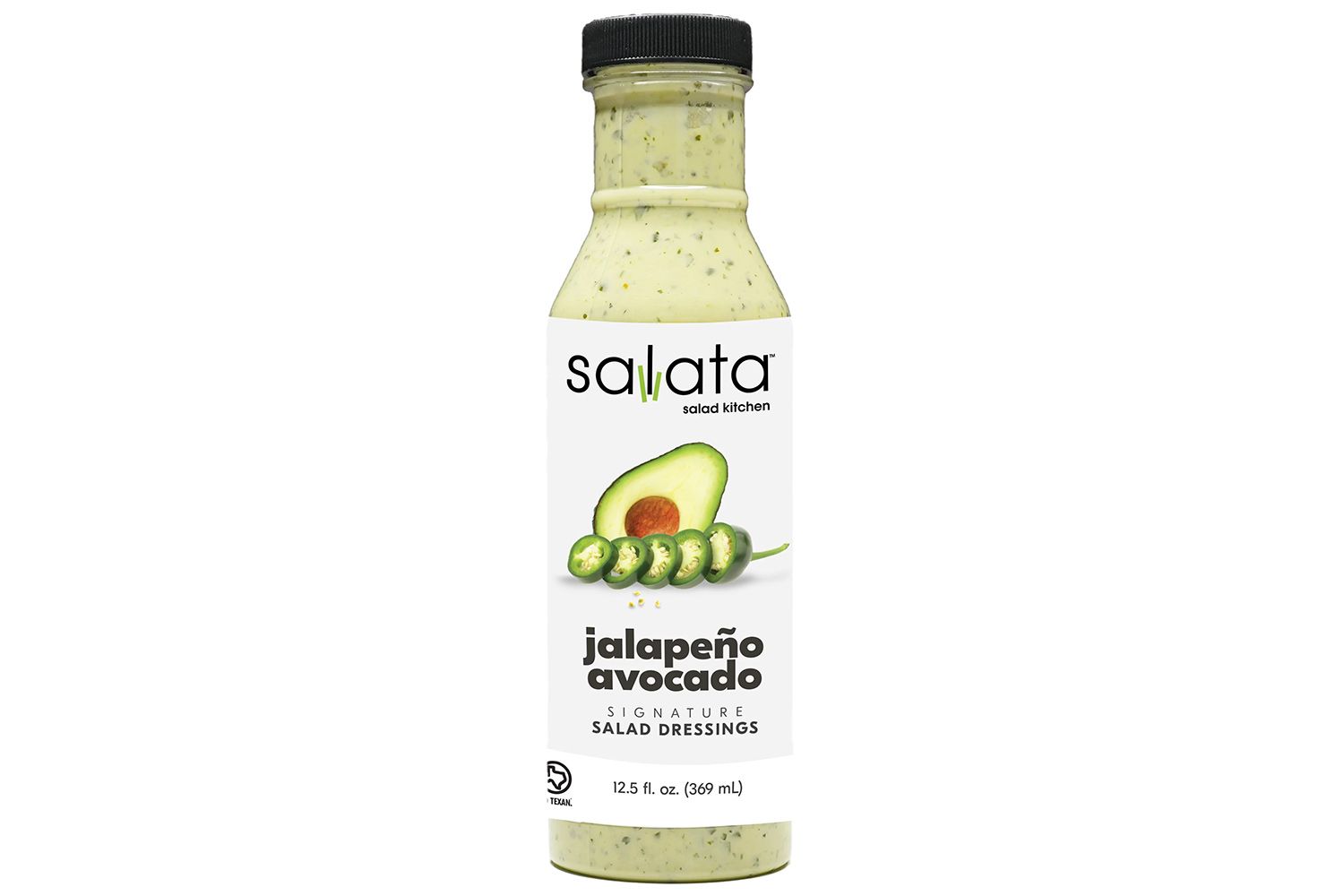
How does the Salata recall impact sellers sourcing from similar suppliers?
The Salata recall creates immediate supplier verification urgency for any seller sourcing salad dressings, condiments, or ready-to-eat products from similar manufacturers. Sellers must immediately: (1) Request certificates of analysis and safety test results from suppliers (2-3 days); (2) Verify supplier FSMA certification status (1-2 days); (3) Audit supplier environmental monitoring programs (3-5 days). Sellers unable to verify supplier compliance within 7 days face account restrictions on Amazon Fresh and Walmart+. This creates a competitive advantage for sellers with established supplier relationships and documented verification protocols. Estimated 30-40% of small food sellers lack formal supplier verification systems, making them vulnerable to account suspension if their suppliers are implicated in future recalls.