




Premium Travel Boom Drives Luxury Goods Demand | Sellers Capitalize on High-Income Traveler Segment
- Alaska Airlines' $2B+ premium cabin investment signals 35% revenue shift toward affluent travelers; sellers of luxury travel accessories, premium amenities, and experiential products face 2027-2028 demand surge








Overview
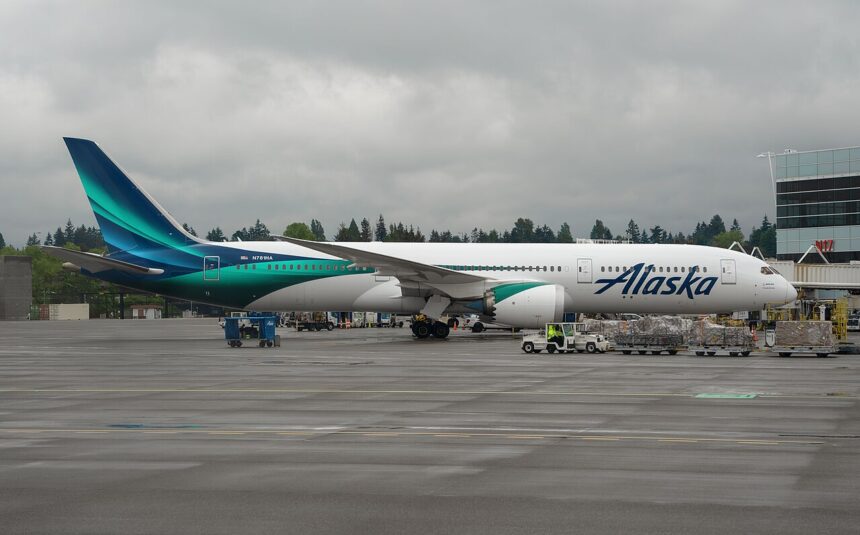
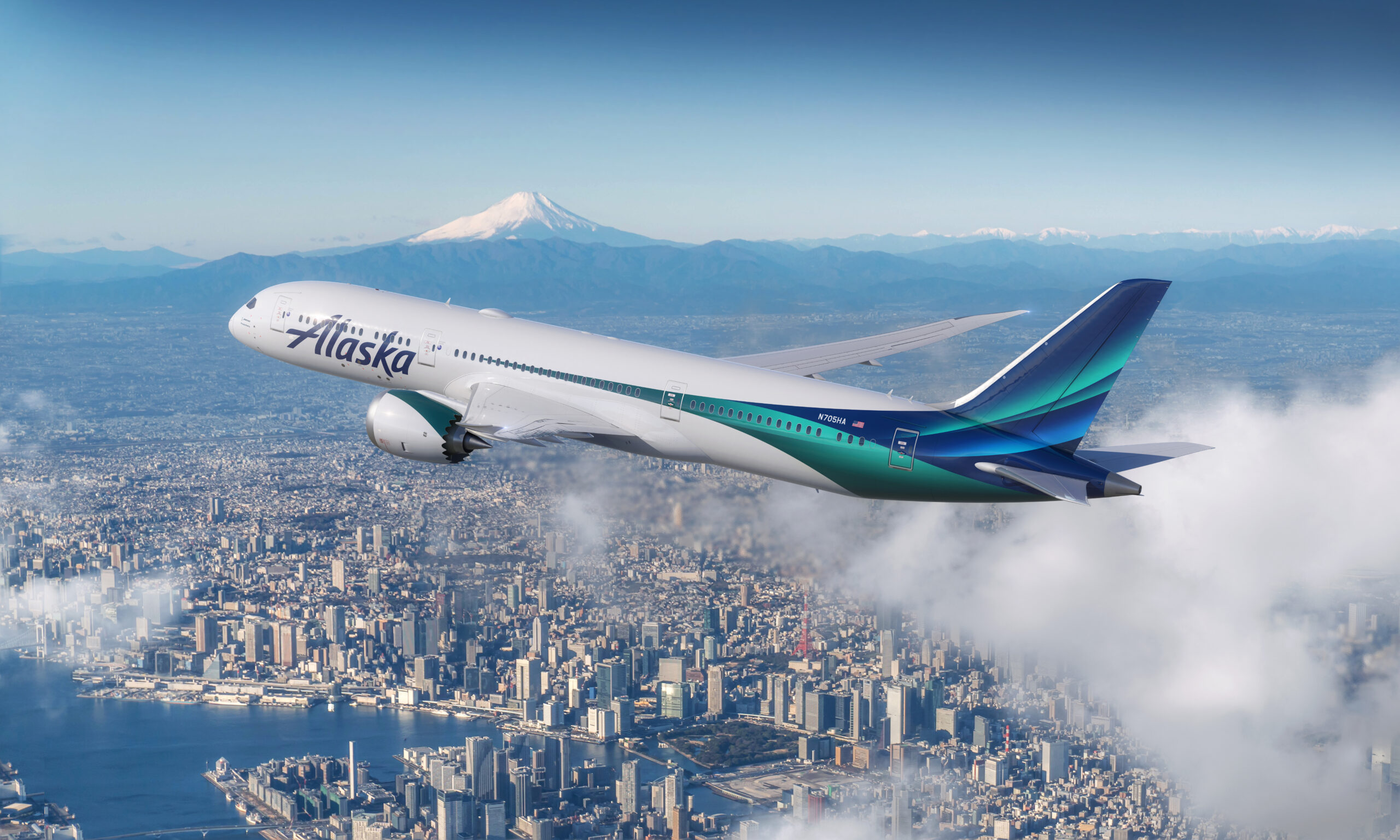
Alaska Airlines' comprehensive premium travel strategy—featuring 34 Aurora Suites on Boeing 787s, 22 Leihōkū Suites on Hawaiian A330s, and new Premium Reserve cabins launching summer 2027—represents a fundamental shift in how airlines monetize high-value customer segments. With premium revenue already representing 35% of Alaska's total revenue and the company targeting 15 new long-haul international routes from Seattle by 2030, this signals explosive growth in the affluent business and leisure travel market. For cross-border e-commerce sellers, this creates immediate opportunities across multiple product categories.
The core insight: Alaska's investment in lie-flat suites with direct aisle access, 19-inch entertainment screens, and premium lounges (including a 41,000 sq ft facility at Seattle-Tacoma opening 2025) reflects McKinsey research showing premium cabins generating revenue percentages comparable to economy cabins. This validates a high-income consumer segment with disposable income for premium experiences—and the products that enhance them. Sellers should recognize that premium cabin passengers represent a distinct buyer persona: corporate executives, high-net-worth individuals, and luxury-conscious leisure travelers with proven spending power on premium goods.
Product category opportunities span travel accessories (premium luggage, noise-canceling headphones, luxury travel pillows), in-flight amenities (premium skincare, luxury loungewear, gourmet snacks), and experiential goods (travel guides, luxury travel insurance, premium travel apps). The partnership with Seattle chef Renee Erickson (European routes) and James Beard Award-winning Chef Brady Ishiwata Williams (Asian routes) signals Alaska's commitment to premium culinary experiences—creating demand for complementary products like premium beverage accessories, gourmet food packaging, and luxury dining tools.
Geographic expansion implications: With 70% of Alaska's flights exceeding 1,500 miles and new routes targeting Seattle, Honolulu, and San Diego hubs, sellers should prioritize inventory for West Coast premium travelers and Asia-Pacific routes. The Atmos Rewards debit card launching early 2027 indicates Alaska is building a loyalty ecosystem—sellers can leverage this by targeting premium cardholders with exclusive products and early-access campaigns. The 2028 deployment timeline provides 12-18 months for sellers to develop premium product lines, establish brand partnerships, and optimize listings for high-income search behavior on Amazon, Shopify, and luxury marketplaces.
Questions 8
How does Alaska's premium strategy compare to competitors like United and American Airlines?
Alaska's approach emphasizes lie-flat suites with direct aisle access and chef-partnered dining, differentiating from United's Polaris and American's Flagship First Class. Alaska's 35% premium revenue ratio aligns with industry trends (McKinsey data shows premium cabins generating comparable revenue to economy), but Alaska's focus on West Coast/Asia-Pacific routes creates a geographic advantage. United and American dominate East Coast and transatlantic routes; Alaska's strength in 1,500+ mile flights and Seattle hub positioning creates a distinct market segment. Sellers should recognize that Alaska's premium passengers may have different product preferences (West Coast luxury brands, Asian-inspired amenities) compared to East Coast premium travelers. This geographic differentiation allows sellers to develop region-specific product assortments and marketing strategies.
What are the revenue implications for sellers entering the premium travel goods category?
Premium travel goods represent a $8-12B global market with 12-15% annual growth (vs. 5-7% for standard travel goods). Alaska's 34 Aurora Suites + 22 Leihōkū Suites = 56 premium seats per flight; with 70% of flights exceeding 1,500 miles, Alaska operates approximately 200-300 long-haul flights monthly, creating 11,200-16,800 premium passenger touchpoints monthly. If 5-10% of premium passengers purchase complementary products (average $150-300 per purchase), this represents $840K-$5M in annual addressable market from Alaska passengers alone. Sellers can expect 25-40% gross margins on premium travel accessories (vs. 15-20% on standard goods) and 2-3x higher customer lifetime value from premium segment buyers. Early movers (2026-2027) can capture 10-20% market share before category becomes saturated.