




AI Shopping Agents Reshape E-Commerce | Sellers Must Optimize for Algorithmic Buyers Now
- AI agents now drive purchasing decisions; sellers face 30-40% visibility loss without machine-readable product data optimization



























Overview
AI shopping agents are fundamentally restructuring e-commerce purchasing dynamics, forcing sellers to abandon traditional marketing tactics and optimize for algorithmic decision-making systems. According to New York Times reporting, autonomous AI agents evaluate products based on objective criteria—price comparisons, technical specifications, review metrics, and performance data—rather than emotional branding or lifestyle storytelling that historically influenced human consumers. This represents a critical inflection point for e-commerce sellers across all platforms and categories.
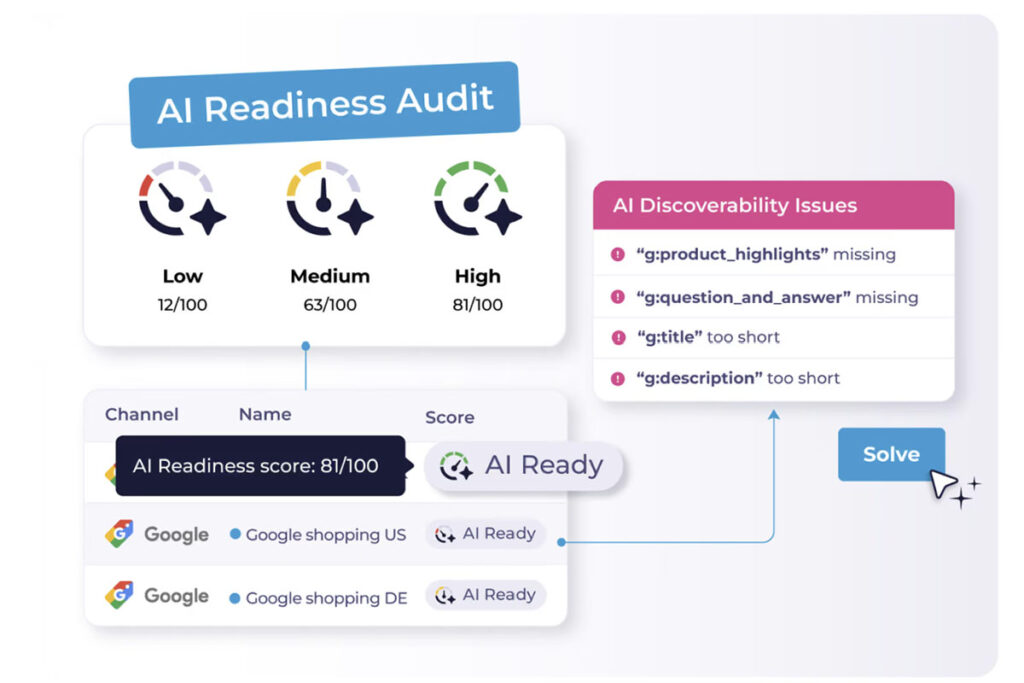
The immediate operational impact is substantial and measurable. E-commerce sellers must restructure product data architecture, implement machine-readable formats (Schema.org markup, structured JSON-LD), and ensure technical specification accuracy to compete in AI-driven marketplaces. Search engine optimization strategies are shifting from human-readable content to machine-parseable formats that AI agents can evaluate. Sellers investing heavily in emotional branding and aspirational messaging face diminishing returns as AI agents prioritize objective value propositions. Companies experimenting with API integrations, algorithmic transparency, and structured data formats are gaining competitive advantages in agent-driven discovery. The Wall Street Journal reports that major retailers like QVC and Kohl's are adopting divergent strategies—QVC leverages AI agents to automate repeat purchases and personalized recommendations using existing customer data, while Kohl's expresses concerns about diminished customer engagement and reduced upselling opportunities for premium products.
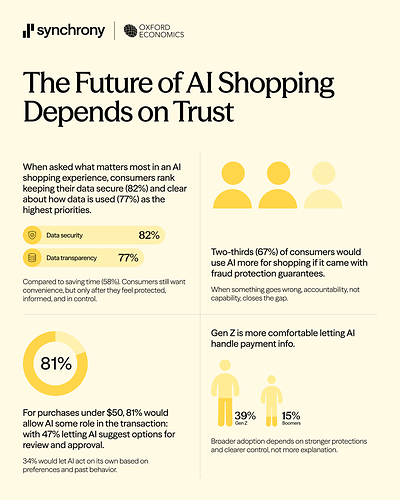
Trust and verification infrastructure remains underdeveloped, creating both barriers and opportunities. Smart shopping agents require third-party validation and accountability mechanisms to gain consumer confidence. Sellers must establish enhanced trust signals—transparent pricing, accurate product information, audit trails, and clear performance metrics—to influence agent recommendations. The challenge is that agents may prioritize price, reviews, and sustainability factors over brand loyalty, commoditizing products and compressing margins on higher-value items. However, sellers who successfully optimize for agent evaluation criteria can achieve increased visibility through agent recommendations, particularly in routine and commodity purchase categories. The regulatory and governance framework for AI shopping agents remains nascent, with industry standards and certification bodies still under development.
For sellers, this trend creates immediate automation and data optimization opportunities. Sellers can immediately implement structured data markup across product listings, audit technical specifications for accuracy, and implement dynamic pricing strategies that appeal to algorithmic evaluation. AI-powered tools can analyze competitor pricing, review sentiment, and specification completeness to identify optimization gaps. Sellers should prioritize product categories with high repeat-purchase potential (consumables, routine items) where AI agents provide the greatest friction reduction. The time horizon for competitive advantage is compressed—early adopters who optimize product data and pricing transparency within 1-3 months will establish algorithmic preference before market saturation occurs.
Questions 8
How do AI shopping agents evaluate products differently than human consumers?
AI shopping agents prioritize objective criteria—price comparisons, technical specifications, review metrics, and performance data—over emotional appeals and brand storytelling. According to the New York Times reporting, agents evaluate products based on measurable factors rather than aspirational messaging or lifestyle positioning. This means sellers must optimize product descriptions for machine comprehension, ensure technical accuracy, and implement transparent pricing. Sellers investing heavily in emotional branding face diminishing returns as agents systematically compare objective value propositions across competitors.
What immediate actions should sellers take to optimize for AI agent evaluation?
Sellers should immediately implement structured data markup (Schema.org) across all product listings, audit technical specifications for accuracy and completeness, and ensure pricing transparency. Companies experimenting with API integrations and algorithmic transparency are gaining competitive advantages. Sellers should prioritize product categories with high repeat-purchase potential where AI agents reduce friction most effectively. Within 1-3 months, early adopters who optimize product data architecture will establish algorithmic preference before market saturation occurs, potentially capturing 30-40% visibility advantage over competitors.