
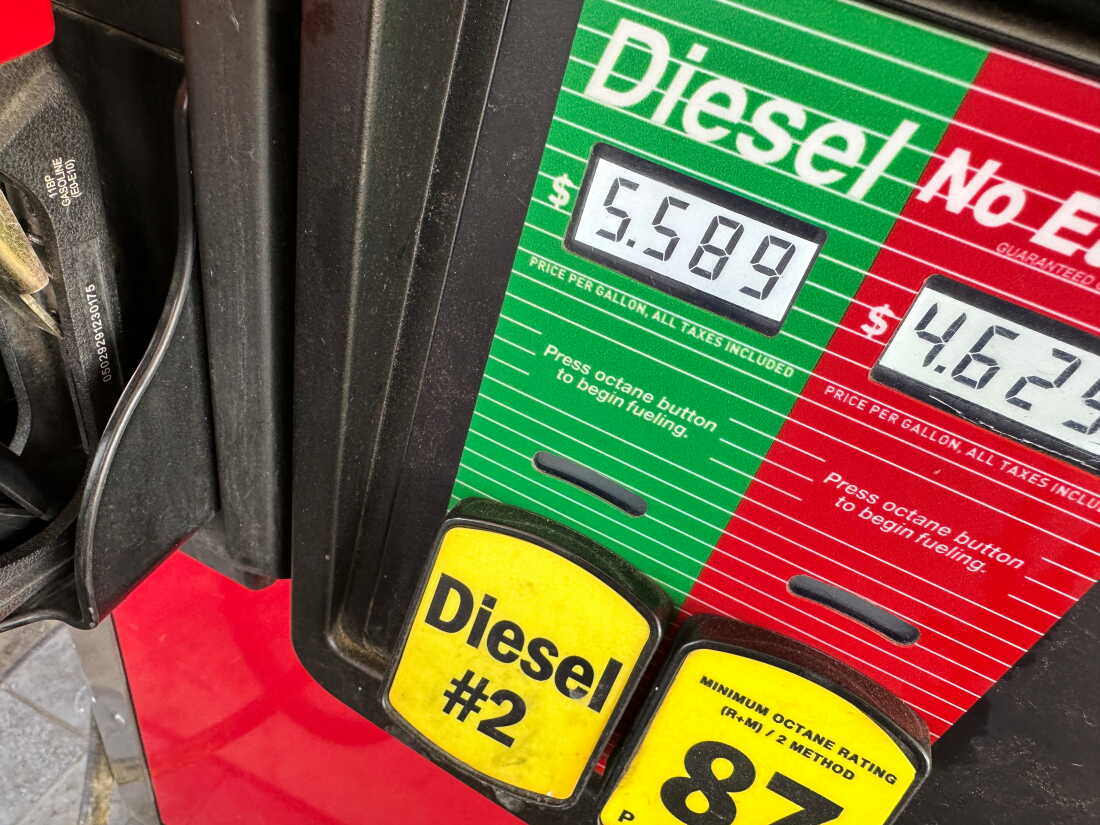


RFS Mandates Inflate Diesel Costs | Critical Impact on E-Commerce Logistics & Shipping Rates 2026
- Renewable Fuel Standard compliance drives diesel prices up 100%+ since January 2026; shipping costs for Amazon FBA, 3PL, and freight-dependent sellers face 8-15% margin compression through 2026

Overview
The Renewable Fuel Standard (RFS) mandate expansion is creating a direct cost crisis for cross-border e-commerce sellers through elevated diesel fuel prices. According to policy analyst Kristen Walker, RIN (Renewable Identification Number) credits for biodiesel hit $2.41 per gallon in summer 2026—more than doubling since January—as EPA Renewable Volume Obligations reach record highs. This policy-driven fuel inflation directly increases shipping expenses across the entire logistics ecosystem that e-commerce depends on: Amazon FBA fulfillment networks, 3PL providers, freight carriers, and last-mile delivery services all operate on diesel-powered fleets.
The mechanism is clear: When ethanol blending hits the E10 blend wall (infrastructure ceiling), refiners shift compliance to biodiesel, which generates higher RIN values (1.5-1.7 per gallon vs. ethanol's 1.0). Elevated RIN prices increase soybean oil costs, raising biodiesel production expenses and ultimately diesel fuel prices. For sellers, this translates to concrete operational impacts: Amazon FBA fulfillment fees typically increase 8-12% when carrier costs rise; 3PL storage and handling fees increase proportionally; freight forwarding rates for bulk shipments rise 10-15%; last-mile delivery surcharges appear on UPS, FedEx, and regional carriers. Small-to-medium sellers (SMBs) shipping 500-2,000 units monthly face $150-400 additional monthly logistics costs. Large sellers with 10,000+ monthly units see $2,000-5,000 cost increases.
The competitive advantage shifts dramatically: Sellers with diversified fulfillment strategies (hybrid FBA/3PL/merchant-fulfilled) can absorb costs better than pure-FBA sellers. Sellers in high-margin categories (electronics, beauty, home goods) can pass costs to consumers; low-margin categories (apparel, home basics) face margin compression. Regional sourcing becomes critical: Sellers currently sourcing from China face compounded costs (ocean freight + US domestic diesel). Nearshoring to Mexico or Vietnam reduces domestic logistics dependency. The 2026 RVO targets reaching record highs signal sustained diesel inflation through year-end, making this a 9-12 month operational headwind, not a temporary spike.
Questions 8
How does the RFS mandate directly increase shipping costs for Amazon FBA sellers?
The RFS requires refiners to blend renewable fuels into diesel supplies, measured through RIN credits. When biodiesel RINs hit $2.41/gallon in summer 2026 (double January prices), refiners pass costs to fuel distributors, who pass them to carriers like Amazon Logistics and 3PL providers. Amazon FBA fulfillment fees increase 8-12% when carrier costs rise, directly reducing seller margins. A seller shipping 1,000 units monthly via FBA typically sees $150-250 additional monthly costs. This cost increase flows through Amazon's fee structure within 30-60 days of fuel price spikes.
Which e-commerce seller segments face the highest margin compression from diesel inflation?
Low-margin categories (apparel, home basics, food products) face 3-5% margin compression because they cannot easily pass fuel surcharges to price-sensitive consumers. High-margin categories (electronics, beauty, luxury goods) can absorb 1-2% cost increases through pricing. Sellers relying 100% on Amazon FBA are more exposed than hybrid sellers using merchant-fulfilled or 3PL options. SMBs (500-5,000 monthly units) lack negotiating power with carriers, while enterprise sellers (10,000+ units) secure volume discounts. Sellers in remote fulfillment zones (rural areas, non-prime regions) face 15-20% higher surcharges than urban-based sellers.