





AI Memory Cost Surge Signals Rising Tech Infrastructure Expenses | E-Commerce Seller Impact
- Bank of America downgrades Micron forecast as AI 'memory tax' compresses semiconductor margins; sellers relying on AI-powered tools face 8-15% cost increases in automation infrastructure by Q2 2025



Overview
Bank of America's downgrade of Micron Technology's stock forecast reveals a critical cost dynamic reshaping the AI infrastructure landscape: the emerging "memory tax" is compressing margins across semiconductor manufacturers despite unprecedented demand. This development has direct implications for e-commerce sellers who increasingly depend on AI-powered tools for product research, pricing optimization, customer service automation, and inventory management.
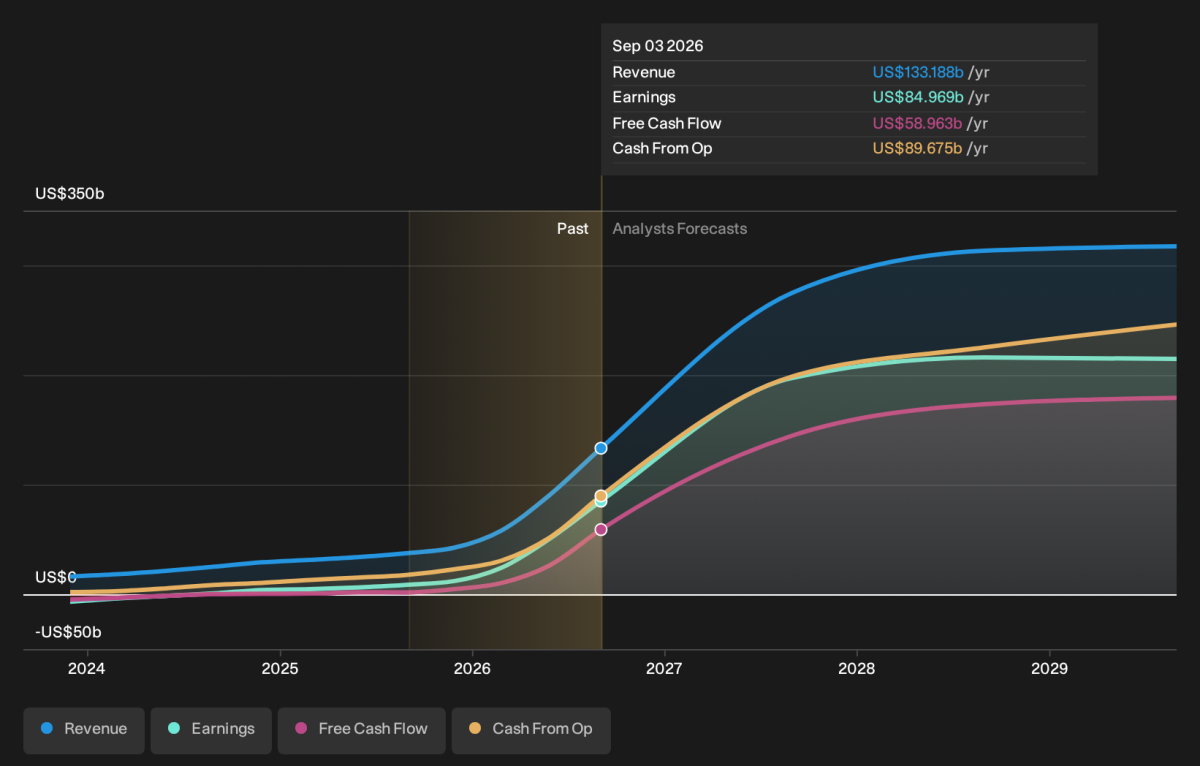
The Core Issue: As AI applications (large language models, data center operations) drive explosive demand for high-bandwidth memory (HBM) and specialized memory chips, manufacturers like Micron face a profitability squeeze. Bank of America's revised forecast indicates that while revenue opportunities remain robust, operational costs are escalating faster than pricing power can compensate. This "memory tax"—the premium costs infrastructure providers pay for advanced memory—reflects supply chain constraints, advanced manufacturing requirements, and intense competitive pricing dynamics among memory suppliers competing for AI-driven demand.
E-Commerce Seller Implications: The memory cost surge directly impacts sellers through three mechanisms: (1) AI Tool Pricing: SaaS platforms providing AI-powered product research, dynamic pricing, and customer service automation rely on cloud infrastructure with expensive memory components. As infrastructure costs rise, these platforms will pass costs to sellers through higher subscription fees (estimated 8-15% increases by Q2 2025). (2) Competitive Disadvantage for Small Sellers: Larger sellers with established AI automation workflows will absorb cost increases more easily, while small-to-medium sellers may delay AI adoption, creating a competitive moat for well-capitalized competitors. (3) Data Center Dependency: Sellers using AI-powered fulfillment optimization, demand forecasting, and marketplace analytics depend on data center infrastructure where memory costs are rising. Companies like NVIDIA, Meta, and Microsoft investing heavily in data centers will face margin pressure, potentially slowing innovation in seller-facing AI tools.
Strategic Opportunity: The memory cost squeeze creates an immediate window for sellers to lock in current pricing on AI tools before Q2 2025 increases take effect. Sellers should audit their AI tool stack now—identifying which automation investments deliver the highest ROI—and negotiate multi-year contracts with SaaS providers before cost increases are passed through. Additionally, sellers can capitalize on the competitive intelligence angle: as memory costs compress margins for large cloud providers, smaller, more efficient AI platforms may emerge, offering sellers alternative tools with better pricing models.
Time Horizon: The immediate impact (0-30 days) involves auditing current AI tool usage and costs. The 1-3 month window requires renegotiating contracts and evaluating alternative platforms. By Q2 2025, cost increases will likely be visible in subscription pricing across the AI tool ecosystem.
Questions 8
Should sellers invest in building in-house AI solutions to avoid SaaS cost increases?
For most sellers, building in-house AI solutions is not economically viable due to high upfront costs and technical complexity. However, larger sellers (100K+ monthly revenue) managing complex product catalogs may benefit from evaluating hybrid approaches: using SaaS tools for commodity tasks (basic pricing optimization) while developing in-house solutions for proprietary competitive advantages (custom demand forecasting, supplier negotiation automation). The memory cost squeeze actually makes in-house solutions less attractive short-term, as building AI infrastructure requires significant memory investment. Instead, sellers should focus on maximizing ROI from existing SaaS tools through better data management and workflow optimization. The optimal strategy is to lock in current SaaS pricing through multi-year contracts while monitoring emerging platforms that may offer better cost structures as the market matures.
What timeline should sellers use to plan AI tool budget adjustments?
Sellers should implement a three-phase timeline: **Phase 1 (Immediate - 30 days)**: Audit all AI tool subscriptions, calculate current monthly costs, and identify which tools deliver measurable ROI (pricing optimization, inventory turnover improvement, customer service efficiency gains). **Phase 2 (1-3 months)**: Renegotiate contracts with current providers, explore alternative platforms, and lock in multi-year pricing before Q2 2025 increases take effect. **Phase 3 (Q2 2025 onwards)**: Monitor actual cost increases from SaaS providers and adjust budgets accordingly. Sellers should expect 8-15% increases in AI tool costs by mid-2025, so budget planning should account for this escalation. Additionally, sellers should establish quarterly reviews of AI tool ROI to ensure cost increases don't outpace value delivery, allowing for tool consolidation or replacement if necessary.