


Hormuz Strait Geopolitical Risk & G-7 Oil Reserve Release | Cross-Border Shipping Cost Impact 2024-2025
- G-7 coordinated crude/diesel reserve releases stabilize oil prices temporarily, but Hormuz chokepoint risks (21% global petroleum) create persistent fuel surcharge volatility for international sellers; Brent crude at $101.59/barrel with 10-20% potential toll costs affecting Middle East export corridors




Overview
Geopolitical Energy Crisis Creates Dual Shipping Cost Pressures for Cross-Border E-Commerce Sellers
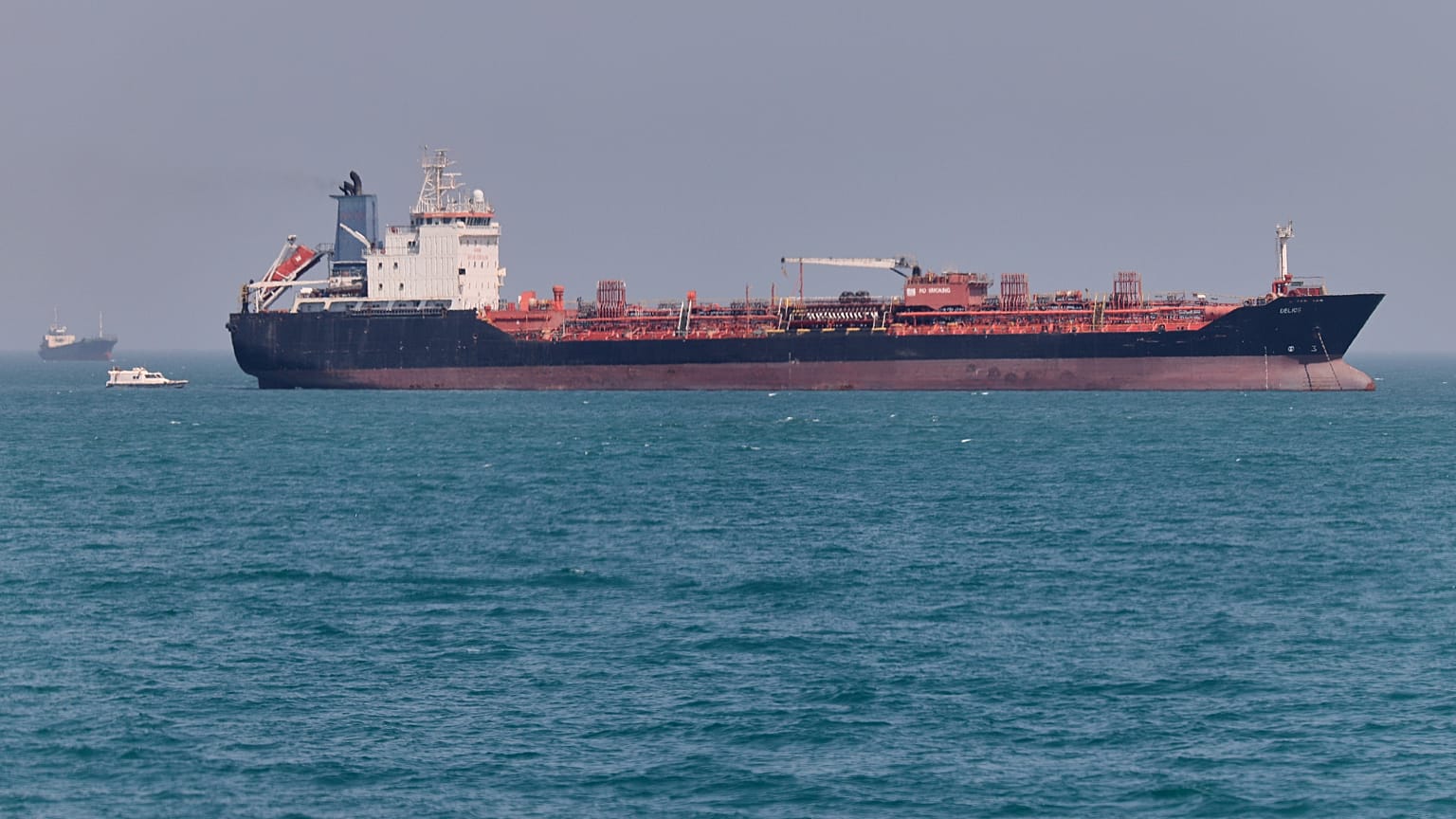
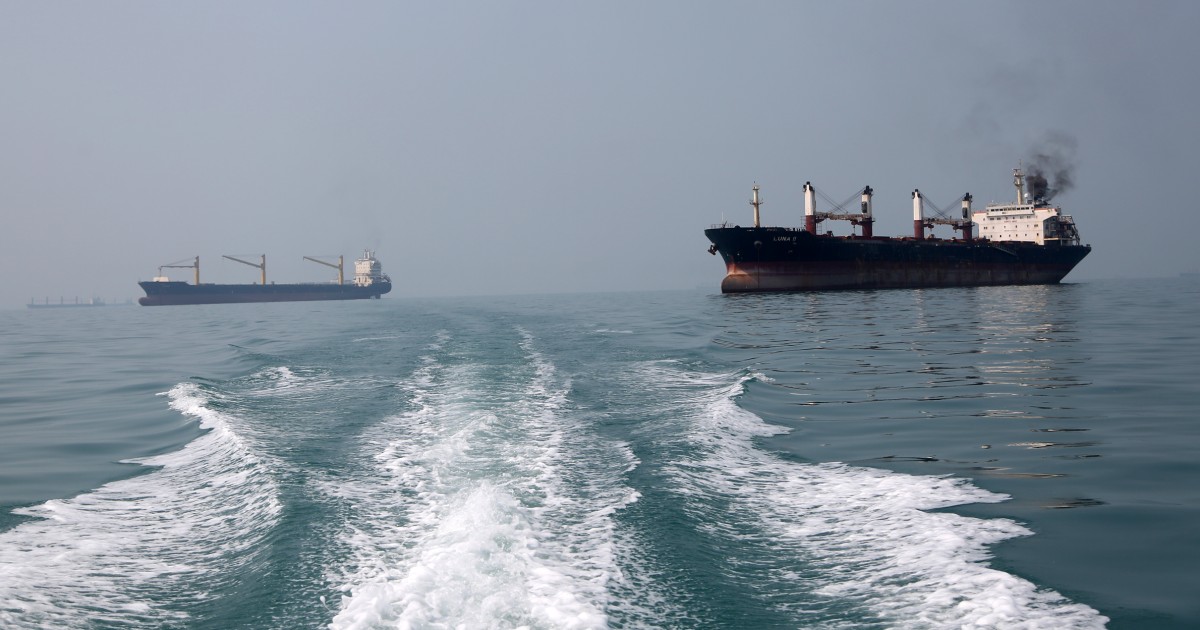
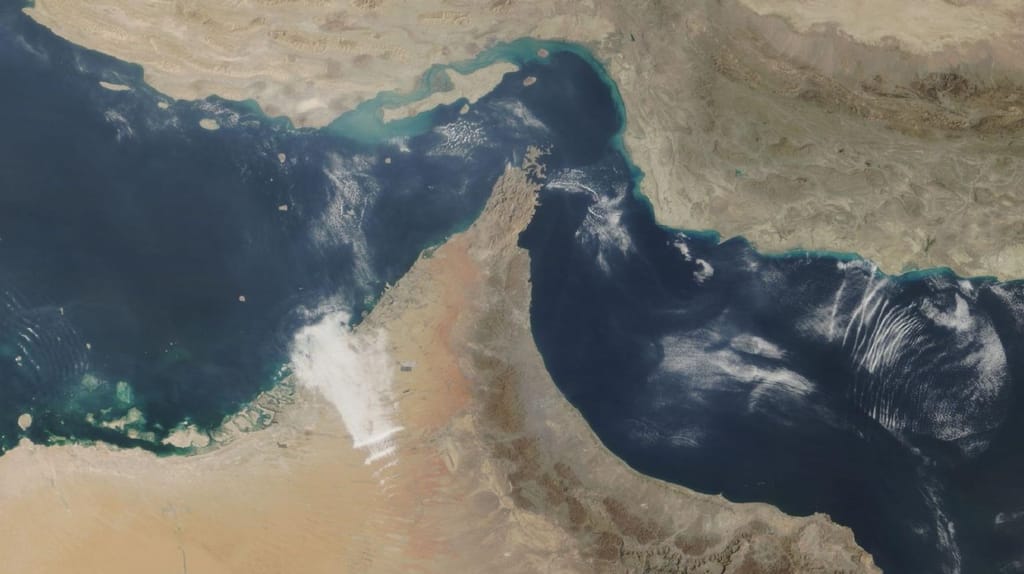
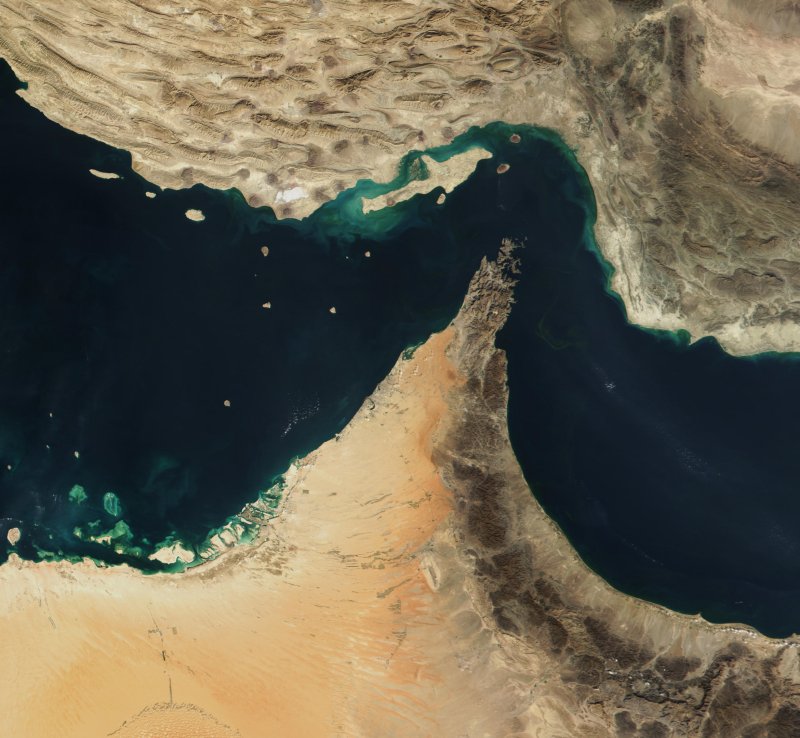
The Group of Seven's coordinated crude oil and diesel reserve releases aim to stabilize global energy markets, resulting in temporary oil price declines. However, persistent geopolitical tensions in the Strait of Hormuz—through which approximately 21% of global petroleum passes—continue to create upward pressure on energy costs despite these interventions. Brent crude remains elevated at $101.59 per barrel, driven by insurance costs and regional instability. Iran's alleged toll system (10-20% of cargo value for safe passage through Hormuz) and the US Trump administration's opposition to such arrangements create regulatory uncertainty affecting Middle East export corridors. Middle East crude exports have surged to 19.5-22.5 million barrels per day in late September (compared to 18 million bpd pre-conflict), yet 40% of crude now bypasses Hormuz via alternative routes and ship-to-ship transfers, indicating supply chain fragmentation.
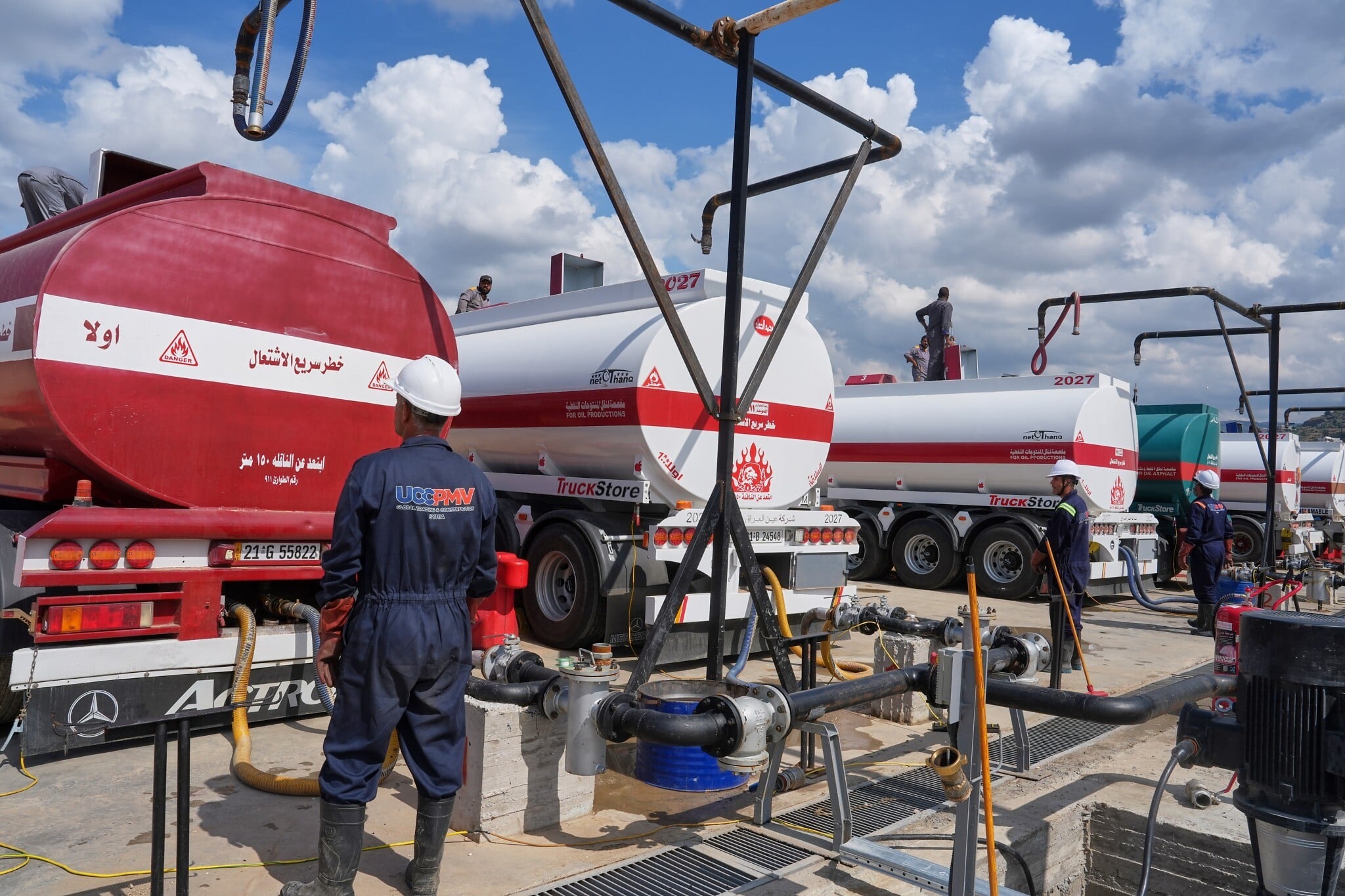
For cross-border e-commerce sellers, this creates a bifurcated logistics cost environment. Sellers relying on ocean freight from Asia-Pacific to Europe/US face fuel surcharge volatility ranging 8-15% depending on routing. Air freight and expedited shipping expose sellers to direct fuel surcharges, with some carriers implementing temporary 5-8% premiums due to Hormuz transit risks. The G-7 reserve releases provide temporary relief (potentially 3-6 month window), but underlying geopolitical tensions mean price stability remains fragile. Sellers shipping electronics, apparel, and consumer goods from China/Vietnam to EU/US markets should expect shipping cost increases of $0.50-$2.00 per unit depending on weight and routing. Small sellers (under 100 units/month) face proportionally higher impact due to less favorable freight rates, while large sellers (1000+ units/month) can negotiate fixed-rate contracts with 3PL providers to hedge against volatility.
Strategic sourcing implications are significant. The surge in Middle East oil exports (19.5-22.5 million bpd) reflects regional production capacity improvements, but toll speculation and geopolitical risks create incentives for sellers to diversify sourcing away from Middle East-dependent supply chains. Sellers currently sourcing from Gulf countries (petrochemical-dependent products, plastics, chemicals) face 10-20% potential cost increases if toll systems formalize. Alternative routing via Indian Ocean and Suez Canal adds 5-7 days transit time but avoids Hormuz risks. The US sanctions on BitBank (allegedly used for Iranian toll collection) signal enforcement against informal payment systems, creating compliance risks for sellers unknowingly participating in toll arrangements through freight forwarders. Sellers should audit 3PL provider routing practices and request explicit Hormuz avoidance clauses in freight contracts.
Questions 8
What compliance risks exist with Iran sanctions and freight forwarding?
The US sanctioned BitBank in September for allegedly facilitating Iranian toll collection through the Hormuz Safe Marine Services Authority. Sellers unknowingly participating in toll arrangements through freight forwarders face compliance risks. Request written confirmation from your 3PL provider that they do not use sanctioned payment systems or Iranian intermediaries. Verify freight forwarding contracts explicitly state compliance with OFAC (Office of Foreign Assets Control) sanctions. If your freight forwarder uses informal toll arrangements, you could face penalties or shipment delays. Review all freight invoices for unexplained fees labeled as 'security surcharges' or 'transit fees' that might indicate toll payments.
How does the G-7 oil reserve release affect my shipping costs long-term?
The G-7 coordinated crude and diesel reserve releases provide temporary price relief (3-6 month window), but underlying geopolitical tensions limit durability. Brent crude remains elevated at $101.59/barrel despite releases, driven by insurance costs and Hormuz risks. The 40% of crude now bypassing Hormuz via alternative routes indicates supply chain fragmentation that increases complexity. Lock in fixed-rate freight contracts now while oil prices are temporarily stabilized. Expect fuel surcharges to resume upward pressure if regional tensions escalate. Monitor G-7 reserve release schedules and plan inventory purchases accordingly—consider front-loading inventory during the 3-6 month relief window to avoid higher costs later.