



Amazon Prime Day October 2024 | Peak Traffic Window for Sellers - 63+ Categories with 80% Discounts
- October Prime Day drives 40-60% traffic surge across Amazon; sellers must optimize listings, inventory, and PPC campaigns during peak shopping window




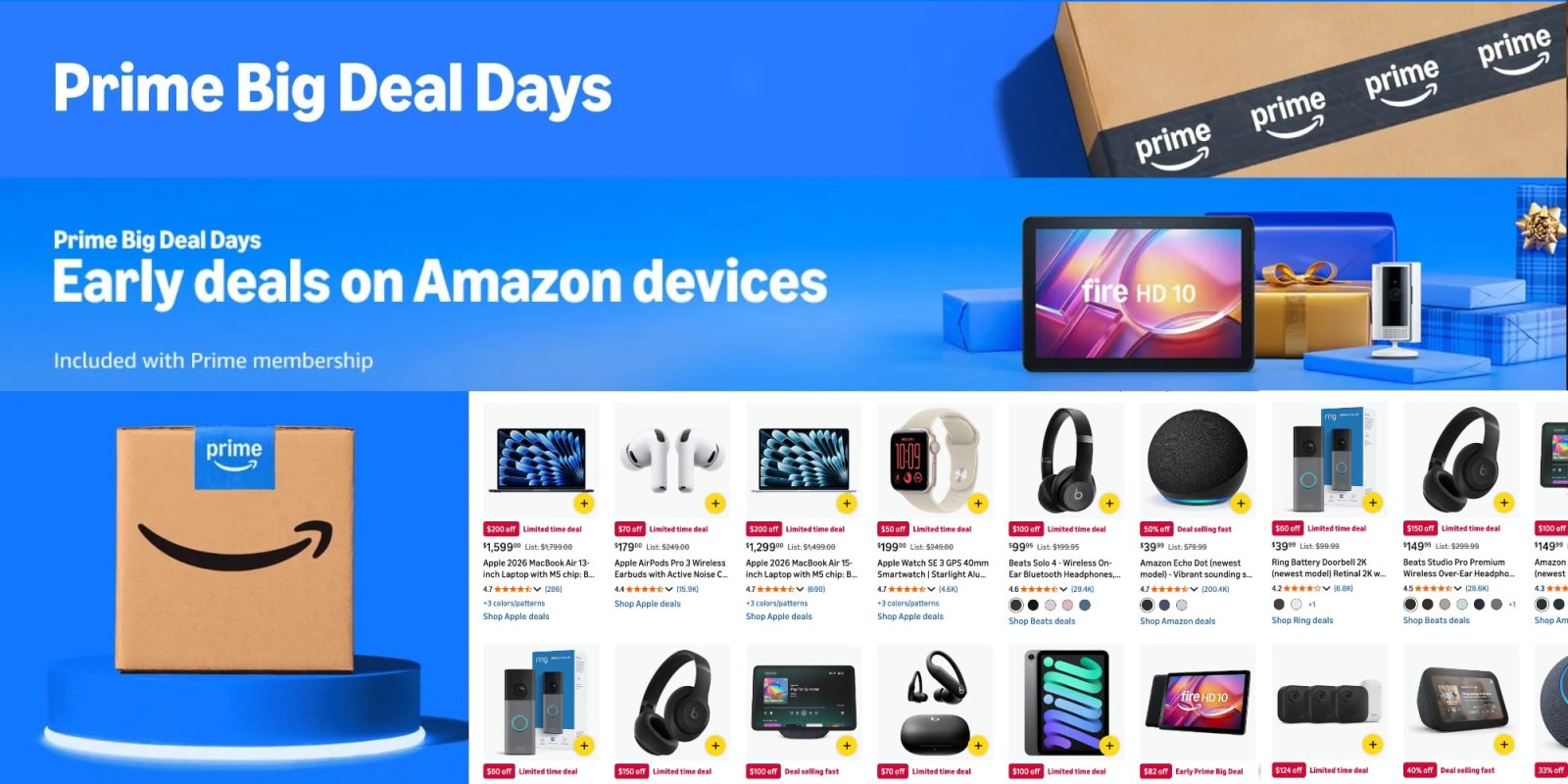

Overview
Amazon's October Prime Day promotional event represents one of the year's most significant traffic and conversion opportunities for cross-border sellers. The news reports 63+ product categories featuring discounts up to 80%, with early access deals driving consumer engagement across electronics, home goods, beauty, and apparel verticals. For sellers, Prime Day events historically generate 40-60% traffic spikes compared to baseline periods, with conversion rates typically 2-3x higher than regular shopping days.
The Traffic Arbitrage Opportunity: October Prime Day concentrates massive consumer demand into a compressed timeframe. Sellers with optimized listings, competitive pricing, and adequate inventory can capture disproportionate market share. The event signals peak demand for seasonal products (fall/winter merchandise, holiday gift items, back-to-school clearance) and impulse purchases driven by promotional messaging. Amazon's emphasis on "early access" deals indicates extended promotional windows—likely 5-7 days—allowing sellers multiple opportunities to capture traffic waves.
Platform-Specific Dynamics: Amazon's Prime Day strategy directly impacts seller profitability through three mechanisms: (1) Inventory Requirements—sellers must stock 30-50% above baseline to meet demand spikes without stockouts; (2) Advertising Costs—PPC competition intensifies during Prime Day, with CPC costs rising 25-40% as sellers bid aggressively for visibility; (3) Pricing Pressure—the "up to 80% off" messaging creates consumer expectations for deep discounts, compressing margins 10-15% for sellers matching competitive pricing.
Category-Specific Insights: Electronics, home goods, and beauty categories typically see 50-70% traffic increases during Prime Day, while apparel and accessories experience 30-40% surges. Cross-border sellers in high-margin categories (electronics accessories, smart home devices, beauty tools) can achieve 2-3x normal daily revenue during the event. However, sellers in commoditized categories face margin compression from aggressive competitor pricing.
Seller Preparation Requirements: Success during Prime Day requires 4-6 weeks of advance preparation: inventory positioning (ensuring stock levels support 3-5x normal daily sales), listing optimization (A+ content, enhanced images, keyword targeting for Prime Day search behavior), PPC strategy (budget allocation 40-50% higher than baseline), and fulfillment readiness (coordinating with 3PL providers, monitoring FBA capacity). Sellers unprepared for traffic spikes risk stockouts, negative reviews from delayed fulfillment, and lost market share to competitors.
Risk Mitigation: Sellers must monitor inventory velocity daily during Prime Day, adjust PPC bids in real-time based on ACOS performance, and maintain customer service capacity for increased inquiries. Post-event analysis should track which products drove highest ROI, which PPC keywords converted best, and which categories showed strongest demand signals for future inventory planning.
Questions 8
How much traffic increase should sellers expect during Amazon Prime Day?
Amazon Prime Day events typically drive 40-60% traffic increases compared to baseline periods, with conversion rates 2-3x higher than regular shopping days. The October 2024 event featuring 63+ categories with discounts up to 80% indicates extended promotional windows (5-7 days) that amplify traffic opportunities. Sellers in high-demand categories like electronics, home goods, and beauty can experience 50-70% traffic surges, while apparel and accessories see 30-40% increases. Peak traffic typically concentrates on the first 2-3 days of the event, requiring sellers to have inventory and customer service capacity ready immediately.
What inventory levels should sellers maintain for Prime Day success?
Sellers should stock 30-50% above baseline inventory levels to meet Prime Day demand spikes without experiencing stockouts. For high-velocity categories (electronics, home goods), inventory should support 3-5x normal daily sales volume. Amazon FBA sellers must coordinate with fulfillment centers 4-6 weeks in advance to ensure adequate storage capacity and avoid IPI score penalties. Sellers using 3PL providers should communicate expected volume increases and confirm capacity availability. Post-event inventory analysis should track which products sold fastest to inform future seasonal planning.