

OPEC+ Holds Oil Quotas Steady Through 2026 | Shipping Cost Predictability for Cross-Border Sellers
- Maintains November production targets amid Iran conflict; crude prices near $100/barrel; fuel surcharges stabilize for 1-2 weeks; sellers with tight margins gain cost forecasting window




















Overview
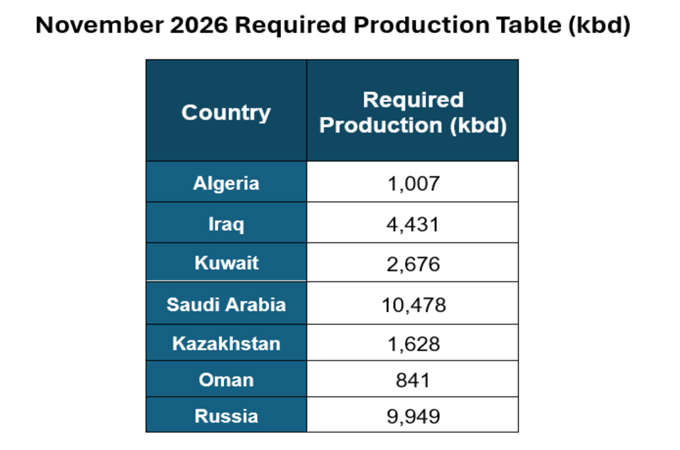
OPEC+ has decided to maintain crude oil production quotas unchanged through November 2024 and beyond, with a production pause extending through end-2026, according to Bloomberg reports confirmed during the organization's ministerial video conference. This decision directly impacts cross-border e-commerce sellers by providing temporary stability in transportation costs—a critical expense category representing 15-25% of fulfillment costs for international sellers. OPEC+ comprises 23 member nations controlling approximately 40% of global crude oil production, with their decisions typically influencing international crude prices within 24-48 hours.
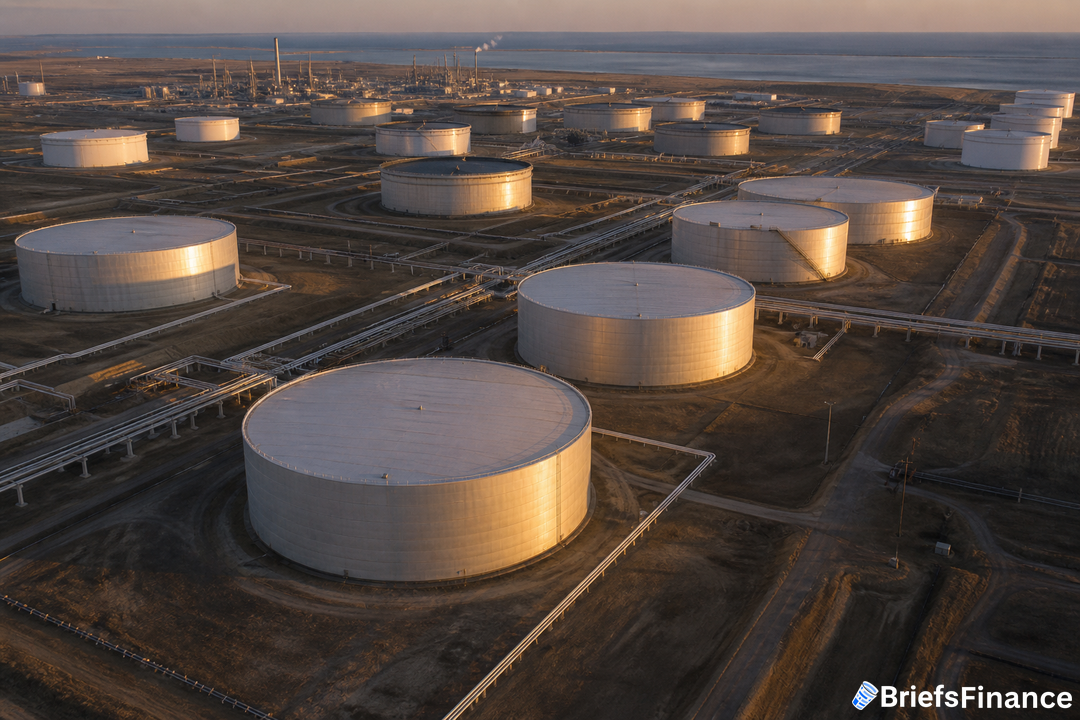
The geopolitical context creates both opportunity and risk for sellers. While OPEC+ maintains steady quotas, the ongoing Iran conflict has significantly disrupted output from major producers including Saudi Arabia, Iraq, and Kuwait, keeping actual production substantially below pre-conflict levels. Crude oil prices have pushed toward $100 per barrel, with diesel prices reaching record levels—prompting the Group of Seven to coordinate emergency strategic petroleum reserve releases. This supply constraint means the quota freeze reflects pragmatic acknowledgment that real-world production limitations stem from geopolitical disruptions rather than policy decisions. For e-commerce logistics providers, this creates a 1-2 week window where fuel surcharges remain predictable before market adjustments occur, enabling sellers to lock in freight rates and calculate fulfillment costs with greater accuracy.
Immediate operational implications vary by seller segment. Small to medium-sized sellers (100-1,000 monthly units) operating with tight margins face particular sensitivity to fuel surcharges and shipping cost fluctuations. The steady-state approach allows logistics companies to maintain more predictable pricing structures, reducing uncertainty in transportation cost forecasting. However, the underlying supply constraint—not production policy—creates long-term volatility risk. Sellers should monitor OPEC+ announcements quarterly, as production changes directly correlate with shipping cost fluctuations. Energy-intensive categories (electronics, appliances, heavy goods) experience disproportionate impact from fuel costs, while lightweight, high-margin categories (apparel, accessories, digital goods) show greater resilience. The U.S. administration's decision not to impose diesel export bans signals coordination among major economies to manage the energy crisis, providing additional stability for North American and transatlantic shipping corridors through at least Q1 2025.
Questions 8
What is the competitive advantage for sellers who lock in shipping rates now versus waiting?
Sellers locking in rates during the current OPEC+ stability window (November 2024-January 2025) gain 60-90 day cost certainty while competitors face variable fuel surcharges. If crude rises to $105/barrel (realistic given supply constraints), fuel surcharges increase 3-5%, adding $150-400 monthly for mid-sized sellers. Early rate-lockers can maintain current pricing while competitors raise prices, capturing market share. For Amazon sellers, this translates to improved profit margins and better IPI (Inventory Performance Index) scores—lower costs enable faster inventory turnover. For Shopify sellers, locked-in shipping costs enable competitive pricing during Q1 2025 peak season (January-March), when competitors face higher fuel surcharges. The competitive window closes in 2-4 weeks as other sellers recognize the opportunity. Sellers who delay rate-locking until January 2025 will face higher baseline rates as carriers adjust for anticipated fuel cost increases. First-mover advantage: 2-4 week window to lock rates before market reprices.
Are there specific OPEC+ member countries whose production decisions I should monitor more closely?
Monitor Saudi Arabia, Russia, and UAE production announcements most closely—these three nations control approximately 50% of OPEC+ output. Saudi Arabia's production decisions carry the most weight in OPEC+ policy; when Saudi increases/decreases output, other members typically follow within 2-4 weeks. Russia's production is constrained by Western sanctions, making actual output less predictable than quota announcements. The Iran conflict directly impacts Saudi Arabia, Iraq, and Kuwait output, creating supply-demand mismatches that drive price volatility independent of quota decisions. For sellers, track these three indicators: (1) Saudi Arabia's monthly production reports (released mid-month), (2) OPEC+ ministerial meeting announcements (typically every 2 months), (3) US crude inventory data (released weekly by EIA). When Saudi production falls below quota targets, expect fuel surcharges to increase 2-4 weeks later. Subscribe to OPEC's official announcements (opec.org) and set calendar reminders for ministerial meetings to anticipate shipping cost changes before competitors.
How does OPEC+ oil production policy directly affect my shipping costs as a cross-border seller?
OPEC+ production decisions influence crude oil prices, which directly impact fuel surcharges applied by logistics providers like FedEx, UPS, and DHL within 24-48 hours of announcements. When OPEC+ maintains steady quotas (as in November 2024), fuel surcharges typically stabilize for 1-2 weeks, allowing sellers to lock in freight rates and calculate fulfillment costs more accurately. For sellers shipping 1,000+ monthly units internationally, a $5-10 per barrel oil price swing translates to $200-500 monthly surcharge changes. The current decision to hold quotas through end-2026 provides a planning window for sellers to forecast transportation costs, though underlying supply constraints from the Iran conflict create long-term volatility risk.
Which product categories are most vulnerable to fuel surcharge increases from oil price volatility?
Heavy, low-margin categories experience disproportionate impact from fuel costs: electronics (average 8-12% fulfillment cost impact), appliances (10-15%), furniture (12-18%), and automotive parts (6-10%). Lightweight, high-margin categories show greater resilience: apparel (2-4% impact), accessories (1-3%), and digital goods (0% direct impact). For sellers in energy-intensive categories, the OPEC+ quota freeze provides a 1-2 week window to adjust pricing before fuel surcharges increase. Sellers should calculate their category's fuel cost sensitivity: divide total monthly shipping costs by total monthly revenue to identify vulnerability level. Categories with >8% fuel cost ratios warrant immediate rate-locking strategies.
What specific actions should I take now while OPEC+ maintains steady oil production quotas?
Immediate actions (0-7 days): Lock in freight rates with 3PL providers and logistics companies for Q1 2025 shipments while fuel surcharges remain stable. Contact your primary carriers (FedEx, UPS, DHL, Amazon Logistics) to confirm current surcharge rates and request 30-60 day rate guarantees. Review your Amazon FBA fulfillment costs in Seller Central and compare against alternative 3PL providers to identify cost optimization opportunities. Strategic actions (1-4 weeks): Audit your inventory distribution across fulfillment centers—consider shifting 20-30% of inventory to regional 3PL providers closer to customer bases to reduce shipping distances and fuel exposure. Evaluate alternative sourcing countries with lower shipping distances (Vietnam, India, Mexico for US sellers; Poland, Turkey for EU sellers) to reduce per-unit fuel costs. Risk mitigation: Set up quarterly OPEC+ announcement monitoring (typically held every 2 months) and establish internal fuel surcharge alert thresholds—when crude exceeds $95/barrel, trigger pricing review for high-margin products.
How long will this shipping cost stability last given the Iran conflict and supply constraints?
The OPEC+ quota freeze extends through end-2026, but actual stability depends on geopolitical factors, not production policy. The Iran conflict has reduced output from Saudi Arabia, Iraq, and Kuwait substantially below pre-conflict levels, meaning real-world supply remains constrained despite steady quotas. Crude prices near $100/barrel reflect this supply-demand imbalance. Sellers should expect 1-2 week windows of fuel surcharge stability following OPEC+ announcements, but underlying volatility remains elevated. The Group of Seven's emergency strategic petroleum reserve releases provide temporary price relief, but these are finite resources. Plan for 3-6 months of elevated fuel costs ($90-105/barrel range) with periodic 1-2 week stabilization windows. For long-term planning, assume 15-20% higher transportation costs than pre-2024 levels through 2025.
Should I shift my sourcing away from Middle East suppliers due to the Iran conflict?
The Iran conflict creates supply chain risk primarily through oil price volatility, not direct sourcing disruption for most e-commerce categories. However, sellers sourcing directly from Iran-adjacent regions (Iraq, Kuwait) face elevated geopolitical risk. For most sellers, the impact is indirect: higher fuel costs affecting all shipping corridors. Strategic sourcing shifts should focus on reducing shipping distances rather than avoiding regions. For US sellers, shifting 20-30% of sourcing from China to Vietnam, India, or Mexico reduces shipping distances by 30-50%, offsetting fuel cost increases. For EU sellers, shifting from Asia to Poland, Turkey, or North Africa achieves similar benefits. Evaluate sourcing decisions on total landed cost (product cost + shipping + tariffs + duties), not just product price. The OPEC+ quota freeze through 2026 suggests sustained elevated fuel costs, making distance-reduction strategies more valuable than pre-2024.
How do I calculate the fuel surcharge impact on my specific product's profitability?
Use this formula: (Monthly Shipping Costs ÷ Monthly Revenue) × 100 = Fuel Cost Ratio. For example, if you spend $5,000 monthly on shipping and generate $50,000 revenue, your ratio is 10%. When crude oil increases $10/barrel, fuel surcharges typically increase 2-4%, meaning your shipping costs rise $100-200 monthly (2-4% of $5,000). Track this metric monthly in your accounting system. For Amazon FBA sellers, review the 'Fulfillment Costs' section in Seller Central—compare FBA fees against 3PL alternatives quarterly. When crude exceeds $95/barrel, FBA becomes less competitive for heavy products; consider hybrid fulfillment (FBA for fast-moving SKUs, 3PL for slower items). For Shopify and independent sellers, negotiate fuel surcharge caps with carriers: request fixed surcharges for 60-90 days rather than variable rates tied to crude prices. This converts variable costs to fixed costs, improving margin predictability.
What is the competitive advantage for sellers who lock in shipping rates now versus waiting?
Sellers locking in rates during the current OPEC+ stability window (November 2024-January 2025) gain 60-90 day cost certainty while competitors face variable fuel surcharges. If crude rises to $105/barrel (realistic given supply constraints), fuel surcharges increase 3-5%, adding $150-400 monthly for mid-sized sellers. Early rate-lockers can maintain current pricing while competitors raise prices, capturing market share. For Amazon sellers, this translates to improved profit margins and better IPI (Inventory Performance Index) scores—lower costs enable faster inventory turnover. For Shopify sellers, locked-in shipping costs enable competitive pricing during Q1 2025 peak season (January-March), when competitors face higher fuel surcharges. The competitive window closes in 2-4 weeks as other sellers recognize the opportunity. Sellers who delay rate-locking until January 2025 will face higher baseline rates as carriers adjust for anticipated fuel cost increases. First-mover advantage: 2-4 week window to lock rates before market reprices.
Are there specific OPEC+ member countries whose production decisions I should monitor more closely?
Monitor Saudi Arabia, Russia, and UAE production announcements most closely—these three nations control approximately 50% of OPEC+ output. Saudi Arabia's production decisions carry the most weight in OPEC+ policy; when Saudi increases/decreases output, other members typically follow within 2-4 weeks. Russia's production is constrained by Western sanctions, making actual output less predictable than quota announcements. The Iran conflict directly impacts Saudi Arabia, Iraq, and Kuwait output, creating supply-demand mismatches that drive price volatility independent of quota decisions. For sellers, track these three indicators: (1) Saudi Arabia's monthly production reports (released mid-month), (2) OPEC+ ministerial meeting announcements (typically every 2 months), (3) US crude inventory data (released weekly by EIA). When Saudi production falls below quota targets, expect fuel surcharges to increase 2-4 weeks later. Subscribe to OPEC's official announcements (opec.org) and set calendar reminders for ministerial meetings to anticipate shipping cost changes before competitors.