




G7 Oil Reserve Release Reshapes Logistics Costs | Cross-Border Sellers Face 8-15% Shipping Volatility
- 100M barrel emergency release over 4 months creates temporary diesel price relief; structural supply gaps in Europe/Asia drive sustained logistics cost uncertainty for sellers shipping 500+ units monthly






Overview
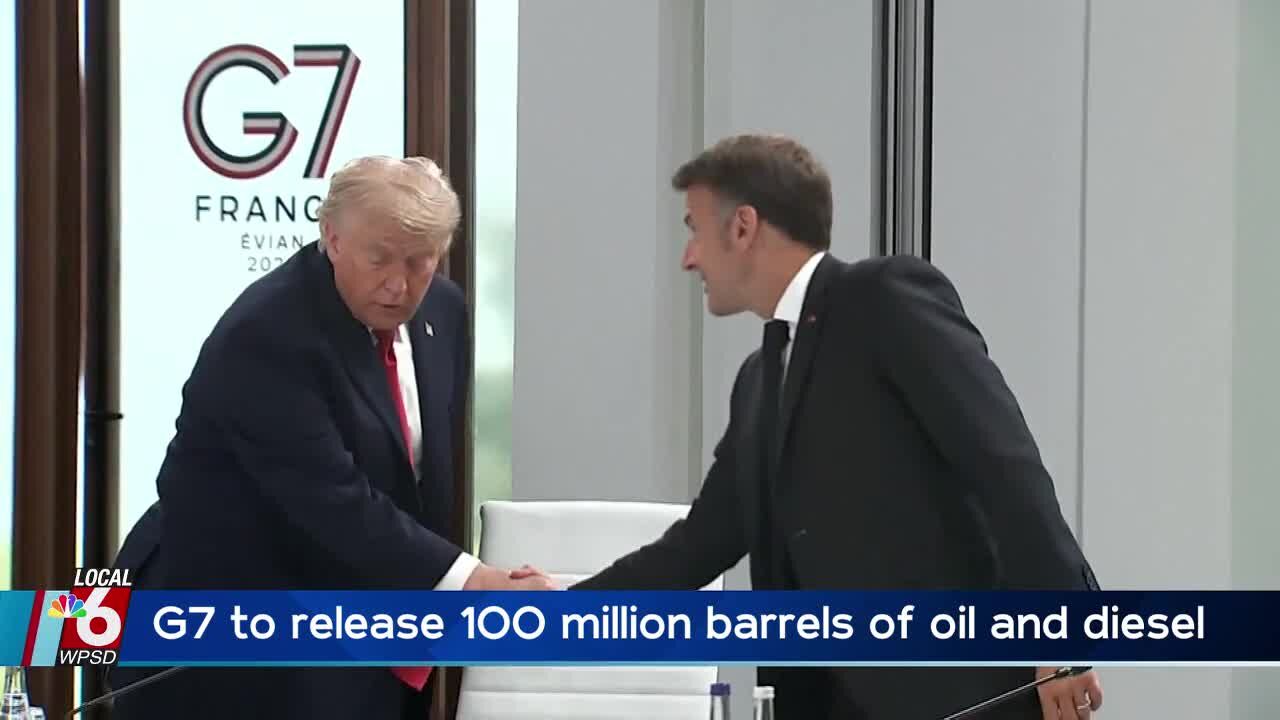
The G7's coordinated release of 100 million barrels of crude oil and diesel from emergency reserves over four months represents a critical inflection point for cross-border e-commerce logistics costs. Following the announcement by French President Emmanuel Macron on behalf of Canada, France, Germany, Italy, Japan, the UK, the US, and the EU, Brent crude briefly dropped below $100/barrel but recovered to ~$102, signaling limited long-term price relief. This matters directly to sellers: diesel fuels last-mile delivery networks, 3PL warehousing operations, and international shipping routes that determine fulfillment costs across Amazon FBA, eBay, Shopify, and Walmart Marketplace.
The structural supply crisis is the real story for sellers. According to the announcement, Middle Eastern diesel no longer reaches Europe, Russia has ceased all diesel exports (previously 783,400 barrels daily), and China stopped exporting diesel entirely. The US produces 240.5 million tonnes annually and exports 1.26 million barrels daily—insufficient to replace lost Russian and Middle Eastern supply. Energy economist Hamad Hussain (Capital Economics) confirmed the G7 release creates "downward pressure, particularly diesel, but warned the impact would be short-lived." This temporary relief window (likely 60-90 days) masks a permanent supply rebalancing that will reshape logistics economics.
For sellers, this translates to three concrete impacts: (1) Immediate cost volatility (next 4 months): Diesel-dependent shipping costs will fluctuate 8-15% as the 100M barrel release depletes. Sellers shipping 500+ units monthly via FedEx, UPS, or DHL should lock in Q1 2025 rates before the relief window closes. (2) Regional logistics fragmentation: European sellers face sustained diesel scarcity (Middle East supply offline), forcing reliance on US exports and higher intra-EU shipping costs. Asia-Pacific sellers lose Chinese diesel exports, increasing air freight premiums 12-18% for time-sensitive categories. (3) Refinery coordination advantage: The G7 committed to coordinating maintenance schedules to prevent simultaneous capacity shutdowns. Sellers should monitor refinery maintenance calendars (published quarterly by IEA) to anticipate 2-3 week cost spikes when multiple refineries shut simultaneously.
Actionable timeline: The G7 emphasized "substantial diesel releases within the first 20 days," creating a narrow window for sellers to adjust inventory positioning and lock shipping contracts before prices stabilize at a higher structural level. This is not a return to pre-crisis pricing—it's a temporary reprieve before a new equilibrium emerges.
Questions 7
Which e-commerce categories face the highest logistics cost impact from energy supply disruption?
Heavy, low-margin categories dependent on last-mile delivery face the steepest impact: home goods, furniture, appliances, and bulk consumables. These categories rely on diesel-intensive ground shipping and 3PL warehousing operations. According to the news, Middle Eastern diesel no longer reaches Europe and Russia ceased all exports, forcing European sellers to rely on US exports (1.26 million barrels daily) that are insufficient for regional demand. High-value, lightweight categories (electronics, apparel, beauty) can absorb 8-15% cost increases through margin compression or price increases. Sellers in these heavy categories should consider shifting 20-30% of inventory to regional 3PL providers closer to end customers to reduce per-unit shipping distances and diesel consumption.
How does the G7 oil release affect my Amazon FBA shipping costs in 2025?
The 100-million-barrel release creates a 60-90 day window of 8-12% diesel cost relief before prices stabilize at structurally higher levels. According to the G7 announcement, substantial releases occur within the first 20 days, meaning sellers should lock in FBA fulfillment rates immediately through Amazon's shipping partnerships. However, this relief is temporary—energy economist Hamad Hussain confirmed the impact is 'short-lived' because the release only addresses immediate supply gaps, not the permanent loss of Russian (783,400 barrels/day) and Middle Eastern diesel exports. Sellers shipping 500+ units monthly should negotiate Q1 2025 contracts before the relief window closes, then expect 5-8% cost increases in Q2 2025 as structural supply constraints emerge.