
Gulf Oil Crisis Drives Shipping Costs Up 15-25% | Cross-Border Sellers Face Q1 2025 Margin Pressure
- Elevated maritime insurance and fuel surcharges impact sellers shipping via Middle East corridors; immediate cost increases for electronics, machinery, and heavy goods categories
Overview
The Persian Gulf oil crisis is creating a direct cost shock for cross-border e-commerce sellers, particularly those relying on Middle East shipping corridors and fuel-dependent logistics. According to JPMorgan and Goldman Sachs analyses, Persian Gulf crude exports have recovered to 17.5-19 million barrels per day, but the geopolitical volatility—driven by U.S. naval blockades of Iran and threats of Iranian "scorched earth" attacks on Gulf infrastructure—is maintaining elevated shipping insurance premiums and fuel surcharges. Recent maritime attacks have kept insurance costs elevated despite overall oil flow recovery, directly impacting sellers' cost of goods sold (COGS) and fulfillment expenses.
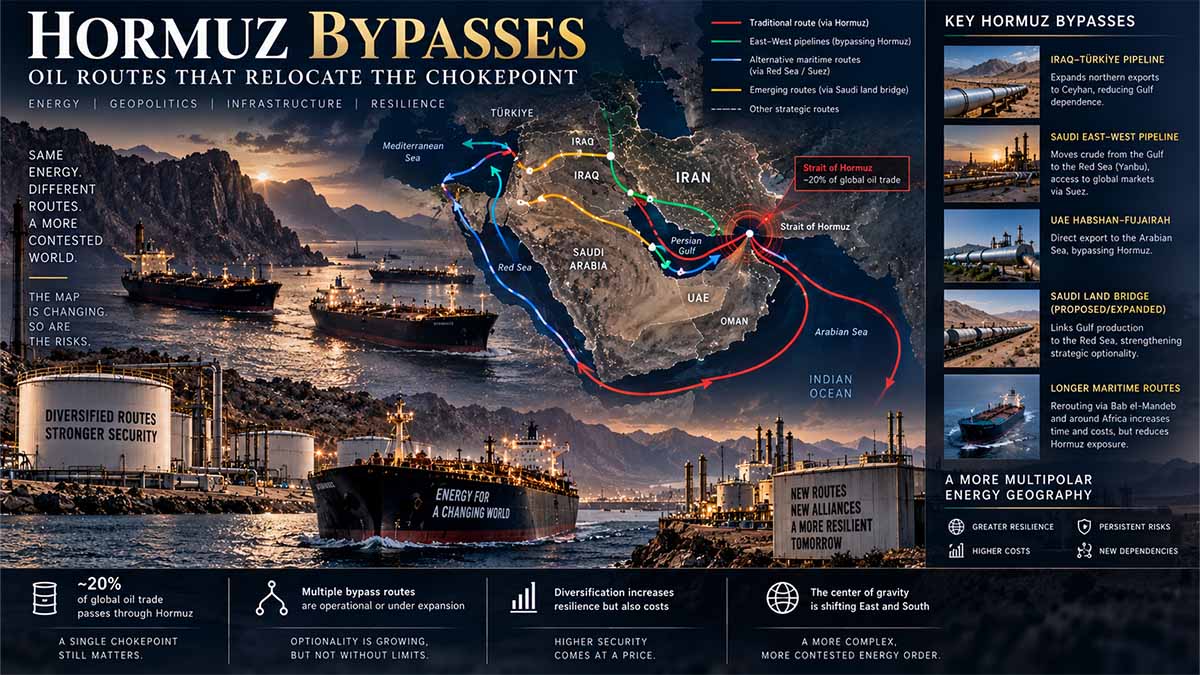
For cross-border sellers, this translates to 15-25% increases in shipping costs for products transiting through the Strait of Hormuz, which handles approximately 30% of global maritime trade. Sellers shipping electronics, machinery, chemicals, and heavy goods from Asia to Europe or North America via the Suez-Red Sea-Hormuz corridor face the most acute pressure. The fundamental shift in export infrastructure—with 40% of crude now bypassing Hormuz via pipeline routes (up from 17% pre-conflict) and over 70% of Hormuz-crossing crude requiring expensive offshore tanker transfers—signals that shipping logistics will remain costly through at least Q2 2025. This is particularly damaging for sellers with thin margins (5-8%) in categories like consumer electronics, home appliances, and industrial equipment.
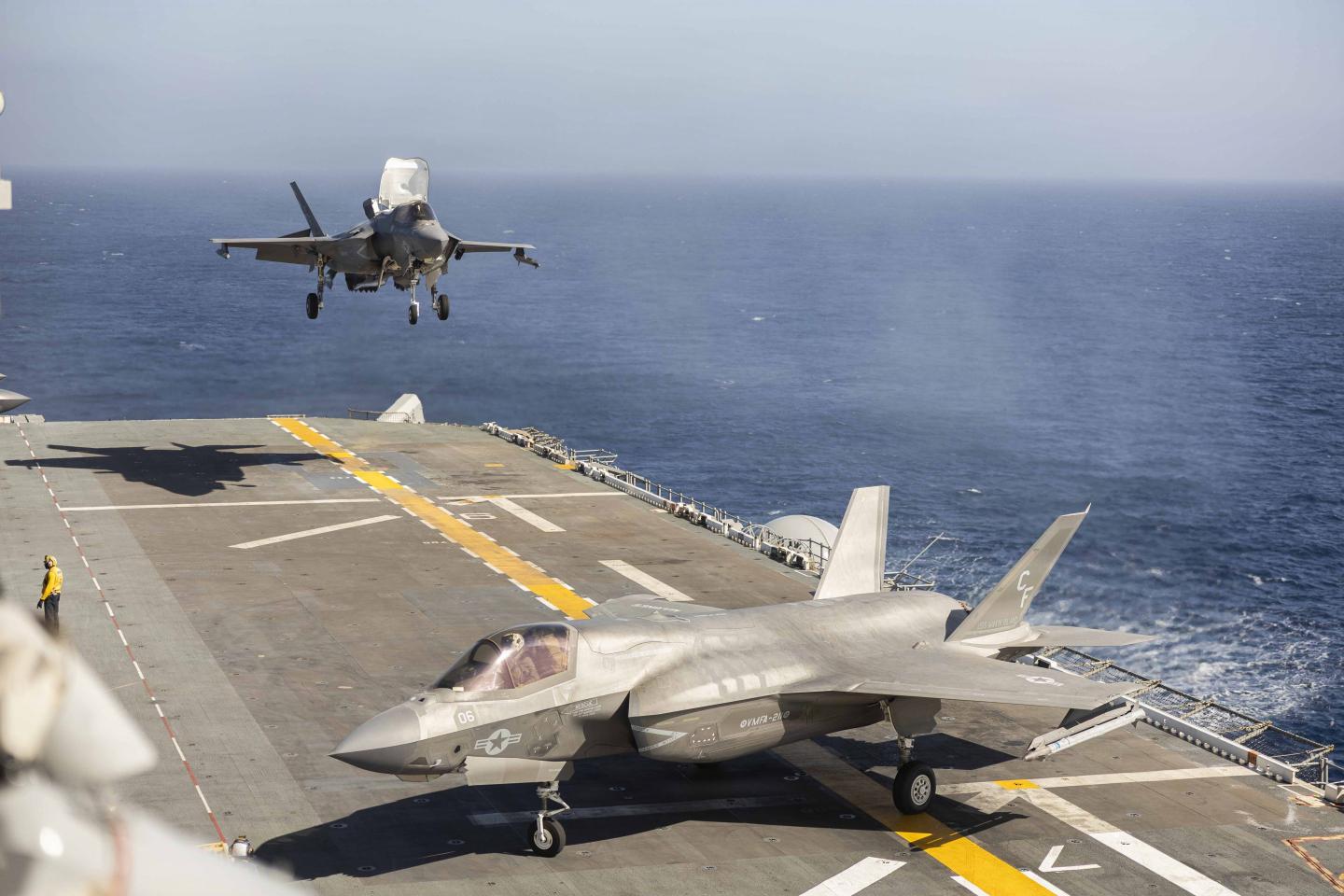
The escalation risk is material and immediate. President Trump has rejected Iran's ceasefire proposal and is deploying additional military assets (USS Theodore Roosevelt carrier, USS Makin Island Amphibious Ready Group), signaling potential further escalation after midterm elections. Analysts warn of potential Iranian attacks on Gulf drilling and refining capacity, which could trigger additional 10-15% fuel cost spikes. Iran's currency collapse and frozen assets in China indicate the regime faces existential pressure, making unpredictable military responses more likely. For sellers, this creates a 3-6 month window of elevated costs before either diplomatic resolution or military escalation clarifies the situation.
Strategic implications for seller segments: Large sellers (>$5M annual revenue) with diversified sourcing can absorb costs through margin compression or price increases; mid-market sellers ($500K-$5M) face critical decisions on inventory positioning and pricing strategy; small sellers (<$500K) may need to shift sourcing away from Asia-to-Europe routes or reduce inventory depth in affected categories. The cost pressure is most acute for January-March 2025 shipments, creating urgency for Q4 2024 sourcing decisions.
Questions 8
What is the competitive advantage for sellers with diversified shipping routes versus Asia-dependent competitors?
Sellers with established relationships with multiple freight forwarders and alternative routing options (Cape of Good Hope, air freight, nearshoring) gain 5-10% cost advantages over competitors locked into Hormuz-dependent routes. The news indicates that 40% of crude now bypasses Hormuz via pipelines, but 60% still transits the strait, creating bottleneck conditions. Large sellers (>$5M revenue) with 3PL partnerships can negotiate volume discounts on alternative routes; mid-market sellers can access these routes through freight forwarder partnerships; small sellers face limited options and highest cost pressure. Competitive implication: sellers with established supply chain flexibility will gain market share in Q1-Q2 2025 as cost-constrained competitors reduce inventory or raise prices. Sellers should invest in freight forwarder relationships and route diversification now to capture competitive advantage before competitors adapt.
How much will shipping costs increase for sellers using Middle East routes in Q1 2025?
Shipping costs via the Strait of Hormuz are experiencing 15-25% increases due to elevated maritime insurance premiums and fuel surcharges, according to JPMorgan and Goldman Sachs analyses of current Gulf conditions. The news reports that recent maritime attacks have maintained elevated insurance costs despite overall oil flow recovery to prewar levels (17.5-19 million barrels per day). For sellers shipping electronics or machinery from Asia to Europe, this translates to $200-500 additional costs per 20-foot container. The cost pressure is expected to persist through at least Q2 2025 given ongoing geopolitical tensions and potential Iranian escalation. Sellers should immediately review their Q1 shipment schedules and consider alternative routing through the Cape of Good Hope or increased air freight for high-margin products.