

Hemp THC Ban Enforcement Dec 2025 | Compliance Moat Protects Legal Cannabis Sellers
- Federal 0.4mg THC container limit eliminates 225,000 unregulated sellers; compliant CBD/hemp sellers gain 18-24 month competitive advantage before market stabilizes
Overview
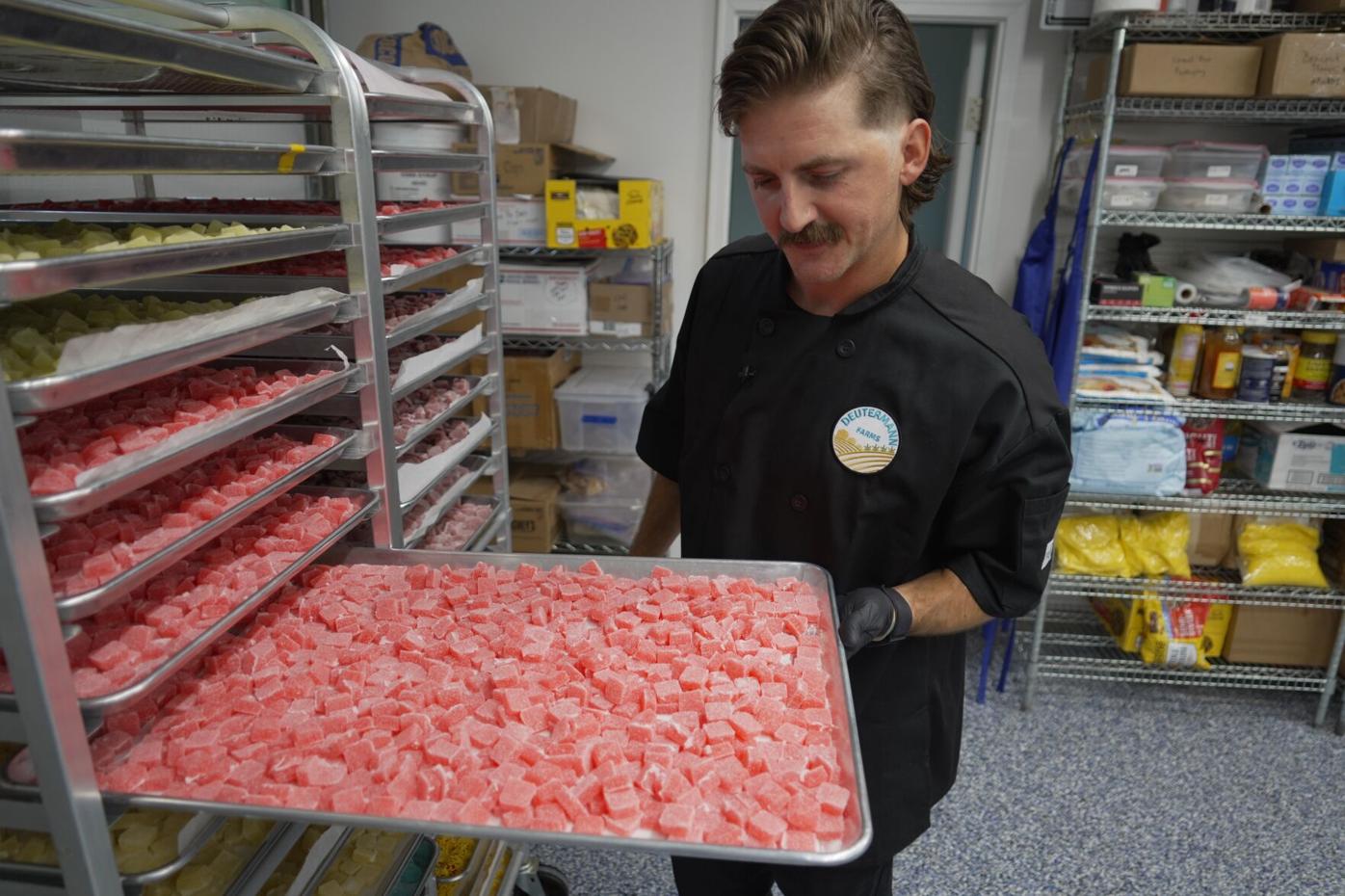
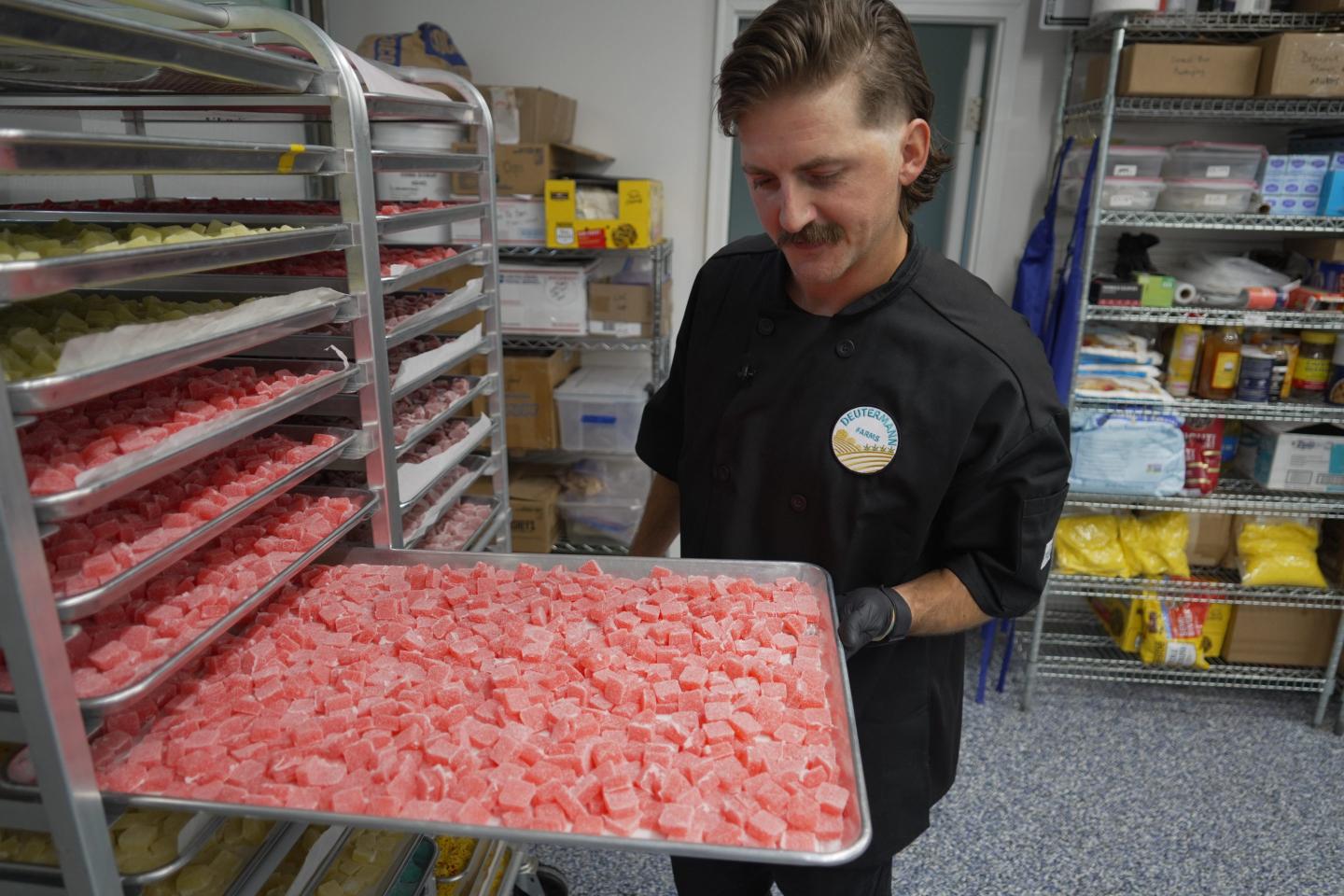
The federal hemp THC ban represents a textbook compliance-driven market consolidation event. Congress inserted a 0.4-milligram THC-per-container limit into December 2024 shutdown legislation, with enforcement beginning December 11, 2025—creating a hard regulatory cliff that will eliminate an estimated 225,000 non-compliant sellers from the $28.3 billion hemp THC market. This is not a gradual phase-out; it's a binary compliance event that destroys entire product categories (THC gummies, seltzers, vape oils) while creating a protected market for compliant alternatives.
The compliance barrier is extraordinarily high and creates a 12-18 month moat for prepared sellers. The 0.4mg threshold is so restrictive it eliminates even non-intoxicating CBD topical products, according to U.S. Hemp Roundtable counsel. This means sellers cannot simply reformulate—they must exit the category entirely or pivot to completely different product lines. Companies like Cornbread Hemp ($65M projected 2025 revenue, 105 employees) face operational destruction. The compliance cost is not just reformulation; it's category abandonment. Sellers who exit hemp THC now have 12-18 months to establish themselves in adjacent categories (CBD isolate products, hemp-derived wellness, botanical supplements) before displaced competitors flood those markets.
Market elimination creates three distinct seller opportunities: (1) Compliant CBD/hemp sellers gain temporary monopoly pricing power in topical/wellness categories as 80-90% of current hemp THC sellers exit; (2) Compliance service providers (testing labs, regulatory consultants, packaging suppliers) will see 3-5x demand surge through Q4 2025 as remaining sellers scramble for certification; (3) Alternative product sellers in regulated cannabis markets (where state licenses exist) can capture market share from hemp THC sellers who cannot comply. The ban explicitly protects state-regulated cannabis operators by eliminating their unregulated competition—this is regulatory capture that benefits licensed cannabis retailers and their suppliers.
Enforcement timeline creates urgency but also opportunity windows. The December 11, 2025 deadline gives sellers 11 months to either comply or liquidate. However, compliance testing alone takes 4-8 weeks through third-party labs, and inventory clearance for non-compliant products creates a 60-90 day liquidation window (September-November 2025). Sellers who begin compliance testing now (January 2025) can achieve certification by March 2025, giving them 9 months of compliant sales before competitors attempt last-minute compliance. This creates a first-mover advantage in compliant product positioning on Amazon, Shopify, and convenience store distribution channels.
Questions 8
How can sellers achieve compliance before December 11, 2025?
Compliance requires third-party lab testing through AOAC-accredited facilities, which takes 4-8 weeks and costs $500-2,000 per product SKU. Sellers must reformulate products to reduce THC content below 0.4mg per container, then submit samples for testing. However, the 0.4mg threshold is so low that most current hemp THC products cannot be reformulated—they must be discontinued entirely. The fastest compliance path is pivoting to pure CBD isolate products (0% THC) or hemp-derived wellness products without cannabis compounds. Sellers should begin testing immediately (January 2025) to achieve certification by March 2025, creating a 9-month head start before competitors attempt last-minute compliance.
Which product categories are most affected by the hemp THC ban?
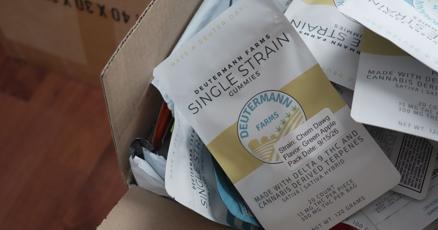
The ban directly eliminates THC gummies, seltzers, vape oils, and edibles—the core $28.3 billion market. However, the 0.4mg container limit also affects CBD topical lotions, salves, and wellness products that contain trace THC. Gas station and convenience store distribution channels face the largest disruption, as these retailers currently stock unregulated hemp THC products alongside alcohol and tobacco. Sellers on Amazon, Shopify, and specialty wellness platforms must verify all hemp-derived products meet the new standard. The ban does not affect state-regulated cannabis products in licensed dispensaries, which operate under separate state frameworks.