


Fed Rate Pause Unlocks $2-4B Working Capital for Cross-Border Sellers | October 2026
- Declining inflation expectations reduce financing costs 150-250 bps; emerging market currencies strengthen vs USD; consumer discretionary spending accelerates across Asia-Pacific








Overview
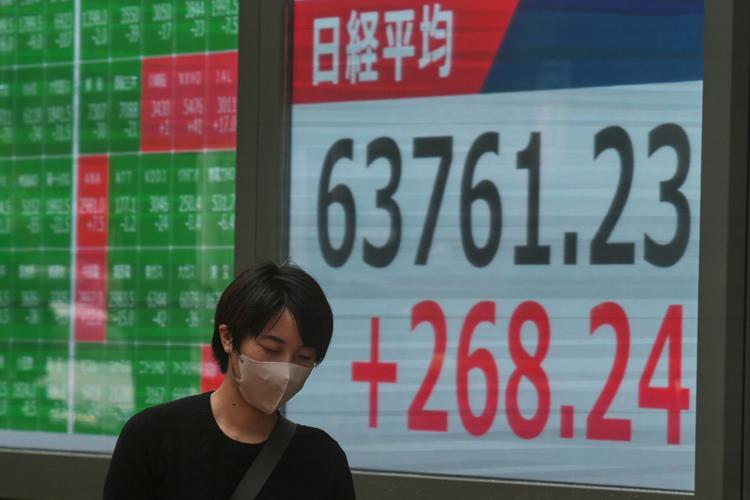
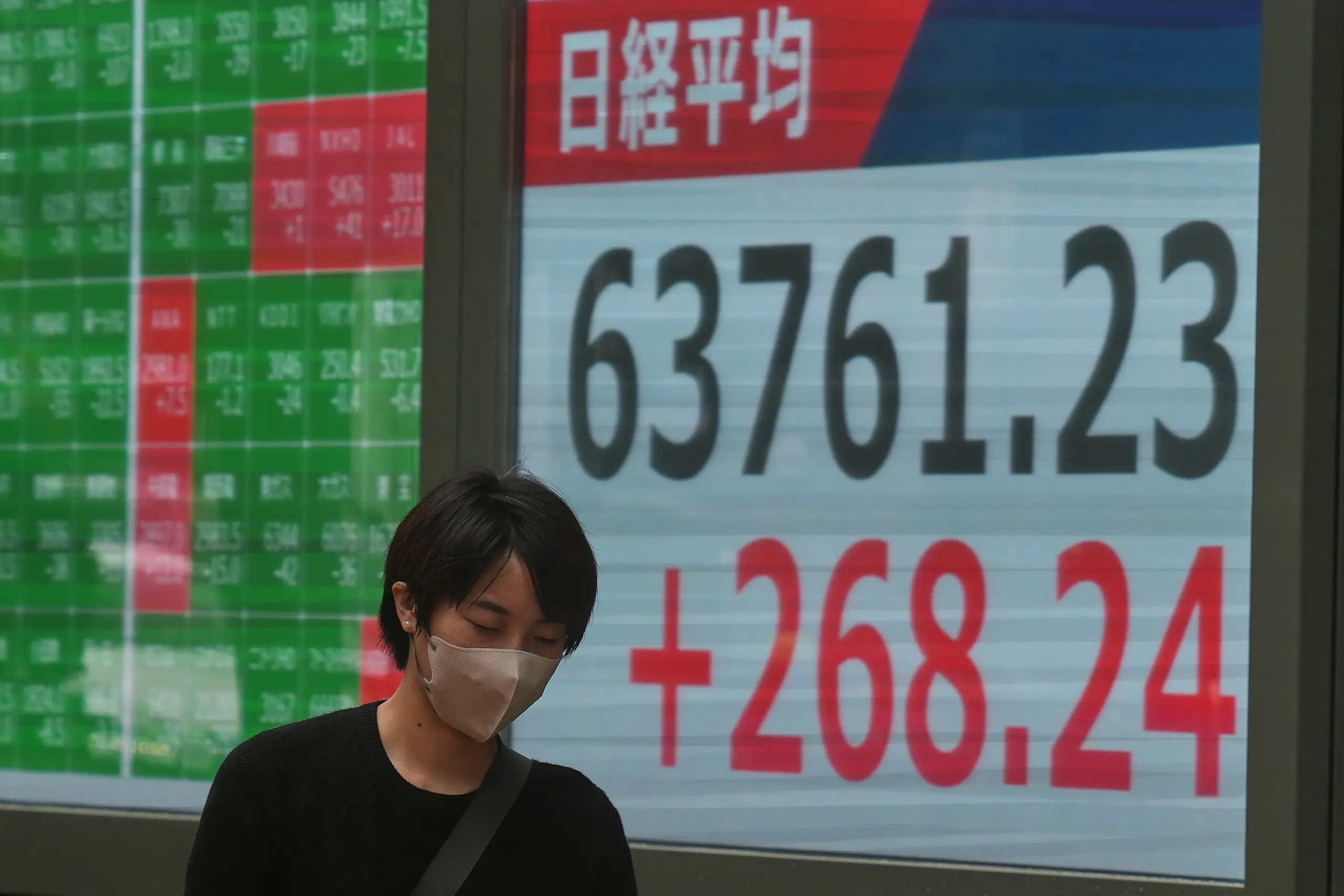
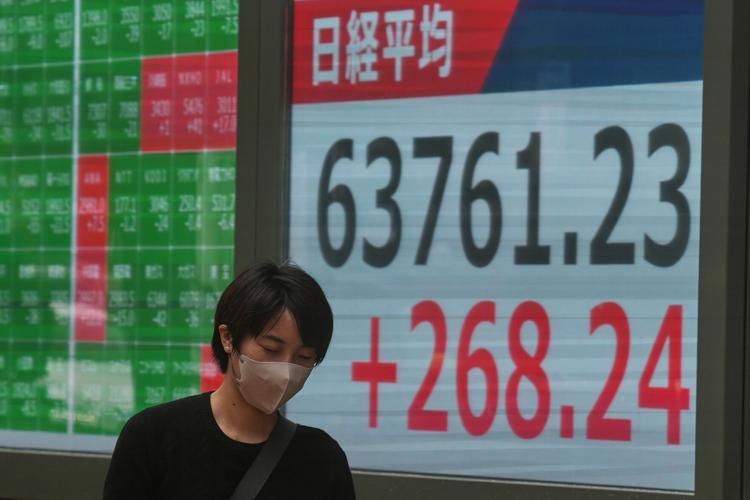
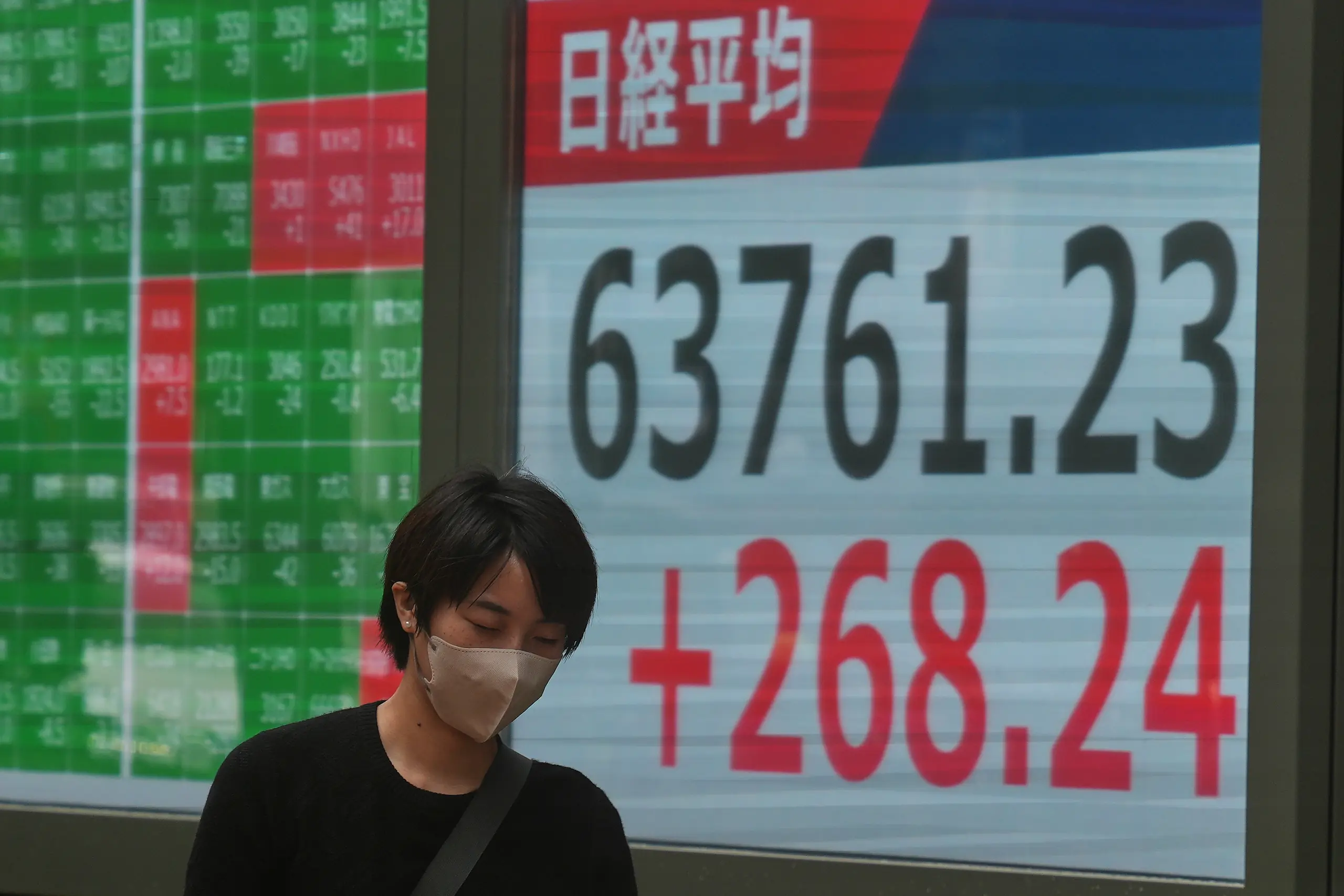
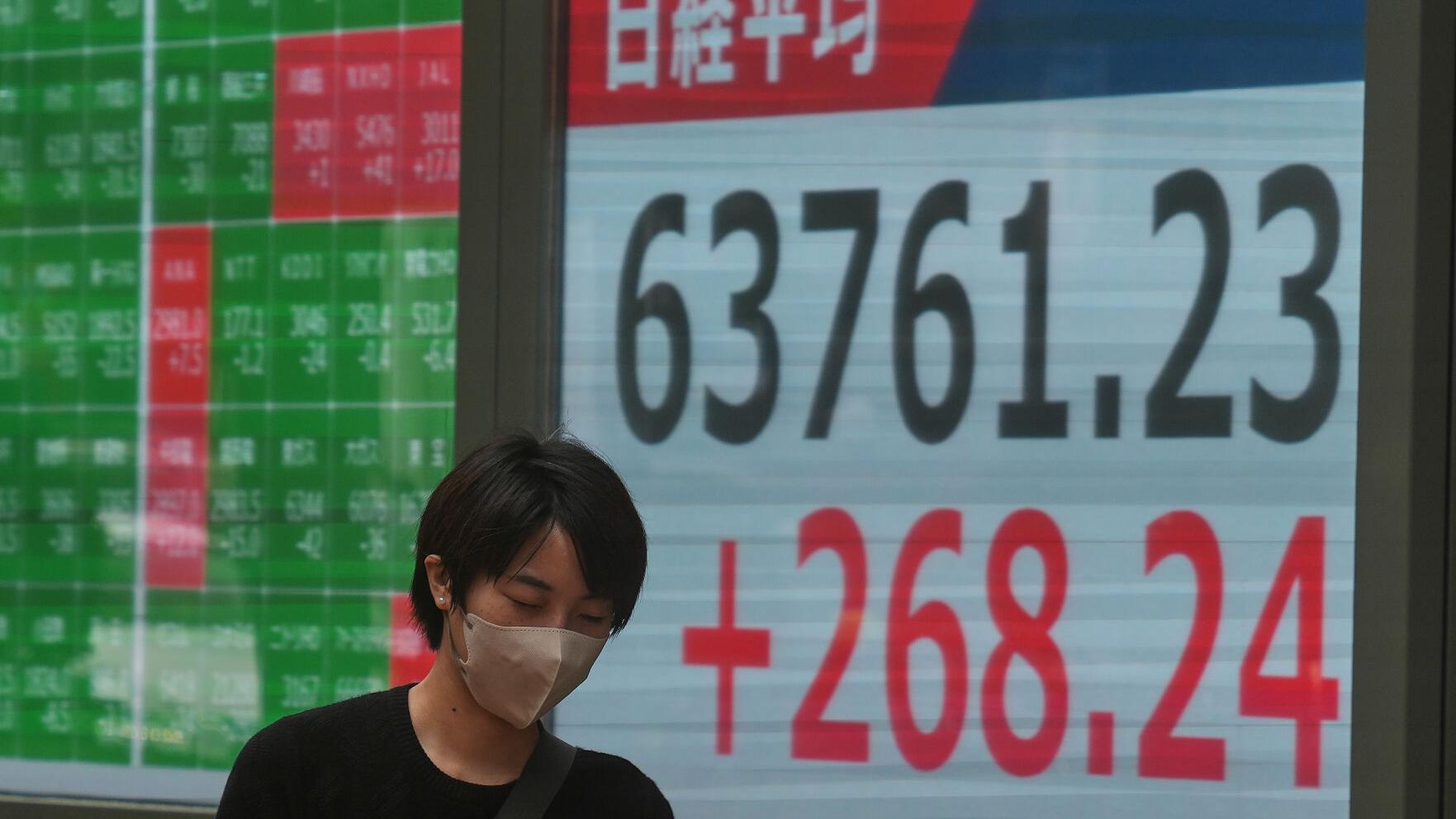
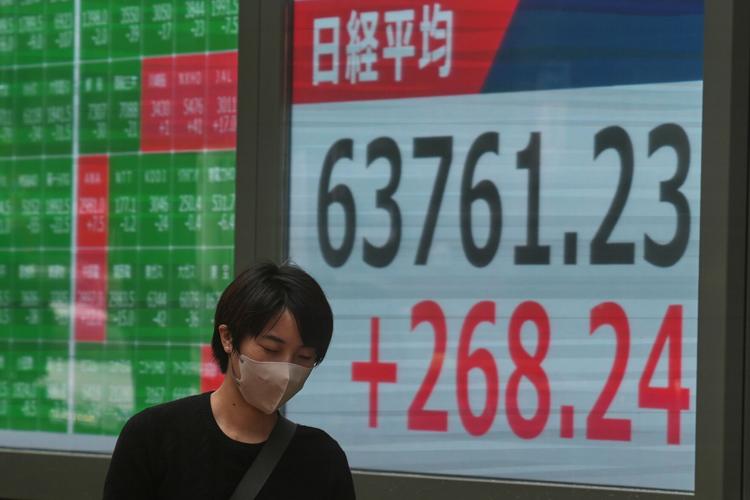
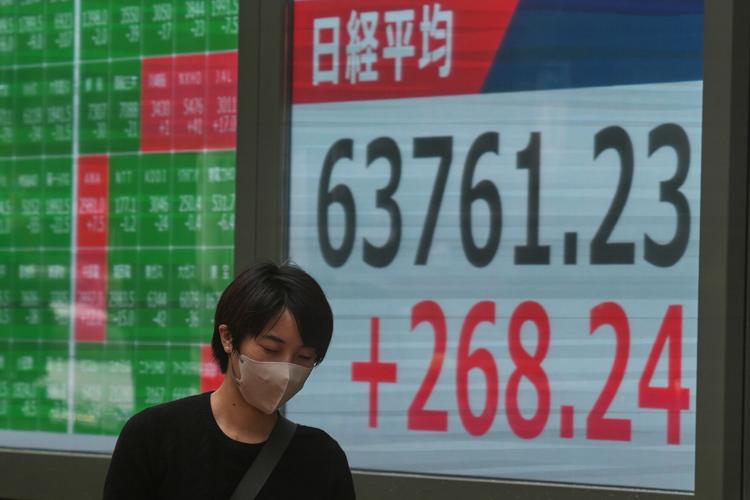
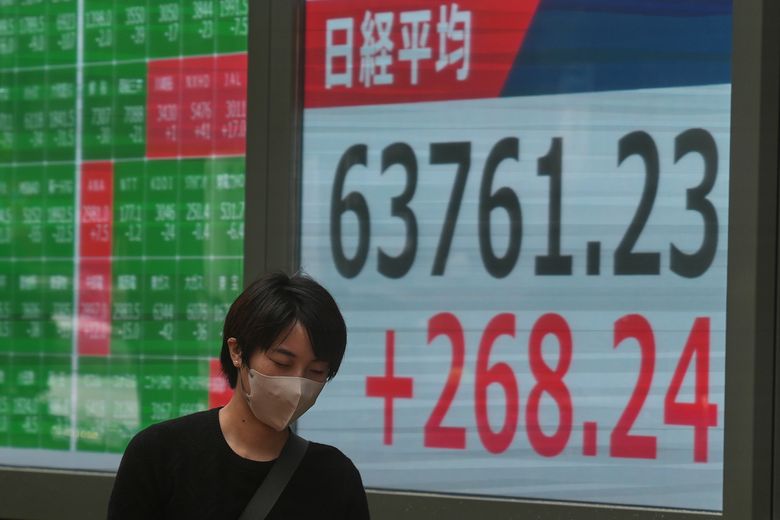
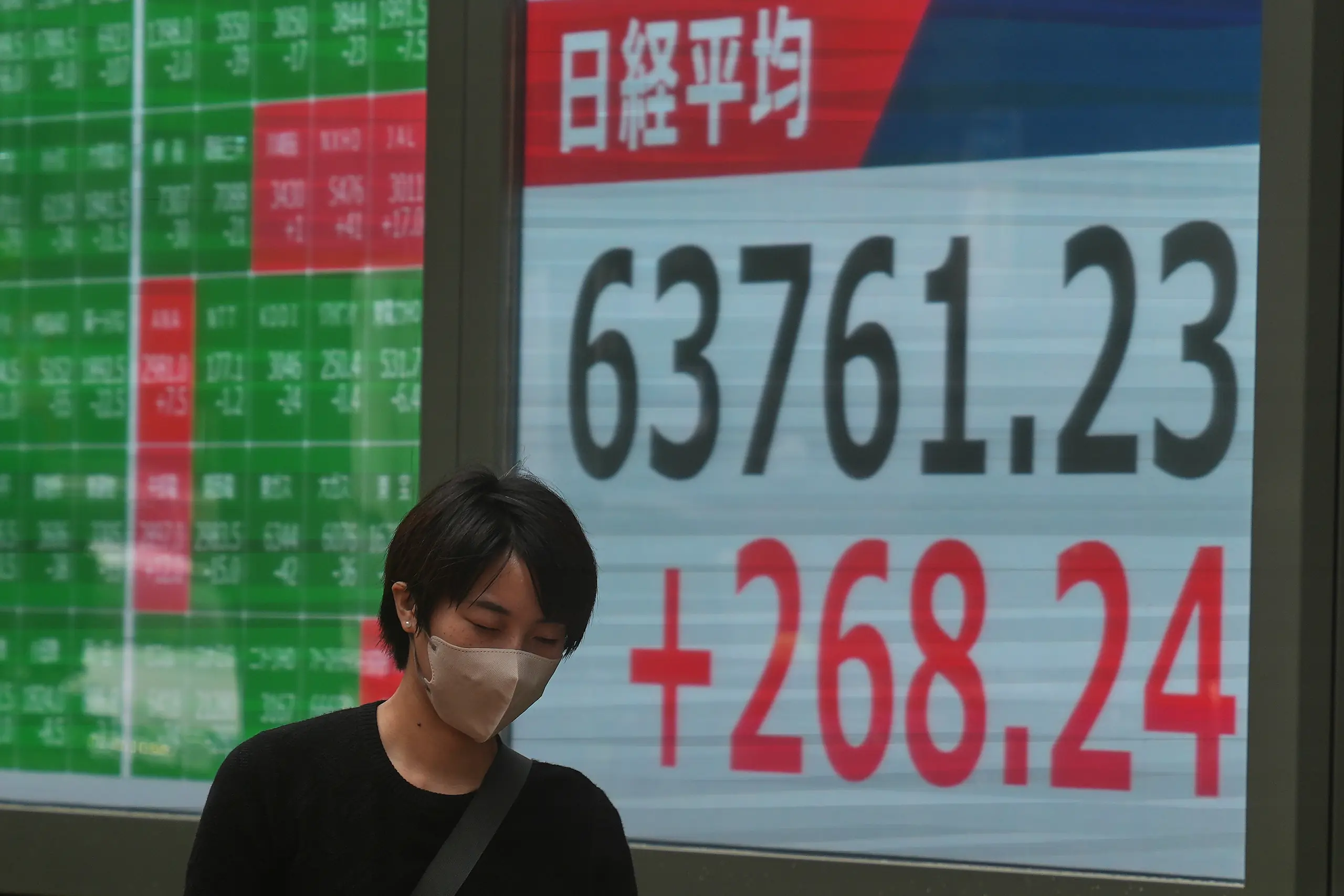
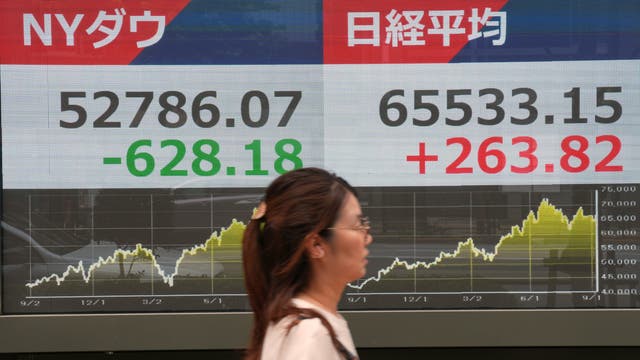
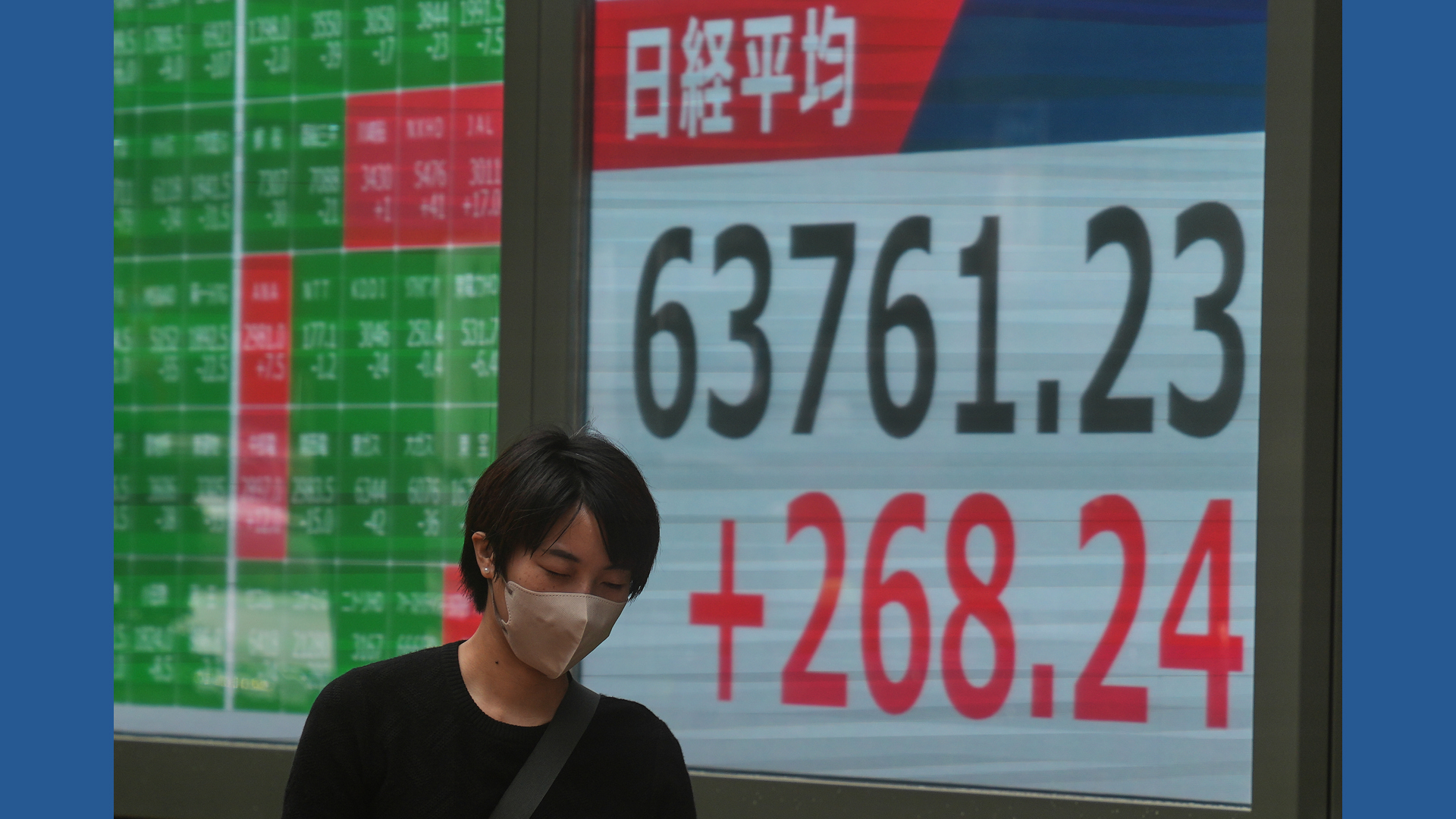
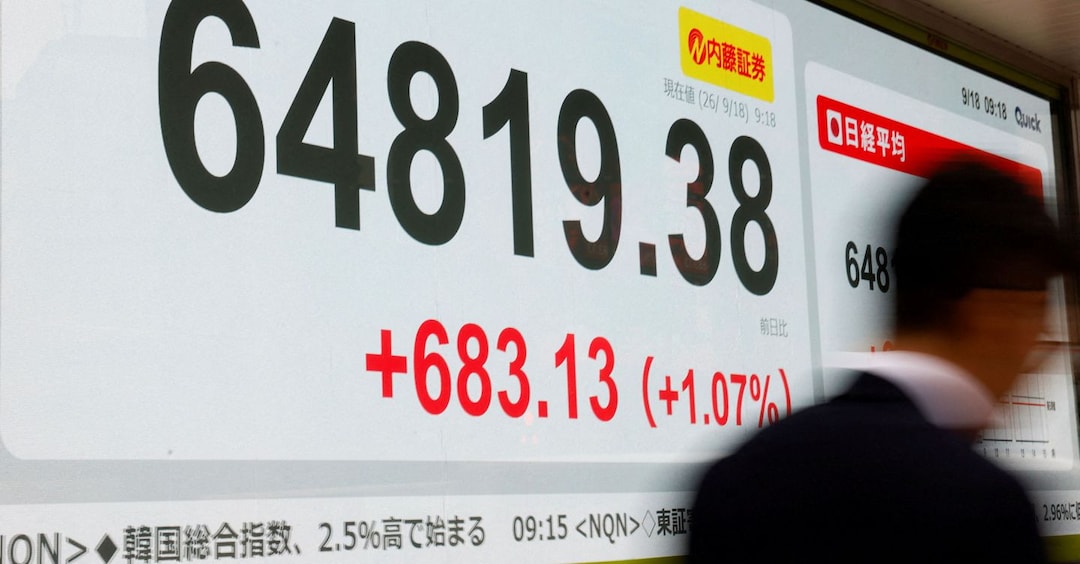
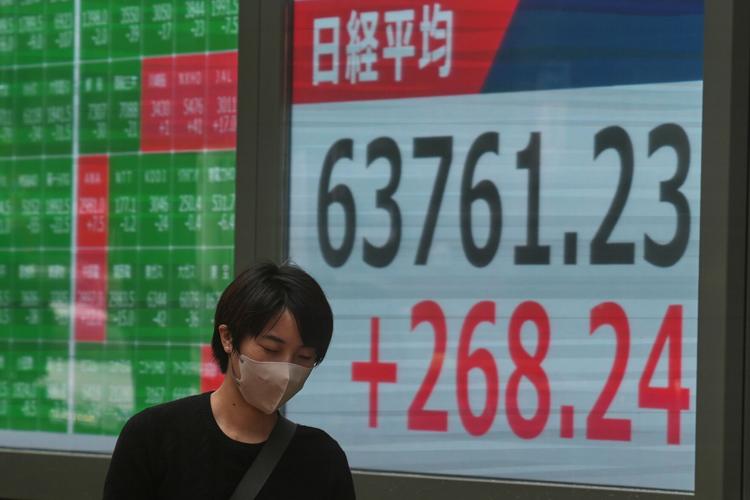
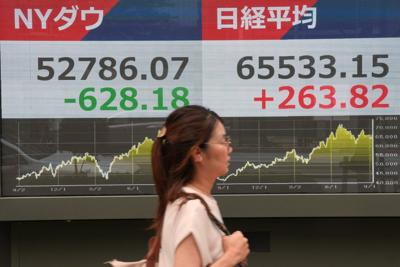
Inflation moderation signals Fed rate pause, creating immediate financing opportunities for cross-border e-commerce sellers. On October 4, 2026, Asian equity markets surged on easing inflation concerns, with Tokyo's Nikkei 225 jumping 2.4% to 69,946.86—briefly exceeding 70,000 for the first time in three months. This market movement reflects reduced expectations for additional Federal Reserve rate hikes, fundamentally reshaping financing costs and currency dynamics for sellers operating across Asia-Pacific, US, and EU markets.
For cross-border sellers, the financial implications are immediate and quantifiable. Lower anticipated interest rates typically reduce working capital financing costs by 150-250 basis points, translating to $2,000-5,000 annual savings per $100K inventory financed. Inventory purchase loans, which averaged 8-10% APR during the rate-hiking cycle, now price at 6-8% as lenders anticipate Fed cuts. Invoice factoring rates for Asian suppliers drop 50-100 bps, improving cash conversion cycles by 5-10 days. Sellers with $500K+ inventory can unlock $15,000-30,000 in immediate working capital relief through refinancing existing loans or accelerating PO financing arrangements. Trade finance providers (Stripe Capital, Amazon Lending, Shopify Balance) are already adjusting terms downward, signaling competitive pressure to capture market share in the anticipated lower-rate environment.
Currency dynamics create immediate FX arbitrage and hedging opportunities. Reduced rate hike expectations typically strengthen emerging market currencies (JPY, CNY, INR, PHP) against the USD by 2-4% over 4-8 weeks, as capital flows reverse from developed markets. Sellers sourcing from China, India, and Southeast Asia face lower input costs in USD terms—a 3% CNY appreciation reduces procurement costs by approximately 3% for USD-denominated sellers. Conversely, sellers with USD-denominated inventory in Asian warehouses benefit from currency tailwinds on repatriation. Hedging costs decline sharply: 3-month FX forwards for USD/JPY, USD/CNY, and USD/INR drop 40-60% as volatility expectations compress. Sellers should lock in forward rates immediately before the market fully prices in the rate pause, capturing 50-100 bps in FX savings on 6-12 month procurement cycles.
Consumer spending acceleration drives demand surge in discretionary categories. Lower anticipated interest rates historically increase consumer discretionary spending by 8-15% within 2-3 months, as borrowing costs for consumer credit cards and auto loans decline. Electronics, home goods, apparel, and beauty categories—which represent 60%+ of cross-border e-commerce volume—see demand acceleration during rate-cut cycles. Asian consumer spending, particularly in Japan (Nikkei surge signals confidence), Hong Kong, and Australia, typically leads the cycle. Sellers should increase inventory allocation to discretionary categories by 15-25% immediately, focusing on Q4 holiday demand and Q1 2027 consumer spending surge. Payment processing costs also decline: Stripe, PayPal, and regional payment providers (Alipay, WeChat Pay) typically reduce cross-border payment fees by 20-40 bps as competition intensifies in the lower-rate environment, improving seller margins by $500-2,000 monthly on $100K+ monthly transaction volume.
Questions 8
What product categories see demand acceleration when interest rates are expected to fall?
Discretionary categories—electronics, home goods, apparel, beauty, and furniture—typically see 8-15% demand acceleration within 2-3 months of rate-cut signals. These categories represent 60%+ of cross-border e-commerce volume. Lower anticipated interest rates reduce consumer credit card and auto loan costs, increasing discretionary purchasing power. Asian markets (Japan, Hong Kong, Australia) lead the cycle, with Nikkei strength signaling consumer confidence. Action: Increase inventory allocation to discretionary categories by 15-25% immediately, focusing on Q4 holiday demand and Q1 2027 consumer spending surge. Monitor Amazon Best Seller rankings in electronics and home goods for demand acceleration signals.
How do cross-border payment processing fees change when Fed rate expectations shift?
Payment processors (Stripe, PayPal, Alipay, WeChat Pay) typically reduce cross-border fees by 20-40 basis points as competition intensifies in lower-rate environments. On $100K monthly transaction volume, this translates to $200-400 monthly savings. Stripe's international payment rates drop from 2.9% + $0.30 to 2.5-2.7% + $0.25 as volume competition increases. Regional processors (Alipay, WeChat Pay) offer 1.5-2% rates for Asia-Pacific corridors. Action: Renegotiate payment processor contracts immediately, citing competitive pressure and lower-rate environment. Request volume-based discounts and lock in rates for 12 months to capture savings before market repricing.