




Euro Plummets to 117-Month Low | Critical FX Risk for EU Sellers
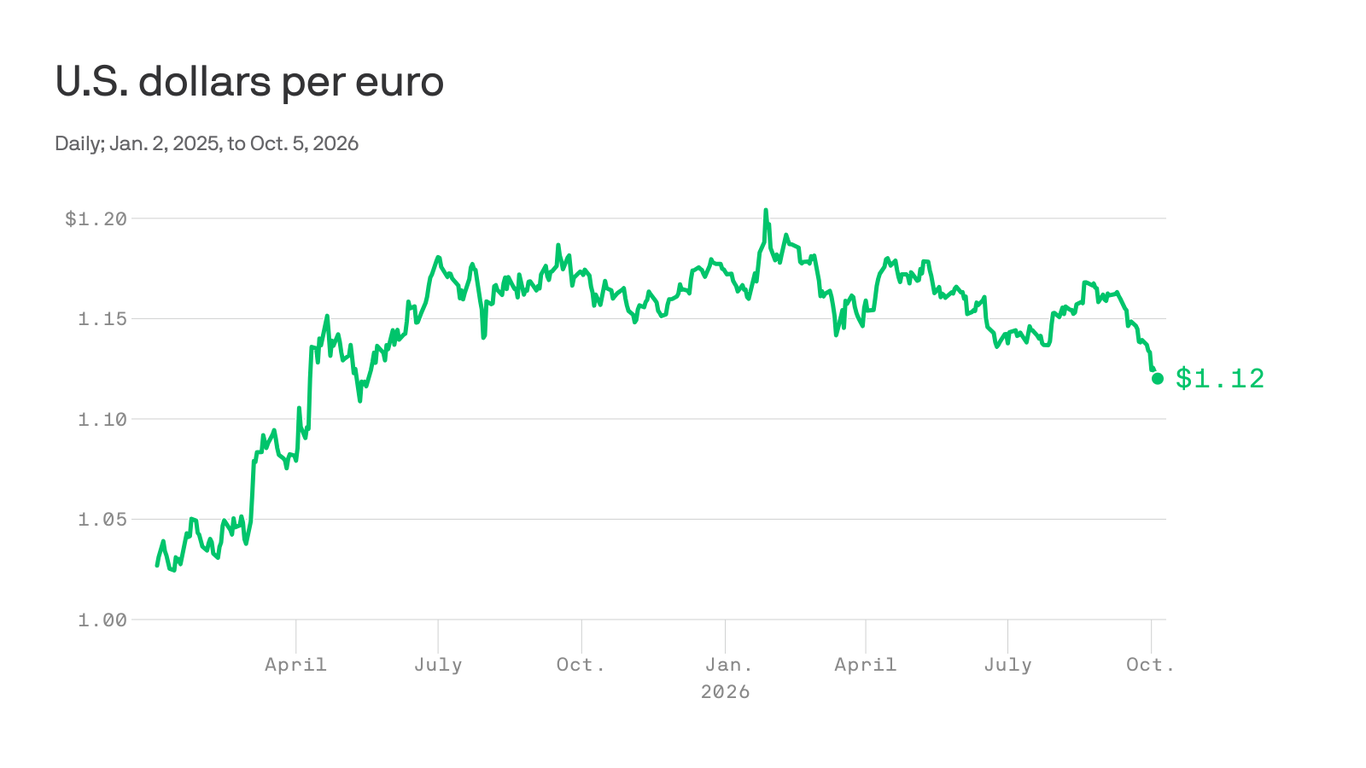
- Euro/USD hits 1.12 (down 4% since September); France's €1.12T debt and 118% debt-to-GDP ratio trigger payment cost surge for European cross-border sellers





































Overview
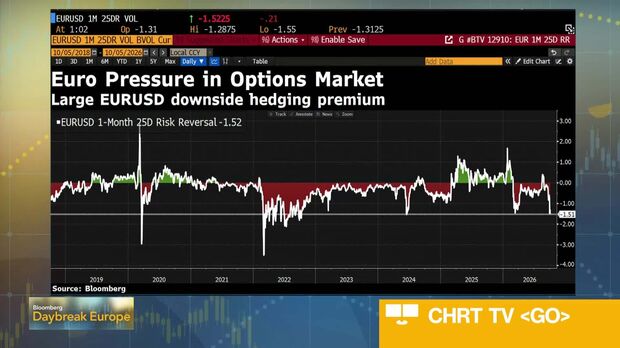
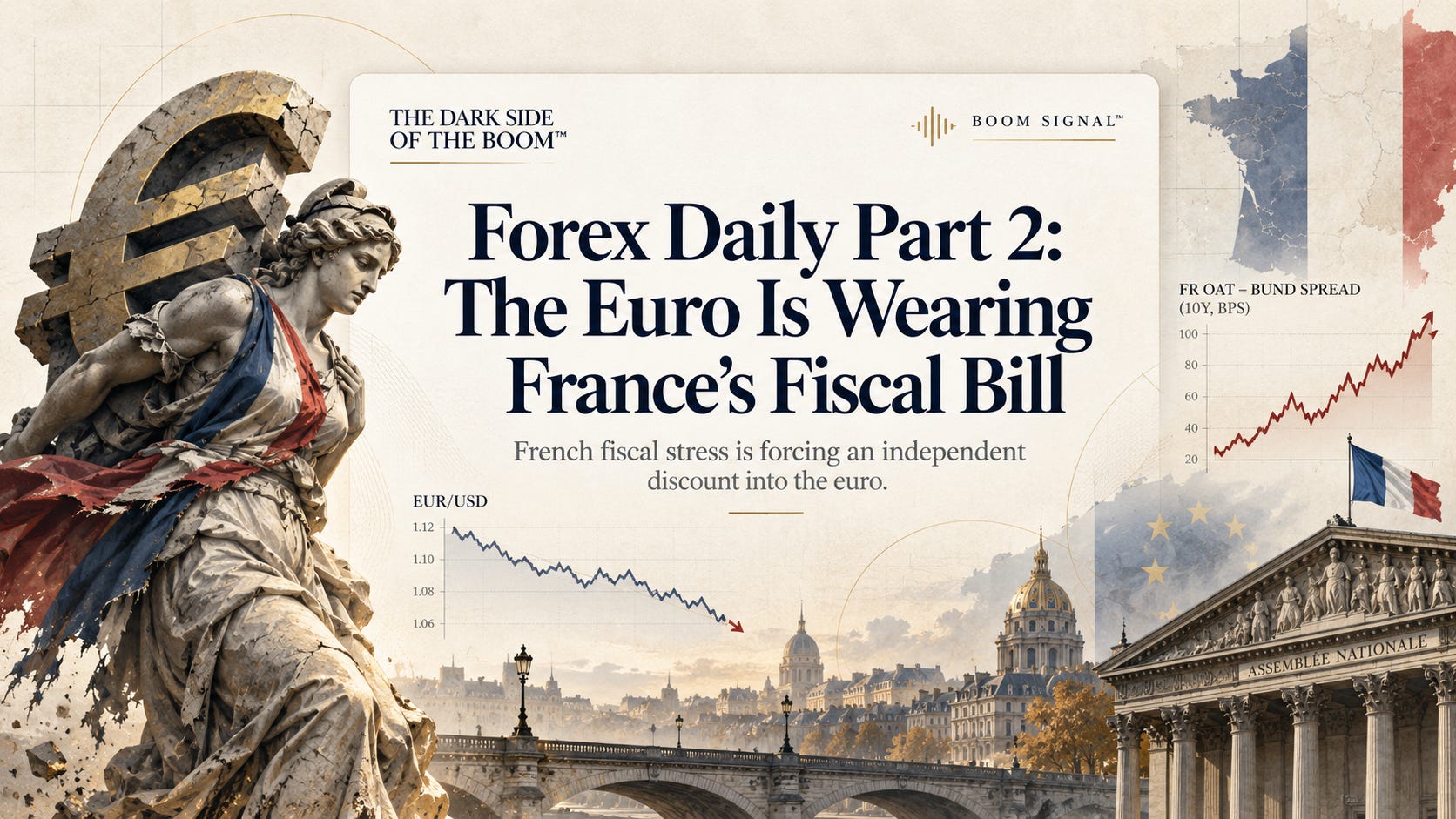
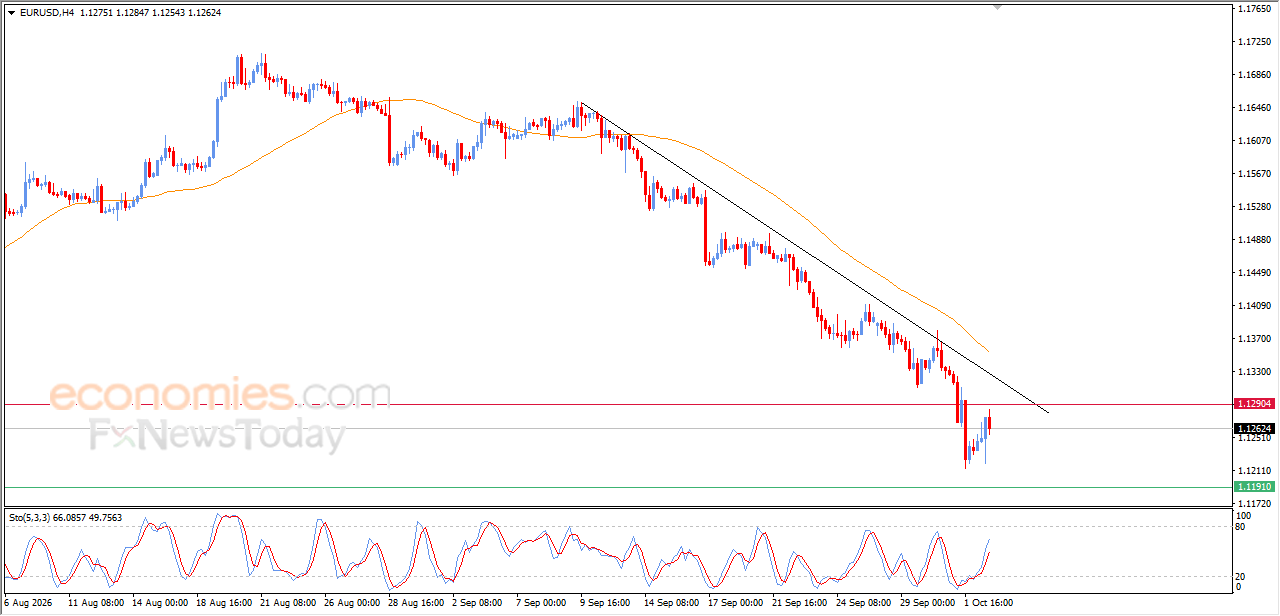
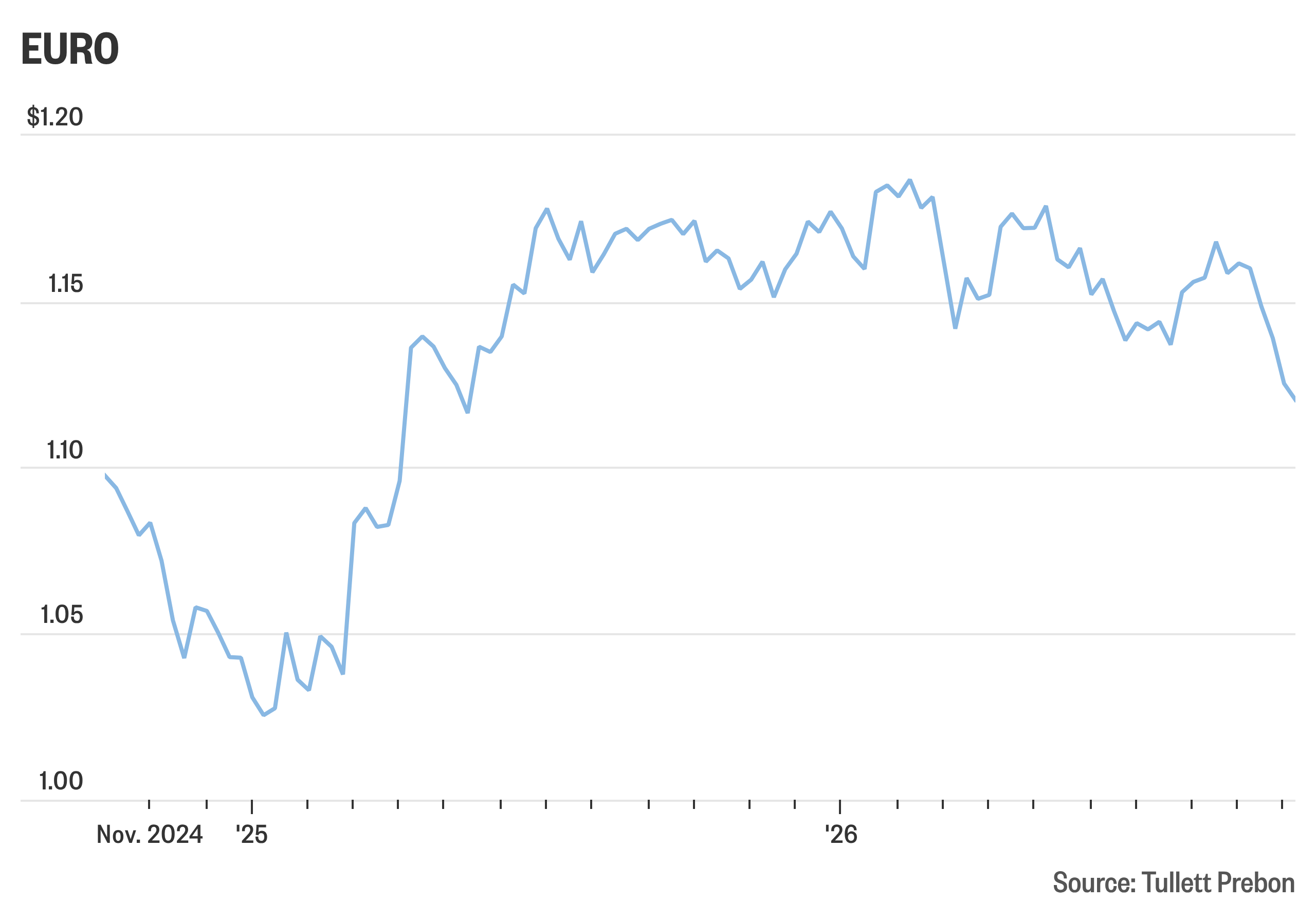
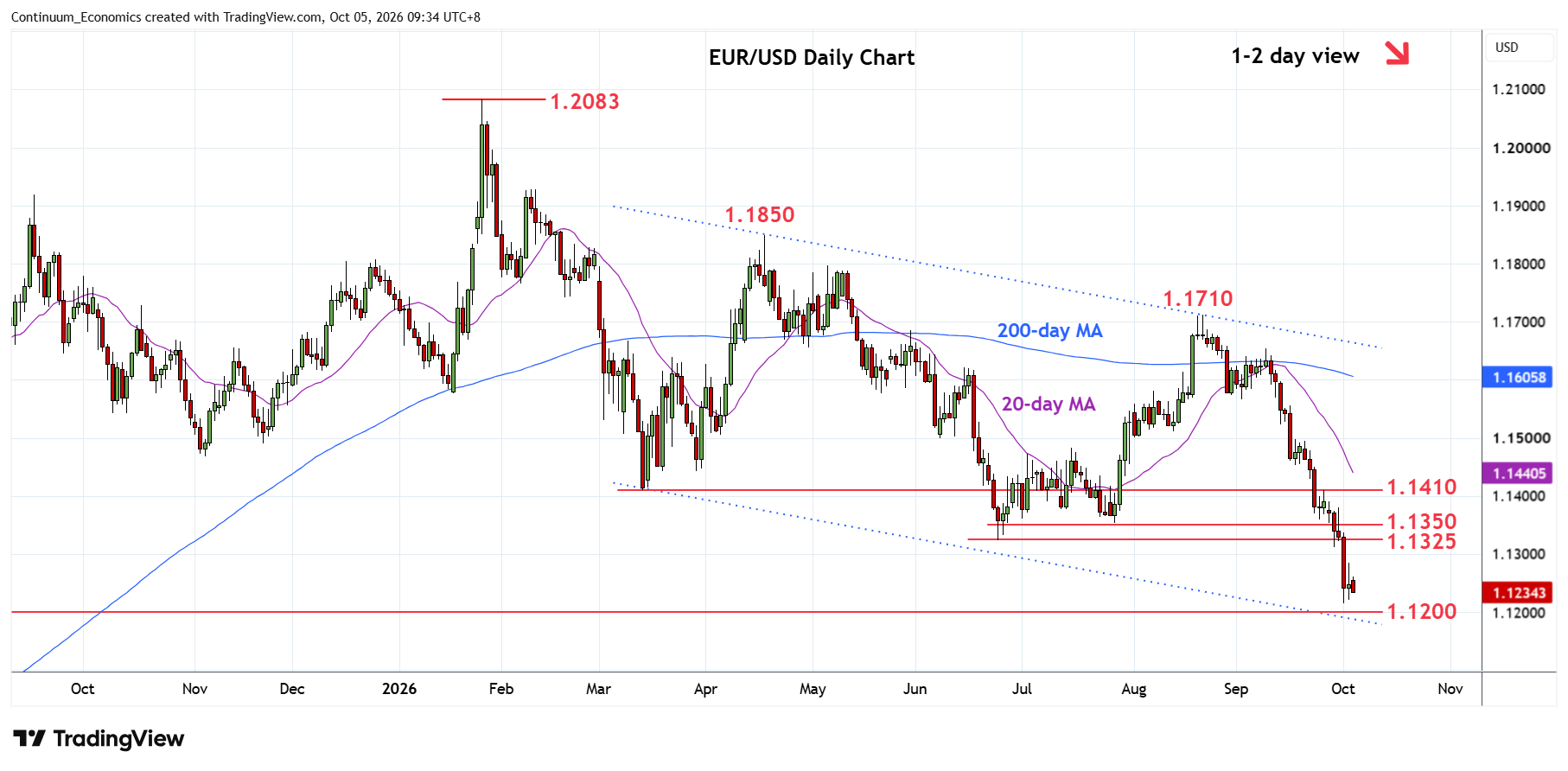
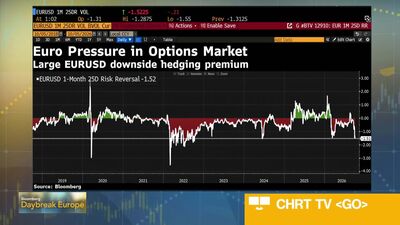
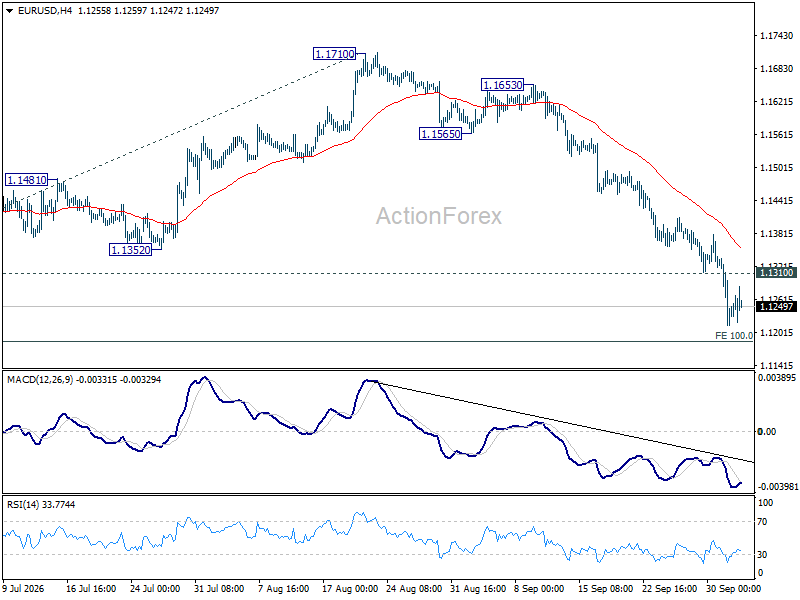
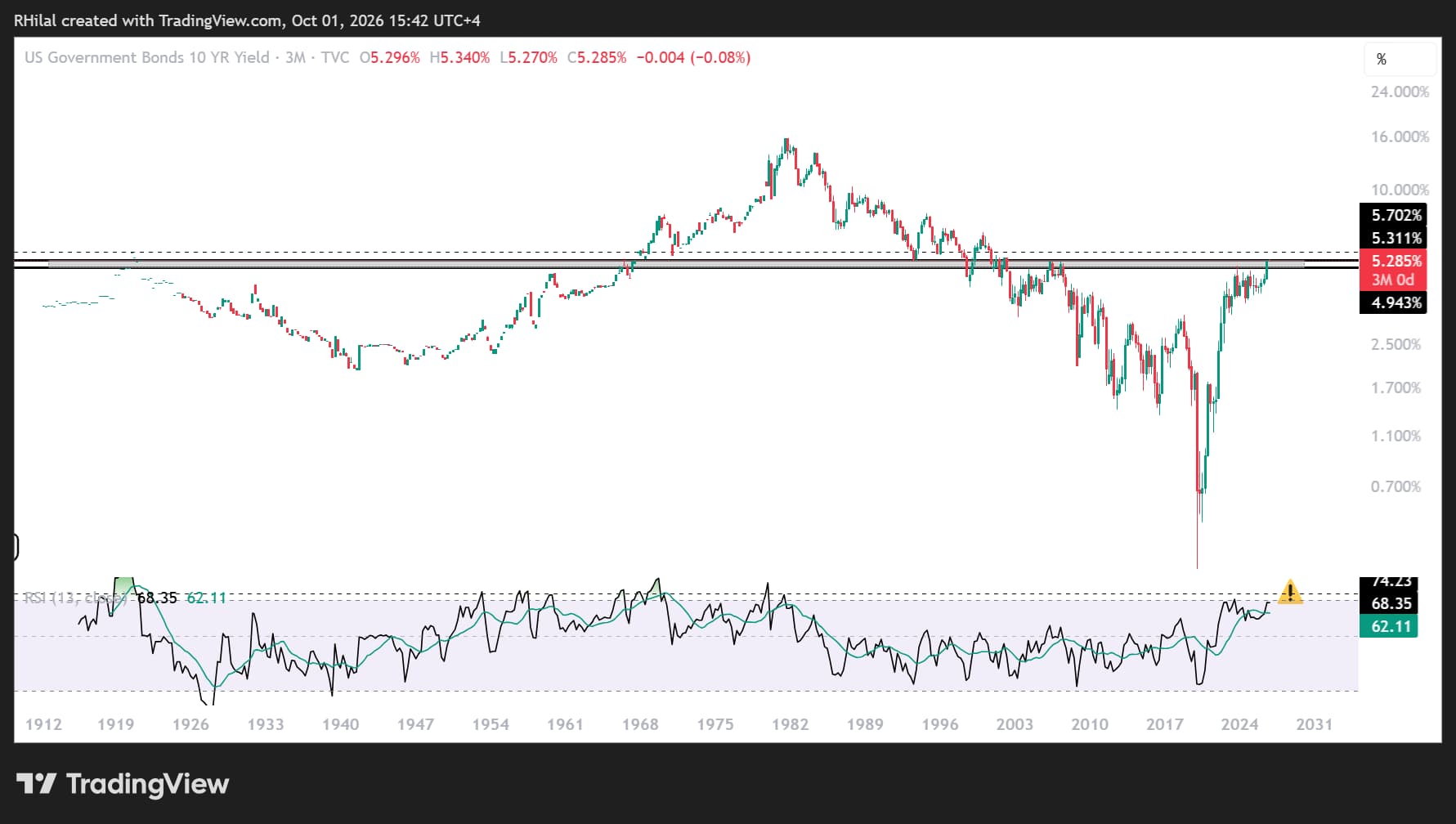
The eurozone faces a critical currency and fiscal stability crisis that directly impacts cross-border e-commerce profitability and payment processing costs. The euro declined to a 117-month low of 1.12 USD in early 2026, down approximately 4% since September 8, driven by France's mounting fiscal pressures and political uncertainty. France's national debt has surged by over €1 trillion to €1.12 trillion since President Macron took office in May 2017, with debt-to-GDP now at 118% and annual budget deficits exceeding 5%. French 10-year government bond yields reached 5%, creating the widest spread versus German bonds since the 2012 eurozone debt crisis. This currency depreciation creates immediate financial headwinds for cross-border sellers operating in EU markets.
For sellers with European operations, euro weakness directly increases payment processing costs and working capital pressures. When the euro weakens against the US dollar, European suppliers purchasing dollar-denominated goods face 4-8% cost increases on imported inventory. Payment processors like Wise, PayPal, and Stripe charge higher FX conversion fees during volatile periods—typically 1.5-3% spreads versus 0.5-1% during stable conditions. Sellers invoicing in euros but holding USD liabilities face immediate margin compression. The ECB's quantitative tightening program (shrinking its balance sheet by not replacing maturing bonds) forces private investors to absorb larger government bond supply, creating upward pressure on long-term rates and increasing borrowing costs for SME sellers. Rising European borrowing costs constrain consumer spending and business investment, potentially reducing e-commerce demand across the region by 5-12% in discretionary categories (electronics, apparel, home goods).
Political uncertainty amplifies financial instability risks. France's 2027 presidential election features Marine Le Pen's right-wing National Rally as a significant force, raising investor concerns about potential policy shifts. Spain's snap election scheduled for November 29 could strengthen Prime Minister Pedro Sánchez or enable a populist right-wing government, adding further uncertainty. These political developments echo concerns from the 2012 eurozone debt crisis, signaling potential strains within the single currency bloc. For sellers, this creates a 3-6 month window of elevated FX volatility and payment processing uncertainty. The European Central Bank faces pressure to intervene without exacerbating conditions—overly hawkish ECB messaging could further pressure French yields and destabilize the euro, while accommodative policies risk inflation persistence. Sellers should immediately implement FX hedging strategies and diversify payment corridors to reduce exposure to euro volatility.
Questions 8
Which payment providers and financing platforms offer the best terms for sellers during this eurozone crisis period?
Top payment providers by FX cost: (1) Wise (0.5-1% FX spread, multi-currency accounts, forward contracts available), (2) OFX (0.1-0.3% spread on forward contracts, best for bulk transfers), (3) Revolut Business (0.5% spread, instant conversion). Avoid PayPal (1.5-3% spread) and Stripe (1.5-2% spread) during volatility. For financing: (1) Invoice factoring—Fundbox (2-5% cost, 24-48 hour funding, best for sellers with €5K+ monthly invoices), (2) PO financing—Clearco or Fundbox (3-6% cost, unlocks inventory capital), (3) Supply chain finance—Tradeshift or Coupa (1-3% cost, requires supplier participation), (4) Trade finance—Revolut Business or Wise offer embedded trade finance at 2-4% cost. Avoid traditional bank loans (6-8% cost, 30-45 day approval). For sellers with >€50K monthly exposure, negotiate directly with Wise for volume discounts (0.25-0.5% spreads available). Set up accounts with 2-3 providers to compare rates weekly and route transactions to lowest-cost option.
What is the immediate impact of France's €1.12 trillion debt and 118% debt-to-GDP ratio on my European e-commerce operations?
France's fiscal crisis directly constrains consumer spending and business investment across the EU, potentially reducing e-commerce demand by 5-12% in discretionary categories (electronics, apparel, home goods) over the next 3-6 months. Rising French government bond yields (5% on 10-year bonds) increase borrowing costs for European SME sellers—if you rely on bank financing or trade credit, expect 1-2% rate increases on working capital loans. The widest French-German bond spread since 2012 signals renewed financial stability concerns, creating uncertainty around payment settlement times and banking relationships. Diversify your customer base away from France/Spain (snap elections November 29) and consider shifting inventory to US/UK markets where currency stability is higher.